
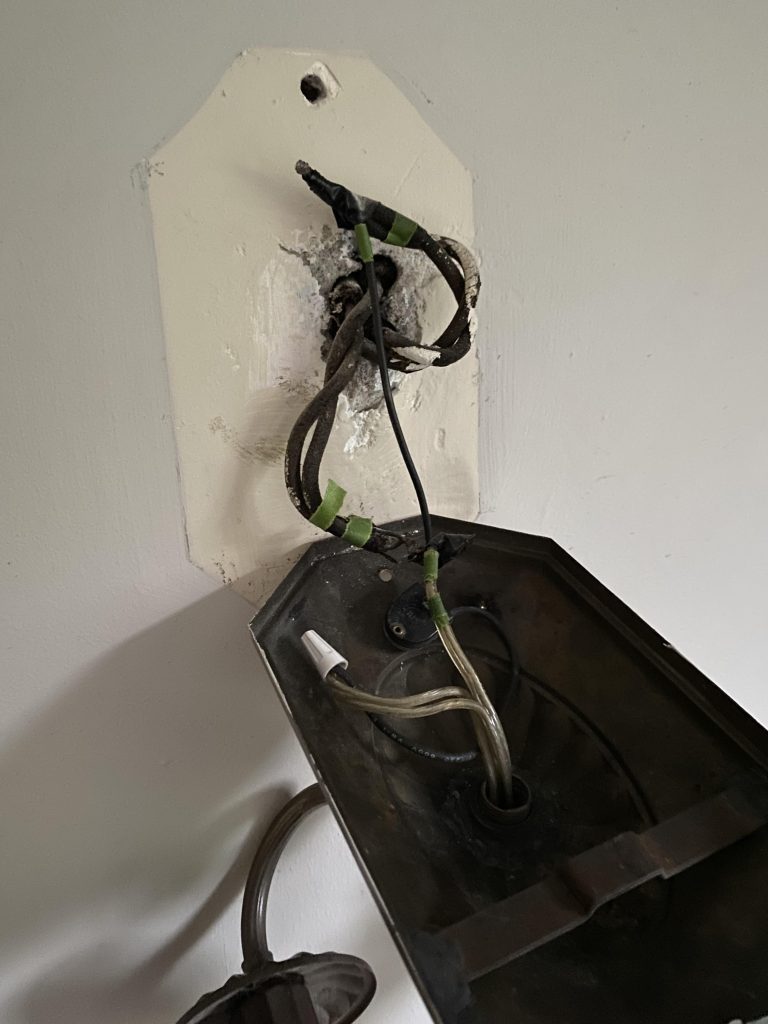
Are you puzzled by the colorful wires behind your TV or computer? Do you ever wonder if choosing the right ground wire color really matters for your home electronics?
With so many gadgets and appliances relying on proper wiring, it’s no surprise that understanding the difference between white and black ground wires can be crucial. This isn’t just about colors—it’s about ensuring your devices work safely and efficiently. You might be surprised by how much this simple choice can impact your home.
Stick around to uncover the secrets behind these mysterious wires and discover how you can make smarter, safer decisions for your electronics.
Color Codes In Home Wiring
Understanding color codes in home wiring is essential for anyone working with electrical systems. These colors are not just random—they serve specific purposes that help keep your wiring safe and organized. Knowing what each wire color means can prevent costly mistakes and even dangerous accidents.
Common Wire Colors
In most homes, wiring colors follow a standard system. The most common colors you’ll see are black, white, green, and sometimes red or blue. Each color tells you something important about the wire’s role in the circuit.
- Black wiresusually carry the electrical current from the power source to the outlet or fixture.
- White wirestypically act as the neutral wire, completing the circuit back to the electrical panel.
- Green or bare copper wiresare grounding wires, providing a path to earth in case of a fault.
- Red and blue wiresare often used as secondary hot wires in certain setups, like three-way switches.
Have you ever wondered why electricians always seem to know which wire to grab? It’s because they understand these color codes inside and out.
Purpose Of White And Black Wires
The black wire’s job is straightforward—it carries the live current to power your devices. Think of it as the “on” switch in your wiring system.
The white wire, on the other hand, serves as the neutral path. It completes the electrical loop by carrying current back to the panel. Without this return path, electricity won’t flow properly, and your devices won’t work.
Mixing up these wires can cause serious issues, from tripped breakers to electrical shocks. That’s why you should always double-check which wire is which before you start any DIY electrical work. Have you checked your home’s wiring colors recently? It might save you a lot of trouble down the road.
Role Of Black Wire
The black wire plays a crucial role in home electronics wiring. It acts as the primary conductor carrying electrical current from the power source to your devices. Understanding its purpose helps you handle electrical projects with confidence and safety.
Hot Wire Functions
The black wire is commonly known as the “hot” wire. It delivers electricity from your circuit breaker to outlets, switches, and fixtures. Without the black wire, your devices wouldn’t receive power to operate.
It’s important to know that the black wire carries live current, which means it can cause shocks if touched. This wire is usually paired with white (neutral) and green or bare (ground) wires to complete the circuit safely.
Safety Precautions With Black Wire
Handling the black wire requires caution because it is always energized when the circuit is on. Always turn off the power at the breaker before working with it to avoid dangerous shocks.
Use insulated tools and wear rubber-soled shoes when dealing with black wires. Double-check your work with a voltage tester before touching any wiring.
- Never assume a black wire is safe just because the device is off.
- Label wires clearly if you disconnect them to avoid confusion during reinstallation.
- Consult a professional electrician if you’re unsure about any step.
Have you ever wondered why black wires are always used for hot connections? This simple color code helps electricians quickly identify the live wire, preventing costly and dangerous mistakes.
Role Of White Wire
The white wire plays a crucial role in your home’s electrical system, especially in electronics. It acts as the neutral wire, completing the electrical circuit by carrying current back to the source. Understanding its function helps you handle wiring safely and avoid common mistakes that could cause malfunctions or hazards.
Neutral Wire Functions
The white wire serves as the neutral pathway in electrical circuits. It carries electricity away from your devices and back to the electrical panel, balancing the flow of current. Without this return path, your electronics won’t work correctly, and you could face power interruptions or damage.
Think about the last time a light flickered or an outlet stopped working. Often, issues arise because the neutral connection was loose or damaged. Knowing that the white wire is responsible for this return journey helps you troubleshoot problems more effectively.
Handling White Wire Safely
Always remember, the white wire is part of a live system, even if it doesn’t carry current like the black wire. Never assume it’s safe to touch without turning off the power at the breaker first. Accidental contact can cause shocks or short circuits.
When working on electronics, label the white wire clearly to avoid confusion, especially in complex setups. Use proper tools and test the wire’s voltage before handling it. Safety isn’t just about protecting yourself—it also ensures your devices and wiring remain intact.
Credit: www.familyhandyman.com
Ground Wire Basics
Understanding the basics of ground wires in home electronics is essential for safety and proper device function. Ground wires act as a safety path for electricity, preventing shocks and damage. Knowing how to identify these wires and why grounding matters can save you time and protect your home.
Identifying Ground Wires
Ground wires usually stand out from other wires by their color. In home electronics, you’ll often find ground wires in green or bare copper. However, sometimes a white or black wire might be used, depending on the installation.
When you see a white wire, it typically serves as a neutral wire, not a ground. Black wires usually carry live current, but they can sometimes be re-designated as ground in specific setups. Always check local electrical codes or use a multimeter to confirm before making assumptions.
Have you ever mistaken a neutral wire for a ground? That small error can lead to serious electrical problems or safety hazards. Taking time to correctly identify wires prevents costly and dangerous mistakes.
Importance Of Grounding
Grounding provides a direct path for electrical current to flow safely into the earth if there’s a fault. This prevents electric shocks and reduces the risk of fires caused by short circuits. Your electronics and appliances rely on proper grounding to work safely and efficiently.
Think about a time when a power surge hit your home. Grounding helps protect your devices by redirecting excess electricity away from sensitive components. Without grounding, your expensive gadgets could be at risk.
Are you confident that your home’s grounding system is up to standard? Testing and maintaining grounding can avoid unexpected electrical failures and keep your family safe. It’s a simple step that pays off in peace of mind.
Common Wiring Mistakes
Wiring mistakes in home electronics are more common than you might think. Many people confuse the white and black wires, which can lead to serious issues. Understanding these common errors can save you from costly repairs and safety hazards.
Misusing White And Black Wires
White wires are typically neutral, while black wires carry the live current. Swapping their roles can cause devices to malfunction or create shock hazards. I once helped a friend fix a lamp that wouldn’t turn off because the wires were reversed—this simple mistake made it unsafe to use.
Always double-check wire colors before connecting. If you’re unsure, use a voltage tester to confirm which wire is hot. This small step can prevent a lot of trouble.
Consequences Of Incorrect Wiring
Incorrect wiring doesn’t just cause devices to fail—it can also lead to electrical fires. A reversed neutral and hot wire can cause outlets to remain energized even when switched off. Have you ever felt a shock from a light switch? That could be a wiring mistake.
Besides safety risks, improper wiring can damage your electronics permanently. Imagine plugging in a costly device only to fry it because of reversed wiring. Checking your connections carefully protects both your home and your gadgets.

Credit: www.dreamstime.com
Tips For Safe Wiring
Handling wiring in your home electronics can seem straightforward, but safety must always come first. Incorrect wiring can cause shocks, damage your devices, or even lead to fires. Knowing how to wire safely is essential to protect yourself and your home.
Using Proper Tools
Having the right tools makes a huge difference in wiring safely. Use insulated screwdrivers and wire strippers designed for electrical work to avoid accidental shocks. Avoid makeshift tools that can slip or damage wires, increasing the risk of short circuits.
Keep a voltage tester handy to check if wires are live before you touch them. This simple step prevents dangerous surprises. Also, use cable ties or clamps to keep wires organized and prevent them from pulling loose over time.
Testing And Verification
After wiring, always test to ensure everything works correctly and safely. Use a multimeter to check continuity and confirm that the ground wire (whether white or black) is properly connected. This helps you catch wiring errors before powering up your devices.
Don’t rely only on visual checks. Even if the wires look correct, a faulty connection can cause problems later. Have you ever powered on a device only to find it didn’t work because of a loose ground? Testing saves you from that frustration.

Credit: www.reddit.com
Frequently Asked Questions
What Color Is The Ground Wire In Home Electronics?
The ground wire in home electronics is usually green or bare copper. White and black wires serve other purposes like neutral or hot.
Is White Wire Ever Used As Ground In Home Wiring?
No, white wires typically serve as neutral conductors, not ground. Using white as ground can cause confusion and safety risks.
Why Is Black Wire Not Used As Ground In Homes?
Black wires carry live current and are never used as ground. Ground wires provide safety and must be distinct from hot wires.
How To Identify Ground Wire In Home Electronics Safely?
Look for green insulation or bare copper wire. Always use a tester to confirm ground before working on electronics.
Conclusion
Choosing the right ground wire color matters for safety and function. White wires usually serve as neutral, not ground. Black wires carry current and are not used for grounding. Always follow local electrical codes when handling wires. Mistakes can cause shock or damage.
When unsure, ask a professional electrician for help. Clear understanding keeps your home electronics safe and working well. Simple steps can prevent big problems later. Stay informed and cautious with home wiring tasks.


