
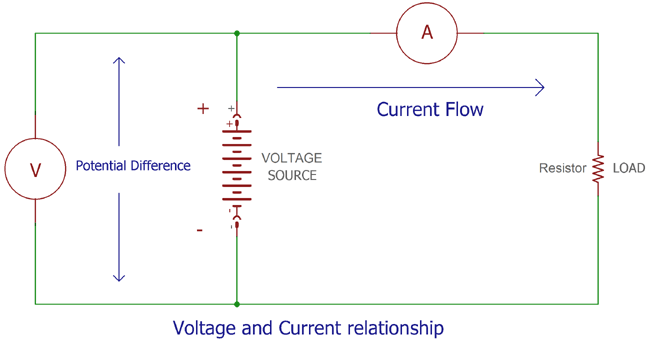
Have you ever wondered what really happens to electrons as they zip through an electrical circuit? You’re not alone.
Many people are curious about this topic, and it’s time to clear up any confusion. Are electrons actually consumed in a circuit, or do they just keep flowing? Understanding this can not only satisfy your curiosity but also give you a fresh perspective on how electricity powers everything around you.
Imagine the confidence you’ll gain by grasping these fundamental concepts. Stick around, and let’s unravel the mysteries of electrons together. By the end of this article, you’ll have a clearer picture of the invisible forces that light up your world.
Credit: www.wevolver.com
Electron Flow In Circuits
Understanding how electrons move in a circuit can change the way you think about electricity. It’s not just about wires and batteries; it’s about tiny particles that keep everything running. Knowing what happens to these electrons helps you see why circuits work and whether electrons are actually used up or not.
Basics Of Electron Movement
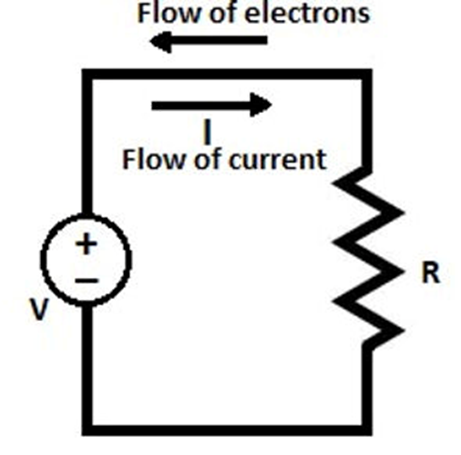
Electrons are negatively charged particles that flow through a circuit. They move from the negative terminal to the positive terminal of a power source. This movement creates electric current, which powers your devices.
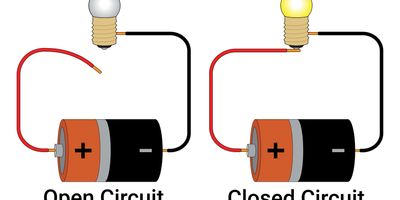
Think about a simple flashlight. When you switch it on, electrons start moving through the circuit inside, lighting up the bulb. But here’s a question: do the electrons disappear after lighting the bulb? Actually, electrons keep moving and don’t get consumed—they just transfer energy as they pass through.
Role Of Electrons In Conductors
Conductors like copper wires have many free electrons that can move easily. These free electrons act like messengers, carrying energy from the power source to the device. The electrons themselves don’t get used up; they flow in a continuous loop.
Imagine you’re holding a bucket brigade line passing water along. The water represents energy, and the people passing it are the electrons. Each person (electron) passes the bucket (energy) without drinking or losing any water. This helps you understand that electrons deliver energy without being consumed.
Myth Of Electron Consumption
Many people think electrons get used up in a circuit. This idea sounds logical but is not true. Electrons flow through wires, powering devices without disappearing. The myth of electron consumption comes from misunderstanding how electricity works.
Origins Of The Misconception
The idea that electrons vanish started long ago. Early explanations of electricity were simple and incomplete. People saw devices stop working and assumed electrons were gone. The word “consume” made it seem like electrons disappeared.
Electric currents involve electron movement, but electrons do not leave the circuit. The confusion arises because energy transfers from electrons to devices. This energy transfer is not the same as using up electrons.
Why Electrons Are Not Used Up
Electrons are tiny particles with negative charge. They move through conductors like copper wires. In a circuit, electrons flow continuously in a loop.
Devices convert electrical energy into light, heat, or sound. Electrons pass through but keep their charge and number. They do not vanish or get destroyed.
Think of electrons like water in a closed pipe system. Water flows and powers a wheel but stays inside the pipe. The same applies to electrons in a circuit.
Energy Transfer Vs Electron Use
Understanding the difference between energy transfer and electron use in a circuit can change how you think about electricity. Many people assume electrons get “used up” as electricity flows, but that’s not the case. Instead, energy moves through the circuit, while electrons keep circulating.
How Energy Moves Through A Circuit
Energy in a circuit travels as an electrical signal, pushing electrons along the wires. Think of it as a wave of energy passing through a crowd, where the people (electrons) only move slightly but pass the wave forward.
This energy is what powers your devices, not the electrons themselves disappearing. The power source, like a battery, supplies this energy continuously, keeping the flow steady.
Difference Between Energy And Electron Flow
Electrons flow in a closed loop without getting used up; they just carry energy from the power source to the device and back. Energy, on the other hand, transfers from the power source to the device, where it does work like lighting a bulb or running a motor.
You might wonder, if electrons don’t get consumed, why do wires heat up or devices stop working? This happens because some energy converts into heat or other forms, not because electrons vanish.
- Energy:Moves and transforms to power devices.
- Electrons:Circulate continuously in the circuit.
Next time you look at a working circuit, consider this: the electrons are like messengers on a never-ending journey, while the energy they carry is what truly powers your world.
Circuit Components And Electron Behavior
Understanding how electrons behave within different circuit components is key to grasping whether they are consumed or simply move through the system. Each component influences electron flow in unique ways, affecting the overall function of your circuit. By looking closely at resistors and batteries, you can see how electrons interact and circulate without being used up.
Resistors And Electron Interaction
Resistors control the flow of electrons by providing resistance. This resistance causes electrons to lose some energy as heat, but the electrons themselves continue moving through the circuit. Think of it as electrons paying a toll—they slow down and give up energy, yet they don’t disappear.
When you adjust a resistor, you change how much energy electrons lose. This adjustment affects the brightness of a light bulb or the speed of a motor without consuming the electrons themselves. Have you ever wondered why your phone charger doesn’t run out of electrons? Resistors help explain part of this mystery.
Batteries And Electron Circulation
Batteries act as the source of energy, pushing electrons through the circuit. Inside a battery, chemical reactions create a difference in electric potential, causing electrons to flow from the negative to the positive terminal. Importantly, the electrons are not consumed; they just move along the circuit path.
As electrons travel, the battery replenishes energy, similar to how you might push a swing to keep it moving. Without the battery’s chemical reactions, electron flow would stop. So, while the battery uses chemicals to maintain electron movement, the electrons themselves remain intact throughout the circuit.
Real-world Implications
Understanding whether electrons are consumed in a circuit has practical effects beyond theory. It shapes how circuits are designed and how people learn about electricity. Recognizing these real-world implications can help you avoid common mistakes and improve your grasp of electrical systems.
Impact On Circuit Design
In circuit design, electrons are not actually used up; they move through the circuit continuously. This means designers focus on managing the flow of electrons rather than worrying about their depletion.
Knowing this allows you to create efficient circuits that maintain consistent current without “running out” of electrons. Components like batteries supply energy to push electrons, but the electrons themselves keep circulating.
Have you ever considered how this affects energy loss? Designers must account for resistance and heat, which reduce efficiency, not electron consumption. This understanding helps in choosing materials and layouts that preserve energy better.
Common Misunderstandings In Education
Many students mistakenly believe electrons are consumed as electricity flows. This misconception can lead to confusion about how circuits work and why devices stop working.
In my experience teaching beginners, clarifying that electrons flow in a loop without disappearing improves their grasp of electrical concepts immediately. It also helps them troubleshoot circuits more effectively.
What if educational materials emphasized the continuous flow of electrons rather than their consumption? This small change could make electrical theory easier and more intuitive for learners.
Credit: technologyconcepts.medium.com

Credit: www.youtube.com
Frequently Asked Questions
Are Electrons Used Up In An Electric Circuit?
No, electrons are not consumed in a circuit. They flow continuously, transferring energy without being used up or destroyed.
What Happens To Electrons When Current Flows?
Electrons move through the conductor, carrying energy from the power source to the load, then return to complete the circuit.
Do Electrons Lose Energy In A Circuit?
Electrons do not lose energy themselves; they transfer energy to components like resistors, which convert it into heat or light.
Can Electrons Disappear In An Electrical Circuit?
Electrons cannot disappear; they always remain in the circuit, maintaining a constant flow to keep the circuit active.
Conclusion
Electrons do not get used up in a circuit. They move through wires and parts, carrying energy. The energy powers devices, but electrons keep flowing. This flow is continuous and never ends. Understanding this helps explain how electricity works. Circuits rely on electron movement, not consumption.
Remember, energy changes form, but electrons remain the same. This concept is key for learning about electricity. It shows why circuits can work for a long time. Simple and clear—electrons keep moving, never disappear.


