
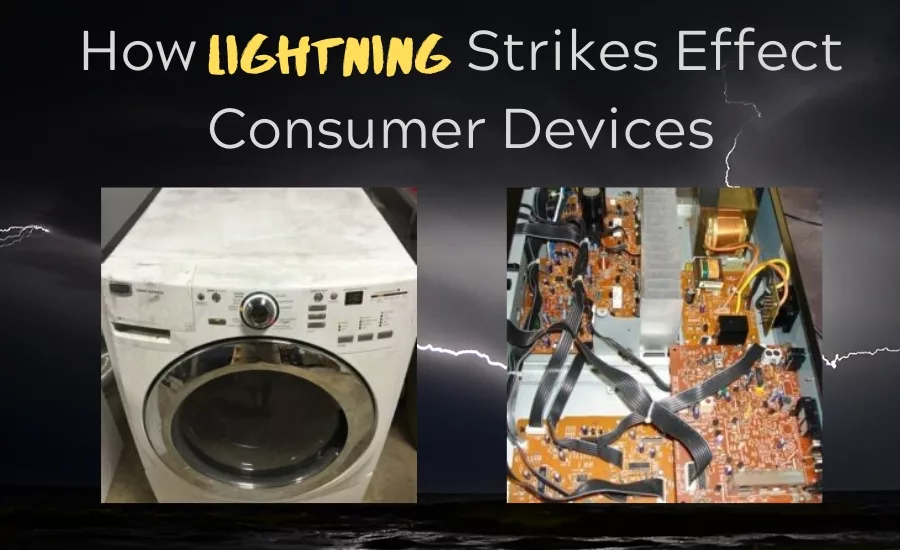
Imagine a sudden flash of lightning illuminating the sky. It’s both beautiful and powerful.
But as you admire the spectacle, have you ever wondered how that same force of nature could impact your home? Lightning isn’t just a dramatic weather event; it can pose real risks to the electronic devices you rely on every day.
From your television to your laptop, and even your kitchen appliances, these everyday gadgets are vulnerable. Understanding how lightning affects your home electronics can help you protect them from potential damage. Keep reading to discover the hidden dangers of lightning and learn practical tips to safeguard your valuable devices. Your peace of mind might just depend on it.

Credit: www.truecable.com
Lightning And Home Electronics
Lightning can cause serious damage to home electronics. It sends strong electric surges through power lines. These surges can destroy or harm devices instantly. Understanding how lightning affects electronics helps protect valuable equipment.
How Lightning Strikes Impact Devices
Lightning creates a sudden spike in electrical current. This spike travels through wiring and power outlets. It can burn circuits and melt components inside devices. Even a nearby strike can cause a surge strong enough to damage electronics.
The electric surge can:
- Short-circuit sensitive parts
- Overheat power supplies
- Erase stored data
- Cause permanent malfunction
Common Vulnerabilities In Electronics
Many home devices have weak points that lightning can exploit. Devices connected to power or internet cables are most at risk. Small circuit boards and microchips are especially sensitive to voltage spikes.
Typical vulnerable items include:
- Televisions and computers
- Wi-Fi routers and modems
- Smart home devices
- Home security systems
- Kitchen appliances
Devices with poor or no surge protection face higher damage risks. Simple electronic parts may fail quickly under surge stress.
Types Of Electrical Damage
Electrical damage caused by lightning can disrupt your home electronics in several ways. Understanding the different types of damage helps you protect your valuable devices better. Each type affects your devices differently and requires distinct precautions.
Power Surges And Spikes
Power surges are sudden increases in voltage that can overwhelm your electronic devices. They often happen when lightning strikes power lines or transformers nearby. Even a small surge can cause your TV, computer, or refrigerator to malfunction or fail completely.
Spikes are even shorter bursts of high voltage, lasting just milliseconds. These can fry delicate circuits inside your gadgets without warning. Have you ever noticed your lights flicker during a storm? That flicker might be a surge affecting your home’s electrical system.
Electromagnetic Interference Effects
Lightning generates strong electromagnetic fields that can interfere with your devices’ signals. This interference can cause temporary glitches, like distorted TV reception or dropped Wi-Fi connections. Sometimes, the effects are subtle but still disruptive to your home network or smart devices.
Electromagnetic interference doesn’t always cause permanent damage, but it can degrade performance over time. Think about how frustrating it is when your phone signal suddenly drops during a storm—that’s a direct impact on your electronics from lightning’s invisible forces.
Direct Lightning Strikes
A direct lightning strike to your home is the most severe form of electrical damage. It sends an enormous surge of electricity through your wiring, instantly destroying anything connected. Devices like your computer, home theater system, and even your electrical panel can be ruined in seconds.
Direct strikes are rare but devastating. Installing lightning rods and surge protectors can reduce your risk, but no system is foolproof. Have you checked if your home has proper lightning protection lately?
Devices Most At Risk
Lightning can cause serious damage to many electronic devices at home. Some devices face higher risk because of their design and connectivity. These devices often have sensitive components or are always plugged in. Understanding which gadgets are most vulnerable helps protect your home better.
Computers And Laptops
Computers and laptops are very sensitive to power surges caused by lightning. These devices contain delicate circuits that can fail if hit by a surge. Sudden spikes in electricity can corrupt data or destroy hardware. Surge protectors help, but direct strikes remain dangerous.
Televisions And Entertainment Systems
Televisions and entertainment systems often stay plugged in for long periods. Lightning can cause power spikes that damage screens and internal parts. Streaming devices, gaming consoles, and sound systems also face risk. These systems usually have multiple connections, increasing vulnerability.
Smart Home Gadgets
Smart home gadgets rely on constant power and internet connections. Lightning can disrupt their function or damage their circuits. Devices like smart speakers, cameras, and thermostats are common targets. Protecting these gadgets is important to keep your home automated and safe.
Kitchen Appliances
Kitchen appliances such as microwaves, refrigerators, and coffee makers are at risk too. Many are plugged in and have electronic controls. Lightning strikes can cause short circuits or permanent damage. These appliances may stop working or become unsafe to use.

Credit: appliancesfixandcare.com
Signs Of Lightning Damage
Lightning strikes can cause hidden damage to your home electronics long after the storm has passed. Recognizing the signs of lightning damage early can save you from costly repairs or replacements. Are you aware of what to look for when your devices aren’t working right after a thunderstorm?
Device Malfunction Symptoms
After a lightning storm, your devices might start acting strangely. You could notice sudden shutdowns or failure to turn on at all. Sometimes, electronics may reboot randomly or freeze during use.
Audio or video glitches are common too—distorted sound or flickering screens might mean electrical surges hit your equipment. Slow performance or unusual error messages can also signal internal damage caused by lightning.
Have you ever had your TV or computer crash just after a storm? That’s often the first clue that lightning affected the device’s circuitry.
Physical Damage Indicators
Physical signs of lightning damage aren’t always obvious, but they’re worth checking. Look for burn marks, melted plastic, or a strange smell coming from power adapters or device ports.
Swollen capacitors inside power supplies can cause bulging or leaking—these are clear signs your device suffered an electrical surge. Sometimes, circuit boards inside devices might have visible scorch marks if you open them carefully.
Don’t ignore small cracks or discoloration around plugs and sockets either; these could hint at electrical damage even if the device still powers on.
Preventive Measures
Protecting electronic devices from lightning damage requires smart actions. Taking preventive steps helps avoid costly repairs and data loss. Simple changes in your home can reduce risk effectively.
Surge Protectors And Their Role
Surge protectors shield devices from sudden voltage spikes. They absorb extra electricity caused by lightning strikes. Use surge protectors with high joule ratings for better protection.
Plug important electronics like TVs, computers, and routers into surge protectors. Replace surge protectors every few years to maintain their effectiveness. Not all power strips offer surge protection—choose the right ones.
Proper Grounding Techniques
Grounding directs excess electricity safely into the earth. Proper grounding reduces the chance of electrical fires and damage. Ensure your home’s electrical system has a solid ground connection.
Hire a licensed electrician to check and improve grounding if needed. Ground wires should be thick and firmly connected to grounding rods or pipes. Proper grounding also improves overall electrical safety.
Unplugging During Storms
Unplug devices during storms to avoid damage from lightning surges. Disconnect all electronics, including chargers, TVs, and computers. This simple step prevents electricity from traveling through wires.
Even devices turned off can be harmed if plugged in. Lightning can cause power surges that damage internal parts. Unplugging is the safest way to protect your equipment during storms.

Credit: www.skillsewa.com
Repair And Recovery
Lightning strikes can cause serious damage to home electronics. Repair and recovery play a crucial role in restoring devices and preventing further issues. Taking prompt action protects your gadgets and saves money.
Assessing Damage After A Storm
Start by unplugging all affected devices. Look for visible signs like burn marks or melted parts. Test devices carefully to check if they still turn on. Some damage may not be obvious right away.
Check your circuit breakers and fuses. A tripped breaker might indicate power surges. Note any unusual behavior like flickering screens or strange noises. This helps to identify which devices need repair or replacement.
Professional Repair Options
Contact certified technicians experienced in electronic repairs. They use specialized tools to diagnose internal damage. Professionals can fix circuit boards, power supplies, and wiring issues safely.
Many repair centers offer warranty services. They provide cost estimates before starting work. Choosing professional repair increases the chance of restoring the device fully.
When To Replace Devices
Consider replacement if repair costs exceed device value. Devices older than five years might not be worth fixing. Persistent problems or multiple damaged parts suggest replacement.
Newer models have better protection against power surges. Replacing damaged electronics ensures better safety and performance. Dispose of old devices properly to protect the environment.
Insurance And Liability
Lightning strikes can cause serious damage to electronic devices at home. Understanding insurance and liability helps protect your property and finances. Knowing what your insurance covers and how to file claims is important after lightning damage.
Homeowner’s Insurance Coverage
Most homeowner’s insurance policies cover damage from lightning. This usually includes harm to electrical systems and devices. Coverage depends on your specific policy and its limits.
Check your policy for these details:
- Protection for electronics and appliances
- Coverage for fire or surge damage caused by lightning
- Deductibles and claim limits
Some policies may exclude certain items or types of damage. Adding extra protection or endorsements can improve coverage for expensive electronics.
Filing Claims For Lightning Damage
Start by documenting the damage thoroughly. Take clear photos and list affected devices. Contact your insurance company as soon as possible.
Follow these steps when filing a claim:
- Report the incident with detailed information
- Provide proof of ownership and damage
- Keep receipts for repairs or replacements
- Cooperate with the insurance adjuster during inspection
Timely and accurate claims increase the chance of successful reimbursement. Know your policy’s timelines and requirements to avoid delays.
Frequently Asked Questions
How Does Lightning Damage Home Electronics?
Lightning causes power surges that overload circuits. This can fry or short-circuit electronic components. Sensitive devices like computers and TVs are especially vulnerable to such spikes.
Can Lightning Cause Permanent Data Loss On Devices?
Yes, lightning-induced surges can corrupt or erase data. Devices without surge protection risk losing important files or system integrity. Regular backups help minimize data loss risks.
What Protection Prevents Lightning Damage To Electronics?
Surge protectors and lightning arrestors shield electronics from voltage spikes. They absorb or divert excess electricity, preventing device damage. Proper grounding enhances this protection.
Is Unplugging Devices During Storms Necessary?
Unplugging devices during storms is the safest way to avoid damage. It physically disconnects electronics from power surges. This simple step greatly reduces lightning risks.
Conclusion
Lightning can cause serious damage to home electronics. It sends strong electrical surges through power lines and cables. These surges can burn out circuits and ruin devices. Protecting your gadgets is important to avoid costly repairs. Use surge protectors and unplug devices during storms.
Stay safe and keep your electronics working longer. Simple steps can save you from headaches later. Remember, lightning is powerful but you can reduce its impact at home. Stay aware and take action before the next storm arrives.


