
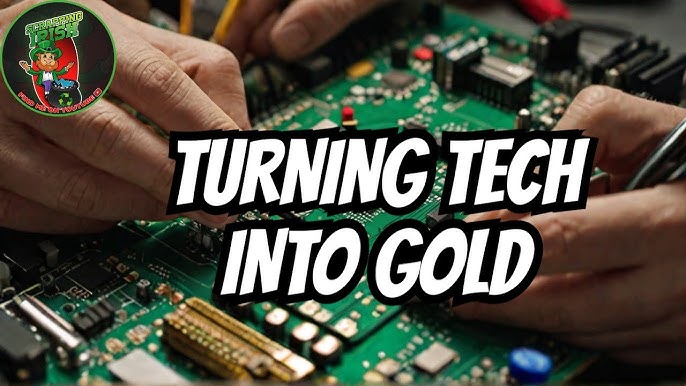
Have you ever wondered if there’s hidden treasure inside your old electronics? Believe it or not, your outdated gadgets could be holding more than just memories.
They might contain gold! Yes, the same precious metal that adorns jewelry and sets the standard for luxury might be sitting in your junk drawer. Imagine the thrill of turning forgotten electronics into a small fortune, all from the comfort of your home.
Intrigued? You’re about to discover the secrets to uncovering this hidden gold, using simple methods that anyone can try. Curious about how you can transform your old devices into valuable assets? Keep reading, because this guide will reveal everything you need to know.
Credit: www.newsbreak.com
Sources Of Gold In Electronics
Gold is a valuable metal found in many electronic devices. It is used in small amounts but plays an important role. Gold conducts electricity well and does not rust or corrode. This makes it perfect for connectors and circuit boards. Knowing where gold hides in electronics helps recover it safely and efficiently.
Common Electronic Devices With Gold
Several everyday items contain gold parts. These devices often have gold in their internal components. Examples include:
- Old cell phones
- Computers and laptops
- DVD players and game consoles
- Television sets
- Printers and scanners
These items usually have gold-plated connectors or circuit boards. Discarded electronics can be a good source of gold.
Identifying Gold-plated Components
Gold-plated parts look shiny and yellowish. They are often found on:
- Connectors and pins
- Processor pins
- Memory chips
- Switches and relays
- Printed circuit boards (PCBs)
Gold plating is very thin but visible under close inspection. Use a magnifying glass to see it clearly. Avoid mixing gold parts with other metals to keep purity high.

Credit: www.youtube.com
Safety Measures For Home Extraction
Extracting gold from electronics at home can be exciting but also risky without proper safety measures. Protecting yourself and your environment is essential to avoid accidents and health problems. Let’s focus on key safety steps you need to take before starting your extraction process.
Protective Gear Essentials
Your first line of defense is the right protective gear. Always wear glovesto keep toxic chemicals off your skin and safety gogglesto protect your eyes from splashes. A well-fitting respirator mask is crucial to avoid inhaling harmful fumes.
Long sleeves and pants help reduce skin exposure, while closed-toe shoes protect your feet from spills. Remember, even a small splash can cause serious burns or irritation. Have a fire extinguisher nearby just in case sparks or unexpected flames occur during your work.
Handling Chemicals Safely
Handling chemicals demands your full attention and respect for their dangers. Always work in a well-ventilated area, preferably outdoors or near a strong exhaust fan. Never mix chemicals without clear instructions; some combinations can cause dangerous reactions.
Store chemicals in clearly labeled containers, away from children and pets. Use tools like plastic tweezers or spoons to handle materials instead of your hands. If you spill a chemical, clean it immediately with plenty of water and avoid touching it directly.
Ask yourself: Are you prepared to manage an emergency if a chemical spills or a reaction goes wrong? Keeping a first aid kit and emergency contacts handy is a smart move before you begin.
Tools And Materials Needed
Extracting gold from electronics at home requires specific tools and materials. Having the right equipment ensures safety and efficiency during the process. This section outlines the basic items needed and suggests where to find them.
Basic Equipment List
- Protective gloves and safety goggles for hand and eye safety
- Plastic or glass containers for chemical reactions
- Small screwdrivers and pliers to dismantle electronic devices
- Fine mesh strainer or filter paper to separate materials
- Measuring spoons and digital scale for precise chemical use
- Fume extractor or well-ventilated workspace to avoid inhaling fumes
- Chemicals like nitric acid and hydrochloric acid, used carefully
- Distilled water for rinsing and diluting chemicals
- Heating source such as a hot plate or stove
- Plastic or wooden stirring sticks to mix solutions
Where To Source Materials
Basic tools can be found at local hardware or electronics stores. Protective gear is available at safety supply shops or online.
Chemicals require careful handling and can be purchased from chemical suppliers or specialty stores. Always check local regulations before buying acids.
Old electronics from home or second-hand shops provide scrap gold. Collect items like old phones, computers, and circuit boards.
Distilled water and filters are easy to find in supermarkets or pharmacies. Use only pure water to avoid contamination.
Step-by-step Extraction Process
Extracting gold from electronics at home requires patience and care. The process involves breaking down devices, using specific chemicals, and then recovering the precious metal. Knowing each step helps you work safely and efficiently while maximizing your gold yield.
Disassembling Electronics
Start by gathering old electronics like smartphones, laptops, or circuit boards. Carefully take them apart using screwdrivers and pliers. Focus on removing components such as connectors, pins, and circuit boards that likely contain gold plating.
Wear gloves to protect your hands and work on a clean surface. Keep small parts organized so you don’t lose any valuable pieces. Have you noticed how much gold is hiding in tiny connectors once you start pulling them apart?
Chemical Leaching Techniques
After disassembling, the next step is to extract gold using chemicals. One common approach is to soak the gold-bearing parts in a solution like aqua regia, which dissolves gold but requires careful handling.
Make sure to work in a well-ventilated area and wear safety goggles. Use glass containers to avoid reactions with plastics or metals. If you prefer a safer method, consider using household items like bleach combined with vinegar, though it takes longer.
Have you ever thought about how chemistry can turn scrap into real value right on your kitchen table?
Gold Recovery Methods
Once the gold is dissolved, you need to recover it from the solution. You can do this by adding a reducing agent like sodium metabisulfite, which causes gold particles to settle at the bottom.
After settling, filter out the gold powder and rinse it with water. Dry the powder carefully and then melt it using a small furnace or torch to form solid gold pieces.
Handling this final step with care ensures you don’t lose any precious metal. How rewarding would it feel to see gold that started as old electronics shine in your hands?
Purifying And Refining Gold
Purifying and refining gold is a crucial step to obtain pure metal from electronic scrap. The gold extracted from electronics often contains impurities like copper, silver, and other metals. Removing these impurities improves the quality and value of the gold. The process involves cleaning the gold and then melting it to shape into usable forms.
Cleaning Extracted Gold
Start by rinsing the gold flakes or powder with clean water to remove loose dirt. Use a mild acid solution, such as diluted hydrochloric acid, to dissolve base metals without harming the gold. Soak the gold in the acid for a short time, then rinse thoroughly with water. Repeat the process until the gold looks clean and bright. Handle acids carefully and use protective gloves and goggles.
Melting And Molding
Use a small crucible to melt the cleaned gold. Heat the gold with a torch or furnace until it becomes liquid. Avoid overheating, as it may cause loss of metal. Pour the molten gold into a mold to form bars, coins, or other shapes. Let the gold cool and solidify. The solid gold can be polished for a smooth finish. This process turns gold dust into solid, valuable items ready for use or sale.

Credit: www.amazon.com
Maximizing Profit From Recovered Gold
Maximizing profit from recovered gold requires careful steps after extraction. The value depends on purity and where you sell it. Understanding these factors helps get the most money for your efforts.
Evaluating Gold Purity
Gold purity affects its price directly. Pure gold is 24 karats, but electronics often contain less. Testing gold purity helps set a fair price.
- Use a gold testing kit for quick results.
- Check the color and weight for rough estimates.
- Professional assay services provide accurate purity readings.
Knowing purity prevents undervaluing your gold. High purity means higher profit.
Selling Tips And Marketplaces
Choosing the right marketplace impacts your earnings. Research buyers and compare offers before selling gold.
- Local gold buyers offer fast payments but lower prices.
- Online platforms may provide better rates but take longer.
- Jewelry stores buy gold but often resell at a markup.
- Scrap gold dealers specialize in electronic gold and pay fairly.
Keep gold clean and clearly labeled. Request certificates or receipts for trust and proof.
Environmental Considerations
Extracting gold from electronics involves chemicals that can harm the environment. Handling these substances carefully protects your home and nature. Understanding the environmental impact keeps your process safe and green.
Disposal Of Waste Chemicals
Waste chemicals from gold extraction are toxic and need proper disposal. Never pour them down the drain or throw them in the trash. These substances can pollute water and soil, harming plants and animals.
Use sealed containers to store waste chemicals temporarily. Take them to local hazardous waste collection sites. Many communities offer special drop-off days for chemical waste. Follow local laws for safe disposal to avoid fines and damage.
Eco-friendly Alternatives
Some methods use fewer harmful chemicals to extract gold. For example, using vinegar or lemon juice with baking soda can reduce risks. These natural acids dissolve metals without toxic fumes or residues.
Reusing and recycling electronic parts also lowers waste. Salvage gold by manually removing components like pins and connectors. This method avoids chemicals and saves resources.
- Choose non-toxic solvents for cleaning metals.
- Work in well-ventilated areas to reduce inhalation risks.
- Wear gloves and protective gear to avoid skin contact.
Common Challenges And Solutions
Extracting gold from electronics at home can be tricky. Many face challenges that slow the process or lower the gold yield. Knowing these common problems helps you find quick solutions. This keeps your efforts efficient and safe.
Dealing With Low Gold Yield
Getting only a small amount of gold is a common issue. Electronics contain tiny gold parts, so yields are naturally low. To improve yield, focus on these points:
- Collect enough electronic scraps before starting.
- Separate parts with the most gold, like connectors and pins.
- Use the right chemicals carefully to dissolve metals.
- Repeat extraction steps for better results.
Patience and careful work increase the gold recovered from scraps.
Troubleshooting Extraction Issues
Extraction may not always go smoothly. Problems can include slow reactions or leftover impurities. Fix these issues by:
- Checking chemical concentrations before use.
- Mixing solutions well to ensure proper contact.
- Maintaining safe temperatures during the process.
- Filtering residues to separate solid waste from liquids.
Following safety rules prevents accidents and protects your health.
Frequently Asked Questions
What Electronics Contain The Most Gold?
Old computers, smartphones, and circuit boards have the highest gold content. Gold is used in connectors, pins, and microchips for conductivity and durability.
How Can I Safely Extract Gold From Electronics?
Use non-toxic methods like chemical leaching with safe acids or electrolysis. Always wear protective gear and work in a ventilated area to avoid health risks.
Is Extracting Gold From Electronics Profitable At Home?
Small-scale gold recovery can be profitable if you collect many devices. However, it requires time, effort, and knowledge to make meaningful returns.
What Tools Do I Need To Recover Gold At Home?
Basic tools include screwdrivers, pliers, containers, gloves, and protective eyewear. Chemical solutions or electrolysis kits may also be necessary for extraction.
Conclusion
Extracting gold from old electronics can be safe and simple. Start with small devices like phones or computers. Use basic tools and chemicals carefully. Always protect your hands and eyes. Recycle parts that still work or sell them. This method saves money and helps the environment.
Patience and care bring the best results. Try it step by step. You can turn trash into something valuable at home.


