
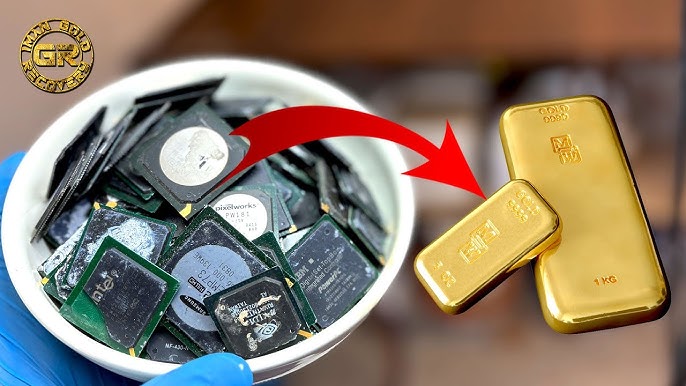
Have you ever wondered if there’s hidden treasure right in your old electronics? You might not realize it, but the gadgets you use every day could be a goldmine—literally.
With the rapid evolution of technology, many of us have old, unused devices gathering dust at home. What if you could turn those forgotten items into something valuable? By learning how to recover gold from electronics at home, you can not only clear out your clutter but also find a practical way to cash in on what you already have.
Imagine the satisfaction of extracting gold from your outdated tech, all from the comfort of your own home. It’s easier than you think and surprisingly rewarding. Intrigued? Read on to discover the step-by-step process and find out how you can make the most of your electronic waste.
Why Recover Gold From Electronics
Recovering gold from electronics is more than just a hobby or a way to make some extra cash. It taps into a valuable resource hidden in everyday devices, turning what many see as junk into something useful. Understanding why you should recover gold from electronics can motivate you to look at old gadgets differently and take action.
Value Of Gold In Devices
Gold is a highly conductive metal that doesn’t corrode or tarnish, making it ideal for electronic connectors and circuits. Even small amounts in devices like smartphones or computers can add up to a significant value.
Did you know that one ton of circuit boards can contain up to 800 grams of gold? That’s worth a lot more than raw gold ore. By recovering gold at home, you tap into this hidden wealth without needing a mining license or heavy machinery.
Common Electronics With Gold
Not all electronics have the same gold content. Devices with high-performance processors or connectors often contain more gold.
- Old smartphones and tablets
- Desktop and laptop computers
- DVD players and gaming consoles
- Printed circuit boards (PCBs) from various gadgets
Even broken or outdated devices can be a goldmine if you know where to look. Have you ever checked your drawer full of old phones? You might be sitting on a small fortune.
Environmental Benefits
Recovering gold at home helps reduce electronic waste. Instead of tossing devices into landfills, you give them a second life by extracting valuable materials.
This process lowers the demand for new gold mining, which often causes environmental damage like habitat destruction and water pollution. When you recycle gold, you shrink your carbon footprint and support a cleaner planet.
Would you choose to recycle and recover gold if it meant protecting the environment and earning money? It’s a win-win that you can control from your own home.

Credit: www.youtube.com
Tools And Materials Needed
Recovering gold from electronics requires specific tools and materials. These help ensure the process is safe and effective. Preparing your workspace with the right items is important before starting.
Gathering the proper tools also helps avoid damage to the electronics. It makes the gold extraction process smoother and cleaner. Below are the essential items for this task.
Protective Gear
- Safety gloves to protect your hands from chemicals
- Protective goggles to shield your eyes from splashes
- Face mask or respirator to avoid inhaling fumes
- Long-sleeve clothing to cover exposed skin
- Well-ventilated work area or fume extractor
Basic Tools
- Small screwdriver set for opening electronic devices
- Tweezers to handle tiny components
- Plastic containers for soaking parts
- Non-metallic stirring sticks for mixing solutions
- Fine mesh strainer or sieve to separate materials
- Heat source like a hot plate or stove for drying
Chemicals And Solutions
- Aqua regia (a mix of hydrochloric and nitric acid) for dissolving gold
- Hydrogen peroxide to aid the chemical reaction
- Baking soda or sodium metabisulfite for neutralizing acids
- Distilled water for rinsing and diluting chemicals
- Activated carbon or other filtering materials for purification
Preparing Electronics For Recovery
Preparing electronics for gold recovery requires care and attention. Proper preparation helps in safely accessing valuable gold parts inside devices. It also makes the recovery process easier and more effective. Follow these steps for a smooth start.
Disassembling Devices
Begin by unplugging the device and removing batteries. Use screwdrivers to open the casing carefully. Keep screws and small parts organized in containers. Avoid breaking or bending components to preserve gold parts. Separate circuit boards, connectors, and chips for further processing.
Identifying Gold Components
Look for parts with thin gold plating or contacts. Common gold areas include:
- Edge connectors on circuit boards
- CPU pins and memory modules
- Finger contacts on SIM cards and chips
- Connector pins and plating on cables
Gold usually appears as a shiny yellow layer. Use a magnifying glass to spot small gold parts clearly.
Safety Precautions
Wear gloves to avoid skin contact with chemicals and dust. Work in a well-ventilated area to reduce fumes. Use eye protection to guard against splashes and debris. Handle tools and chemicals carefully to prevent injuries. Keep children and pets away from the workspace.
Simple Methods To Extract Gold
Extracting gold from electronics at home can be simple and effective. These methods do not require expensive tools. They allow you to recover small amounts of gold safely. Understanding each process helps choose the best fit for your situation. Use safety gear and follow instructions closely.
Manual Separation
Manual separation involves physically removing gold parts from electronic devices. Look for gold-plated connectors, pins, and circuit boards. Use small tools like pliers and screwdrivers. Carefully pry out these components without breaking them. This method is safe and requires no chemicals. It works best for beginners and small projects.
Chemical Bath Process
The chemical bath process uses simple household chemicals to dissolve metals around gold. Mix chemicals like vinegar, salt, or mild acids. Soak the gold-containing parts in the solution for several hours. The other metals dissolve, leaving gold behind. Rinse and dry the gold pieces carefully after treatment. Always wear gloves and work in a well-ventilated area during this process.
Electrochemical Techniques
Electrochemical techniques use electricity to separate gold from other metals. Set up a small electrolysis tank with a power source. Place the electronic parts in the tank as the anode. Use a cathode made of a conductive material to attract gold particles. When electricity flows, gold deposits on the cathode. This method is precise and recovers very pure gold. It requires some basic understanding of electrical circuits.
Purifying And Refining Gold
Purifying and refining gold recovered from electronics is a crucial step to ensure you end up with a clean, usable product. The gold you extract initially often contains impurities and other metals. Removing these will give you pure gold that you can confidently use or sell.
Cleaning Residues
After extracting gold, you’ll notice it still has residues like flux, solder, or other metals stuck to it. Use a gentle acid bath, such as diluted nitric acid, to dissolve unwanted materials without harming the gold. Always wear gloves and work in a well-ventilated area to protect yourself from fumes.
Rinse the gold thoroughly with distilled water after cleaning to remove any acid traces. This step prevents contamination during melting and ensures your gold stays pure. Have you ever tried cleaning gold and been surprised by how much debris can cling to it?
Melting And Molding
Once clean, melt your gold using a small propane torch or a specialized melting furnace. Place the gold in a crucible designed for high temperatures to avoid damage. Heat until the gold liquefies—typically around 1064°C (1947°F).
Pour the molten gold carefully into a mold to form bars or ingots. This not only makes handling easier but also prepares the gold for storage or sale. Using graphite molds can give you smooth, professional-looking bars without much effort.
Testing Purity
After refining, test the purity of your gold to know exactly what you have. You can use acid test kits, electronic gold testers, or even send a sample to a professional assay lab. Each method varies in accuracy and cost, so choose what fits your needs and budget.
Knowing the purity helps you determine the value of your gold. It also ensures you avoid surprises if you decide to sell. Have you thought about how purity testing might change your approach to refining?
Safety Tips And Waste Disposal
Recovering gold from electronics can be rewarding, but it comes with serious safety considerations. Handling chemicals and waste improperly risks harm to you and the environment. Paying close attention to safety tips and waste disposal protects your health and ensures your project stays safe and responsible.
Handling Chemicals Safely
Chemicals used in gold recovery, like acids or solvents, are hazardous. Always work in a well-ventilated area or outdoors to avoid inhaling fumes. Wearing gloves and eye protection is essential—never underestimate how quickly a splash can cause injury.
Keep chemicals in clearly labeled containers to prevent accidental mixing. I learned this the hard way when a small spill caused a strong reaction—having a neutralizer like baking soda nearby saved the day. Do you have a safe spot in your home to store these materials away from children and pets?
Disposing Of Waste Properly
Waste from gold recovery often contains toxic substances and heavy metals. You can’t just pour it down the drain or throw it in the trash. Instead, collect all liquid and solid waste separately and check your local hazardous waste disposal guidelines.
Many communities offer special collection days or facilities for hazardous waste. If you’re unsure, contact your local waste management authority. I once held onto my waste in sealed containers until I found a proper disposal site—don’t rush this step, as improper disposal harms waterways and soil.
Protecting Your Health
Your health is your greatest asset during this process. Wearing a mask to avoid breathing in dust or fumes can prevent long-term damage. Avoid eating or drinking near your workspace to stop accidental ingestion of harmful substances.
Wash your hands thoroughly after handling materials, even if you wore gloves. I found that setting up a simple hand-washing station nearby kept me safe and reminded me to be careful. How often do you think about the invisible risks in your DIY projects?
Maximizing Gold Recovery
Maximizing gold recovery from electronics at home requires more than just the right tools; it’s about being strategic with your resources and processes. By focusing on gathering sufficient materials, reusing leftover components, and safely storing your extracted gold, you can increase both the quantity and quality of your yield. These steps help you make the most out of every scrap and avoid unnecessary waste.
Collecting Enough Materials
Your success depends heavily on the volume of electronics you process. Small amounts yield only tiny traces of gold, which may not be worth the effort or chemicals involved. Aim to collect several old circuit boards, connectors, or outdated gadgets before starting your extraction.
Consider asking friends or local repair shops if they have unwanted electronics. This way, you won’t just rely on your own devices, and you’ll accumulate enough material to make your work efficient and rewarding.
Recycling Leftover Components
After extracting gold, many components still contain valuable metals like silver, copper, or palladium. Don’t throw these away. Instead, separate and recycle them properly or save them for future extractions.
I once tossed out leftover circuit scraps only to realize later they still had recoverable metals. Keeping these parts organized in labeled containers helped me avoid waste and increased my overall metal recovery rate significantly.
Storing Extracted Gold
Pure gold is soft and can easily get lost or contaminated if not stored properly. Use small, airtight containers or plastic vials to keep your gold flakes or powder safe.
Label each container with the extraction date and source material to track your progress and maintain order. Proper storage not only protects your gold but also makes it easier to sell or repurpose later.

Credit: www.youtube.com

Credit: www.youtube.com
Frequently Asked Questions
How Can I Safely Extract Gold From Electronics At Home?
Use protective gear like gloves and goggles. Disassemble devices carefully. Use non-toxic chemicals like vinegar or baking soda for cleaning. Avoid harsh acids to prevent harm. Always work in a ventilated area to ensure safety during the process.
Which Electronic Parts Contain The Most Gold?
Gold is mainly found in connectors, circuit boards, CPU pins, and memory chips. These parts have thin gold plating for conductivity. Focusing on these components increases the chances of successful gold recovery at home.
What Tools Are Needed To Recover Gold From Electronics?
You need basic tools like screwdrivers, pliers, a container, and protective gloves. Optional tools include a small heating element and chemicals like nitric acid alternatives. Proper tools make the process safer and more efficient.
Is Recovering Gold From Electronics Profitable?
Small-scale recovery yields minimal gold, making profits low. However, collecting large quantities of electronic waste can increase earnings. The process is more rewarding as a recycling effort than a primary income source.
Conclusion
Recovering gold from electronics at home takes care and patience. Use the right tools and follow safety steps closely. Small amounts of gold add up over time. This process helps reduce waste and saves money. Always handle chemicals carefully to avoid harm.
Keep learning and practicing to improve your results. Recycling electronics benefits both you and the environment. Give it a try and see the value you can find. Safe and steady work brings the best outcome.


