

Imagine a world where you can track your health, stay connected with loved ones, and even enhance your daily routine—all with just a few taps on your wrist. Wearable technology is not just about gadgets; it’s about transforming lives.
Have you ever wondered how these tiny devices are reshaping the society you live in? From fitness trackers to smartwatches, the impact is profound and far-reaching. You might be surprised by how much these innovations influence your daily life, your health, and even your social interactions.
Curious to know more? Dive in as we explore how wearable technology is influencing the world around you, and how it might just be the key to unlocking a smarter, more connected future.
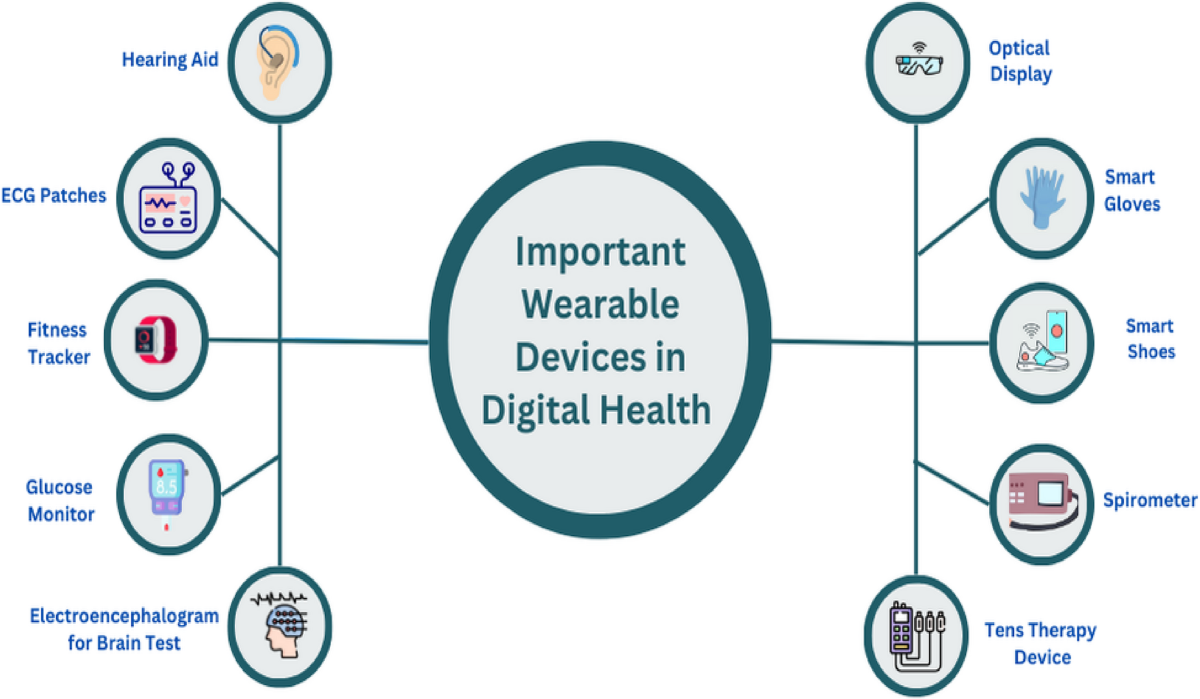
Credit: journalofcloudcomputing.springeropen.com
Rise Of Wearable Technology
Wearable technology has become a significant part of daily life, changing how you interact with the world. Its rise is not just about gadgets but about new habits and possibilities. Think about how often you check your smartwatch or fitness tracker—these devices have become extensions of yourself.
Evolution Of Wearables
Wearable technology started with simple devices like digital watches and basic fitness bands. Over the years, it evolved into smartwatches, glasses, and even clothing embedded with sensors. This evolution reflects advances in miniaturization, connectivity, and battery life.
Remember the first time you used a wearable that tracked your steps or heart rate? That small feature might have sparked a change in how you view your health. Today, wearables do much more—they monitor sleep, provide notifications, and even assist in medical diagnoses.
Popular Devices Today
Right now, several wearable devices dominate the market, each designed to fit different needs and lifestyles. Here are some of the most popular:
- Smartwatches:Apple Watch, Samsung Galaxy Watch, and Fitbit Versa offer health tracking, apps, and communication tools right on your wrist.
- Fitness Trackers:Devices like Fitbit Charge and Garmin Vivosmart focus on activity and health metrics, helping you stay motivated.
- Smart Glasses:Products like Ray-Ban Stories and Google Glass provide augmented reality features and hands-free access to information.
- Wearable Medical Devices:Continuous glucose monitors and heart rate monitors help people manage chronic conditions more effectively.
What do you want from your wearable? Is it fitness motivation, health monitoring, or convenience? Your choice shapes how wearable tech impacts your daily life and society at large.
Impact On Health And Fitness
Wearable technology has changed how people care for their health and fitness. It helps users track their bodies and habits every day. This technology offers real-time data and feedback. It makes health management easier and more personal. People can make small changes that improve their wellbeing over time.
Monitoring Vital Signs
Wearables track key health indicators like heart rate, sleep, and blood oxygen levels. This data helps users understand their physical state throughout the day. It also alerts them to unusual changes that may need attention. Continuous monitoring supports early detection of potential health problems. Doctors can use this information to provide better care.
Encouraging Active Lifestyles
Many devices motivate users to move more and sit less. They set daily goals and remind users to stay active. Some offer rewards or challenges to keep motivation high. This encouragement helps people form healthy habits. It makes exercise feel more fun and achievable for everyone.
Managing Chronic Conditions
Wearables assist people with long-term health issues by tracking symptoms and medication use. They provide reminders to take medicine on time. Devices can share data with healthcare providers for better treatment plans. This support improves quality of life and helps avoid emergencies.
Enhancing Communication
Wearable technology is changing how you communicate every day. It makes staying connected easier and more natural, fitting smoothly into your daily life. This section looks at two key ways wearables boost your communication: seamless connectivity and hands-free interactions.
Seamless Connectivity
Wearable devices keep you linked to your world without interrupting your flow. Whether you’re jogging, working, or cooking, your smartwatch or earbuds deliver messages and calls instantly. This constant connection means you never miss important updates, even when your phone is out of reach.
Think about how quickly you can reply to a text via voice command or glance at a notification without pulling out your phone. This uninterrupted access to communication helps you stay productive and responsive. How often do you find yourself ignoring calls because your phone is buried in a bag or pocket?
Hands-free Interactions
Wearables let you communicate without using your hands, freeing you to focus on other tasks. Voice assistants on smartwatches or earbuds allow you to send texts, make calls, or check emails while your hands are busy. This hands-free approach makes multitasking smoother and safer, especially when driving or exercising.
Imagine responding to a work email while cooking dinner or setting a reminder during a workout without stopping. This kind of interaction reduces friction between you and your communication tools. What tasks could you handle more efficiently if your hands were always free?
Influence On Work And Productivity
Wearable technology shapes how people work and stay productive. It changes daily routines and helps meet goals faster. Small devices on the body send data and keep users connected. These tools support better focus, teamwork, and time use. Workplaces adapt to new tech for smoother operations and happier staff.
Remote Collaboration
Wearables allow teams to connect without being in the same place. Smartwatches and headsets send messages and alerts quickly. Workers join meetings using voice or video on their devices. Sharing files and ideas happens fast, reducing delays. These tools help teams stay in sync anytime, anywhere.
- Instant notifications keep everyone updated.
- Hands-free communication boosts multitasking.
- Easy access to calendars and schedules.
Time Management Tools
Wearable devices track how time is spent throughout the day. They send reminders for breaks and important tasks. Users can set goals and monitor progress in real time. This helps reduce distractions and improve focus. Better time control leads to higher output and less stress.
- Alarms remind users of deadlines.
- Activity tracking promotes healthy work habits.
- Task lists organize daily priorities.
Privacy And Security Concerns
Wearable technology has become a daily companion for many, offering convenience and new ways to monitor health and activity. Yet, this convenience often comes at a price—your privacy and security. Understanding the risks and how to safeguard your personal information is crucial in today’s connected world.
Data Collection Risks
Wearable devices gather vast amounts of data about your body, habits, and location. This data can reveal sensitive details like your health conditions, routines, and even emotional states. Have you ever considered who can access this data beyond the device manufacturer?
Hackers and unauthorized third parties may exploit vulnerabilities in wearable devices to steal personal information. Even companies might use this data for targeted advertising or sell it to others without your clear consent. Such risks highlight the importance of knowing what data your device collects and how it is used.
Protecting Personal Information
You have control over your data privacy if you take the right steps. Start by reviewing the privacy settings on your wearable device and app—disable any data sharing options you don’t need. Always use strong, unique passwords and enable two-factor authentication when available.
Regularly update your device’s software to fix security flaws. Be cautious about connecting your wearable to public Wi-Fi networks, which can expose your data to interception. Remember, your personal information is valuable—treat it with the same care you would your wallet or keys.
Credit: blog.stackademic.com
Fashion And Personal Expression
Wearable technology has transformed from mere gadgets into powerful tools for fashion and personal expression. These devices now blend seamlessly with your style, allowing you to make a statement beyond functionality. How often do you find yourself choosing a wearable not just for its features but because it matches your personality or outfit?
Wearables As Style Statements
Wearables have become more than fitness trackers or smartwatches—they are now accessories that define your look. People pick wearables that reflect their mood, taste, or even their professional identity. For instance, a sleek metal smartwatch can complement a business suit, while a colorful fitness band pairs perfectly with casual wear.
Many users treat their wearables like jewelry or fashion pieces, using them to stand out or blend in. This shift encourages brands to focus on design as much as technology, resulting in products that appeal to diverse fashion senses. When you wear a device that feels like part of your style, it boosts your confidence and personal expression.
Customization Options
Customization is key to turning wearables into personal style statements. You can swap bands, change watch faces, or add skins and covers to match your outfit or mood. These options give you control over how your wearable looks every day.
Some brands even offer bespoke services where you can select materials, colors, and engravings to make your device truly one-of-a-kind. Think about how small changes, like a leather strap instead of silicone, can shift your wearable from sporty to elegant instantly.
- Interchangeable bands let you adapt your wearable for work, workouts, or nights out.
- Digital watch faces can be customized with colors, widgets, and designs that fit your personality.
- Accessories like charms or decals add a unique flair to your device.
Have you experimented with customizing your wearable to match different aspects of your life? How did it change the way you feel about the device?
Future Trends And Innovations
The future of wearable technology holds exciting possibilities. New trends and innovations will change how people use these devices daily. These advancements aim to make wearables smarter, more comfortable, and more helpful. The next wave of development focuses on combining artificial intelligence and improving materials.
Integration With Ai
Artificial intelligence will make wearable devices more intuitive. AI can analyze user data to provide personalized insights. Devices will learn habits and suggest healthy actions. Voice assistants will become more responsive and natural. Real-time health monitoring will predict potential issues early. AI will improve device accuracy and battery life too.
Advancements In Wearable Materials
New materials will make wearables lighter and more flexible. Fabrics with sensors will blend seamlessly into clothing. These materials will resist water, sweat, and dirt better. Skin-friendly options will reduce irritation and improve comfort. Energy-harvesting materials could extend battery life. Innovations will allow wearables to stretch or bend without damage.

Credit: www.otandp.com
Frequently Asked Questions
How Does Wearable Technology Improve Health Monitoring?
Wearable technology tracks vital signs like heart rate and sleep patterns. It enables early detection of health issues and promotes healthier lifestyles through real-time feedback and data analysis.
What Impact Do Wearables Have On Daily Productivity?
Wearables increase productivity by providing quick access to notifications and reminders. They help users manage time effectively and maintain focus without constantly checking smartphones.
Can Wearable Devices Enhance Social Connectivity?
Yes, wearables foster social interaction by enabling instant communication and sharing of fitness goals. They encourage community engagement and support through connected apps and social platforms.
How Does Wearable Technology Influence Privacy Concerns?
Wearables collect sensitive personal data, raising privacy risks. Users must understand data sharing policies and use security features to protect their information.
Conclusion
Wearable technology changes how people live and work daily. It helps track health, stay connected, and improve safety. Some worry about privacy and too much screen time. Still, many enjoy the convenience and new options it brings. Society adapts as these devices grow more common.
The future will show even more ways wearables shape life. The key lies in using them wisely and balancing benefits with risks.


