
Have you ever wondered what counts as wearable technology—and more importantly, what doesn’t? You probably use devices every day that fit into the wearable category without even thinking about it.
But can you spot what’s not wearable tech? Understanding this can help you make smarter choices about the gadgets you rely on. Keep reading, and you’ll discover surprising examples that don’t belong in your wearable tech collection—and why that matters to you.
Credit: www.bgosoftware.com
Common Wearable Technologies
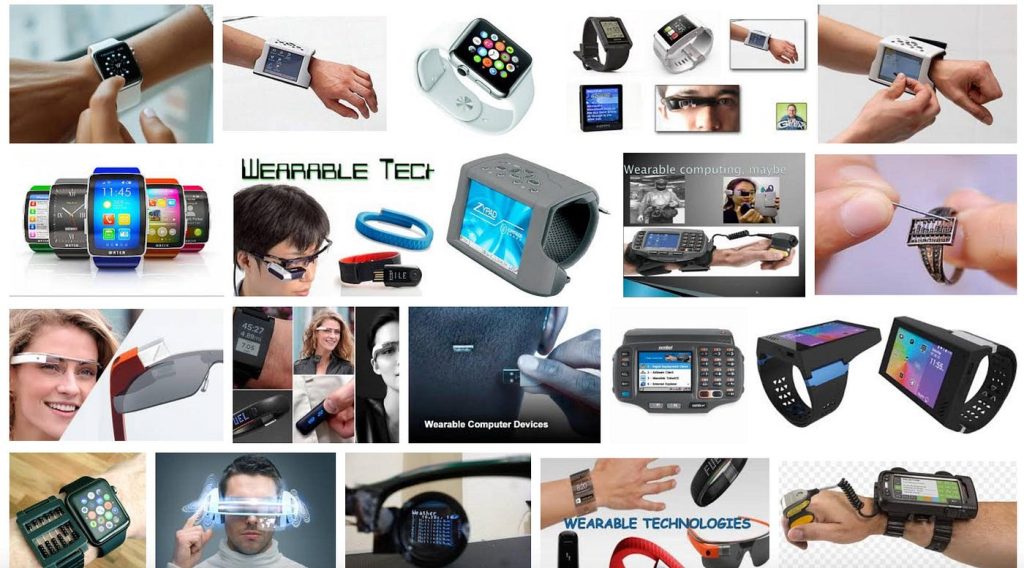
Wearable technology refers to devices you can wear that connect to the internet or other devices. These gadgets collect data, track activities, or provide hands-free access to information. Many types of wearable tech exist, each with unique functions for daily use or special needs.
Smartwatches And Fitness Trackers
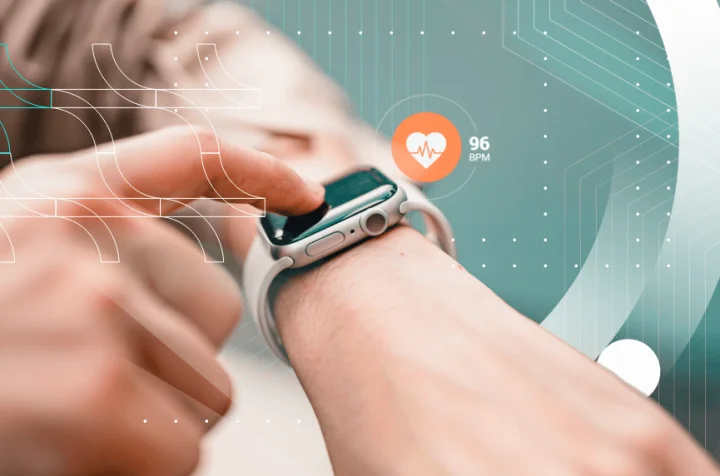
Smartwatches show time and offer apps for calls, messages, and weather updates. Fitness trackers focus on health, counting steps, heart rate, and calories burned. Both help users stay active and monitor health easily.
Smart Glasses
Smart glasses combine eyewear with digital features like cameras or displays. They show notifications or help with navigation while keeping hands free. These glasses blend technology with everyday vision.
Wearable Medical Devices
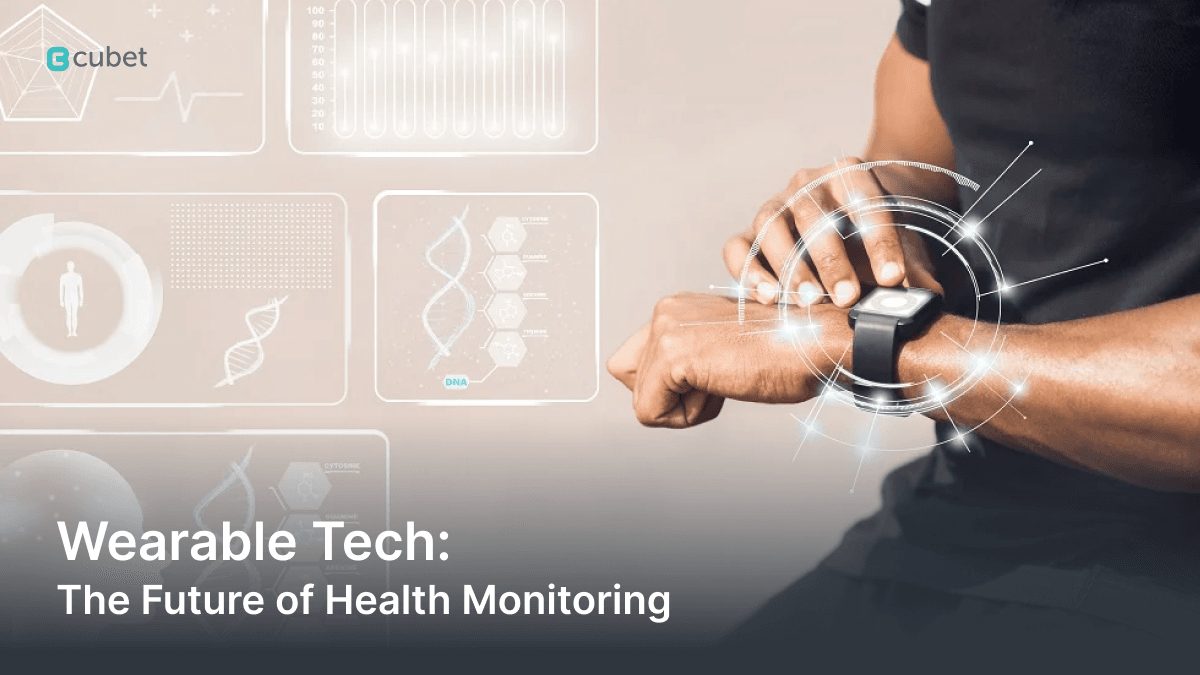
Wearable medical devices track vital signs like blood pressure and glucose levels. They help patients and doctors monitor health continuously. These devices improve care and offer real-time data for better decisions.
Credit: cubettech.com
Unexpected Non-wearable Items
Wearable technology often brings to mind gadgets worn on the body, like smartwatches or fitness bands. Some devices look like wearables but do not fit the category. These items may seem wearable but actually do not qualify as wearable technology.
Such unexpected non-wearable items often confuse people. Recognizing them helps better understand what wearable technology truly means.
Smart Home Devices
Smart home devices control lighting, security, or temperature in houses. They include smart speakers, thermostats, and cameras. These devices are not worn on the body. They are fixed in homes and cannot track personal health or activity. Their function is different from wearable technology.
Handheld Gadgets
Handheld gadgets like smartphones or portable gaming consoles are often mistaken as wearables. They are carried, not worn. These devices require constant handling and are not attached to clothing or the body. Their main use is communication or entertainment, not health or fitness monitoring.
Embedded Technology In Clothing
Technology embedded in clothing, like LED lights or sensors, can confuse people. However, if the technology is not directly attached to the body or designed to track health, it is not wearable tech. These embedded items are part of the fabric, not independent wearable devices. The technology must be functional and interactive to qualify as wearable.
Wearable Vs Non-wearable Criteria
Understanding the difference between wearable and non-wearable technology can change how you interact with your gadgets. It’s not always obvious which devices count as wearable tech and which don’t. Let’s break down the criteria that set them apart, so you can spot the difference easily.
Definition Of Wearable Tech
Wearable technology refers to electronic devices designed to be worn on the body. These gadgets often track health, fitness, or provide communication features while staying connected to your daily life.
Think of a smartwatch or fitness tracker that you wear all day. They collect data without interrupting your routine. The key is that these devices are physically attached to you, making them part of your personal tech.
How To Differentiate Devices
Ask yourself: does the device need to be worn directly on your body to function? If yes, it’s likely wearable tech. If it sits on a desk or inside your home, it’s probably not.
- Wearable:Smart glasses, fitness bands, VR headsets, and smart rings.
- Non-Wearable:Smartphones, laptops, home assistants, and TVs.
Some devices blur the line. For example, earbuds are worn, but their primary function is audio playback rather than tracking or communication. Does that make them wearable tech or just personal audio devices? Your perspective matters.
Next time you pick up a device, think about how it fits into your life physically and functionally. Will you wear it, or just use it nearby? This simple question helps clarify whether it’s wearable technology or not.
Common Misconceptions
Many people confuse certain gadgets with wearable technology. This confusion arises from how these devices look or function. Understanding what is not wearable tech clears up these common mistakes.
Tech That Looks Wearable But Isn’t
Some devices look like wearables but do not fit the true definition. For example, bulky health monitors or handheld gadgets may seem wearable. Yet, they are not worn on the body continuously. They lack the convenience and integration of true wearables. Appearance alone does not make technology wearable.
Devices Often Confused With Wearables
- Smartphones: Portable but not worn on the body.
- Tablets: Used on the go but not worn.
- VR Headsets: Wearable but mainly for short use, not everyday wear.
- Fitness Equipment: Monitors health but is not worn.
These devices serve important roles but are not classified as wearable technology. Real wearables must be small, light, and worn comfortably for long periods.
Future Trends And Blurred Lines
The future of wearable technology is exciting yet complex. The lines between what counts as wearable tech and what does not are becoming less clear. Devices are evolving, combining features and functions in new ways. This evolution challenges simple definitions and categories.
Some gadgets may look like wearables but serve different purposes. Others blend with everyday objects, making it hard to label them clearly. This shift affects how users interact with technology and how we classify devices.
Advances In Wearable Tech
Wearable technology is growing smarter and smaller. Sensors track health metrics with better accuracy. Battery life improves, allowing longer use without charging. Materials become more flexible and comfortable to wear.
New software helps devices learn user habits. This leads to personalized feedback and alerts. These advances push wearables beyond basic functions. They offer deeper insights into health, fitness, and lifestyle.
Hybrid Devices And Emerging Categories
Hybrid devices mix features of wearables with other tech forms. Smart glasses combine augmented reality with health monitoring. Jewelry now includes tracking sensors hidden in stylish designs.
Clothing with built-in sensors tracks movement and temperature. These wearables blur lines between fashion and technology. Emerging categories include implantables and smart accessories.
The overlap creates new challenges in defining wearable tech. Some devices may not fit classic definitions but still count as wearables. The future will likely bring more hybrids and new forms.

Credit: medium.com
Frequently Asked Questions
What Devices Are Not Considered Wearable Technology?
Devices like smartphones, laptops, and desktop computers are not wearable technology. Wearables must be worn on the body, unlike these gadgets.
Why Are Traditional Headphones Not Wearable Technology?
Traditional headphones are not wearable tech because they lack smart features and connectivity. Wearables offer more than audio playback.
Can Smart Home Devices Be Wearable Technology?
No, smart home devices like smart speakers are not wearable. They stay in one place and are not worn on the body.
Is A Fitness Tracker The Only Wearable Technology Example?
No, wearables include smartwatches, AR glasses, and health monitors, not just fitness trackers. These devices provide diverse functions.
Conclusion
Wearable technology includes devices worn on the body that connect to the internet or track data. Items like smartwatches and fitness bands fit this category. Things not worn on the body, such as smartphones or laptops, do not count as wearable tech.
Understanding this helps avoid confusion when choosing gadgets. Remember, wearables focus on convenience and personal use. Knowing what is not wearable technology keeps your knowledge clear and useful. This makes it easier to find the right device for your needs.


