
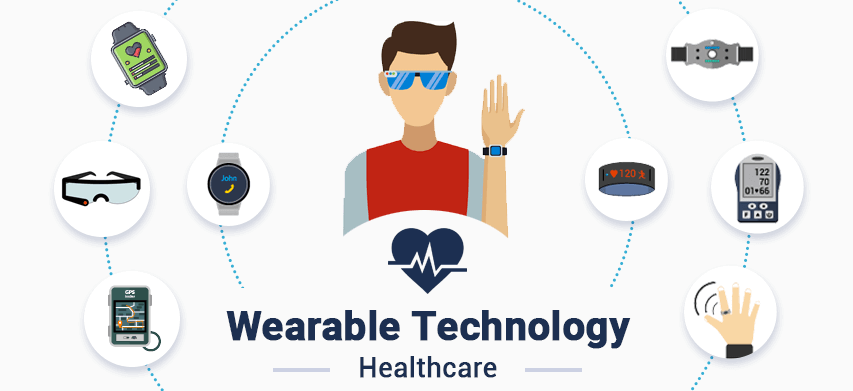
Imagine having a tool that keeps track of your health every second, alerts you before a problem arises, and helps your doctor provide better care. Wearable technology can do just that.
But how can you, as a patient or healthcare provider, start using these smart devices effectively? This article will guide you through simple, practical ways to adopt wearable technology in healthcare. By the end, you’ll understand how these devices can improve your health and make medical care smarter and more personal.
Ready to discover how wearables can change your health journey? Keep reading!
Wearable Tech In Healthcare
Wearable technology is reshaping healthcare by offering new ways to monitor and manage health outside traditional clinical settings. These devices collect real-time data, helping both patients and healthcare providers make informed decisions quickly. As you think about your own health, consider how wearable tech might fit into your daily routine to provide timely insights and support.
Current Trends
Wearable tech in healthcare is growing beyond simple fitness trackers. Devices now measure heart rate variability, blood oxygen levels, and even detect irregular heartbeats. This shift means you can spot potential health issues early, sometimes before symptoms appear.
Remote patient monitoring is becoming more common, especially for chronic conditions like diabetes and hypertension. Wearables connect directly to healthcare providers, allowing continuous data sharing without frequent office visits. This approach saves time and reduces stress for you and your care team.
Another trend is personalized health coaching through wearables. Some devices use AI to analyze your data and offer tailored advice. Imagine getting daily tips based on your unique patterns rather than generic recommendations.
Types Of Devices
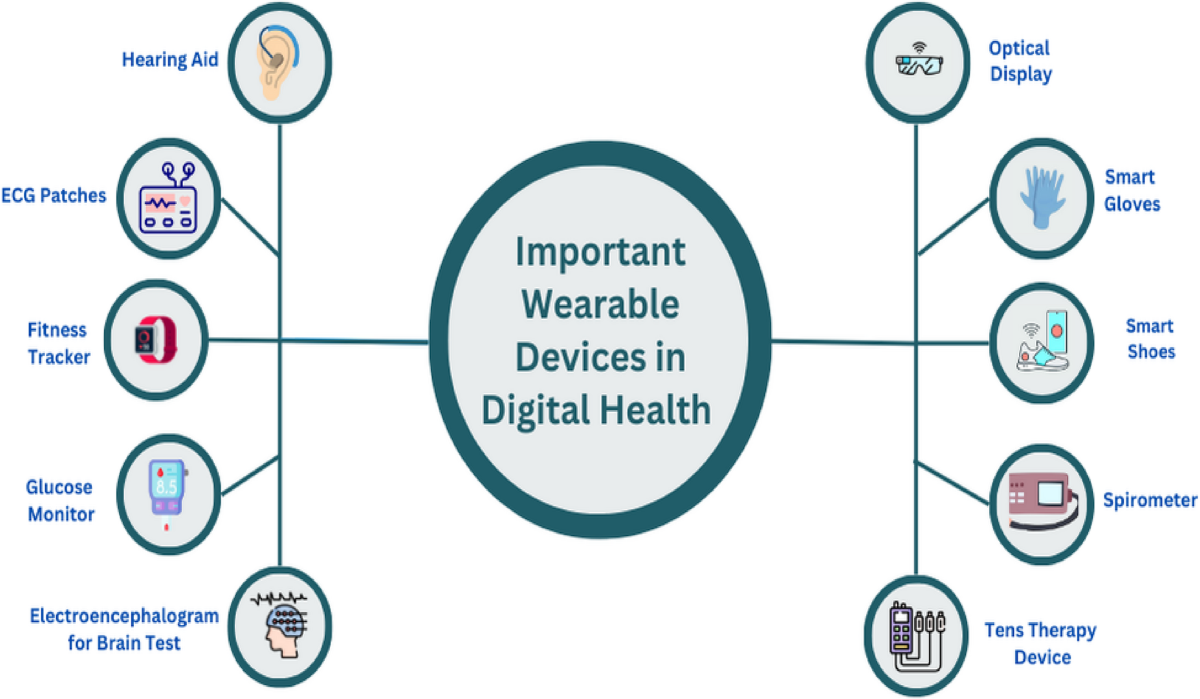
- Fitness Trackers:Basic devices that track steps, sleep, and calories. They motivate you to stay active and improve lifestyle habits.
- Smartwatches:Offer advanced health metrics like ECG, blood oxygen, and stress monitoring. They also remind you to take medication or move after long sitting periods.
- Wearable ECG Monitors:Provide continuous heart rhythm tracking, crucial for patients with arrhythmias. These devices can alert you and your doctor to irregularities immediately.
- Glucose Monitors:Non-invasive or minimally invasive tools that track blood sugar levels in real time. Essential for diabetes management without frequent finger pricks.
- Wearable Blood Pressure Monitors:Help you keep daily tabs on your blood pressure trends, offering insights beyond occasional doctor visits.
What type of wearable device do you think would best fit your health needs? Understanding the options can help you choose tools that truly enhance your wellbeing.
Key Innovations
Wearable technology is changing healthcare with smart, new tools. These tools help doctors and patients by making health data easy to collect and use. Key innovations in this field are making care faster and more personal. They help track health, analyze data, and improve treatments.
Remote Patient Monitoring
Wearable devices allow doctors to watch patients from a distance. Sensors track vital signs like heart rate and blood pressure. This data is sent straight to healthcare providers. Patients can stay home and still get good care. It reduces hospital visits and helps catch problems early.
Real-time Data Analytics
Wearables collect lots of health data every second. Real-time analytics process this data quickly. It helps doctors see changes as they happen. Alerts can notify patients about health risks fast. This makes treatment more timely and precise. Data shows trends that guide better decisions.
Ai Integration
Artificial intelligence works with wearables to improve care. AI studies data to spot patterns and predict issues. It personalizes health advice based on each patient’s needs. AI helps in diagnosing diseases earlier and more accurately. It supports doctors with smart tools for better care.
Benefits For Patients
Wearable technology offers many benefits for patients in healthcare. It helps improve health monitoring and care. Patients get more control over their health. This technology makes healthcare more precise and personal. It also encourages patients to take active roles in managing their health.
Improved Diagnosis
Wearables collect real-time health data continuously. This helps doctors spot problems early. They can detect irregular heartbeats, sleep issues, or blood sugar changes. Early detection leads to faster treatment. It reduces the risk of serious complications.
Personalized Treatment
Wearable devices provide detailed information about each patient. Doctors use this data to tailor treatments. Patients receive care that fits their unique needs. This approach improves treatment effectiveness. It avoids one-size-fits-all methods.
Enhanced Engagement
Wearables motivate patients to stay active and healthy. They track steps, heart rate, and calories burned. Patients see their progress in real time. This keeps them motivated and involved. It encourages healthier lifestyle choices and better habits.
Credit: journalofcloudcomputing.springeropen.com
Challenges In Adoption
Adopting wearable technology in healthcare sounds promising, but it’s not without its hurdles. Challenges range from protecting sensitive information to navigating complex rules. Understanding these obstacles helps you prepare better for integrating wearables into your healthcare routine or practice.
Data Privacy Concerns
Your health data is deeply personal, and wearables collect a lot of it. This raises big questions about who can access this information and how securely it’s stored.
Many users worry about data breaches or unauthorized sharing with third parties. Healthcare providers must ensure strict encryption and clear privacy policies to build trust.
Think about this: would you feel comfortable sharing your heartbeat and sleep patterns if you weren’t sure how that data would be handled? Transparency is key to overcoming these fears.
Technical Limitations
Wearable devices often face issues like limited battery life and inconsistent data accuracy. These technical gaps can frustrate both patients and healthcare professionals.
Imagine relying on a device to monitor your heart rate, only to find it occasionally skips readings or drains quickly. Such problems can lead to missed or incorrect health assessments.
To improve adoption, manufacturers and healthcare providers need to focus on making these devices more reliable and user-friendly.
Regulatory Hurdles
Healthcare wearables must comply with strict regulations to ensure safety and effectiveness. Navigating these rules can slow down the introduction of new devices.
Different countries have varied standards, which complicates global deployment. For example, a wearable approved in one region might need extensive re-evaluation elsewhere.
Are you aware of the regulatory requirements your wearable device must meet? Understanding these can help you choose products that meet high-quality standards and avoid legal pitfalls.
Implementation Strategies
Implementing wearable technology in healthcare requires clear strategies that address both technical and human factors. Success depends on how well healthcare providers and patients adapt to these new tools. Focusing on training, system integration, and patient education can make the difference between a seamless transition and frustrating setbacks.
Training Healthcare Professionals
Your team needs more than just basic knowledge to use wearable tech effectively. Training should focus on interpreting data accurately and integrating insights into patient care plans. Hands-on workshops and real-life simulations help professionals feel confident rather than overwhelmed.
Consider regular refresher courses to keep skills sharp as devices and software update frequently. Have you ever struggled with a new gadget because no one showed you how to use it properly? Avoid that by investing in thorough training upfront.
Integrating With Existing Systems
Wearable devices generate valuable data, but it’s only useful if it fits smoothly into your current healthcare systems. Ensure compatibility between wearables and electronic health records (EHR) to prevent data silos. This integration allows you to monitor patient progress without toggling between multiple platforms.
Ask yourself: does your current system support real-time data sharing? If not, prioritize upgrades or middleware solutions that bridge gaps. Remember, a disconnected system wastes time and reduces the impact of wearable technology.
Patient Education
Patients will only benefit from wearable tech if they understand how to use it and why it matters. Clear instructions and ongoing support are essential. Use simple language, visuals, and follow-up sessions to keep patients engaged.
Encourage questions and provide real-world examples of how wearables improve health outcomes. Think about the last time you ignored a device because it felt too complicated—your patients might feel the same. Help them see wearables as partners in their health journey, not just gadgets to wear.
Credit: blog.stackademic.com
Future Prospects
The future of wearable technology in healthcare holds great promise. These devices will offer more than just fitness tracking. They will become essential tools for doctors and patients alike. Wearables will help detect health issues earlier and support ongoing care outside hospitals. The blend of technology and medicine will enhance how we manage health every day.
Wearables And Telemedicine
Wearable devices will work closely with telemedicine platforms. Patients can share real-time health data with doctors remotely. This makes virtual visits more effective and personalized. Doctors can monitor vital signs and adjust treatments quickly. It reduces the need for frequent hospital visits. Patients will feel more connected and cared for from home.
Advanced Sensors
New sensors will detect a wider range of health indicators. These include blood sugar, hydration, and even stress levels. Sensors will become smaller and more accurate. They will track subtle changes in the body continuously. This data helps predict health problems before symptoms appear. Advanced sensors will make wearables a powerful tool for early diagnosis.
Long-term Health Monitoring
Wearables will support long-term health tracking for chronic conditions. Patients with diabetes, heart disease, or asthma can benefit greatly. Continuous monitoring helps manage symptoms and prevent emergencies. Data collected over months or years will offer deep insights. Healthcare providers can create better treatment plans based on this data. Long-term monitoring will improve quality of life and health outcomes.
Credit: www.otandp.com
Frequently Asked Questions
What Are The Benefits Of Wearable Technology In Healthcare?
Wearable technology improves patient monitoring, increases data accuracy, and promotes proactive health management. It enables real-time tracking of vital signs and supports early diagnosis. Wearables also enhance patient engagement and convenience, reducing hospital visits and healthcare costs.
How Can Wearables Improve Chronic Disease Management?
Wearables help monitor chronic conditions like diabetes and heart disease continuously. They collect real-time health data, alerting patients and doctors to changes. This leads to timely interventions, better medication adherence, and improved overall disease control.
What Challenges Exist In Adopting Wearables In Healthcare?
Adoption challenges include data privacy concerns, device accuracy, and integration with existing systems. Additionally, patient acceptance and cost barriers can hinder widespread use. Overcoming these requires robust security, user-friendly designs, and clear clinical benefits.
How Do Wearables Support Remote Patient Monitoring?
Wearables enable continuous health data collection outside clinical settings. This supports remote monitoring, reducing hospital visits and enabling timely interventions. Doctors can track patient health trends, improving care quality and response time.
Conclusion
Wearable technology offers many benefits for healthcare today. It helps track health in real time and improves patient care. Doctors can get better data to make quick decisions. Patients feel more involved in managing their health. Still, challenges like privacy and cost need attention.
Careful planning can help overcome these issues. As technology grows, more people can use wearables easily. This can lead to healthier lives and smarter healthcare systems. The future looks promising with wearable tools in medicine.


