What is the Work of Aircraft Maintenance Technology: Key Roles Explained
Have you ever wondered what keeps airplanes safe and flying smoothly every day? The work of aircraft maintenance technology is the hidden force behind every successful flight.
If you’re curious about how planes stay in top shape or thinking about a career that combines hands-on skills with cutting-edge technology, this article is for you. By the end, you’ll understand why aircraft maintenance is not just a job—it’s a vital mission that ensures your safety in the skies.
Keep reading to discover the fascinating world of aircraft maintenance technology and what makes it so essential.
Aircraft Maintenance Technician Responsibilities
Aircraft Maintenance Technicians (AMTs) hold critical responsibilities that keep airplanes safe and efficient. Their work goes beyond simple repairs; it involves detailed inspections, precise troubleshooting, and strict adherence to safety standards. If you’re curious about what this role demands daily, understanding their core duties offers a clear picture.
Performing Routine Inspections And Preventive Maintenance
One of the primary tasks for an AMT is to conduct regular inspections of aircraft systems. These checks help detect potential issues before they escalate into serious problems. You’ll often find technicians following detailed maintenance schedules to maintain airworthiness certificates and ensure safety.
Imagine spotting a tiny crack in an engine component during a routine check—addressing it early can prevent costly repairs and dangerous failures. This proactive approach keeps flights safe and on schedule.
Diagnosing And Repairing Mechanical And Electrical Issues
Diagnosing problems requires a deep understanding of aircraft systems and sharp analytical skills. Technicians use specialized tools and diagnostic equipment to identify faults in engines, avionics, hydraulics, and more. Once identified, they perform repairs or replace faulty parts to restore full functionality.
Have you ever wondered how a plane’s complex electrical system stays reliable? It’s the meticulous work of these technicians that ensures every wire and circuit functions perfectly before takeoff.
Maintaining Detailed Records And Documentation
Keeping accurate maintenance logs is essential for safety and regulatory compliance. AMTs document every inspection, repair, and part replacement to create a clear history of the aircraft’s condition. These records are crucial during audits and when diagnosing recurring issues.
Think about it: without precise records, tracking an aircraft’s maintenance history would be nearly impossible, risking safety and operational efficiency.
Adhering To Safety Regulations And Manufacturer Guidelines
Technicians must strictly follow aviation safety rules and manufacturer instructions. This ensures all maintenance work meets legal standards and manufacturer specifications. Non-compliance can lead to severe safety hazards or grounding of the aircraft.
Have you ever considered how many regulations govern aircraft maintenance? Staying updated on these rules is as important as the technical work itself.
Collaborating With Pilots And Engineers
Effective communication is a key part of an AMT’s responsibilities. They often work closely with pilots and aerospace engineers to understand issues and plan maintenance activities. This teamwork ensures that technical problems are accurately identified and resolved promptly.
Imagine the impact of clear communication between a pilot reporting a strange noise and the technician diagnosing its cause quickly—the difference can mean the safety of everyone onboard.
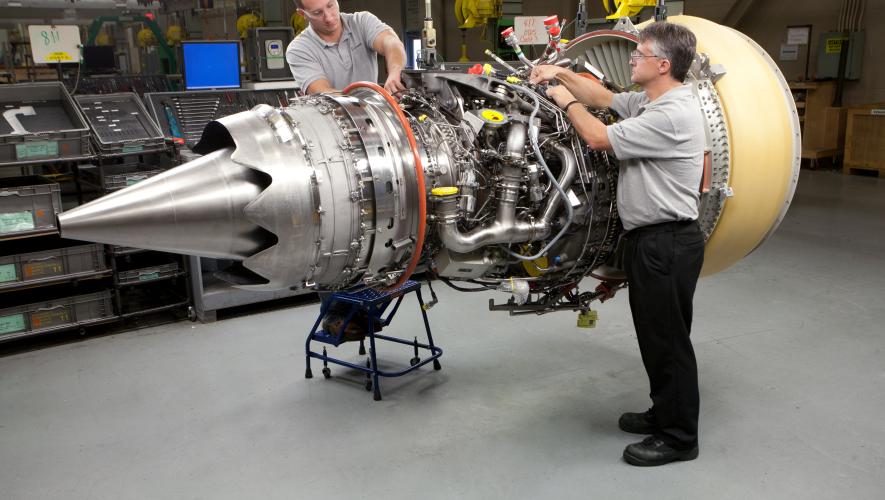
Credit: www.ainonline.com
Routine Inspections
Routine inspections form the backbone of aircraft maintenance technology. These checks ensure that every component of the aircraft is safe and ready for flight. Skipping these inspections can lead to serious safety risks. Maintenance technicians follow strict guidelines to perform these tasks efficiently and accurately. The process is divided into key parts, focusing on the moments before and after a flight.
Pre-flight Checks
Pre-flight checks happen before the aircraft takes off. Technicians examine crucial systems and parts to spot any faults. They check the engine, fuel levels, and flight controls carefully. Safety devices, lights, and tires get a full inspection too. This step helps catch issues early. It prevents problems during flight that might endanger passengers and crew.
- Inspect engine oil and fuel levels
- Check flight control surfaces for damage
- Test navigation and communication systems
- Verify tire pressure and brake condition
- Confirm safety equipment is onboard and functional
Post-flight Evaluations
Post-flight evaluations happen right after the plane lands. Technicians look for wear or damage caused during the flight. They record any abnormalities or performance issues. This information helps plan repairs or further inspections. It also ensures the aircraft is ready for the next journey. Post-flight checks maintain the aircraft’s long-term safety and reliability.
- Inspect landing gear and tires for wear
- Check engine performance and exhaust
- Review flight data for unusual readings
- Document any mechanical issues found
- Prepare the aircraft for routine maintenance
Troubleshooting And Repairs
Troubleshooting and repairs form the backbone of aircraft maintenance technology. Without precise diagnosis and effective fixes, flight safety could be compromised. Your role is to quickly spot problems and carry out repairs that keep the aircraft airworthy and reliable.
Identifying Mechanical Issues
Mechanical problems often show subtle signs before becoming serious. You need a keen eye to detect unusual vibrations, leaks, or noises during inspections. Using tools like borescopes lets you peek inside hard-to-reach areas without disassembly.
Sometimes, understanding the aircraft’s history helps pinpoint recurring faults. Have you ever noticed a pattern in wear and tear that indicates a bigger issue? Logging these observations can save time and prevent costly damage down the line.
Electrical System Repairs
Electrical faults can ground an aircraft faster than mechanical ones. You’ll test wiring, connectors, and circuit breakers with specialized equipment to find shorts or breaks. Safety is crucial—always disconnect power sources before starting repairs.
Replacing a faulty sensor or recalibrating instruments might seem small but can dramatically improve system performance. Think about how critical accurate readings are during flight—your repairs directly impact pilot decisions and passenger safety.
Preventive Maintenance
Preventive maintenance plays a key role in aircraft maintenance technology. It helps keep planes safe and reliable by fixing issues before they grow. This type of maintenance saves time and money by avoiding costly repairs and delays. Aircraft technicians follow strict routines to check every part of the plane. Their goal is to stop breakdowns and keep flights smooth.
Scheduled Servicing
Scheduled servicing involves regular checks based on flight hours or calendar dates. These checks cover engines, avionics, landing gear, and other systems. Technicians replace worn parts and test equipment to confirm proper function. They use detailed manuals and service bulletins to guide their work. This routine ensures each aircraft meets safety standards before flying again.
System Upgrades
System upgrades improve aircraft performance and safety. Technicians install new software, hardware, or components to update systems. These upgrades can include navigation, communication, or engine controls. Upgrades help planes stay current with industry rules and technology. Proper installation and testing are critical to keep the aircraft reliable.
Safety Protocols
Safety protocols form the backbone of aircraft maintenance technology. Without strict adherence to these rules, the risk of accidents increases significantly. These protocols ensure that every part of the aircraft is checked, repaired, and maintained to the highest safety standards, protecting both passengers and crew.
Compliance With Regulations
Your work as an aircraft maintenance technician is guided by strict regulations set by aviation authorities like the FAA or EASA. These rules cover everything from routine inspections to major repairs. Following these regulations isn’t optional; it’s mandatory to keep aircraft airworthy.
Imagine missing a single checklist item during an inspection. The consequences could be severe. So, technicians must stay updated on regulatory changes and ensure every maintenance action meets legal standards. This attention to detail prevents potential safety hazards before they arise.
Safety Equipment Checks
Checking safety equipment is a vital part of your daily routine. This includes emergency systems like fire extinguishers, oxygen masks, and evacuation slides. Each item must be inspected thoroughly to confirm it functions correctly in an emergency.
Think about the last time you relied on safety gear—would you trust equipment that wasn’t regularly tested? Regular checks guarantee that safety devices activate instantly when needed. This vigilance helps maintain the trust passengers place in aviation safety.
Documentation And Reporting
Documentation and reporting form the backbone of aircraft maintenance technology. They ensure every action on the aircraft is recorded clearly. This helps maintain safety and efficiency. Precise records keep the aircraft airworthy and provide proof of compliance with regulations.
Accurate documentation allows technicians and engineers to track repairs and inspections. It helps spot recurring issues early. Good reporting supports smooth communication between teams and regulatory bodies.
Maintenance Logs
Maintenance logs are detailed records of all work done on an aircraft. They include inspections, repairs, and part replacements. Each entry notes the date, time, and technician’s name. These logs show the aircraft’s maintenance history clearly.
Logs help technicians understand the aircraft’s condition before starting new work. They also guide future maintenance schedules. Proper logging avoids repeated errors and missed inspections.
Incident Reports
Incident reports document any unexpected problems or accidents during maintenance or flight. They describe what happened, possible causes, and actions taken. These reports are vital for safety improvements.
Incidents are reviewed to prevent future occurrences. Reporting also helps regulators monitor safety standards. Clear, honest incident reports protect both the crew and the airline.
Role Of Advanced Technology
Advanced technology has transformed the way aircraft maintenance technology operates, making the process faster, safer, and more accurate. It allows technicians like you to detect issues before they become serious problems. Have you ever wondered how planes are kept in top shape with such precision? The answer lies in the tools and software that support maintenance tasks.
Diagnostic Tools
Diagnostic tools are essential for identifying aircraft issues quickly. These tools use sensors and data analysis to monitor the aircraft’s systems in real time. They can detect anything from engine irregularities to electrical faults.
Using these tools means you can pinpoint problems without disassembling large parts of the aircraft. This saves time and reduces the risk of missing hidden issues. For example, vibration analyzers help you spot engine imbalances early, preventing costly repairs down the line.
Software Applications
Software applications have become a cornerstone in aircraft maintenance technology. They help you organize maintenance schedules, track repairs, and access technical manuals instantly. This digital approach replaces piles of paperwork and outdated logs.
Many programs also provide step-by-step guidance during complex repairs, reducing human error. Imagine having a digital assistant that ensures you follow every procedure correctly. Plus, software can predict when parts need replacement based on usage data, so you act before failures occur.

Credit: www.greeleytribune.com
Collaboration With Other Departments
Collaboration with other departments is a vital part of aircraft maintenance technology. It ensures that all teams work together smoothly to keep aircraft safe and reliable. Without strong collaboration, small issues can turn into big problems, affecting flight schedules and safety.
Communication With Pilots
Clear communication with pilots helps maintenance teams understand any unusual aircraft behavior reported during flights. Pilots provide firsthand information about how the plane feels and performs, which maintenance technicians use to identify potential issues.
Imagine a pilot mentioning a strange noise during takeoff. Maintenance crews need that detail to focus their inspections effectively. This direct feedback loop saves time and improves repair accuracy.
Have you ever wondered how quickly a maintenance team can act on pilot reports? The speed and clarity of communication can be the difference between a quick fix and a delayed flight.
Coordination With Engineering Teams
Engineering teams design and upgrade aircraft systems, but they rely on maintenance technicians to report real-world problems. Maintenance professionals share insights from inspections and repairs, highlighting areas that need design improvements.
This back-and-forth helps engineers create more reliable and easier-to-maintain aircraft. For example, if a certain component breaks frequently, maintenance reports prompt engineers to find a better solution.
Coordination also involves sharing technical manuals, updates, and troubleshooting techniques. When you work closely with engineers, you gain a deeper understanding of the aircraft, making your maintenance work more effective and precise.
Training And Certification
Training and certification form the backbone of a career in aircraft maintenance technology. These elements ensure that technicians are well-prepared to handle the complex tasks that keep aircraft safe and operational. Without proper training and certification, it would be impossible to meet the strict safety standards required in aviation.
Ongoing Education
Aircraft maintenance technology is not a one-time learning experience. You must keep updating your skills to keep pace with rapidly evolving aircraft systems and regulations.
Manufacturers often release updates and new models, requiring technicians to learn new procedures. Some employers offer in-house training sessions or sponsor courses to help you stay current.
Have you considered how continuous learning can make you more valuable in your job? Staying updated can open doors to advanced roles and higher pay.
Certification Requirements
Certification is mandatory for aircraft maintenance technicians, often regulated by aviation authorities like the FAA or EASA. These certifications prove you have the knowledge and skills to perform maintenance safely.
To earn certification, you typically need to complete an approved training program and pass written and practical exams. After certification, you might need to renew it periodically, which can include additional tests or evidence of ongoing education.
Think about the certifications that align best with your career goals. Would adding a specialized certification in avionics or engine maintenance give you a competitive edge?

Credit: www.findcourses.co.uk
Frequently Asked Questions
What Does Aircraft Maintenance Technology Involve?
Aircraft maintenance technology involves inspecting, repairing, and servicing aircraft to ensure safety and performance. Technicians use specialized tools and knowledge to maintain engines, avionics, and structural components regularly.
Why Is Aircraft Maintenance Technology Important?
It ensures aircraft safety, reliability, and compliance with aviation regulations. Proper maintenance prevents accidents, reduces downtime, and extends the aircraft’s lifespan, making it essential for the aviation industry.
What Skills Are Needed For Aircraft Maintenance Technology?
Key skills include mechanical aptitude, attention to detail, problem-solving, and knowledge of aviation systems. Technicians must also understand safety protocols and use diagnostic tools effectively.
How Does Aircraft Maintenance Technology Impact Flight Safety?
Regular maintenance identifies and fixes potential issues before flights. This proactive approach minimizes mechanical failures and ensures all systems function correctly, enhancing overall flight safety.
Conclusion
Aircraft maintenance technology keeps planes safe and reliable. Skilled technicians check, fix, and test many parts daily. Their work helps prevent accidents and delays. Without their care, flying would be risky and uncertain. This field needs precision, patience, and strong knowledge.
It plays a key role in aviation’s success. Understanding this work shows how important safety is. Every flight depends on their careful efforts. A career in this area supports travel worldwide. Safe skies start with expert maintenance work.