Do Radon Mitigation Systems Need Maintenance: Essential Tips
Are you confident that your radon mitigation system is keeping your home safe? You might think that once it’s installed, it works quietly in the background without any issues.
But does it really need maintenance to stay effective? Understanding how to care for your radon system can protect your family’s health and save you money in the long run. Keep reading to find out why maintenance matters and what simple steps you can take to ensure your home stays radon-free.
Importance Of Radon Mitigation Systems
Radon mitigation systems play a crucial role in keeping your home safe from the invisible threat of radon gas. This gas is odorless and colorless, yet it increases the risk of lung cancer significantly. Installing a radon mitigation system is a strong step toward protecting your family’s health.
However, just installing the system is not enough. You need to understand why ongoing attention and care matter. Ignoring maintenance could reduce the system’s effectiveness over time.
What Makes Radon Mitigation Systems Essential?
Radon gas seeps into homes through cracks in the foundation or gaps around pipes. Without a mitigation system, radon levels can build up to dangerous amounts.
Your system actively lowers radon by venting it outside, preventing it from accumulating indoors. If the system fails, radon can quietly rise again, putting your health at risk.
How Maintenance Keeps Your System Working Well
Routine checks help catch small issues before they become big problems. For example, a fan failure or blocked vent can stop the system from working properly.
Regular maintenance includes inspecting the fan, checking pressure levels, and ensuring all seals remain intact. These simple tasks keep the system efficient and your home safe.
Signs You Shouldn’t Ignore In Your Radon System
Have you noticed unusual noises, changes in fan speed, or a sudden increase in radon test results? These are clear signals your system needs attention.
Ignoring these signs might lead to higher radon exposure. Acting quickly can prevent health risks and costly repairs.
Can You Perform Maintenance Yourself?
Some basic checks, like visual inspections and listening for unusual sounds, you can do on your own. But thorough testing and repairs usually require a professional.
Hiring a certified radon specialist ensures the system runs at peak performance. This professional care gives you peace of mind about your indoor air quality.

Credit: www.angi.com
Common Radon Mitigation Systems
Radon mitigation systems help reduce radon gas levels in homes. These systems vary based on the home’s design and radon concentration. Understanding common radon mitigation systems clarifies their maintenance needs.
Active Sub-slab Depressurization
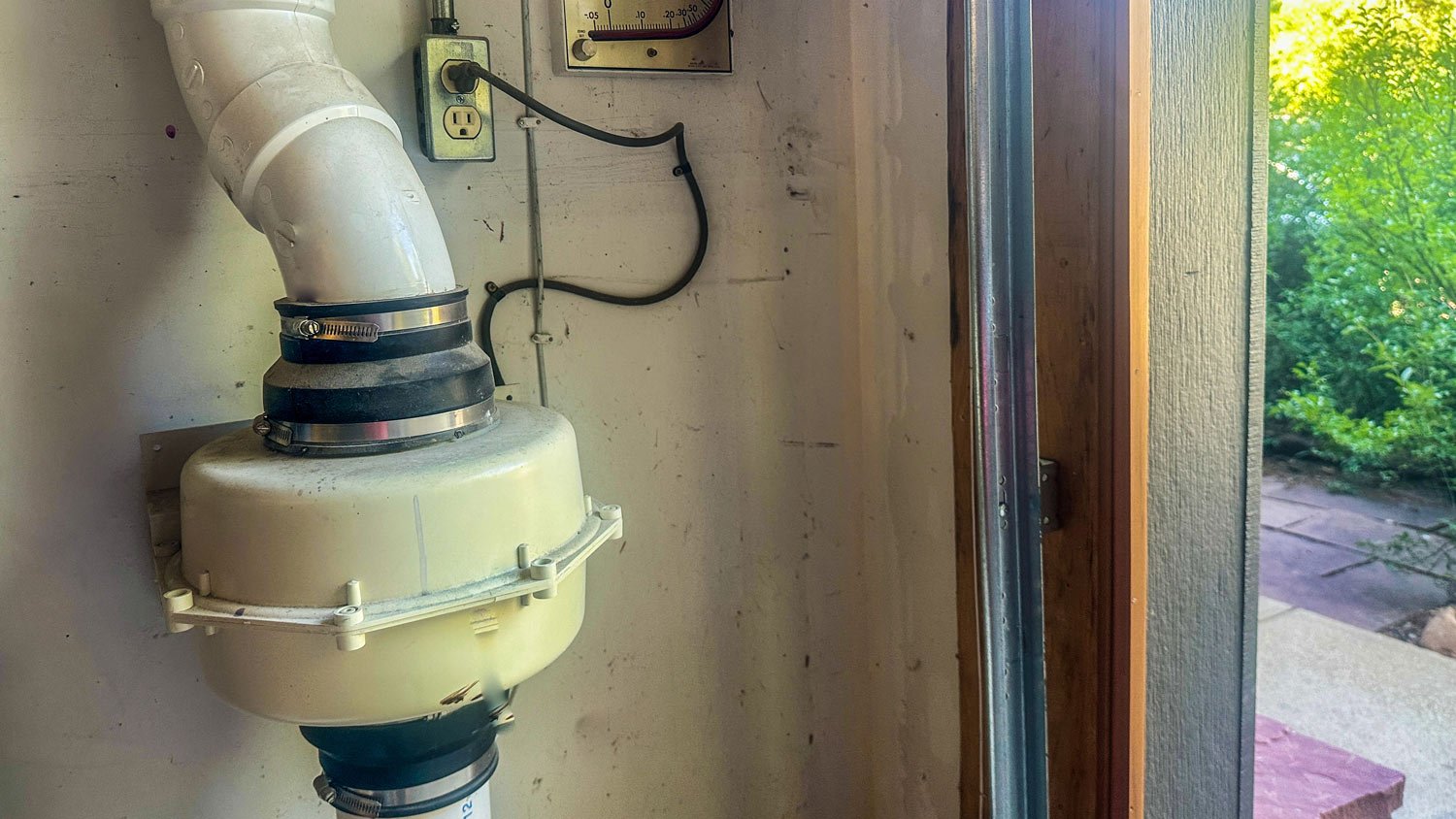
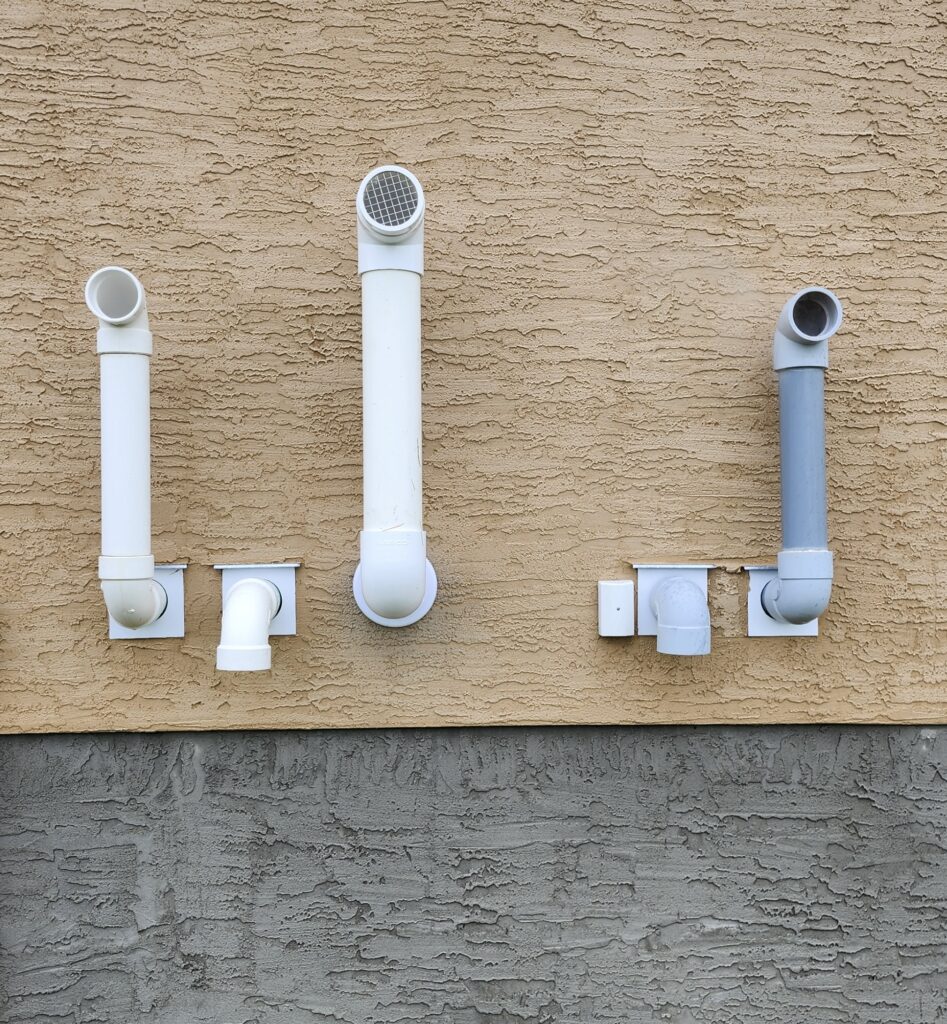
This system uses a fan to pull radon gas from beneath the home’s foundation. The fan creates a vacuum that stops radon from entering indoor air. Pipes run from under the slab to the outside, safely venting gas away. Active systems require regular checks to ensure the fan works properly. A quiet or running fan indicates good function. Filters and electrical connections should be inspected yearly.
Passive Radon Reduction
Passive systems rely on natural air pressure differences to reduce radon levels. They use vent pipes without fans to allow radon to escape freely. These systems often include sealing cracks in floors and walls. Maintenance is simpler but still important. Regular inspections ensure vents are clear and intact. Seals around cracks may need reapplication over time to maintain effectiveness.
Signs Your System Needs Maintenance
Knowing the signs that your radon mitigation system needs maintenance can save you from hidden dangers. Ignoring small issues might lead to higher radon levels or costly repairs later. Pay close attention to changes in how your system sounds, looks, or performs to keep your home safe.
Unusual Noise Levels
If your radon mitigation system suddenly starts making louder or strange noises, don’t ignore it. A humming or rattling sound might mean the fan or motor is struggling. I once noticed a loud buzzing from my system, and it turned out a loose part was causing the problem.
Check if the noise changes when the system runs or stops. Any new or persistent sounds usually indicate it’s time for a professional checkup.
Increased Radon Levels
Regular radon testing is crucial. If your radon levels rise unexpectedly despite having a mitigation system, something might be wrong. It could be a fan failure, a leak, or blocked pipes reducing the system’s efficiency.
Don’t wait until your next scheduled test to find out. If you notice symptoms like stale air or musty smells, test your home sooner. Acting quickly can protect your health and save money.
Visible Damage Or Wear
Look over your radon mitigation system for visible signs of damage. Cracks in pipes, corrosion, or loose fittings can reduce its ability to keep radon out.
Sometimes, small issues like a cracked pipe aren’t easy to spot without a close look. If you see any wear or damage, schedule maintenance immediately to avoid bigger problems.
Routine Maintenance Tasks
Routine maintenance keeps radon mitigation systems effective and safe. Regular checks help spot problems early. This prevents radon from reaching harmful levels in your home. Simple tasks can extend your system’s life and ensure it works well.
System Inspection
Look over the entire radon system for visible damage. Check pipes, vents, and connections for cracks or leaks. Ensure all parts are secure and properly aligned. Inspect the system every few months to catch issues early.
Fan Performance Check
The fan is vital for removing radon gas. Listen for unusual noises or vibrations. Feel if the fan is running smoothly without stopping. A faulty fan means poor radon removal. Replace or repair the fan if needed.
Sealing And Caulking
Seal cracks in floors and walls where radon can enter. Use caulk or sealant to close gaps around pipes and vents. Check seals regularly and fix any that are damaged. Proper sealing reduces radon entry and boosts system efficiency.
Diy Maintenance Vs Professional Help
Deciding between DIY maintenance and professional help for your radon mitigation system can feel tricky. You want to keep your home safe without overspending or risking damage to the system. Understanding the limits and benefits of each approach will help you choose what’s best for your situation.
When To Consider Diy
If you’re comfortable with basic home maintenance, some simple tasks on your radon mitigation system can be handled on your own. Checking the system’s fan operation or ensuring vents aren’t blocked are good examples of DIY jobs.
Regularly inspecting the system for visible damage or loose connections doesn’t require special tools. You might find this saves you money and keeps you familiar with how your system works.
However, have you ever wondered if ignoring subtle signs could lead to bigger problems? If you notice unusual noises, a drop in system performance, or changes in radon levels, it’s time to reconsider your DIY approach.
Benefits Of Professional Service
Professionals bring specialized knowledge and equipment that can catch issues you might miss. They perform detailed diagnostics and can recalibrate or repair components to ensure your system runs efficiently.
Hiring a pro also means you get peace of mind knowing the work meets safety standards. Many experts provide warranties or follow-up services, which adds extra security to your investment.
Think about the long-term costs: professional maintenance might seem expensive upfront but can prevent costly repairs or health risks down the line. Isn’t safeguarding your family’s health worth that peace of mind?
Credit: www.angi.com
Cost Considerations
Cost considerations play a key role in maintaining radon mitigation systems. Homeowners need to balance initial expenses with ongoing maintenance costs. Keeping these systems in good condition helps ensure safety and efficiency. Understanding typical costs and long-term benefits can guide better decisions.
Typical Maintenance Costs
Radon mitigation system upkeep usually involves small, regular expenses. Most homes require an annual inspection to check system performance. This inspection often costs between $100 and $300.
Fan replacement may be necessary every 5 to 10 years. This can cost from $300 to $700 depending on the fan type and labor involved. Some minor repairs or filter changes may add small costs.
Regular system checks prevent expensive problems later. Budgeting for these costs helps avoid surprises.
Long-term Savings And Benefits
Maintaining radon systems can save money over time. A well-functioning system reduces radon levels, lowering health risks. This can prevent costly medical bills.
Proper maintenance increases home value and buyer confidence. It also helps avoid structural damage from radon gas buildup.
Spending on upkeep protects your investment. It ensures the system works efficiently for many years.
Tips For Effective System Maintenance
Maintaining your radon mitigation system is essential to keep your home safe and your air clean. Without regular care, the system’s efficiency can drop, allowing radon levels to rise unnoticed. Here are some practical tips that can help you ensure your system keeps working effectively over time.
Regular Monitoring
Check your radon levels frequently using a radon detector or test kit. This helps you catch any increases early before they become dangerous. You might want to set reminders every few months to test, especially after severe weather or home renovations.
Have you noticed that even small changes in your home can affect radon levels? Keeping an eye on your system’s performance helps you stay ahead of potential problems.
Record Keeping
Keep a log of all your radon test results and any maintenance activities. This record helps you track trends and spot issues faster. It’s also valuable information for professionals if you need repairs or adjustments.
Make notes about the date, radon level readings, and any observations about your system. You can use a simple notebook or an app—whatever makes it easy for you to stay consistent.
Engage Certified Professionals
Schedule annual inspections with a certified radon mitigation specialist. They can spot problems you might miss and perform necessary repairs or upgrades. Trusting experts ensures your system meets safety standards and performs optimally.
Don’t wait for your system to fail before calling a pro. Regular professional checkups can save you money and keep your home safer in the long run.
Credit: radoncare.ca
Frequently Asked Questions
How Often Should Radon Mitigation Systems Be Maintained?
Radon mitigation systems should be inspected annually. Regular checks ensure the system works efficiently and detects any issues early. Proper maintenance prevents radon levels from rising and protects your home’s air quality.
What Parts Of Radon Systems Need Maintenance?
Fans, pipes, and seals require regular inspection. Fans may wear out, pipes can crack, and seals may loosen. Keeping these components in good condition maintains effective radon reduction.
Can I Maintain My Radon System Myself?
Basic visual inspections can be done by homeowners. However, professional maintenance is recommended annually to ensure system efficiency and safety. Experts can identify hidden problems that may not be visible.
What Signs Indicate Radon System Maintenance Is Needed?
Unusual noises from the fan or visible pipe damage are common signs. Elevated radon levels detected by testing also indicate maintenance is needed. Prompt attention helps maintain a safe indoor environment.
Conclusion
Radon mitigation systems help keep your home safe. They need regular checks to work well. Small problems can turn into big risks if ignored. Testing radon levels often shows if the system works. Clean fans and pipes help the system last longer.
Taking care of your system protects your family’s health. Don’t wait for issues to appear; act early. Safe air is worth the effort and attention. Keep your home fresh and radon-free with simple care.