Can You Do Own Maintenance of Arobic Systems: Essential Tips
Are you wondering if you can handle the maintenance of your aerobic system on your own? Taking care of this important equipment yourself might save you time and money.
But before you grab your tools, it’s crucial to know what’s involved and if it’s something you can manage safely and effectively. You’ll discover simple steps, expert tips, and common pitfalls to avoid. By the end, you’ll feel confident about whether DIY maintenance is right for you and how to keep your aerobic system running smoothly.
Keep reading to protect your investment and ensure your system performs at its best.
Understanding Aerobic Systems
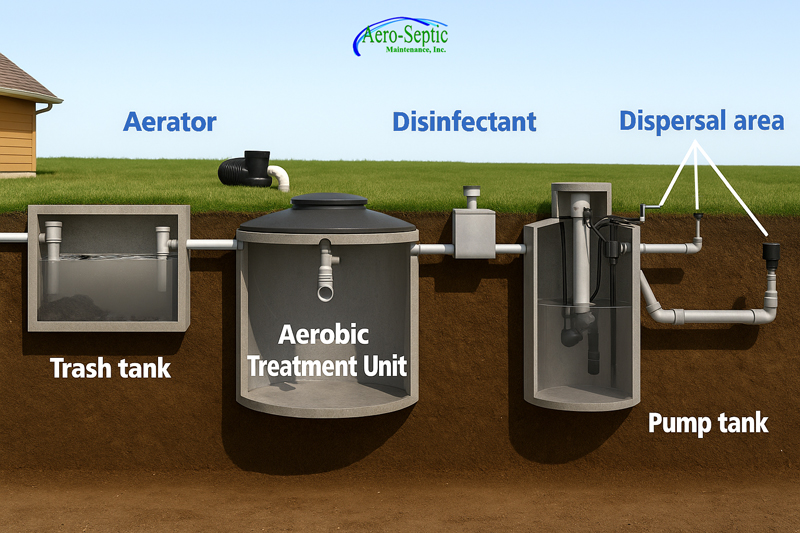
Aerobic systems treat wastewater using oxygen to break down pollutants. These systems help keep water clean and safe for the environment. Understanding how they work is key to maintaining them properly. Knowing the parts and their functions makes maintenance easier and more effective.
Basic Components
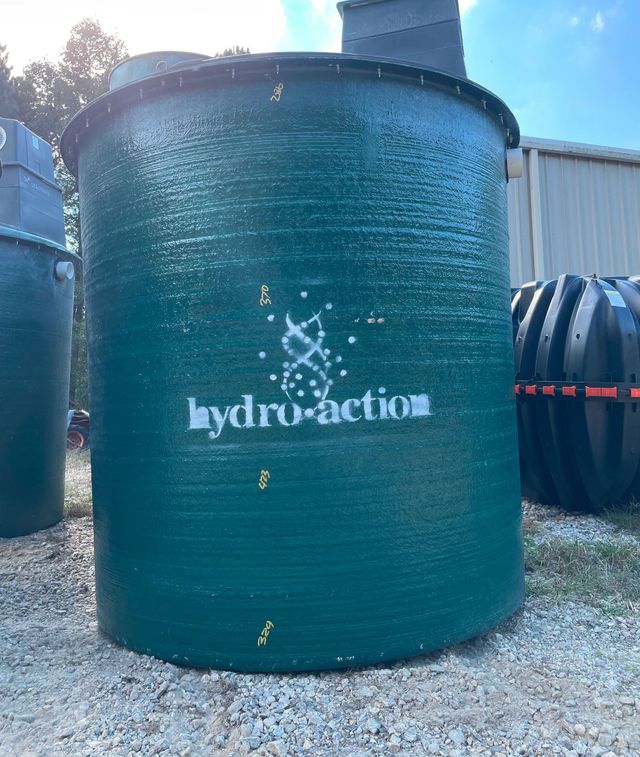
- Aeration Tank:Where air is mixed with wastewater to support bacteria.
- Blower or Pump:Supplies air to the tank to keep oxygen levels high.
- Settling Tank:Allows solids to settle out from the treated water.
- Discharge Outlet:Releases the clean water back into the environment.
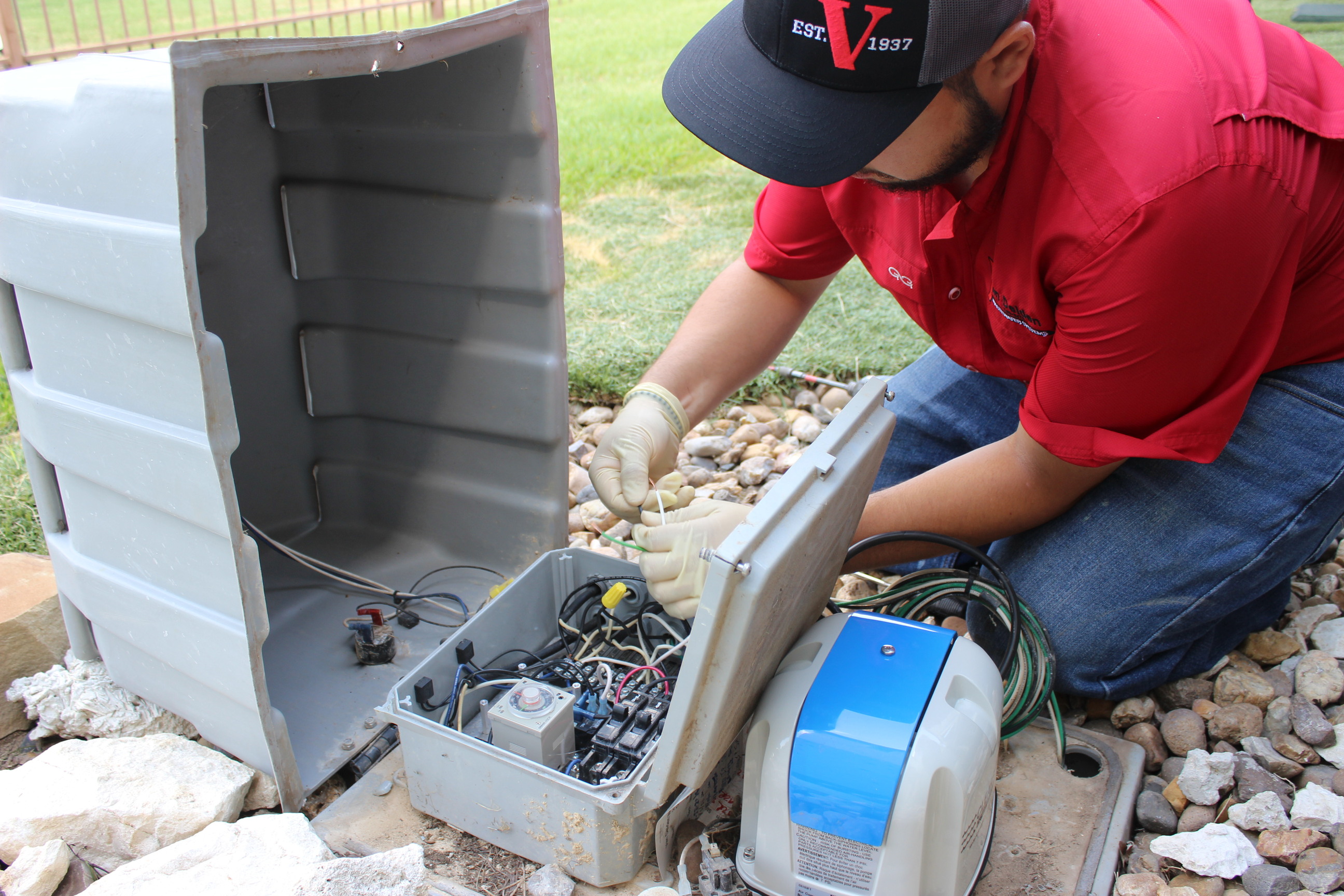
- Control Panel:Manages the system’s operation and alerts for problems.
How They Work
Aerobic bacteria live in the aeration tank. They use oxygen to break down organic waste. The blower pumps air into the tank to keep bacteria alive. Wastewater mixes with the bacteria, which digest the pollutants.
After treatment, the mixture flows to the settling tank. Here, solids sink to the bottom. Clear water moves out through the discharge outlet. The system runs continuously to keep water clean.
Credit: www.vdwws.com
Benefits Of Diy Maintenance
Maintaining an aerobic system by yourself offers several important benefits. It helps you save money and keeps your system working longer. Taking care of small issues early avoids big repairs later. Simple tasks like cleaning filters or checking pumps can make a big difference. You gain control over your system’s health and can act quickly when needed.
Cost Savings
Doing your own maintenance cuts down on service fees. Professional visits can be expensive. By handling routine tasks, you avoid paying for simple fixes. Buying basic tools and parts is cheaper than hiring help. Small repairs done on time prevent costly damage. This approach keeps your budget in check and reduces unexpected expenses.
Increased System Lifespan
Regular DIY maintenance helps your aerobic system last longer. Dirt and debris can clog parts and cause wear. Cleaning and checking equipment often stops problems early. Well-maintained systems run more efficiently and use less energy. This prevents breakdowns and extends the life of pumps and filters. You protect your investment and enjoy steady performance over time.
Essential Tools And Equipment
Maintaining aerobic systems requires specific tools and equipment. These items help keep your system running smoothly. Proper tools make maintenance easier and safer. Without the right gear, tasks become difficult and risky.
Must-have Tools
- Wrenches and pliers for tightening and loosening parts
- Screwdrivers to open panels and adjust components
- Multimeter for checking electrical connections and voltage
- Cleaning brushes to remove debris and buildup
- Water test kits to monitor water quality and balance
- Lubricants for moving parts to reduce friction and wear
Safety Gear
- Protective gloves to shield hands from chemicals and sharp edges
- Safety goggles to guard eyes against splashes and debris
- Face mask to avoid inhaling dust or harmful fumes
- Non-slip shoes for stable footing near wet areas
- Long sleeves and pants to protect skin from irritants
Credit: aeroseptictx.com
Routine Maintenance Tasks
Routine maintenance tasks keep aerobic systems running smoothly and prevent costly repairs. These tasks are simple and can be done regularly to ensure proper system function. Regular checks help spot problems early and extend the system’s life.
Checking Air Filters
Air filters trap dust and debris from entering the system. Dirty filters reduce airflow and system efficiency. Check filters every month. Clean or replace them if clogged or dirty. Use a soft brush or vacuum to remove dust. Clean filters improve air quality and system performance.
Inspecting Aerator Functionality
The aerator adds oxygen to the wastewater for bacteria to break down waste. Inspect the aerator weekly. Listen for unusual noises or vibrations. Check for visible damage or wear. Make sure the aerator spins freely. Clean any debris blocking air holes. Proper aerator function keeps the system effective.
Monitoring System Alarms
Alarms alert you to system issues like power loss or high water levels. Check alarm lights and sounds daily. Test alarms to ensure they work correctly. Reset alarms after addressing any problems. Early alarm response prevents bigger system failures. Keep batteries or power sources ready for alarms.
Troubleshooting Common Issues
Troubleshooting common issues in aerobic systems can save you time and costly repairs. Knowing what signs to look for helps you act quickly and maintain system efficiency. Let’s dive into two frequent problems you might face and how to handle them effectively.
Identifying Odors
Unpleasant smells from your aerobic system often indicate something is off balance. If you notice a strong sewage or rotten egg odor, it could mean the system isn’t getting enough oxygen.
Check the air blower and diffusers first. Are they working properly? A malfunction here reduces oxygen levels, causing odors.
Sometimes, odors result from buildup or blockages. Clear any debris and ensure your system’s filters are clean. Regular inspection prevents these problems from escalating.
Dealing With Overflows
Overflow issues can quickly become a headache if not addressed. If your system is leaking or the water level looks unusually high, it might be clogged or the pump could be failing.
Start by inspecting the outlet and inlet pipes for any blockages. You might find roots or solid waste obstructing the flow.
Also, check the pump’s functionality. A broken or weak pump won’t move water efficiently, causing backups and overflows.
Have you ever caught an overflow problem early and avoided a big mess? Catching these signs early can protect your property and save you money.
Credit: www.alternative-septic.com
When To Call A Professional
Knowing when to call a professional for your aerobic system maintenance can save you time, money, and frustration. Some tasks might seem manageable, but certain situations require expert skills to avoid costly damage or system failure. Recognizing these moments helps you protect your investment and keep your system running smoothly.
Complex Repairs
Not all repairs are created equal. If you notice strange noises, persistent odors, or frequent system shutdowns, these could signal deeper issues.
Complex repairs often involve electrical components, internal mechanisms, or septic tank problems that need specialized tools and knowledge.
Attempting these repairs without experience can worsen the problem or lead to safety hazards. If your system requires opening tanks or handling chemicals, calling a professional is the safest bet.
System Upgrades
Upgrading your aerobic system can improve efficiency and meet new regulations, but it’s not a DIY job.
Professionals understand the latest technology and local codes. They can recommend the right system size, install new parts correctly, and ensure everything integrates seamlessly.
Trying to upgrade on your own may lead to improper installation and future malfunctions. When was the last time you checked if your system meets current standards?
Safety Precautions
Maintaining aerobic systems on your own can be rewarding, but it demands strict attention to safety. Handling equipment and chemicals without proper care can lead to serious accidents. Understanding key safety precautions helps you protect yourself and ensures the system runs smoothly.
Handling Chemicals
Chemicals used in aerobic systems can be hazardous if mishandled. Always wear protective gloves and goggles to avoid skin and eye contact. Never mix different chemicals; unexpected reactions could produce toxic fumes or damage the system.
Store chemicals in a cool, dry place away from children and pets. Label containers clearly to avoid confusion during maintenance. Have a first aid kit nearby in case of accidental spills or exposure.
Avoiding Electrical Hazards
Electrical parts in aerobic systems pose a serious risk if not handled correctly. Always disconnect power before starting any maintenance task. Water and electricity don’t mix, so keep the area dry and your hands clean.
Inspect cords and plugs for damage regularly. Replace any worn or frayed wires immediately to prevent shocks or fires. If you’re unsure about any electrical work, don’t hesitate to call a professional—your safety is worth it.
Environmental Considerations
Maintaining your aerobic system yourself means you play a direct role in how it impacts the environment. Every action you take can either protect or harm the delicate balance around your property. Understanding the environmental considerations helps you make choices that reduce pollution and support local wildlife.
Minimizing Waste
Waste from aerobic systems can include sludge, excess water, and chemicals. You can reduce waste by scheduling regular inspections and cleaning only when necessary. Over-cleaning often leads to unnecessary waste and higher costs.
Keep track of the materials you dispose of and try to recycle or compost sludge if possible. Have you thought about how much waste your system generates each month? Small changes in handling can lead to significant reductions in harmful output.
Protecting Local Ecosystems
Your aerobic system interacts closely with soil and nearby water sources. Avoid using harsh chemicals that can seep into the ground and harm plants and animals around your home. Instead, choose eco-friendly cleaning products and treatments.
Planting native vegetation around your system can help absorb any runoff and provide habitat for beneficial insects and birds. How well do you know the plants and wildlife in your area? Getting familiar with your local ecosystem can guide you in maintaining your system without causing damage.
Frequently Asked Questions
Can You Perform Aerobic System Maintenance Yourself?
Yes, basic aerobic system maintenance can be done by homeowners. Tasks include cleaning filters and checking aerators. However, professional inspections are essential for complex issues and proper system functioning.
How Often Should Aerobic Systems Be Maintained?
Aerobic systems require maintenance every 3 to 6 months. Regular checks prevent system failure and costly repairs. Timely maintenance ensures efficient wastewater treatment and prolongs system lifespan.
What Common Problems Occur Without Proper Maintenance?
Without maintenance, aerobic systems can clog, odor, or fail. These issues cause untreated wastewater discharge and health hazards. Regular upkeep helps avoid costly repairs and environmental damage.
Is Specialized Knowledge Needed For Aerobic System Upkeep?
Basic maintenance is manageable with guidance, but technical tasks need expertise. Professionals handle system diagnostics and repairs safely. Proper knowledge ensures compliance with local regulations and system efficiency.
Conclusion
Maintaining aerobic systems on your own can save money and time. Basic tasks like cleaning and checking parts are easy to learn. Still, some jobs need expert skills to avoid damage. Regular care helps the system work well and last longer.
Know your limits and call a professional when needed. Taking small steps keeps your system healthy and efficient. Simple upkeep makes a big difference in performance and cost. You can handle many tasks safely with the right knowledge.