

Have you ever wondered who keeps your fire protection systems ready to fight flames at a moment’s notice? Fire Protection System Maintenance Specialists play a crucial role in making sure your safety equipment works perfectly when it matters most.
If you want to understand what these experts do to protect your home, office, or business, this article will give you clear answers. Keep reading to discover how their work safeguards your life and property every single day.
Credit: www.davisulmer.com
Role Of Fire Protection Specialists
Fire protection specialists play a vital role in keeping buildings safe. Their work helps prevent fires and minimize damage if a fire starts. These experts ensure that all fire safety systems work properly and meet safety laws.
They inspect, test, and maintain fire alarms, sprinklers, and extinguishers. Their goal is to protect people, property, and assets from fire hazards. Their skills and careful work make buildings safer every day.
Inspection And Testing Of Fire Systems
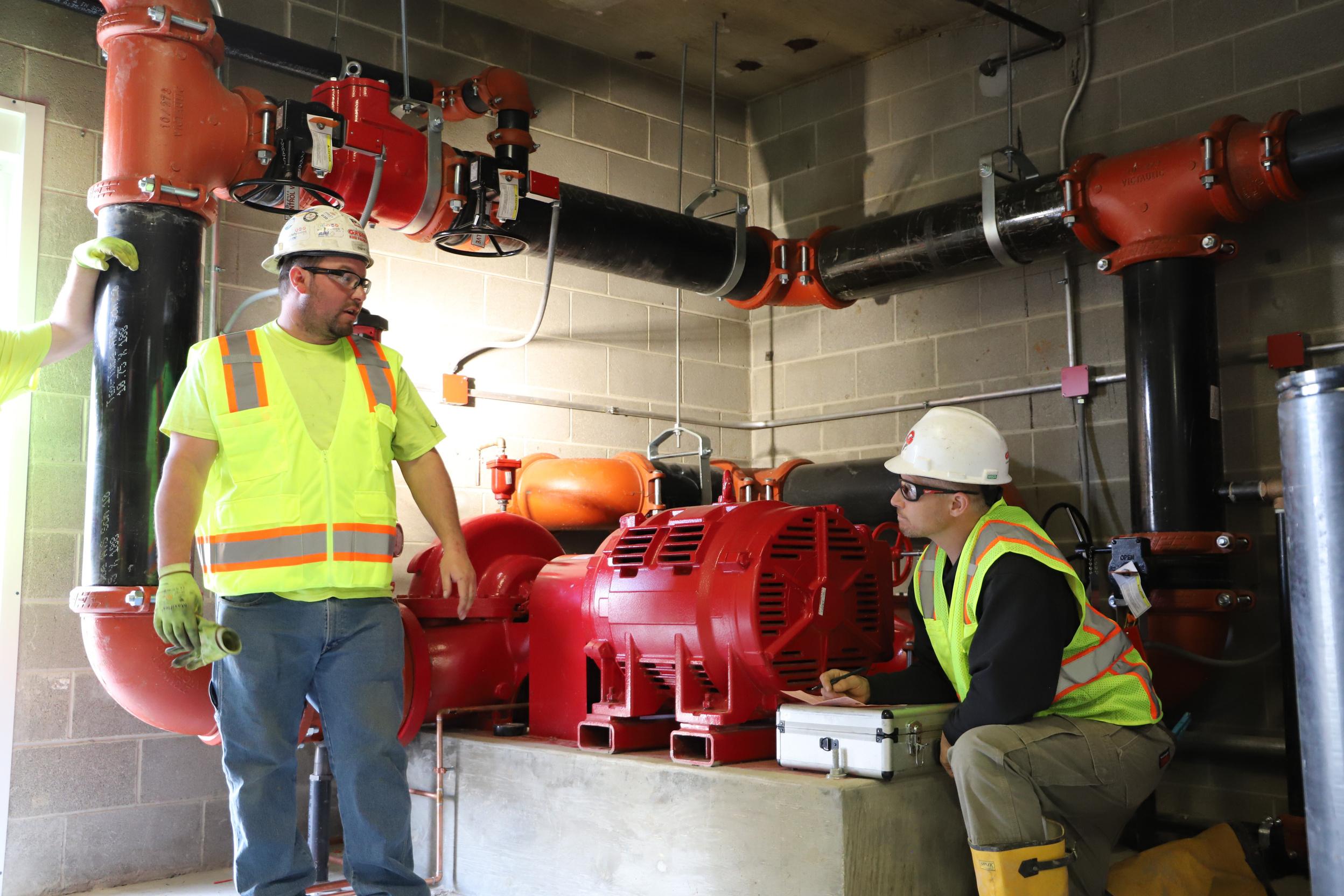
Fire protection specialists regularly check fire alarms and sprinklers. They test the systems to make sure they activate correctly. This includes checking sensors, control panels, and water pressure.
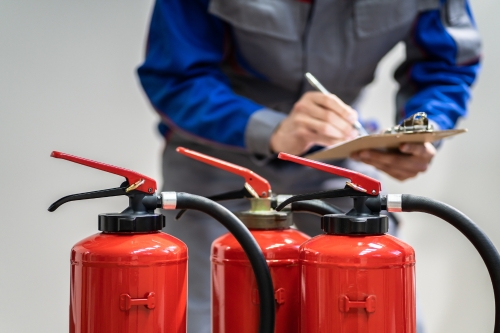
They also inspect fire extinguishers to ensure they are full and ready to use. Any broken or expired equipment is repaired or replaced immediately. This work prevents failures during an emergency.
Routine Maintenance And Repairs
Regular maintenance keeps fire systems in top condition. Specialists clean, lubricate, and adjust parts to avoid malfunctions. They replace worn components like batteries and valves.
If a system shows signs of damage, they fix it fast. This quick response prevents safety risks and system breakdowns. Routine care extends the life of fire protection equipment.
Compliance With Safety Regulations
Fire protection specialists ensure systems meet local and national codes. They keep detailed records of inspections and repairs. These documents prove compliance during official safety audits.
They stay updated on changing laws and standards. This knowledge helps avoid fines and legal issues. Following rules also improves overall fire safety in buildings.
Emergency Response And Support
In case of fire, specialists provide support to emergency teams. They know how systems operate and can guide firefighters. They also help reset or repair systems after an incident.
This quick action helps reduce fire damage and restore safety. Fire protection specialists are key players in managing fire emergencies.
Inspection Duties
Inspection duties form the backbone of a fire protection system maintenance specialist’s role. These tasks ensure that every component of the system functions correctly and is ready to respond in an emergency. Ignoring inspections can lead to system failure when you need it most—so what exactly do these inspections involve?
Regular System Checks
Regular system checks mean thoroughly examining all parts of the fire protection system on a scheduled basis. This includes testing alarms, sprinklers, fire extinguishers, and control panels.
During these checks, specialists look for signs of wear, corrosion, or damage that could hinder performance. They also verify that sensors and detectors respond accurately to smoke or heat. You might be surprised how often small issues, like a dead battery in a smoke detector, go unnoticed until a routine check reveals them.
- Confirm water pressure in sprinklers is within the required range
- Test alarm sound levels to ensure audibility in all areas
- Inspect fire doors and emergency exits for proper operation
Compliance With Safety Standards
Fire protection systems must meet strict safety standards set by regulatory bodies. Specialists ensure your system complies with these rules to avoid penalties and, more importantly, to keep occupants safe.
This involves reviewing documentation, updating maintenance logs, and correcting any deviations from the codes. Sometimes, you’ll find that a system installed years ago no longer meets current standards, requiring upgrades or modifications.
How often do you check that your fire safety equipment matches the latest regulations? Staying updated can prevent costly fines and reduce risk.
Testing Responsibilities
Testing is a core part of what a Fire Protection System Maintenance Specialist does. It’s not just about making sure systems work; it’s about confirming they will operate flawlessly during an emergency. Regular testing helps catch hidden issues before they turn into costly or dangerous problems.
Fire Alarm Testing
Fire alarm testing involves checking every component from detectors to control panels. Specialists trigger alarms to verify sounders and strobes activate correctly. They also inspect wiring and battery backups to ensure reliability during power failures.
Have you ever wondered if your fire alarms truly wake everyone up or if they might fail silently? Specialists simulate alarm conditions to detect any delays or malfunctions. This hands-on testing saves lives by ensuring alarms respond instantly when needed.
Sprinkler System Evaluation
Sprinkler systems need careful evaluation to confirm water flow and pressure meet safety standards. Specialists test valves, pipes, and sprinkler heads for leaks or blockages. They also verify the system’s response time to heat or smoke triggers.
Imagine a fire breaking out but the sprinklers fail to activate because of a clogged pipe. That’s why thorough evaluation is critical. Specialists perform flow tests and inspect mechanical parts, giving you peace of mind that your sprinklers will function when you depend on them most.

Credit: asmintegrators.com
Maintenance Tasks
Maintenance tasks carried out by fire protection system specialists are vital for keeping your safety equipment in top shape. These tasks ensure that every component works properly when you need it the most. Understanding what these maintenance tasks involve can help you appreciate the importance of regular checks and care.
Repair And Replacement
Specialists inspect fire protection systems for any signs of wear or damage. When they find faulty parts like broken sprinkler heads or corroded pipes, they repair or replace them immediately. This quick action prevents small issues from turning into dangerous failures.
Have you ever thought about how a tiny crack in a fire hose could affect its performance during an emergency? Fixing or swapping out damaged parts keeps the entire system reliable. It’s not just about fixing what’s broken; it’s about preventing bigger problems down the line.
Preventive Measures
Preventive maintenance means regularly checking and servicing your fire protection system to avoid future breakdowns. Specialists clean components, test alarms, and verify pressure levels to ensure everything functions smoothly. These measures catch potential problems early before they become costly or hazardous.
Imagine discovering a clogged sprinkler just before a fire starts—wouldn’t you want to avoid that? Preventive care also includes updating system components to meet current safety codes. This proactive approach keeps your system ready and compliant, giving you peace of mind.
Documentation And Reporting
Documentation and reporting form the backbone of a fire protection system maintenance specialist’s work. These tasks ensure that every inspection, test, and repair is properly recorded. Without accurate documentation, you risk missing critical details that could compromise safety or lead to costly compliance issues.
Record Keeping
Maintaining detailed records is not just about ticking boxes. It involves logging the exact date, time, and nature of every maintenance activity performed. This helps you track the system’s history and spot recurring problems before they escalate.
Think about the last time you needed to find a specific report quickly. Well-organized records save you from wasting precious time during an emergency or audit. They often include:
- Inspection checklists
- Service and repair logs
- Calibration certificates
- Compliance documentation
Good record keeping also supports clear communication between the maintenance team, building owners, and regulatory bodies. How confident are you that your current system’s records would hold up under scrutiny?
Incident Reporting
When a fire or system malfunction occurs, reporting the incident accurately and promptly is crucial. This documentation captures what happened, how the system responded, and what actions were taken afterward.
Incident reports provide a detailed timeline and analysis that help you improve future responses. They often include:
- Description of the event
- System performance data
- Personnel involved
- Corrective measures implemented
Writing clear incident reports can also protect you and your organization legally. Have you ever reviewed an incident report that changed how you approached maintenance or training?
Emergency Preparedness
Emergency preparedness is a crucial part of what fire protection system maintenance specialists focus on. Their role goes beyond regular equipment checks—they ensure that everyone knows how to act swiftly and safely when a fire breaks out. Preparing for emergencies means more than just having systems in place; it’s about training people and coordinating actions to save lives and property.
Training And Drills
Fire protection specialists organize regular training sessions that teach you how to use fire safety equipment effectively. These sessions often include hands-on practice with fire extinguishers, alarms, and evacuation routes. By running drills, they help you understand the steps to take during an actual emergency, reducing panic and confusion.
Think about the last fire drill you experienced—did it feel realistic? Specialists work hard to create scenarios that challenge your response, making sure you’re ready for different fire situations. They also update training materials to reflect the latest safety standards and technologies, so your knowledge stays current.
Response Coordination
During an emergency, every second counts. Fire protection specialists coordinate the response efforts by communicating with building occupants, emergency teams, and local fire departments. They ensure that alarms are triggered promptly and that evacuation plans are followed smoothly.
They also monitor fire protection systems in real-time to detect issues quickly and guide responders to critical areas. Have you ever wondered how fire crews know where the fire is inside a large building? It’s partly due to the coordination efforts of these specialists who relay accurate information.
Your safety depends on this seamless coordination. Specialists prepare detailed response plans and conduct after-action reviews to improve future responses. This continuous improvement cycle makes emergency preparedness a living process rather than a one-time event.
Collaboration With Other Professionals
Collaboration is at the heart of what a Fire Protection System Maintenance Specialist does. They don’t work in isolation; instead, they engage closely with various professionals to ensure fire safety systems function perfectly when needed most. Building strong connections helps prevent costly mistakes and keeps everyone on the same page.
Working With Fire Departments
Fire Protection System Maintenance Specialists often coordinate with local fire departments. This teamwork ensures systems meet strict safety codes and operate efficiently during emergencies. Specialists might invite firefighters to inspect or test alarms and sprinklers, gaining valuable feedback from those who rely on these systems daily.
Imagine you’re maintaining a fire alarm system but never check with the fire department about their response protocols. Could that oversight affect emergency outcomes? Regular communication avoids such gaps and strengthens preparedness.
Consultation With Building Managers
Building managers play a vital role in fire safety, and specialists must consult them regularly. These managers provide insights about building layout changes or renovations that might impact fire protection systems. Together, they plan maintenance schedules that minimize disruption while keeping safety a priority.
Have you ever considered how a simple change like adding a new wall could affect sprinkler coverage? Specialists catch these details by working closely with building managers, ensuring the system adapts to evolving environments.
Credit: www.cws.com
Frequently Asked Questions
What Tasks Do Fire Protection System Specialists Perform?
Fire protection system specialists inspect and maintain fire alarms, sprinklers, and extinguishers. They ensure all equipment functions properly and meets safety codes. Their work helps prevent fire hazards and protects lives and property. Regular maintenance is key to fire safety compliance.
How Often Should Fire Protection Systems Be Maintained?
Fire protection systems typically require maintenance every 6 to 12 months. However, some components may need more frequent checks based on regulations and usage. Regular maintenance ensures systems operate effectively during emergencies and prevents costly repairs or failures.
Why Is Professional Maintenance Important For Fire Systems?
Professional maintenance ensures fire systems comply with safety standards and function correctly. Specialists identify and fix issues early, reducing fire risks. Their expertise guarantees that all equipment is reliable and ready to protect people and property during emergencies.
What Qualifications Do Fire Protection Maintenance Specialists Have?
Fire protection maintenance specialists usually have certifications in fire safety and system installation. They undergo training in inspection, testing, and repair of fire protection equipment. Experience with local fire codes and regulations is essential for effective maintenance work.
Conclusion
Fire protection system maintenance specialists keep buildings safe every day. They check and fix fire alarms, sprinklers, and extinguishers. Their work helps prevent fire damage and saves lives. Regular maintenance ensures systems work well when needed most. These specialists follow strict rules and use expert skills.
Choosing trained professionals means peace of mind and safety. Fire safety is not just equipment—it’s about people’s lives. Trusting experts keeps homes and workplaces protected. Safety starts with good care and expert attention.


