
Are you struggling to keep your maintenance tasks organized and efficient? A well-planned maintenance system can save you time, reduce costs, and prevent unexpected breakdowns.
But with so many options and methods out there, which one truly simplifies your workload? You’ll discover the key approaches that make planned maintenance easier to manage. By understanding these, you’ll be able to streamline your process and keep everything running smoothly without the usual headaches.
Keep reading to find out how you can transform your maintenance routine for the better.
Planned Maintenance Challenges
Planned maintenance helps keep machines and equipment in good shape. It stops sudden breakdowns and extends the life of assets. Still, many face challenges when setting up or managing planned maintenance systems. These challenges slow down work and raise costs.
Understanding these issues can help improve maintenance processes. It brings smoother operations and less downtime.
Scheduling And Coordination Difficulties
Matching maintenance times with production schedules is tough. Machines often run non-stop. Finding the right moment to stop them for service is tricky. Poor coordination leads to delays or missed tasks. It can also cause conflicts between teams.
Resource Allocation Problems
Maintenance needs tools, parts, and skilled workers. Sometimes, parts are missing or delayed. Skilled workers may not be available when needed. This causes work to wait or be done poorly. It raises frustration and costs.
Inaccurate Data And Documentation
Good data is key for planned maintenance. Wrong or missing records cause wrong decisions. Maintenance history, equipment status, and schedules must be accurate. Many systems suffer from incomplete or outdated information. This leads to repeated work or missed maintenance.
Lack Of Real-time Monitoring
Without live data, problems go unnoticed. Early signs of failure may be missed. Real-time monitoring helps catch issues fast. Many systems lack sensors or software to track equipment health live. This increases unexpected breakdown risks.
Resistance To Change
Workers may resist new maintenance plans or tools. Old habits die hard. Training and communication are needed. Without buy-in, planned maintenance systems fail to deliver benefits.

Credit: elecosoft.com
Benefits Of Simplifying Maintenance
Simplifying a planned maintenance system offers many clear benefits. It makes the entire process easier to manage. Teams spend less time on paperwork and more time on actual maintenance tasks. This improves efficiency and reduces the chance of errors.
Simple systems also help save money by lowering labor costs and avoiding equipment breakdowns. Maintenance becomes more predictable, which means fewer surprises and less downtime. Workers feel less stressed and more confident in their roles. Overall, a streamlined system leads to better performance and longer-lasting equipment.
Improved Efficiency And Productivity
Simple maintenance systems reduce unnecessary steps. This speeds up task completion and frees up worker time. Teams can focus on high-priority jobs without confusion or delays. Clear schedules and easy tracking help avoid missed maintenance. The result is smoother operations and better use of resources.
Lower Operational Costs
Cutting complexity helps reduce labor and material expenses. Fewer errors mean less costly repairs and replacements. Predictable maintenance limits unexpected breakdowns, saving emergency repair costs. A simple system also reduces the need for extensive training. This lowers overall spending and improves budget control.
Enhanced Equipment Reliability
Regular, well-planned maintenance keeps machines running longer. Simplified processes ensure tasks happen on time and correctly. This prevents breakdowns and extends equipment lifespan. Reliable equipment boosts production and reduces downtime. It supports consistent quality and worker safety.
Better Team Communication
Clear, simple systems improve information sharing among team members. Everyone knows their duties and deadlines. This reduces misunderstandings and missed tasks. Easy-to-follow instructions help new workers learn faster. Good communication creates a more cooperative and motivated team.
Automation Tools
Automation tools have dramatically changed how planned maintenance systems operate, making them more efficient and less prone to errors. They help you stay ahead of equipment failures and reduce downtime by streamlining routine tasks. Understanding these tools can help you make smarter decisions about your maintenance strategy and save both time and money.
Cmms Software
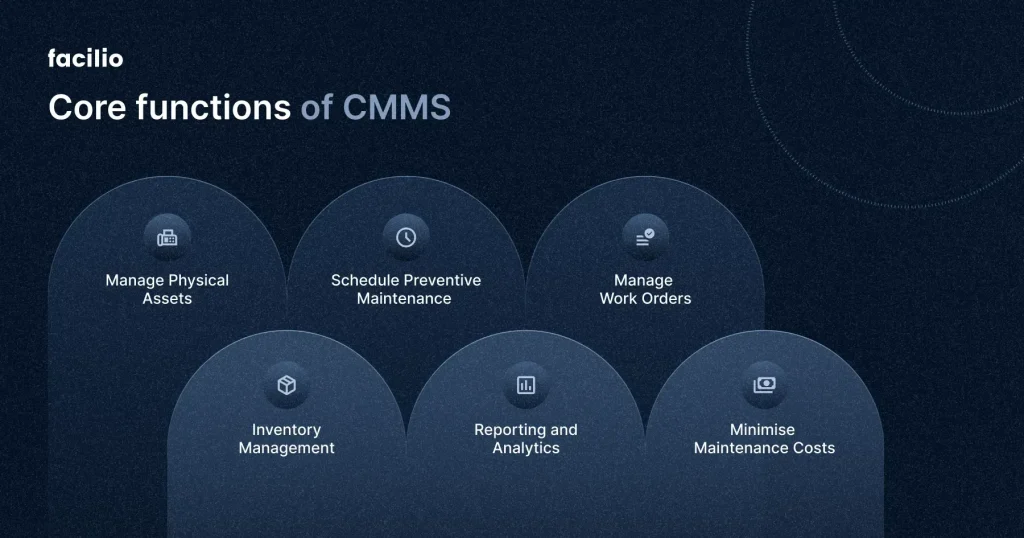
Computerized Maintenance Management System (CMMS) software organizes your maintenance tasks in one place. It schedules preventive maintenance automatically, tracks work orders, and keeps a detailed history of asset performance.
With CMMS, you can easily assign tasks, monitor progress, and generate reports. This gives you a clear picture of what needs attention and when. Imagine never missing a maintenance deadline because the system reminds you in advance.
Many users find that CMMS reduces paperwork and manual tracking, freeing up time to focus on more critical issues. Have you ever thought about how much time you spend just coordinating maintenance? CMMS can cut that drastically.
Iot Integration
The Internet of Things (IoT) connects your equipment to sensors that monitor conditions in real-time. These sensors can detect temperature changes, vibrations, or unusual noises that signal a problem before it becomes serious.
IoT integration allows your maintenance system to receive instant alerts, so you can act quickly. This proactive approach minimizes unexpected breakdowns and extends the life of your assets.
Consider how valuable it is to know the exact health status of your machines at any moment. IoT brings that visibility to your fingertips, helping you plan maintenance based on actual data rather than guesswork.
Predictive Maintenance Solutions
Predictive maintenance solutions transform how you handle equipment upkeep by anticipating failures before they occur. These solutions rely on continuous monitoring and smart analysis, allowing you to fix issues proactively rather than reactively. This shift not only saves time and money but also keeps your operations running smoothly without unexpected interruptions.
Data Analytics
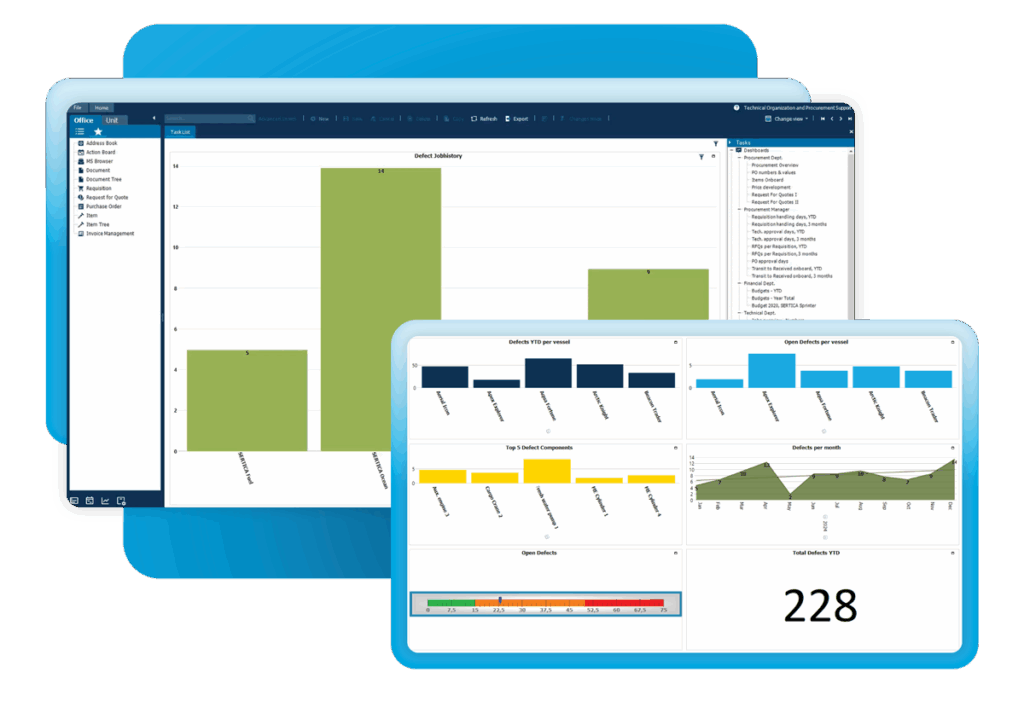
Data analytics plays a crucial role in predictive maintenance by turning raw data into clear insights. Sensors installed on machines collect vast amounts of information, such as temperature, vibration, and pressure. Analyzing these data points helps identify patterns that signal potential problems.
Imagine you run a factory where a critical machine tends to overheat before breaking down. Data analytics can detect subtle temperature changes over time, alerting you to intervene early. This means you avoid costly downtime and reduce repair expenses.
You might wonder, how much data is enough? It depends on your equipment and industry, but even a simple data tracking system can reveal hidden trends. Start small and build your analytics capabilities gradually to fit your needs and budget.
Machine Learning Applications
Machine learning takes predictive maintenance a step further by automatically learning from data to improve predictions. It uses algorithms that adapt as they process more information, spotting complex patterns humans might miss. This makes your maintenance system smarter and more accurate over time.
For example, a machine learning model can predict when a part will fail based on past breakdowns and real-time sensor data. This helps you schedule maintenance exactly when needed, avoiding unnecessary checks or sudden failures.
Have you considered how machine learning could change your maintenance workflow? Even if you’re new to it, many tools are designed to integrate easily with existing systems. Start experimenting with machine learning to see how it can sharpen your maintenance planning.
Scheduling And Planning Techniques
Scheduling and planning techniques play a crucial role in simplifying a planned maintenance system. Without clear scheduling, maintenance tasks can overlap, resources may be wasted, and unexpected downtime could increase. Efficient planning helps you stay ahead of issues and keeps operations running smoothly.
Resource Allocation
Allocating resources effectively means assigning the right people, tools, and materials to each maintenance task. You need to balance workload so no technician is overwhelmed or underused.
Think about how often you’ve seen equipment idle because a specialist wasn’t available, or materials arriving late. Avoid these pitfalls by tracking availability and skill sets in real-time.
- Use software to monitor workforce schedules and skill levels.
- Keep an updated inventory to avoid delays caused by missing parts.
- Assign tasks based on technician expertise to reduce repair time.
Time Management Strategies
Time management is vital in planned maintenance to prevent disruptions and extend equipment life. Break down maintenance jobs into smaller tasks with clear deadlines.
Have you ever noticed how much more manageable a project feels when it’s divided into chunks? This approach helps keep progress visible and deadlines achievable.
- Set realistic time frames considering task complexity and resource availability.
- Prioritize urgent maintenance without ignoring routine checks.
- Use reminders and alerts to ensure no task is overlooked.
Credit: www.sertica.com
Mobile Solutions For Maintenance
Mobile solutions have transformed how maintenance teams manage tasks. They help workers access information anywhere and anytime. Using mobile tools simplifies planned maintenance systems, making work smoother and faster.
Mobile Apps
Mobile apps give maintenance teams instant access to schedules and work orders. Workers can update task status right from the job site. Apps store manuals, checklists, and asset data on the device. This reduces paperwork and errors. Teams complete tasks with clear instructions and fewer delays.
Real-time Updates
Real-time updates let teams share information instantly. When a task is done, the system updates automatically. Supervisors see progress immediately and assign new jobs quickly. Alerts notify teams about urgent issues or changes. This fast communication cuts downtime and improves equipment uptime.
Training And Skill Development
Training and skill development play a crucial role in simplifying a planned maintenance system. When your team knows exactly what to do and how to do it, maintenance tasks become smoother and more efficient. This not only reduces downtime but also extends the life of your equipment.
Workforce Education
Educating your workforce means more than just providing instructions. It involves hands-on training, clear guidelines, and continuous learning opportunities. When your technicians understand the ‘why’ behind each maintenance task, they perform with greater confidence and accuracy.
Consider how a technician who has attended specialized workshops can spot potential issues before they escalate. This proactive approach minimizes unexpected breakdowns and keeps your system running seamlessly. Have you noticed how a well-informed team can transform your maintenance routine?
Certification Programs
Certification programs offer a structured path for skill development. They validate your team’s expertise and encourage a commitment to quality maintenance practices. Certifications often include both theoretical knowledge and practical assessments, ensuring your workforce is job-ready.
Investing in certification can also boost employee morale and retention. Workers feel valued when their skills are recognized, leading to higher motivation and better performance. What certifications could your team benefit from to enhance your maintenance system?
Credit: facilio.com
Case Studies Of Successful Implementation
Case studies reveal how planned maintenance systems improve operations. These real-world examples show practical benefits and challenges. They help businesses understand what works best. Learning from others avoids common mistakes and saves time.
Industry Examples
Manufacturing plants use planned maintenance to reduce downtime. Scheduled checks catch machine problems early. This cuts repair costs and keeps production steady.
In the transportation sector, fleets follow maintenance calendars. This prevents unexpected vehicle breakdowns. It ensures safety and boosts reliability for daily routes.
Facilities management relies on planned tasks for HVAC and lighting. Regular service extends equipment life. It also lowers energy consumption and utility bills.
Lessons Learned
Clear communication is key to successful maintenance plans. Teams must know their roles and schedules. This avoids missed tasks and confusion.
Data tracking helps measure maintenance effectiveness. It shows which actions reduce failures most. Managers can adjust plans based on real results.
Flexibility matters. Systems should allow quick updates for new issues. Rigid plans may fail when unexpected problems arise.
Training staff on tools and processes improves compliance. Skilled workers complete tasks faster and with fewer errors. Ongoing education keeps skills sharp.
Frequently Asked Questions
What Is A Planned Maintenance System?
A planned maintenance system schedules regular equipment checks and repairs. It helps prevent unexpected failures and extends asset life. This system improves reliability and reduces downtime by ensuring timely maintenance tasks. It is essential for efficient facility management and cost control.
How Does Planned Maintenance Improve System Reliability?
Planned maintenance minimizes breakdowns by addressing issues before they worsen. Regular checks and servicing keep equipment in optimal condition. This proactive approach ensures consistent performance and reduces emergency repairs. Ultimately, it enhances overall system reliability and operational efficiency.
What Tools Simplify Planned Maintenance Systems?
Computerized Maintenance Management Systems (CMMS) simplify planning and tracking maintenance. These tools automate scheduling, work orders, and record-keeping. They provide real-time data for better decision-making. CMMS solutions boost productivity and help maintain compliance with maintenance standards.
Why Is Scheduling Important In Planned Maintenance?
Scheduling ensures maintenance tasks occur at optimal intervals, preventing failures. It balances workload and resource allocation efficiently. Proper scheduling reduces downtime and extends equipment lifespan. This systematic approach enhances operational continuity and cost-effectiveness.
Conclusion
A planned maintenance system works best when it stays simple and clear. Easy steps save time and reduce errors. Choosing the right tools helps keep everything organized. Regular checks prevent bigger problems later on. Clear schedules and simple tracking make tasks easier to follow.
A smooth maintenance plan keeps machines running well and lowers costs. Simple methods help teams work better and stay focused. Small changes can lead to big improvements in maintenance work. Keep it simple. Keep it effective.


