

Are you curious about what makes an Electronic Health Record (EHR) so essential in healthcare? Understanding the key components of an EHR can help you see how it improves patient care and streamlines medical processes.
Whether you’re a patient wanting to know what information is stored about you or a healthcare professional aiming to use EHRs more effectively, this guide breaks down the must-know parts of an EHR. Keep reading to discover how these components work together to make healthcare smarter, faster, and safer for you.
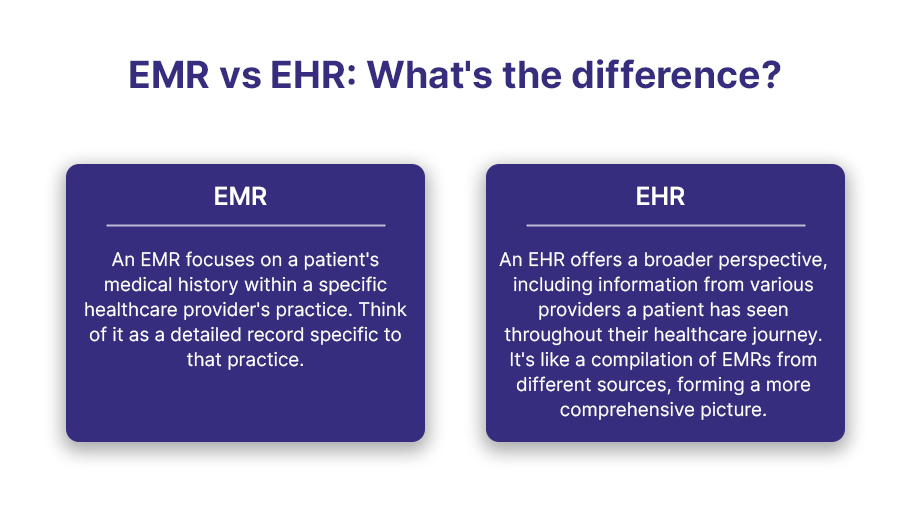
Credit: bellmedex.com
Core Elements Of Electronic Health Records
Electronic Health Records (EHRs) are built around several core elements that make patient care more efficient and accurate. These components are essential because they provide a clear, organized snapshot of a patient’s health status. Understanding these key parts helps you appreciate how EHRs improve communication between healthcare providers and empower patients to take control of their health.
Patient Demographics
Patient demographics include basic but crucial information such as name, date of birth, gender, and contact details. This data ensures that healthcare providers identify and treat the right person without confusion. Imagine the chaos if a doctor accessed the wrong patient’s records; accurate demographics prevent such errors and speed up care delivery.
Medical History
Your medical history in an EHR covers past illnesses, surgeries, allergies, and family health patterns. This record helps doctors avoid repeating tests and makes it easier to spot patterns that affect your health. Have you ever thought about how much time is saved when your doctor knows your full medical story upfront?
Medication Lists
Medication lists track all the drugs you are currently taking, including dosages and frequency. This component helps avoid harmful drug interactions and alerts providers to allergies or side effects you’ve experienced. It’s like having a safety net that protects you from medication mistakes during every visit.
Clinical Documentation
Clinical documentation is the backbone of any Electronic Health Record (EHR) system. It captures every detail about a patient’s health journey, ensuring healthcare providers have accurate, up-to-date information at their fingertips. Without thorough documentation, the quality of care suffers, and communication between providers becomes challenging.
Progress Notes
Progress notes track a patient’s condition over time, recording daily updates from healthcare providers. These notes include observations, treatments given, and responses to those treatments. When you review progress notes, you get a clear timeline of a patient’s health, which helps in making informed decisions quickly.
Imagine a doctor treating a patient with a chronic illness. Consistent progress notes allow the doctor to notice subtle changes that might otherwise go unnoticed. This can be the difference between catching a complication early or missing it entirely.
Care Plans
Care plans outline the strategy for managing a patient’s health issues. They include goals, interventions, and timelines agreed upon by both the healthcare team and the patient. A well-documented care plan keeps everyone aligned and focused on the same objectives.
You might wonder how detailed your care plan should be. The answer is: as detailed as necessary to cover all aspects of care, including medication schedules, therapy sessions, and lifestyle changes. This clarity helps avoid confusion and ensures that you, as a patient or provider, know what steps to take next.
Clinical Assessments
Clinical assessments provide a snapshot of a patient’s health status through tests, evaluations, and observations. These assessments guide diagnosis and treatment by highlighting key health indicators. Accurate documentation of assessments ensures that nothing important slips through the cracks.
Think about how a nurse documenting vital signs can influence a physician’s decisions. If the nurse notices an abnormal reading and records it promptly, the physician can react swiftly. This real-time information sharing can significantly improve patient outcomes.
Diagnostic Data
Diagnostic data is a critical part of any Electronic Health Record (EHR). It provides the detailed information doctors need to understand your health status and make informed decisions. This data includes various test results and reports that reveal what’s happening inside your body.
Laboratory Test Results
Laboratory test results show the outcomes of blood work, urine analysis, and other lab exams. These results help track conditions like diabetes, cholesterol levels, and infections. You might notice your doctor referring to specific numbers, such as glucose levels or white blood cell counts, to adjust your treatment.
Having quick access to your lab results in your EHR means you can monitor your health progress closely. It also prevents repeated tests, saving you time and discomfort. How often do you check your lab results online or discuss them during appointments?
Radiology Reports
Radiology reports include images and interpretations from X-rays, CT scans, MRIs, and ultrasounds. These reports help detect fractures, tumors, or other abnormalities that physical exams might miss. Imagine being able to see the actual images and understand what the radiologist found without waiting for a specialist’s explanation.
With radiology data in your EHR, your healthcare team can coordinate better. It ensures everyone is on the same page, especially if multiple specialists are involved. Have you ever experienced delays because your imaging results weren’t shared promptly?
Pathology Findings
Pathology findings come from examining tissue samples under a microscope. These findings are crucial for diagnosing cancers, infections, and other diseases at a microscopic level. When your biopsy results are part of your EHR, your doctor can compare them with other diagnostic data to plan the best treatment.
Keeping pathology reports in your digital record means you won’t lose vital information over time. It also allows you to get second opinions more easily since all the data is stored securely and ready to share. How confident do you feel when you have all your diagnostic information at your fingertips?
Treatment Information
Treatment information is a crucial part of an Electronic Health Record (EHR). It provides a detailed history of the medical care a patient has received. This data helps healthcare providers make informed decisions and ensures continuity of care.
Prescriptions
Prescriptions in an EHR list all medications a patient is currently taking or has taken in the past. This includes dosage, frequency, and prescribing doctor details.
Having this information readily available prevents dangerous drug interactions and allergic reactions. It also helps you keep track of your medication schedule easily.
Surgical Procedures
Surgical history documents all operations and procedures a patient has undergone. Details like the type of surgery, date, surgeon’s name, and outcomes are recorded.
This section is vital for understanding past interventions and planning future treatments. It can also reveal any complications that might affect current care.
Therapeutic Plans
Therapeutic plans outline ongoing or planned treatment strategies beyond medications and surgeries.
- Physical therapy routines
- Counseling sessions
- Rehabilitation programs
Knowing your therapeutic plan helps you stay engaged in your recovery process. It also allows your healthcare team to adjust treatments based on your progress.
Administrative Data
Administrative data is the backbone of any Electronic Health Record (EHR) system. It manages essential non-clinical information that keeps healthcare operations running smoothly. This data helps healthcare providers, insurers, and patients stay organized and ensures accurate communication and billing.
Insurance Information
Your insurance details are a critical part of administrative data. They include your policy number, coverage limits, and the provider’s contact information. Having this info readily available in the EHR speeds up claim approvals and reduces billing errors.
Imagine visiting a new doctor and the office staff quickly verifies your insurance without you having to dig through papers. That efficiency comes from well-maintained insurance information within the EHR.
Billing Records
Billing records track every charge related to your healthcare services. This includes consultations, treatments, and any lab tests performed. These records ensure that you and your insurer receive accurate invoices and payment histories.
Think about how frustrating it is to receive a bill for services you never got. Proper billing records in the EHR prevent such mistakes, saving you time and stress.
Appointment Scheduling
Appointment scheduling data allows you and your healthcare team to manage visits efficiently. It records dates, times, and the purpose of each appointment. This helps prevent double bookings and forgotten visits.
Have you ever missed an appointment because of unclear scheduling? Good EHR systems send reminders and keep your calendar organized, so you never miss important health checkups.
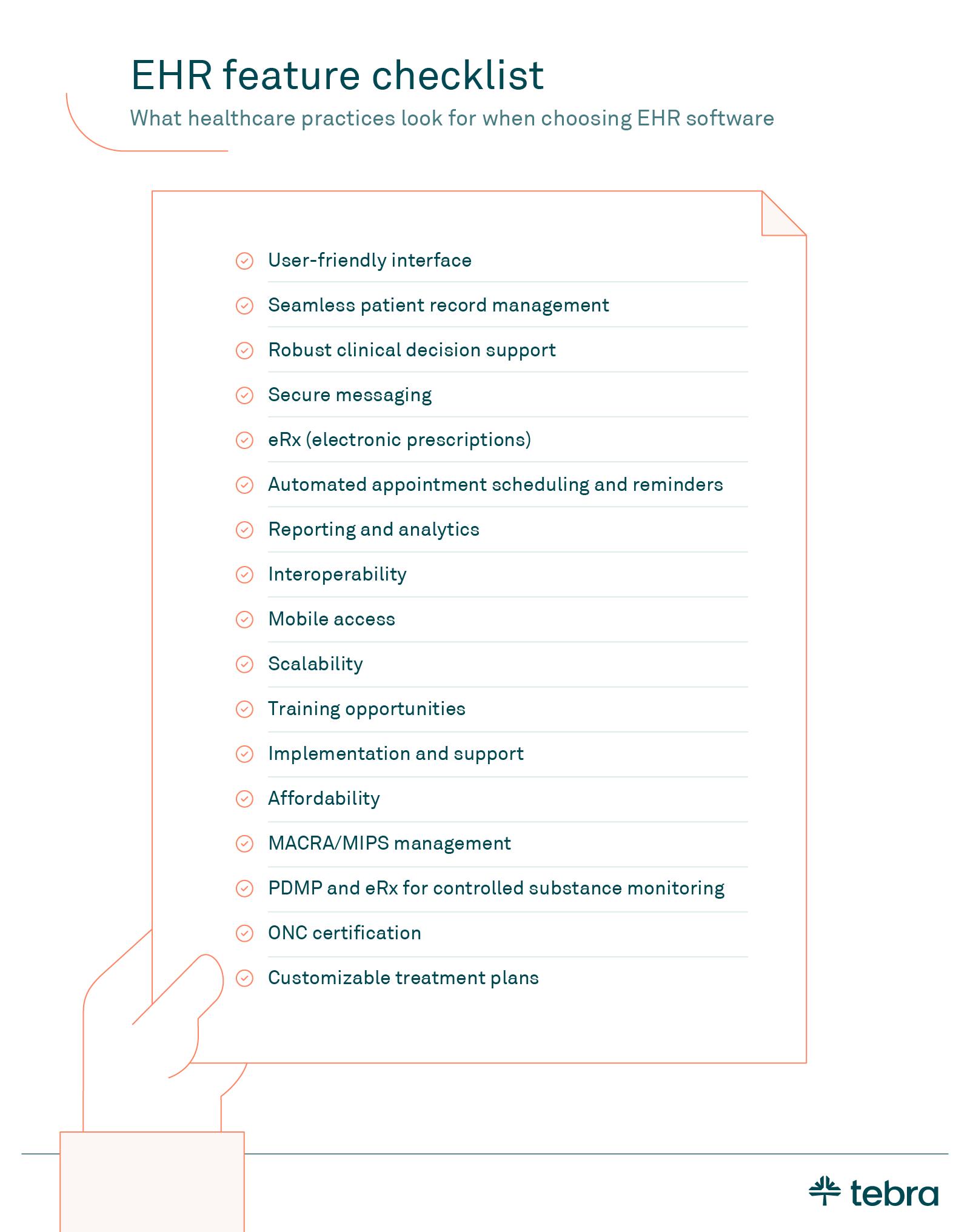
Credit: www.tebra.com
Interoperability Features
Interoperability features are essential for Electronic Health Records (EHR) to work well across different healthcare systems. They allow various software and devices to share patient data seamlessly. This sharing improves care quality and reduces errors. Smooth communication between systems saves time and supports better decision-making.
Data Exchange Standards
Data exchange standards set rules for how health information is shared. Common standards include HL7, FHIR, and DICOM. These standards ensure data is consistent and understood by all systems. They allow doctors and hospitals to access accurate patient records quickly. Using standard formats avoids confusion and data loss.
System Integration
System integration links EHR with other healthcare software and devices. This connection enables real-time updates of patient data. Labs, pharmacies, and imaging centers can send results directly to the EHR. Integration reduces manual entry and errors. It also helps healthcare teams work together smoothly.
Health Information Networks
Health Information Networks (HINs) connect multiple healthcare providers and organizations. They create a shared space to exchange patient data securely. HINs support coordinated care and reduce duplicate tests. They also help track patient history across different locations. This network improves overall patient outcomes and safety.
Security And Privacy Measures
Security and privacy measures are crucial in electronic health records (EHR) to protect sensitive patient information. Without strong safeguards, personal health data can be vulnerable to unauthorized access or breaches. Understanding these measures helps you trust that your health information stays safe and confidential.
Access Controls
Access controls limit who can view or change health records. This means only authorized personnel like doctors, nurses, or you can access certain information. Systems often use unique logins, passwords, and role-based permissions to keep data secure.
Think about your own experience logging into apps or websites—you expect to see only your information. EHR systems work the same way, ensuring medical staff see only the data necessary for your care. This reduces the risk of accidental exposure or misuse of your health details.
Data Encryption
Data encryption scrambles information so that it’s unreadable without the right key. This protects your records when they are stored or shared across networks. Even if hackers intercept the data, encryption keeps it safe from being understood or used improperly.
Imagine sending a confidential message in code only you and the receiver can decode. Encryption in EHRs acts like that secret code, adding a vital layer of protection. It’s essential especially when records move between hospitals, labs, or insurance companies.
Compliance With Regulations
EHR systems must follow strict laws like HIPAA in the U.S. or GDPR in Europe to safeguard patient privacy. These regulations set standards for data handling, access, and reporting breaches. Compliance means your health provider is legally required to protect your information and notify you if it’s compromised.
Have you ever wondered what happens if your data is mishandled? Regulatory compliance ensures there are consequences and remedies. This gives you more control and confidence in how your health information is managed.
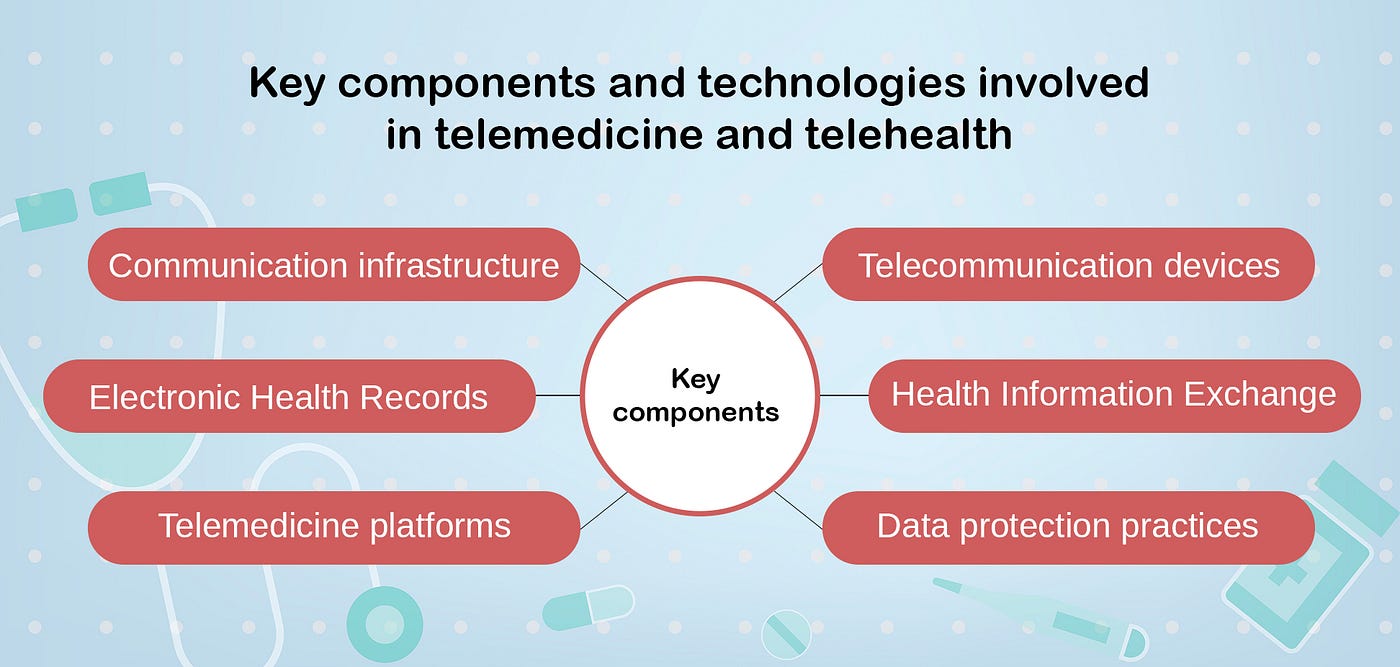
Credit: medium.com
Patient Engagement Tools
Patient Engagement Tools are vital parts of Electronic Health Records (EHR) that put you at the center of your healthcare journey. These tools help you communicate with your healthcare providers, access your medical information, and manage your health actively. They make healthcare more transparent and convenient, helping you stay informed and involved every step of the way.
Patient Portals
Patient portals act as your personal gateway to your health records. Through secure login, you can view test results, schedule appointments, and message your doctor directly.
Imagine quickly checking your lab results from home without calling the clinic. This saves time and reduces stress, especially when you need quick answers.
Have you ever wanted to review your medication list or update your health history? Patient portals give you that control, making your healthcare experience more tailored to your needs.
Telehealth Integration
Telehealth integration connects you with healthcare providers through video calls or online chats, right from your device.
This tool is especially useful if you have mobility issues or live far from medical centers. It brings care to you, eliminating travel and wait times.
Think about how convenient it is to have a follow-up visit without leaving your home. Telehealth can also help you manage chronic conditions with regular virtual check-ins.
Health Tracking Applications
Health tracking apps linked to EHRs let you monitor vital signs like blood pressure, glucose levels, and physical activity.
You can share this real-time data with your provider, who can adjust your treatment plan accordingly. This ongoing monitoring helps catch problems early.
Have you tracked your daily steps or sleep patterns? These apps encourage you to stay active and aware of your health habits, making you a partner in your care.
Frequently Asked Questions
What Are The Essential Components Of An Ehr System?
An EHR system includes patient demographics, medical history, medication lists, lab results, and clinical notes. These components ensure comprehensive patient data management for accurate diagnosis and treatment.
How Do Ehr Components Improve Patient Care Quality?
EHR components provide quick access to patient records, reduce errors, and enable better coordination among healthcare providers. This leads to improved decision-making and patient outcomes.
What Role Does Medication Management Play In Ehrs?
Medication management tracks prescriptions, allergies, and drug interactions. It helps prevent errors and ensures safe and effective treatment plans for patients.
Why Is Clinical Documentation Important In Ehrs?
Clinical documentation records patient encounters, diagnoses, and treatments. It supports continuity of care and legal compliance while facilitating communication among healthcare teams.
Conclusion
Electronic Health Records have many important parts. Each part helps doctors and nurses work better. Patient information, test results, and medication details all keep care safe. Easy access to data saves time and reduces mistakes. Understanding these components helps healthcare run smoothly.
Good records mean better treatment for everyone. Clear, simple systems support doctors and patients alike. This knowledge makes health care easier and more reliable.


