
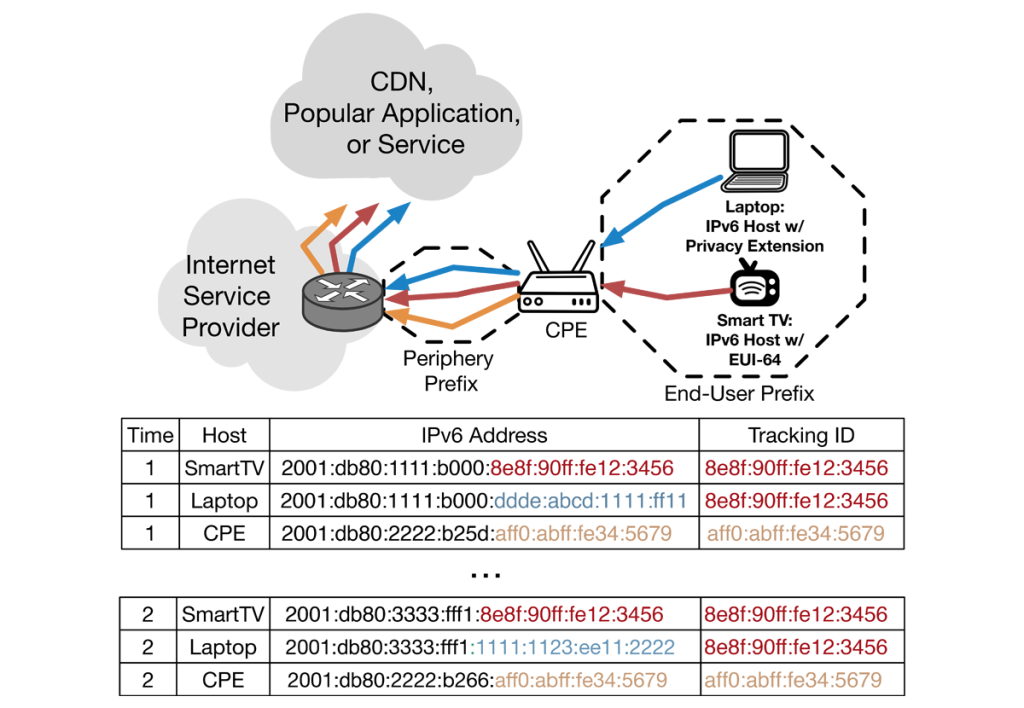
Have you ever wondered how your smart devices connect and communicate so smoothly? The secret lies in the invisible language they use to talk to the internet.
One important part of this language is something called IPv6. But what exactly is IPv6, and do your smart devices really use it? Understanding this can help you see how the technology around you is evolving—and why it matters for your daily life.
Keep reading to discover how IPv6 powers your smart gadgets and what it means for your connected world.
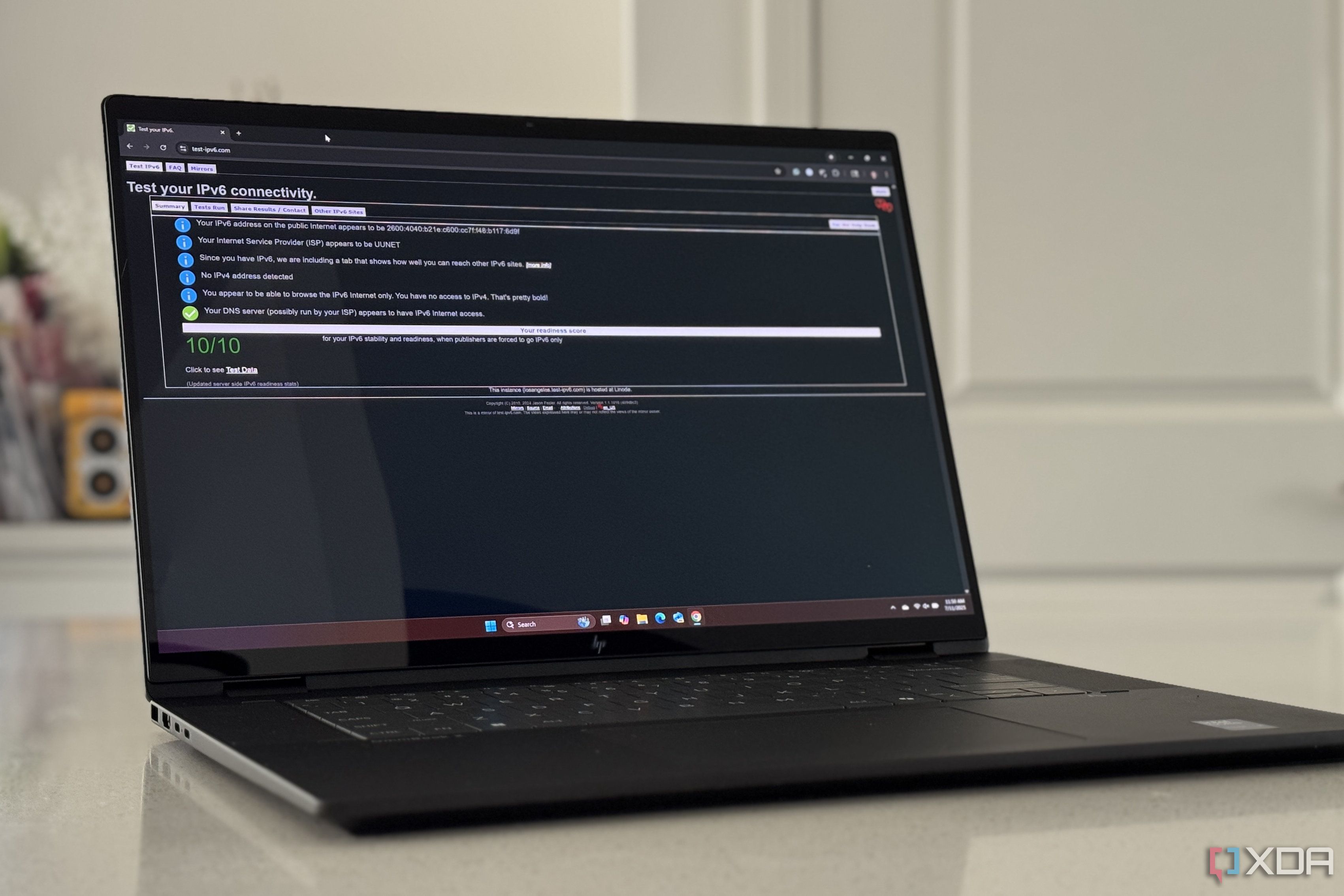
Credit: www.xda-developers.com
Smart Devices And Connectivity
Smart devices connect to the internet and each other to provide useful functions. Their connectivity shapes how well they perform and interact. Understanding the types of smart devices and the standards they use helps explain their network needs.
Types Of Smart Devices
Smart devices range widely in purpose and design. Common types include:
- Smartphones and tablets for communication and apps
- Smart home devices like thermostats, lights, and locks
- Wearable gadgets such as fitness trackers and smartwatches
- Connected appliances including refrigerators and washing machines
- Industrial IoT sensors for monitoring and automation
Each device connects differently depending on its role and required speed.
Current Connectivity Standards
Smart devices use multiple standards to connect to networks. The main standards are:
- Wi-Fi for high-speed local network access
- Bluetooth for short-range device communication
- Cellular networks (3G, 4G, 5G) for wide-area mobile access
- Zigbee and Z-Wave for low-power home automation
- Ethernet for wired and stable connections
These standards support IPv4 and increasingly IPv6 addresses to handle more devices.
Ipv6 Basics
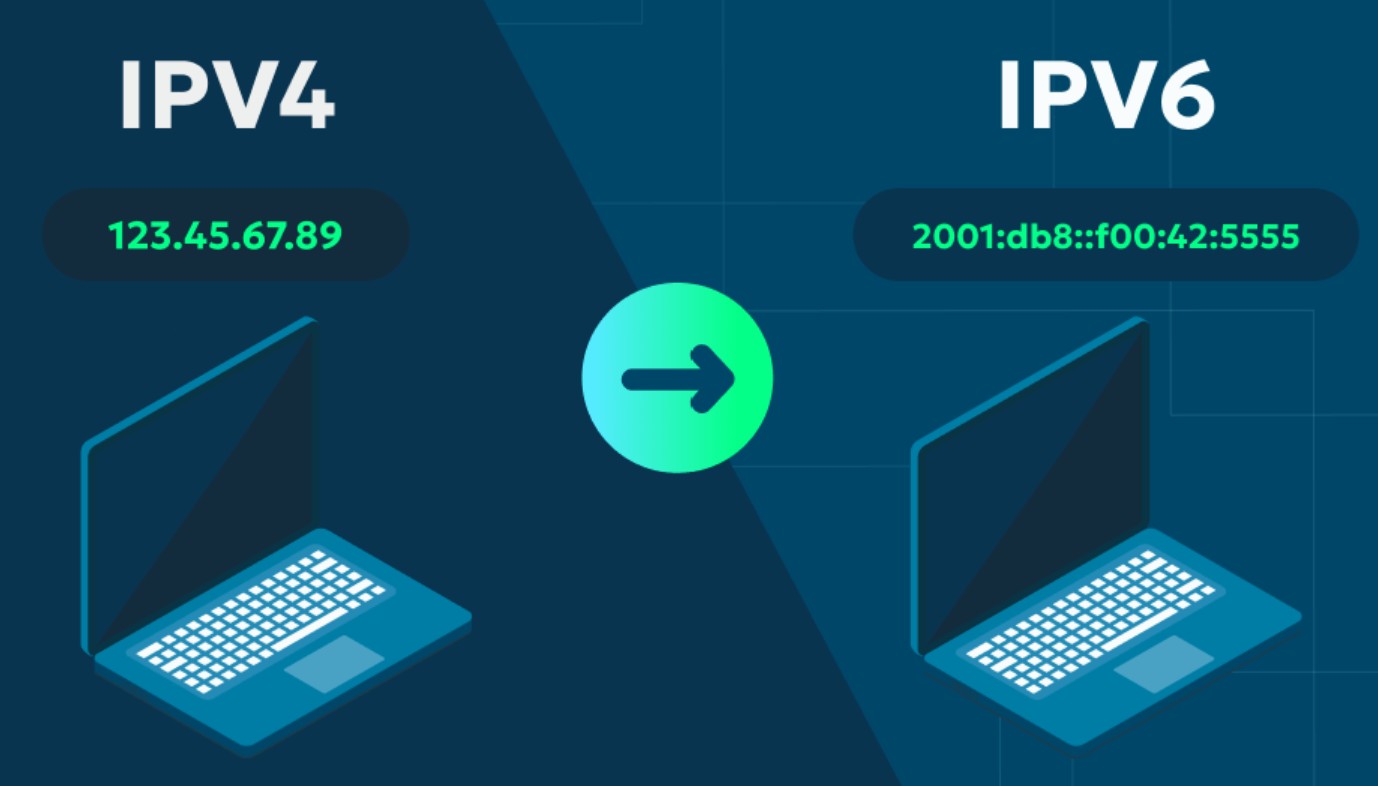
IPv6, or Internet Protocol version 6, is the latest system for internet addresses. It replaces the older IPv4 system and provides a much larger pool of addresses. This change is important because smart devices need unique addresses to connect and communicate. IPv6 also improves security and network efficiency. Understanding its basics helps us see why smart devices rely on it more every day.
Key Features Of Ipv6
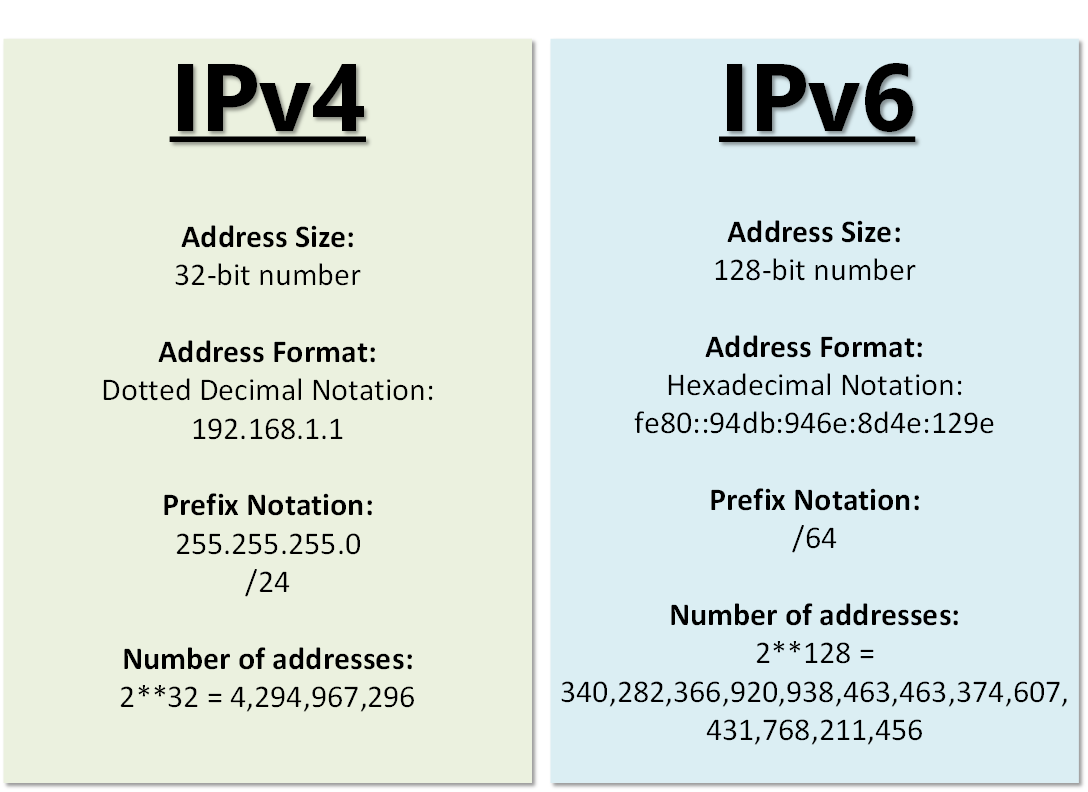
- Uses 128-bit addresses, allowing billions of unique IPs.
- Supports auto-configuration, so devices can set up themselves.
- Built-in security with IPsec for safer data transfers.
- Simplifies network routing with a hierarchical structure.
- Improves multicast and anycast abilities for better data delivery.
Benefits Over Ipv4
- Vastly more address space to support many smart devices.
- Reduces the need for Network Address Translation (NAT).
- Improves network performance and reliability.
- Supports better mobile device connectivity.
- Offers enhanced security features by design.
Ipv6 Adoption In Smart Devices
IPv6 adoption in smart devices is growing steadily as the internet expands. These devices need unique IP addresses to communicate. IPv4, the older system, has limited addresses. IPv6 offers a vast number of addresses, solving this limit. Smart devices benefit from IPv6 by improving connectivity and future-proofing networks.
Integration Challenges
Many smart devices still rely on IPv4 due to legacy systems. Changing to IPv6 requires updating software and hardware. This process can be costly and time-consuming. Some devices face compatibility issues with older networks. Security concerns arise during the transition. Training developers and technicians also slows adoption. Network infrastructure must support IPv6 to work properly with smart devices.
Manufacturers Embracing Ipv6
Leading manufacturers now include IPv6 in new devices. This shift helps devices connect directly to the internet. Companies focus on IPv6 to support more devices in homes. Firmware updates often add IPv6 support to existing products. Manufacturers promote IPv6 for better security and speed. Consumer demand for smart home and IoT devices drives this change. The trend points to broader IPv6 use in the future.
Credit: cybershack.com.au
Impact Of Ipv6 On Device Performance
IPv6 impacts smart device performance in several key ways. It offers a larger pool of IP addresses, which reduces network congestion. This leads to faster and more reliable connections. Devices can communicate more efficiently without address conflicts. Overall, IPv6 helps smart devices run smoother and respond quicker.
Improved Addressing And Scalability
IPv6 provides a vast number of IP addresses. This allows more smart devices to connect directly to the internet. No need for complex workarounds like NAT (Network Address Translation). Each device can have a unique address, simplifying communication.
Networks can grow without running out of addresses. This is crucial as the number of smart devices increases daily. Scalability improves, and devices maintain stable connections. It reduces delays caused by address conflicts or shortages.
Enhanced Security Features
IPv6 includes built-in security protocols like IPsec. This offers better encryption and authentication for data. Smart devices can send information more safely over the internet. It helps protect personal data and prevent hacking.
Security features work at the network layer, making them more effective. Devices benefit from stronger defenses without extra software. This reduces risks and improves trust in smart home and office setups.
Future Connectivity Trends
Future connectivity trends are shaping how our devices communicate and interact. As more smart devices enter homes and workplaces, the need for a reliable and scalable internet protocol becomes critical. IPv6 stands out as a key player in meeting the demands of this expanding digital ecosystem.
Ipv6 And Internet Of Things
The Internet of Things (IoT) involves billions of devices connected to the internet. Each device needs a unique IP address, something IPv4 struggles to provide due to its limited address space.
IPv6 offers a vast number of addresses, enabling every smart device—from your thermostat to security cameras—to have its own identity online.
Imagine your smart fridge sending notifications independently while your home automation system runs smoothly without IP conflicts. IPv6 makes this seamless connection possible.
Role In 5g And Beyond
5G networks promise ultra-fast speeds and low latency, but they require efficient IP management to handle massive device connections.
IPv6 supports 5G by providing enough addresses and better routing efficiency, which keeps your smart devices responsive and reliable.
Looking ahead, as technologies evolve beyond 5G, IPv6 will remain essential in supporting new applications that demand high bandwidth and real-time communication.
Preparing For An Ipv6 World
Preparing for an IPv6 world means getting ready for a major shift in how devices connect and communicate on the internet. Since IPv4 addresses are running out, IPv6 offers a much larger pool of addresses, which is essential for the growing number of smart devices in homes and workplaces. You might already own several smart gadgets that rely on IP addresses, so understanding what changes are needed can help you avoid connectivity issues and security risks.
Network Infrastructure Upgrades
Your current network setup might not fully support IPv6 yet. Upgrading routers, switches, and firewalls to handle IPv6 traffic is crucial. Many older devices only understand IPv4, which can create bottlenecks or prevent smart devices from connecting properly.
Internet Service Providers (ISPs) are also rolling out IPv6 support, but it’s important to check if your ISP offers IPv6 connectivity. If not, you might face limitations when adding new smart devices that require unique IP addresses.
Here are some quick actions you can take:
- Check if your router firmware supports IPv6 and update it regularly.
- Replace outdated network hardware that doesn’t support IPv6.
- Test your home network’s IPv6 readiness using online tools.
User And Developer Considerations
As a user, you may wonder how IPv6 affects your smart devices daily. The shift means better direct connections between devices, which can improve speed and reduce reliance on complicated workarounds like NAT (Network Address Translation).
If you develop apps or software for smart devices, you should ensure your code supports IPv6. This includes handling IPv6 addresses correctly and testing your apps in IPv6-only environments.
Think about these questions:
- Is your smart home app or device firmware updated to support IPv6?
- Have you tested connectivity and security features under IPv6?
Ignoring IPv6 readiness can lead to unexpected failures or security gaps. Taking small steps today can keep your smart devices working smoothly tomorrow.
Credit: blog.c2si.org
Frequently Asked Questions
Do Smart Devices Support Ipv6 Technology?
Yes, most smart devices support IPv6. Modern devices are designed to handle IPv6 for better connectivity. IPv6 offers numerous IP addresses, enhancing device communication. As the Internet of Things (IoT) expands, IPv6 becomes crucial. It ensures seamless device integration and improves network efficiency.
Why Is Ipv6 Important For Smart Devices?
IPv6 is essential for smart devices due to its vast address space. It supports billions of devices, enhancing connectivity. IPv6 also improves security and network performance. With IoT growth, IPv6 ensures efficient communication among devices. It enables smart homes, cities, and industries to function smoothly and securely.
How Does Ipv6 Improve Smart Device Performance?
IPv6 improves smart device performance by providing more IP addresses. This enhances connectivity and reduces latency. It also supports direct device-to-device communication, boosting efficiency. IPv6’s improved routing and security features enhance device interaction. This results in faster, more reliable smart device operations in various environments.
Are Older Smart Devices Compatible With Ipv6?
Some older smart devices may not support IPv6. Manufacturers often update firmware to enable compatibility. However, not all devices receive updates. It’s essential to check device specifications and support documentation. Using an IPv6-enabled network can improve connectivity and performance for compatible devices.
Conclusion
Smart devices increasingly rely on IPv6 for better connectivity. This new protocol offers more IP addresses than IPv4. It helps devices connect smoothly and securely online. Many smart gadgets now support IPv6 by default. This change ensures future-proof networks and fewer connection issues.
Users benefit from faster, more stable internet access. As technology grows, IPv6 use will only rise. Staying aware of this helps understand smart device trends. The internet’s future depends on IPv6 adoption and smart tech advancement.


