
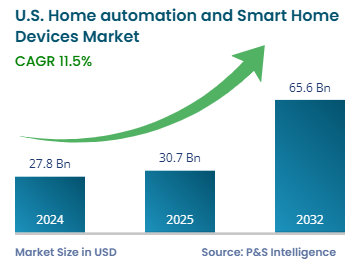
Imagine a world where everything in your home is connected and can be controlled with a simple tap on your smartphone. This isn’t the future; it’s happening right now, and you are part of this technological revolution.
With smart devices becoming a staple in households across the United States, you might wonder just how many of these gadgets are in use. You might be surprised to discover the sheer number of smart devices that are changing the way you live, work, and play.
From smart speakers that understand your voice to thermostats that learn your preferences, these devices are more than just conveniences—they are reshaping your daily life. Dive into this article to uncover the fascinating world of smart technology and find out how many smart devices are currently in use in the U. S. You might just be inspired to add a few more to your collection.
Smart Device Growth Trends
Smart devices are becoming part of everyday life. Their use grows fast in homes and workplaces. Understanding growth trends helps us see how these devices change lives and industries. Let’s explore the history, recent changes, and what the future holds for smart devices in the US.
Historical Adoption Rates
Smart devices started gaining popularity in the early 2010s. At first, only tech enthusiasts used them. Slowly, more people joined as prices dropped. By 2015, many households had at least one smart device. Early adopters included smart speakers and fitness trackers. Adoption grew steadily, reaching millions within a few years.
Recent Market Expansions
The market for smart devices expanded rapidly after 2018. New types of devices appeared, like smart thermostats and security cameras. Businesses also began using smart devices for efficiency. The COVID-19 pandemic boosted demand for home automation and remote work tools. Today, smart devices serve many purposes beyond basic functions.
Future Projections
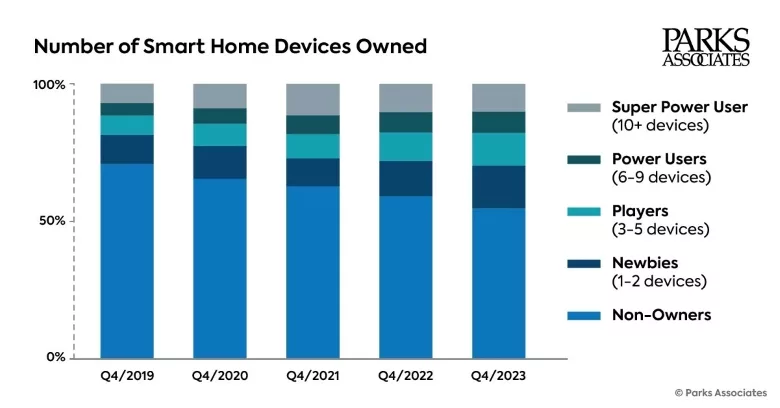
Experts expect smart device use to grow in the coming years. More homes will adopt smart technology for comfort and security. Advances in AI will make devices smarter and easier to use. The Internet of Things (IoT) will connect more devices seamlessly. By 2030, the average US household may have over 20 smart devices.
Credit: www.sdmmag.com
Types Of Smart Devices Popular In Us
The variety of smart devices in the US keeps expanding as technology advances and people seek more convenience. You might be surprised how many different types of gadgets connect to the internet and make daily tasks easier. Let’s look at some popular categories that many households and individuals rely on every day.
Smartphones And Tablets
Smartphones and tablets remain the most common smart devices. Almost everyone owns one, using them for communication, entertainment, and work. These devices constantly update apps and provide access to countless services, making them central to modern life.
Think about how often you reach for your phone in a day. It’s not just calls or texts anymore—streaming music, managing finances, or controlling other smart devices all happen through these tools.
Smart Home Gadgets
Smart home gadgets have transformed how you interact with your living space. Items like smart speakers, thermostats, and security cameras offer control at your fingertips. These devices often learn your routines, helping save energy and enhance security.
Have you noticed how adjusting the thermostat from your phone can make a cold morning more comfortable before you even get out of bed? That’s just one example of everyday convenience these gadgets add.
Wearable Technology
Wearables like smartwatches and fitness trackers are more than just accessories. They monitor your health, track workouts, and even provide notifications without pulling out your phone. Many users find these devices motivate healthier habits by giving real-time feedback.
Imagine getting a gentle reminder to stand up or breathe deeply during a busy day. These small nudges can improve your well-being in unexpected ways.
Connected Vehicles
Cars have become smart devices too. Connected vehicles offer GPS navigation, real-time traffic updates, and hands-free communication. Some models even integrate with your smartphone to control music or check vehicle status remotely.
Would you consider your car part of your smart device ecosystem? For many, it’s now an essential tool for staying connected on the go.
User Demographics And Device Usage
Understanding who uses smart devices in the US helps reveal important trends. User demographics shape device usage patterns across different groups. These patterns highlight preferences and access levels.
Age, location, income, and education all influence the types and numbers of devices people own. This section breaks down these key factors for clearer insight.
Age Group Preferences
Young adults lead in smart device adoption, especially smartphones and wearables. Teens and people in their 20s use multiple devices daily for social media and entertainment. Middle-aged users focus more on smart home gadgets and health devices. Older adults tend to have fewer devices but show growing interest in smart speakers and tablets for communication.
Urban Vs Rural Adoption
Urban areas have higher smart device usage due to better internet and infrastructure. Cities show more variety in device types, including smart home systems and connected cars. Rural areas lag behind but steadily increase adoption, mainly smartphones and tablets. Connectivity challenges limit the use of advanced smart devices in rural communities.
Income And Education Factors
Higher income groups own more smart devices and the latest models. They invest in smart home tech, fitness trackers, and personal assistants. People with college degrees tend to adopt technology faster and use devices for work and learning. Lower income groups prioritize essential devices like smartphones and basic tablets. Education helps users understand and fully use smart device features.
Credit: www.grandviewresearch.com
Impact Of Smart Devices On Daily Life
Smart devices have woven themselves into the fabric of daily life, changing how you interact, work, and take care of your health. Their presence is so natural that you might not realize how much they influence your routines. Understanding these impacts can help you use technology more effectively and avoid potential pitfalls.
Communication And Social Interaction
Your smart devices keep you connected in ways that were unimaginable a decade ago. With instant messaging, video calls, and social media apps, you can reach friends and family anytime, anywhere.
But have you noticed how these devices sometimes pull your attention away from face-to-face conversations? Balancing screen time with real-world interaction is key to maintaining strong relationships.
Work And Productivity
Smartphones, tablets, and laptops let you work from almost anywhere. Notifications and apps keep you organized, help manage tasks, and facilitate quick decision-making.
Still, the constant connectivity can blur boundaries between work and personal life. Setting clear limits on device use helps you stay focused without feeling overwhelmed.
Health And Fitness Monitoring
Wearables and health apps track steps, heart rate, and sleep patterns, giving you insights into your well-being. These tools encourage healthier habits by making progress visible and measurable.
However, relying too much on numbers might cause stress or obsession. Use these devices as guides, not judges, to support a balanced lifestyle.
Security And Privacy Concerns
Smart devices are everywhere in US homes and offices. They bring ease but also raise security and privacy concerns. Protecting personal information and devices is crucial to avoid risks and attacks.
Common Vulnerabilities
Many smart devices have weak passwords or outdated software. These flaws allow hackers to access devices easily. Some devices lack encryption, exposing data during transmission. Others collect more data than needed, increasing privacy risks. Vulnerabilities can lead to identity theft, spying, or unauthorized control.
Data Protection Measures
Manufacturers improve security by adding encryption and regular updates. Firewalls and secure networks help protect device connections. Users should enable two-factor authentication for added safety. Strong, unique passwords reduce chances of hacking. Backing up data ensures recovery after an attack or failure.
User Awareness And Behavior
Users play a key role in device security. Understanding risks helps avoid careless actions. Avoiding suspicious links and apps prevents malware infections. Regularly updating device software keeps protections current. Checking privacy settings limits data sharing to trusted sources only.
Economic Effects Of Smart Device Usage
The widespread use of smart devices has a clear impact on the economy. These gadgets are not just changing how you communicate or entertain yourself; they are shaping entire markets and job landscapes. Understanding these effects helps you see the bigger picture beyond daily convenience.
Market Value And Revenue
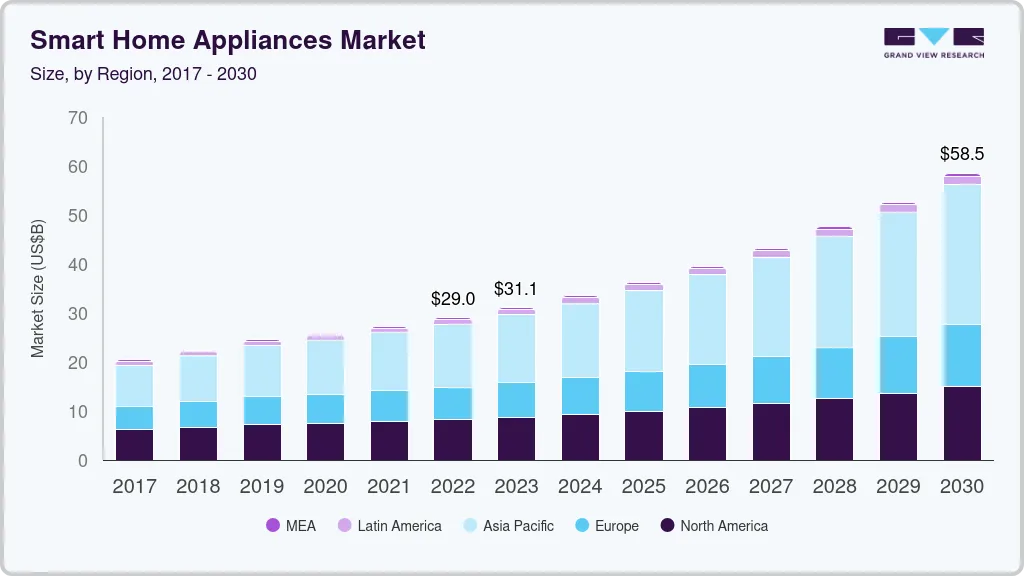
The market for smart devices in the U.S. has exploded, generating billions in revenue every year. From smartphones to smart home systems, these products create massive sales opportunities for companies.
Consider this: in 2023, smart device sales contributed over $150 billion to the U.S. economy. This growth encourages businesses to invest more in innovation, pushing the market value even higher.
Job Creation And Industry Shifts
Smart devices have changed the job market significantly. New roles in software development, device manufacturing, and tech support are on the rise.
But it’s not just about new jobs; some traditional roles have declined. For example, manual data entry jobs shrink as smart automation tools take over, pushing workers to develop new skills.
Consumer Spending Patterns
Your spending habits shift when smart devices become part of your life. You might spend more on apps, subscriptions, and accessories tied to these devices.
This also affects other industries like entertainment and retail, as people opt for streaming services and online shopping. How do your own spending choices change when a new device enters your home?

Credit: www.statista.com
Frequently Asked Questions
How Many Smart Devices Are Used In The Us Currently?
As of 2024, over 500 million smart devices are in use across the US. This includes smartphones, smart speakers, wearables, and IoT gadgets. The number reflects rapid adoption in homes and businesses, driven by connectivity and convenience.
What Types Of Smart Devices Are Most Popular In The Us?
Smartphones, smart speakers, smart TVs, and wearable devices lead in popularity. These devices enhance communication, entertainment, and health monitoring. Smart home devices like thermostats and security cameras are also widely adopted.
Why Is The Number Of Smart Devices Growing So Fast?
The growth is fueled by affordable technology, better internet access, and user-friendly interfaces. Increased remote work and smart home trends also boost demand. Consumers seek convenience, automation, and connectivity, driving the smart device market upward.
How Do Smart Devices Impact Daily Life In The Us?
Smart devices improve communication, automate tasks, and enhance security. They offer personalized experiences and health tracking. Many Americans rely on them for entertainment, home management, and staying connected with others.
Conclusion
Smart devices are part of daily life for many people in the US. Their number keeps growing fast every year. These devices help with work, home tasks, and entertainment. They connect people and make life easier. As technology improves, expect even more smart devices soon.
Understanding their use shows how technology shapes our lives today. Stay aware of how these devices impact your routine. The future will bring new ways to stay connected and smart.


