
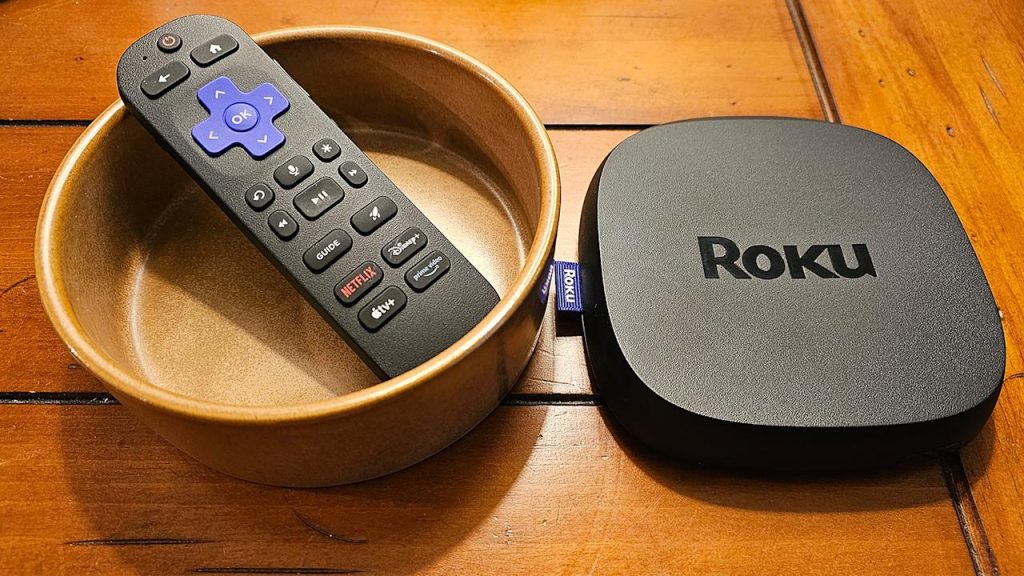
Imagine a world where your old television transforms into a smart powerhouse, unlocking endless entertainment options without the need for a clunky, traditional converter box. You’re probably wondering if any smart devices can act as a digital converter box and save you the hassle.
The short answer is yes, and the possibilities might surprise you. This article will reveal how you can easily upgrade your viewing experience using devices you might already have in your home. So, if you’re eager to breathe new life into your TV without breaking the bank, keep reading.
Discover the secrets to seamless streaming and find out which smart devices can double as your digital converter box. Your entertainment upgrade awaits!
Credit: www.telus.com
What Is A Digital Converter Box
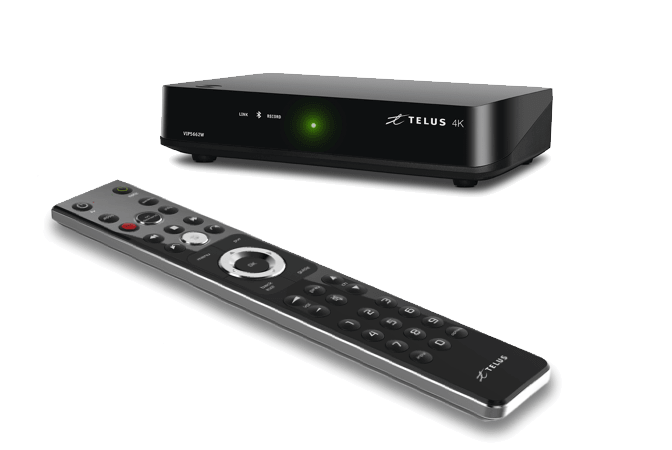
A digital converter box is a small device that helps older TVs receive modern digital signals. It acts as a bridge between old television sets and new broadcasting technology. This box makes it possible to watch digital channels without buying a new TV.
The digital switch changed how TV signals are sent. Older TVs only understand analog signals. Digital signals carry better picture and sound quality. The converter box changes these digital signals into analog, so the TV can show them.
Purpose And Function
The main role of a digital converter box is to decode digital TV signals. It receives broadcasts from local stations in digital form. Then, it converts these signals into a format the TV can display.
The box also allows access to more channels. It supports features like closed captions and electronic program guides. This gives viewers a better watching experience.
How It Works With Tvs
The converter box connects to the TV using cables. Usually, coaxial or HDMI cables are used. The box plugs into an antenna to receive digital signals.
Once connected, the TV must be set to the correct input. The box processes the signal and sends it to the TV. The TV then displays the channels as normal.
This setup allows older TVs to work with digital broadcasts. No need to replace the entire television set.

Credit: www.newsobserver.com
Smart Devices With Built-in Converter Features
Smart devices with built-in converter features simplify the transition from old to new TV signals. These devices can decode digital signals without extra equipment. This makes watching free over-the-air broadcasts easier for users. Many smart devices combine streaming and converter functions in one unit. They offer convenience and reduce clutter in your entertainment setup.
Smart Tvs
Most smart TVs have a digital tuner inside. This tuner acts like a converter box. It lets you watch digital broadcasts on your TV directly. No need for an external box or adapter. You just need an antenna to receive signals. Smart TVs also offer apps and internet access for more viewing options.
Streaming Devices
Streaming devices mainly stream internet content. They usually do not include built-in digital converters. To watch over-the-air broadcasts, you need a separate converter box. Some streaming devices support apps that work with external tuners. This setup can combine streaming and digital TV in one place.
Set-top Boxes
Set-top boxes often have built-in digital converters. They decode digital signals and send them to your TV. These boxes work with older TVs that lack smart features. Some models also include streaming apps and DVR functions. Set-top boxes offer a simple way to get digital TV on any screen.
Comparing Smart Devices And Traditional Converter Boxes
Smart devices and traditional digital converter boxes both serve to bring digital TV signals to your screen. Each has its own way of receiving signals and offering features. Understanding these differences helps in choosing the right device for your needs.
Signal Reception
Traditional converter boxes focus solely on receiving over-the-air digital TV signals. They connect to antennas and convert signals into a format your TV can display. Smart devices, like streaming sticks or smart TVs, rely on internet connections for content. Some smart devices include digital tuners, but many do not support antenna signals directly. This limits their ability to function exactly like converter boxes.
User Interface
Converter boxes have simple menus to scan channels and adjust settings. Their interface is basic and easy to use. Smart devices offer advanced interfaces with apps, voice commands, and personalized recommendations. They allow users to switch between streaming apps and live TV, often with richer visuals. The interface on smart devices is designed for interaction beyond just watching TV.
Additional Features
- Traditional converter boxes provide closed captioning and basic parental controls.
- Smart devices offer apps for streaming, games, and internet browsing.
- Many smart devices support voice assistants for hands-free control.
- Some smart TVs combine tuner functions with app access in one device.
- Converter boxes generally lack internet connectivity and app support.
Credit: www.engadget.com
Benefits Of Using Smart Devices As Converter Boxes
Using smart devices as digital converter boxes offers several benefits. These devices combine traditional TV signals with smart technology. This blend creates a smoother and richer viewing experience. Smart devices can handle digital signals and stream content from the internet.
Convenience And Integration
Smart devices simplify your TV setup. They connect easily to your existing TV and home network. One device can replace multiple gadgets. This reduces clutter and makes control easier. Use a single remote or app to access all features. Integration with other smart home devices also adds value.
Access To Streaming Services
Smart converter boxes offer more than just TV channels. You can watch popular streaming services directly. Services like Netflix, Hulu, and YouTube become available. This expands your entertainment options without extra devices. Stream shows, movies, and live events anytime you want.
Cost Considerations
Smart devices often save money over time. Buying one device for multiple functions cuts costs. No need to buy separate streaming players or converters. Some smart boxes are affordable and energy-efficient. This lowers electricity bills and reduces equipment expenses.
Limitations And Potential Issues
Smart devices offer incredible convenience, but using them as digital converter boxes comes with its own set of challenges. Understanding the limitations and potential issues can save you from frustration and unexpected costs. Let’s look at some key areas where smart devices may fall short.
Compatibility Concerns
Not every smart device can replace a digital converter box. Many smart TVs and streaming devices lack the necessary hardware to decode over-the-air (OTA) signals directly.
Even if a device claims compatibility, regional differences in broadcast standards can cause issues. You might find that your smart device can’t pick up local channels or certain formats.
Have you checked if your device supports the ATSC 3.0 standard or only older versions? This detail can make a big difference in what channels you receive.
Signal Quality
Smart devices often rely on Wi-Fi or internet streams rather than direct antenna connections. This can degrade the quality of the signal you receive.
Interference, weak signals, or network congestion might result in buffering, pixelation, or even loss of channels. A dedicated digital converter box usually handles these issues better.
Consider how often you experience interruptions in your streaming services. Would those same interruptions happen with OTA signals on your smart device?
Technical Support
When smart devices act as converter boxes, technical support can become complicated. Manufacturers may not offer help for OTA signal issues.
You might find yourself navigating multiple support channels—from TV manufacturers to app developers—without clear guidance.
Ask yourself: are you ready to troubleshoot signal problems on your own, or do you prefer straightforward support from a dedicated device?
How To Choose The Right Device For Your Tv
Choosing the right device for your TV can improve your viewing experience. Not all devices work the same way. Some smart devices act as digital converter boxes, but you need to pick one that fits your needs. Consider your TV type, the channels you want, and extra features. This helps avoid spending on unnecessary options and keeps things simple.
Assessing Your Needs
Think about what you want from the device. Does your TV only support older signals? Do you want access to digital channels? Check if the device supports high definition or just standard definition. Consider if you need recording options or internet connectivity. Knowing these helps find a device that matches your daily use.
Budget And Features
Set a budget before shopping. Devices vary widely in price. Basic models usually cover essential digital conversion. Higher-end devices might include smart apps, Wi-Fi, or DVR functions. Compare features carefully. Avoid paying for extras you don’t need. Focus on good performance and reliability within your price range.
Future-proofing Options
Technology changes fast. Choose a device that supports future updates. Look for compatibility with new broadcast standards. Check if firmware updates are available. A device with extra ports or smart features may last longer. This saves money and hassle later. Think about long-term use, not just immediate needs.
Frequently Asked Questions
Do Smart Tvs Function As Digital Converter Boxes?
Smart TVs often have built-in digital tuners that act like digital converter boxes. They can decode over-the-air signals without extra devices. However, older TVs without tuners need separate converter boxes to receive digital broadcasts.
Can Smart Devices Replace Traditional Digital Converter Boxes?
Yes, some smart devices like streaming sticks with tuner apps can replace traditional converter boxes. But not all smart devices support over-the-air signals. Check device specifications to confirm if it has a built-in digital tuner.
Which Smart Devices Work As Digital Converter Boxes?
Smart TVs, some streaming devices with tuners, and digital media players can work as digital converter boxes. Devices must support ATSC or DVB standards to decode digital TV signals. Verify tuner compatibility before use.
Do Smart Converter Boxes Improve Picture Quality?
Smart converter boxes can enhance picture quality through upscaling and signal processing. They also support HD and 4K signals depending on the model. Upgrading to a smart converter box may improve your viewing experience.
Conclusion
Smart devices rarely work as digital converter boxes. Most need separate boxes to receive old signals. Some smart TVs have built-in tuners but may not support all channels. Buying a dedicated converter box often gives better signal quality. This helps watch free TV without cable or internet.
Understanding your device’s features saves time and money. Choose wisely based on your needs and setup. Simple steps can keep your TV experience smooth and clear. Digital signals require proper devices to avoid interruptions. Stay informed to enjoy your favorite shows easily.


