
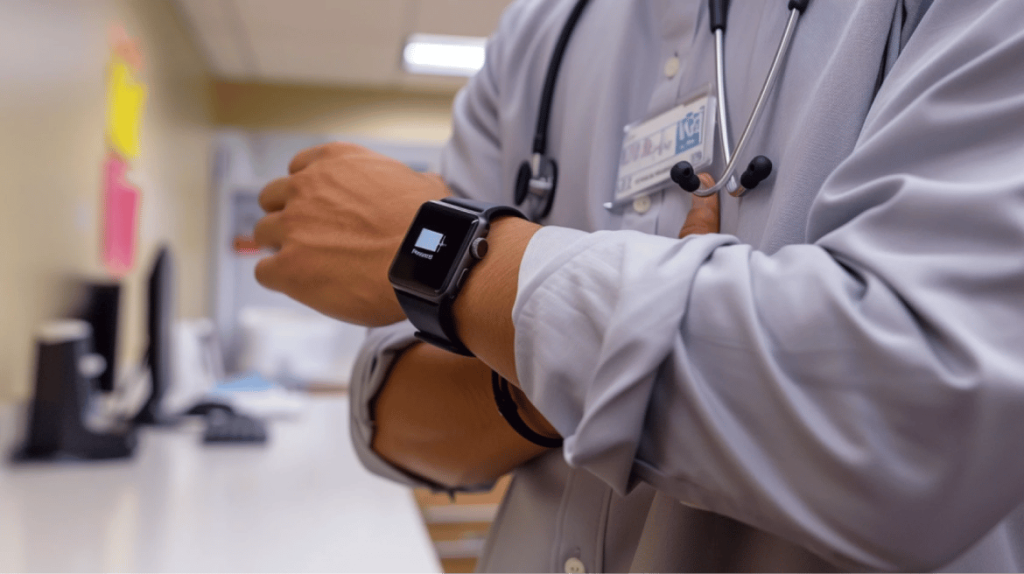
Have you ever wondered if the gadgets you wear every day can actually make you healthier? Wearable technology, like fitness trackers and smartwatches, promises to help you stay fit and monitor your body.
But does it really improve your health, or is it just a trendy accessory? You’ll discover how these devices work, what benefits they offer, and whether they can truly change the way you take care of yourself. Keep reading to find out if your next step toward better health could be as simple as putting on a watch.
Rise Of Wearable Tech
The rise of wearable technology has transformed how many people approach their health daily. Devices that once seemed like futuristic gadgets are now common accessories. They offer real-time data that can motivate you to stay active, eat better, and manage stress more effectively.
I remember when I first started using a fitness tracker. The constant feedback on my step count pushed me to walk more, even on days I felt lazy. This personal nudge showed me how wearable tech can make a difference in small but meaningful ways.
Popular Devices Today
Wearable technology comes in many forms, each designed to suit different health needs and lifestyles. Some of the most popular devices include:
- Smartwatches– Brands like Apple Watch and Samsung Galaxy Watch offer a wide range of health tracking features along with smartphone notifications.
- Fitness Trackers– Devices such as Fitbit and Garmin focus on activity tracking, sleep monitoring, and heart rate measurements.
- Heart Rate Monitors– Chest straps and wristbands that provide accurate heart rate data, ideal for athletes and fitness enthusiasts.
- Sleep Trackers– Gadgets like Oura Ring analyze sleep quality and patterns to help improve rest.
Each device caters to different user goals, from casual activity tracking to detailed health analytics.
Key Health Features
Wearable tech offers a variety of health features that can support your wellness journey. Some of the most impactful include:
- Step Counting and Activity Tracking:Encourages you to meet daily movement goals and reduce sedentary habits.
- Heart Rate Monitoring:Helps you understand your cardiovascular health and adjust workouts accordingly.
- Sleep Analysis:Provides insights into sleep stages and duration, guiding better sleep habits.
- Stress and Mood Tracking:Some devices measure stress levels through heart rate variability, prompting relaxation techniques.
- Calorie Counting and Nutrition Logs:Assists in managing diet alongside physical activity.
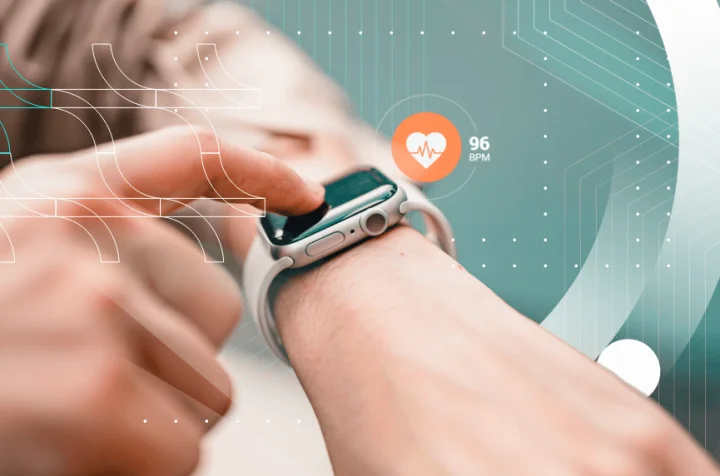
Do you track any of these health metrics yourself? Sometimes, just being aware of your body’s signals is enough to inspire positive change.
Credit: www.bgosoftware.com
Health Benefits Claimed
Wearable technology promises a range of health benefits that many users find appealing. These devices claim to help you stay active, improve your sleep, and manage stress effectively. But how do these benefits translate into real-life improvements for your health?
Activity Tracking And Motivation
Wearables count your steps, track calories burned, and monitor exercise routines. This constant feedback can push you to move more and set achievable fitness goals.
Imagine seeing your daily steps increase just because your device nudges you to stand up or take a short walk. That small motivation can turn into a healthier habit over time.
Do you find yourself more active when you have clear, measurable targets? Many users report that tracking progress makes workouts feel more rewarding.
Sleep Monitoring Insights
Tracking your sleep patterns helps you understand how well you rest each night. Some devices analyze light, deep, and REM sleep stages to give detailed insights.
Knowing your sleep quality can highlight issues like frequent waking or insufficient deep sleep. This information can guide you to adjust bedtime routines or avoid habits that disrupt rest.
Have you ever realized that a late-night screen session affects your sleep just by reviewing your wearable’s data? Many people discover surprising links between daily habits and sleep quality.
Heart Rate And Stress Management
Continuous heart rate monitoring allows you to spot irregularities or patterns linked to stress. Some wearables even offer guided breathing exercises to help you relax.
By tracking your heart rate, you can identify moments of high stress during the day. This awareness encourages you to take breaks or practice calming techniques before stress builds up.
Could monitoring your heart rate help you catch stress early and prevent burnout? Users often find that such real-time feedback makes managing stress more manageable and intentional.
Scientific Evidence
Scientific evidence plays a key role in understanding if wearable technology truly improves health. Researchers study how these devices affect physical activity, heart health, sleep, and more. The results offer insights into benefits and challenges. This section explores research findings and highlights areas needing more study.
Studies Supporting Benefits
Many studies show wearable devices help increase physical activity. Users often walk more and move regularly. Some research links wearables to better weight management. Devices that track heart rate and sleep provide valuable health data. People can spot patterns and make healthy changes.
Examples include:
- Improved step counts and exercise habits.
- Better sleep quality through monitoring.
- Early detection of irregular heartbeats.
- Motivation to reach daily health goals.
Limitations And Gaps
Despite benefits, many studies have limits. Sample sizes are often small or short-term. Wearables may not be accurate for all users or conditions. Long-term health effects remain unclear. Behavior change may fade once novelty ends.
Other gaps include:
- Limited data on chronic disease management.
- Challenges in user adherence over time.
- Privacy concerns affecting data reliability.
- Need for diverse study populations.
Credit: blog.stackademic.com
Challenges And Risks
Wearable technology offers many health benefits, but it also comes with challenges and risks. Understanding these issues helps users make better choices. Some concerns affect trust and safety. Others impact how people use these devices daily.
Accuracy Concerns
Wearable devices do not always provide exact health data. Sensors can misread heart rate, steps, or sleep patterns. Small errors may lead to wrong health decisions. Users might ignore serious symptoms or feel false alarms. Accuracy varies by brand and device type. Regular calibration and updates are necessary to improve data quality.
Privacy And Data Security
Health data collected by wearables is sensitive. If hacked, it can expose personal information. Many devices send data to cloud servers. This process risks data leaks or misuse. Users should check privacy policies carefully. Strong passwords and two-factor authentication help protect accounts. Manufacturers must follow strict security rules to keep data safe.
User Dependency Issues
Some users rely too much on wearable devices for health decisions. This dependence may reduce attention to body signals. People might delay seeing doctors, trusting device data instead. Overuse can cause anxiety or obsession with numbers. Balance between device use and personal judgment is important. Wearables should support, not replace, professional medical advice.
Real User Experiences
Real user experiences reveal how wearable technology affects health in daily life. These devices track activity, sleep, and heart rate. Users share how this data helps them make better choices. Some find motivation to move more or sleep better. Others face challenges with accuracy or comfort. Understanding these stories gives a clear picture of wearable tech’s true impact.
Success Stories
- Many users report increased daily steps and improved fitness habits.
- Sleep tracking helps identify patterns and improve rest quality.
- Heart rate monitors alert users to unusual changes, prompting doctor visits.
- Some users lose weight by following activity goals set by devices.
- Wearables encourage regular movement for people with sedentary jobs.
Common Frustrations
- Some devices give inaccurate data, leading to confusion.
- Battery life often requires frequent charging, causing inconvenience.
- Users complain about uncomfortable straps or bulky designs.
- Notifications and reminders can become annoying or distracting.
- Data overload makes it hard for some to understand or use information.

Credit: www.jacc.org
Future Of Wearables
Wearable technology is evolving fast. It will soon offer more than just step counting or heart rate monitoring. The future of wearables holds many possibilities for better health care and personal wellness. These devices will blend deeper into daily life, helping people stay healthier and more aware of their bodies.
Emerging Technologies
New sensors can track more body signals. These include blood sugar levels, hydration, and even stress markers. Flexible and smaller devices will make wearables less noticeable and more comfortable. Some may be worn as skin patches or smart clothing. Artificial intelligence will help analyze health data instantly. It will offer personalized advice based on real-time information.
Potential Health Impact
Wearables will support early disease detection by spotting unusual patterns. They can remind users to take medicine or do exercises. Remote monitoring will allow doctors to check patients without visits. This helps people manage chronic conditions better. Mental health tracking will improve, offering support for mood and sleep. Overall, wearables may reduce hospital visits and improve quality of life.
Frequently Asked Questions
How Does Wearable Technology Track Health Metrics?
Wearable technology uses sensors to monitor metrics like heart rate, steps, sleep, and calories. It provides real-time data for better health awareness.
Can Wearables Motivate Healthier Lifestyle Changes?
Yes, wearables send reminders and track progress, encouraging users to stay active and make healthier choices daily.
Are Wearable Devices Accurate For Health Monitoring?
Wearables offer reasonably accurate data but may have slight variations. They are useful for general tracking, not medical diagnosis.
Do Wearables Help In Managing Chronic Conditions?
Wearables can assist by monitoring symptoms and alerting users or doctors, improving chronic condition management and early intervention.
Conclusion
Wearable technology helps many people track their health daily. It shows useful data like heart rate and steps taken. This information can encourage healthier choices. Still, devices do not replace doctors or medical advice. Users should combine wearables with good habits and regular check-ups.
Small changes made with these tools can lead to better health over time. Technology supports, but personal effort matters most. Wearable tech offers a simple way to stay aware and motivated. It makes health tracking easy and clear for everyone.


