
Are you tired of digging through piles of messy electronic parts every time you start a project? Sorting your electronic components doesn’t have to be a frustrating task.
Imagine finding exactly what you need within seconds, saving you time and avoiding costly mistakes. You’ll discover simple and effective ways to organize your components so your work becomes smoother and more enjoyable. Keep reading, and you’ll learn how to turn chaos into order, making your electronics projects easier than ever before.
Benefits Of Sorting Components
Sorting your electronic components might seem like a simple task, but the benefits go far beyond just tidiness. When you organize your parts, you save time, reduce errors, and improve your overall project workflow. Imagine not having to dig through a messy box every time you need a resistor or capacitor.
Improved Efficiency And Time Savings
When components are sorted, you spend less time searching and more time building. This means faster project completion and less frustration. Have you noticed how easy it is to lose focus when you waste minutes hunting for a tiny part?
Reduced Risk Of Mistakes
Mixing up components can lead to costly errors in your circuits. Sorting helps you clearly identify and separate parts, cutting down on the chance of using the wrong one. This small step can save you from troubleshooting headaches later.
Better Inventory Management
Keeping your parts sorted makes it easier to track what you have and what you need. You can avoid buying duplicates or running out of essential components at critical moments. How often have you ordered parts only to find them buried in your collection?
Enhanced Workspace Organization
A well-organized workspace boosts your creativity and focus. When your components are neatly arranged, your bench looks inviting and professional. This environment encourages you to start new projects rather than procrastinate.
Increased Component Longevity
Proper sorting often involves storing parts in protective containers or labeled compartments. This prevents damage from dust, moisture, or static electricity. Taking care of your components means they’ll work better and last longer.
Essential Tools For Organization
Keeping your electronic components organized can save you hours of frustration and boost your productivity. The right tools make sorting easier and help you find what you need instantly. Here are the essential tools that can turn your messy drawer into a well-ordered inventory.
Storage Boxes And Bins
Clear storage boxes allow you to see what’s inside without opening them. Choose boxes with adjustable compartments so you can customize the space for different component sizes.
I once struggled to find tiny resistors buried in a big box until I switched to small compartment boxes. It made a huge difference in how quickly I could complete projects.
Labeling Supplies
Labels are your best friend. Use a label maker or printed stickers to mark each compartment clearly.
Handwritten labels can work, but printed ones look cleaner and are easier to read. You’ll thank yourself when you’re searching through dozens of tiny parts.
Component Organizers
Specialized organizers like tackle boxes or bead storage trays work well for electronic parts. They often include removable dividers, which help you sort components by type, value, or size.
Think about how you group your components. Do you sort by function, size, or voltage rating? Picking an organizer that matches your sorting style can make all the difference.
Anti-static Mats And Bags
Protect sensitive components from static damage using anti-static mats and bags. These tools are essential if you work with delicate ICs or microchips.
Static electricity can silently ruin your components. Using these protections isn’t just a good idea; it’s necessary for long-term reliability.
Digital Inventory Apps
Consider using apps or spreadsheets to keep a digital record of your components. This helps you track quantities and avoid unnecessary purchases.
Have you ever bought parts you already had? A simple inventory app can save you money and reduce clutter.
Categorizing By Component Type
Categorizing electronic components by their type is the foundation of an efficient sorting system. It helps you quickly find what you need without wasting time digging through mixed parts. Grouping parts by their general function or form also makes inventory management easier and reduces errors during assembly.
Resistors And Capacitors
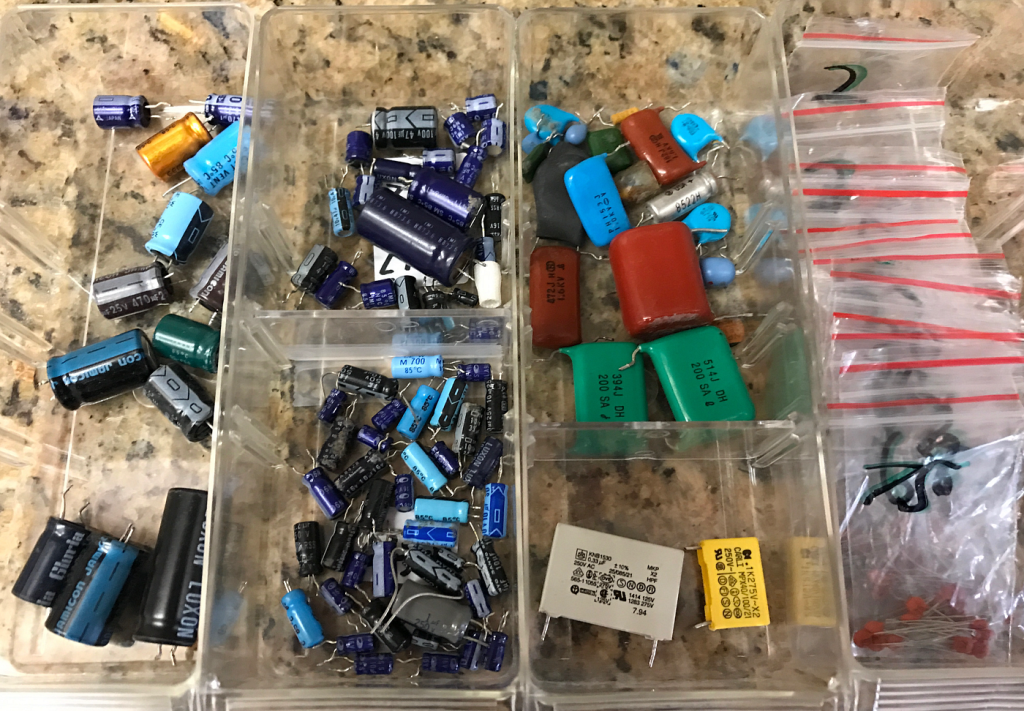
Resistors and capacitors are among the most common components you’ll encounter. Resistors control current flow, while capacitors store and release electrical energy. Sorting these parts by value (ohms for resistors, farads for capacitors) and package type saves you hours in project work.
- Use labeled containers or small bins for different resistance or capacitance ranges.
- Keep track of tolerance levels; sometimes the difference matters a lot.
- Separate fixed-value components from variable ones like potentiometers or trimmer capacitors.
Semiconductors
Semiconductors include diodes, transistors, and integrated circuits (ICs). Each serves a unique role, so sorting by type and function is crucial. I once spent a frustrating afternoon because I mixed up a transistor with a voltage regulator—avoiding that is worth the extra effort.
- Group diodes, transistors, MOSFETs, and ICs separately.
- Label parts with key specs such as voltage, current rating, or pin count.
- Use anti-static bags or containers for sensitive devices.
Connectors And Switches
Connectors and switches come in many shapes and sizes, each fitting different project needs. Sorting by connector type (USB, HDMI, pin headers) and switch type (toggle, push-button, rotary) makes your workbench more organized and efficient.
- Keep connectors sorted by gender and pin count.
- Label switches by action type and voltage rating.
- Consider a drawer system to keep small connectors visible and accessible.
Miscellaneous Parts
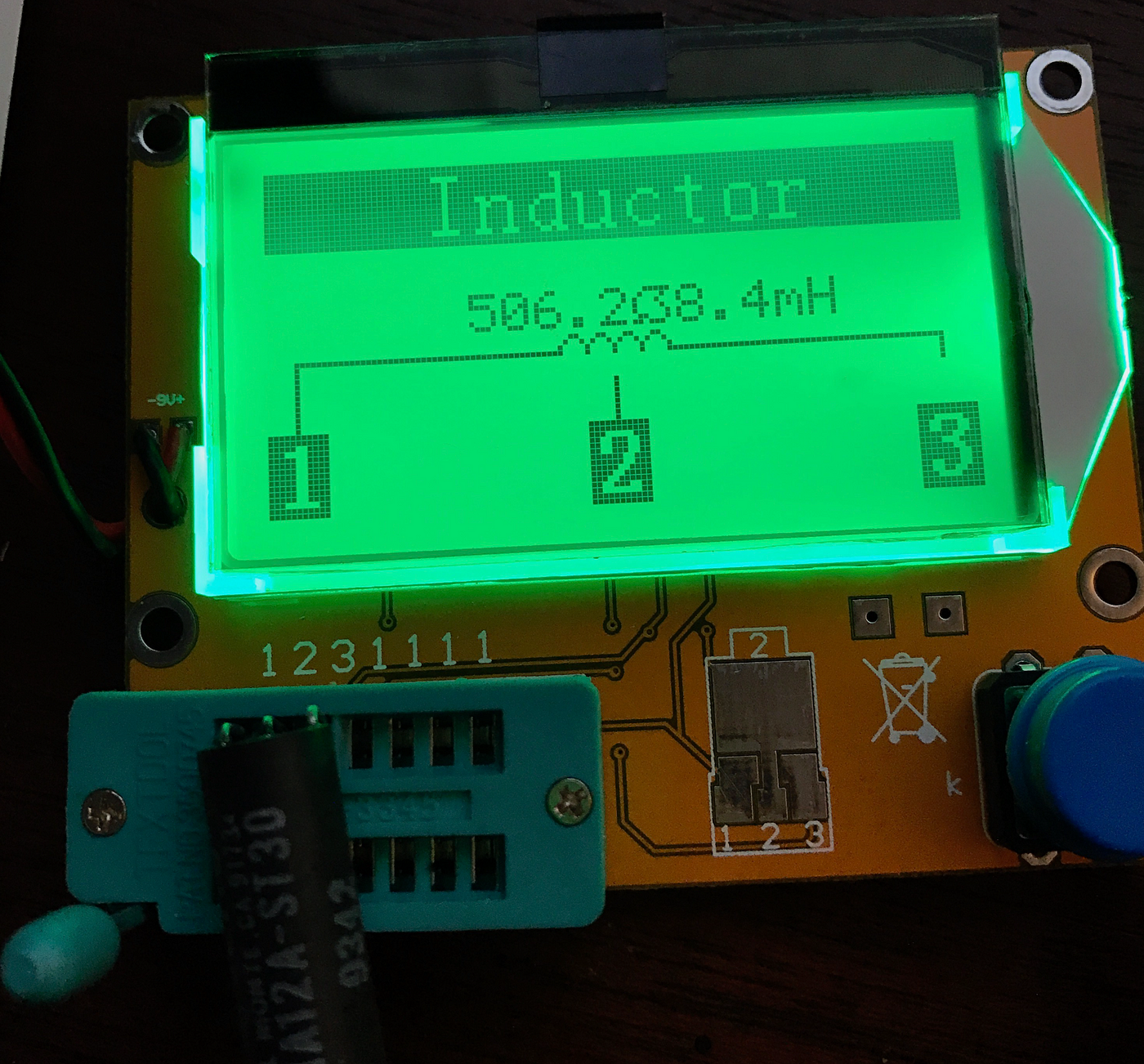
Not every component fits neatly into standard categories. Miscellaneous parts include items like crystals, inductors, heat sinks, and fuses. Sorting these by their unique characteristics ensures they don’t get lost or mistaken for something else.
- Group small mechanical parts like screws and standoffs separately.
- Sort by function—power-related parts in one bin, timing components in another.
- Use clear labeling to avoid confusion during quick searches.
Credit: medium.com
Labeling Techniques That Work
Labeling electronic components clearly helps save time and reduces errors. Proper labeling keeps your workspace tidy and makes finding parts faster. Use simple and consistent techniques to label components effectively. Choose methods that suit your storage style and project needs.
Using Color Codes
Color codes make identifying parts quick and easy. Assign specific colors to categories like resistors, capacitors, or ICs. Use colored stickers, tape, or marker pens for visible labels.
- Red for resistors
- Blue for capacitors
- Green for transistors
- Yellow for connectors
Keep a chart nearby to remember your color system. This reduces confusion and speeds up component selection. Color coding works well with storage bins and drawers.
Digital Labeling Options
Digital labels offer clear and customizable tags for components. Use label printers to produce neat, easy-to-read labels. Print important details like part numbers, values, and specs.
- Use small fonts to fit labels on tiny parts
- Choose durable, adhesive label tapes
- Include QR codes for quick digital access
Digital labels last longer and resist smudging. Update labels easily when parts change. Store your digital label designs for future use.
Storage Solutions For Accessibility
Keeping electronic components easy to find saves time and frustration. Good storage solutions keep parts organized and visible. This helps you work faster and reduces mistakes. Choosing the right storage depends on the size and type of components. Accessibility means you can grab what you need quickly. Avoid clutter by sorting parts into proper containers. Clear labeling improves the process even more.
Drawer Units And Bins
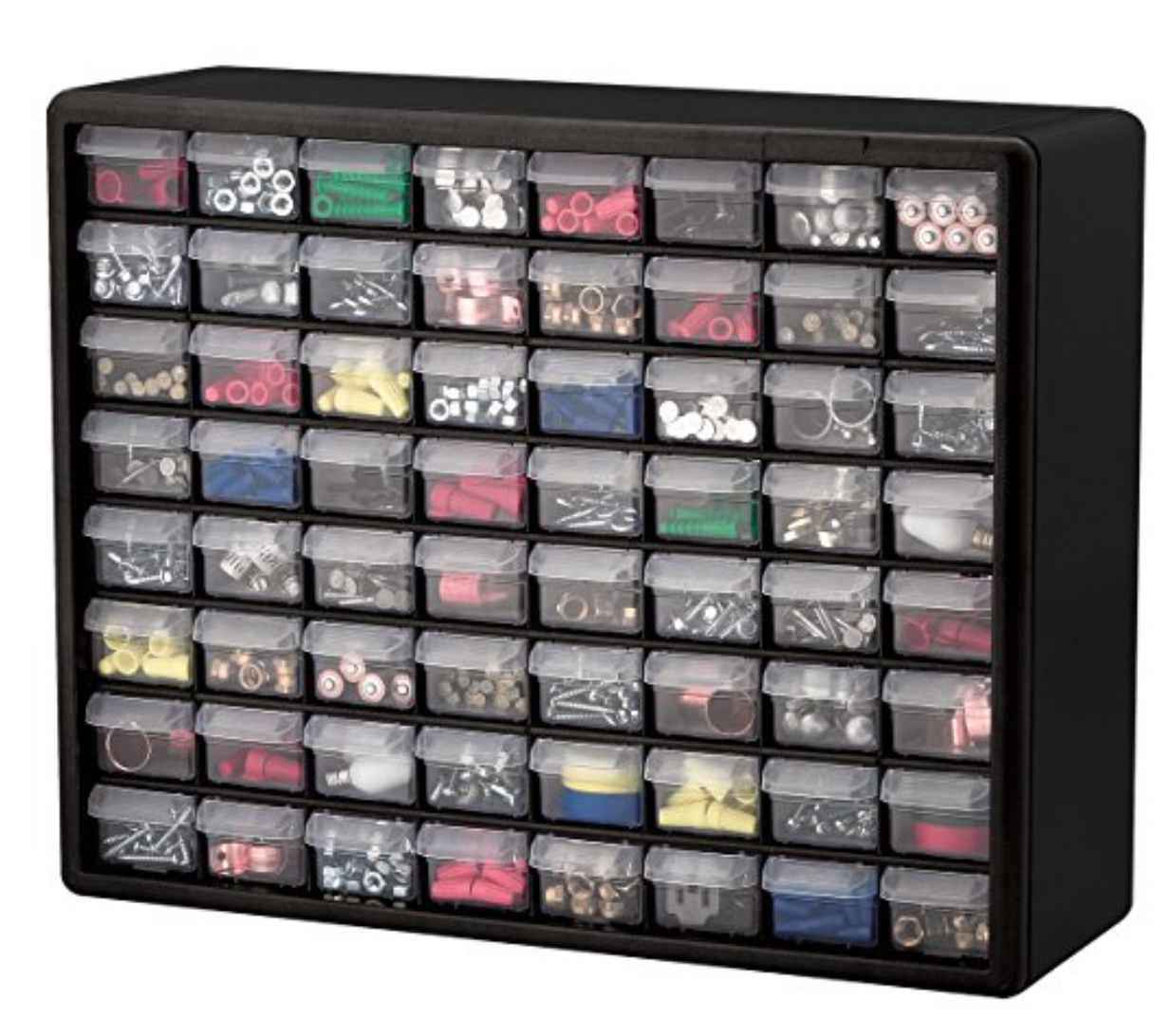
Drawer units offer multiple compartments for sorting small parts. Each drawer can hold different component types or sizes. Bins are useful for larger or oddly shaped parts. Stackable bins save space on workbenches or shelves. Use labels on drawers and bins for quick identification. Plastic or metal units provide durability and protection. Drawer units keep components dust-free and easy to access.
Clear Containers And Trays
Clear containers let you see contents without opening them. Trays with dividers separate parts by type or value. Use small containers for tiny components like resistors or capacitors. Larger trays hold bulkier items such as connectors or switches. Transparent storage reduces the chance of picking the wrong part. Stack trays to save space and keep your area neat. Choose containers with secure lids to avoid spills.
Credit: medium.com
Maintaining Your System Over Time
Maintaining your electronic components sorting system over time keeps your workspace efficient. It prevents clutter and saves time searching for parts. A well-maintained system adapts as your collection grows or changes. Consistency in upkeep ensures you always find what you need quickly. Small regular efforts avoid big problems later.
Regular Inventory Checks
Schedule frequent checks of your components stock. Look for missing or low items. Remove damaged or outdated parts immediately. Note new parts to add to your system. Use a checklist or inventory app to track everything. This practice avoids surprises during projects. It keeps your parts ready for use.
Updating Labels And Categories
Keep labels clear and easy to read. Replace worn or faded labels right away. Add new categories when new types of components arrive. Group similar items together for faster access. Use consistent naming and color codes for clarity. Well-organized labels reduce mistakes and speed up work. Review your system regularly to improve it.
Tips From Electronics Experts
Sorting electronic components can feel overwhelming, especially when you’re staring at a mixed drawer of resistors, capacitors, and ICs. Electronics experts have developed smart habits that help them stay organized and efficient. Their tips focus on saving you time and avoiding costly mistakes while handling your components.
Use Clear, Consistent Labeling
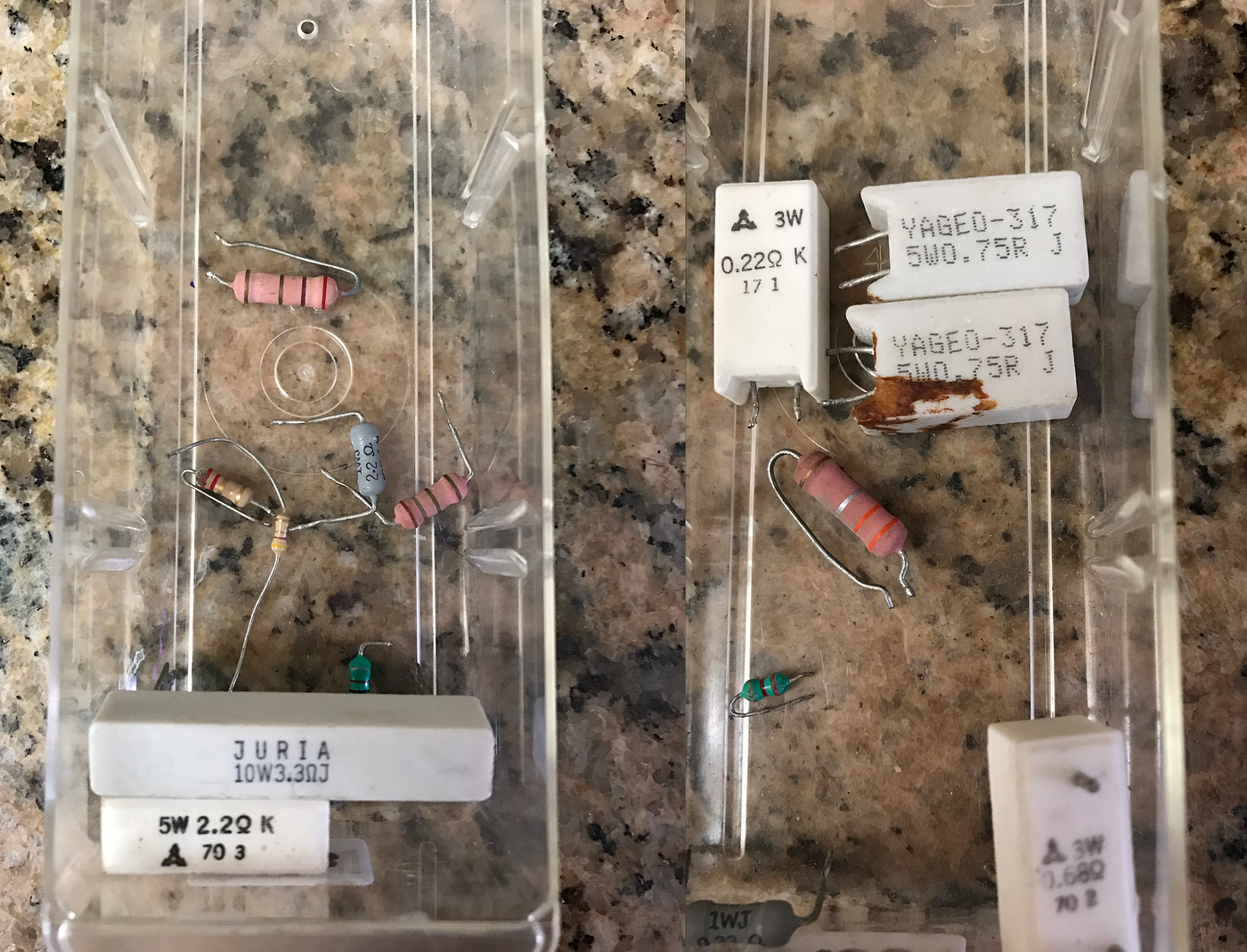
Labeling is the backbone of any good sorting system. Experts recommend using labels that include both the component’s value and type. For example, instead of just “10k,” label it as “Resistor 10kΩ.”
This small detail helps you avoid confusion later when you might forget if it’s a resistor or something else. Use waterproof markers or printed labels to keep things neat and readable over time.
Group Components By Function And Value
Sorting by function—resistors, capacitors, transistors—makes finding parts much faster. Then, within each group, arrange by value or specification. This two-level sorting reduces the time spent hunting for the right part.
One expert shared how grouping all 100nF capacitors together saved them from accidentally grabbing a 10µF cap during a critical repair. Would you want to risk that in your projects?
Choose The Right Storage Containers
Experts recommend using small, clear containers or compartment boxes with adjustable dividers. Transparent storage lets you see contents without opening every box. It also prevents the frustration of mixed components hiding in dark drawers.
- Stackable containers save space.
- Magnetic trays keep small metal parts from scattering.
- Label each compartment clearly for quick access.
Keep A Digital Inventory
Some experts swear by maintaining a digital list or spreadsheet of their components. This helps track quantities and prevents unnecessary purchases. You can also add notes on where components are stored or their project history.
Wouldn’t it be easier to check your stock on your phone rather than digging through boxes? Simple apps or even a spreadsheet on your computer can do the job well.
Sort Regularly To Prevent Clutter
Sorting isn’t a one-time task. Electronics experts make it a habit to reorganize their components every few months. This prevents accumulation of outdated or unusable parts and keeps the system fresh.
Imagine opening your storage to find everything exactly where you expect it. How much time could you save on your next project?
Credit: medium.com
Frequently Asked Questions
What Are Electronic Components?
Electronic components are basic elements used in electronic circuits. They include resistors, capacitors, transistors, and diodes. Proper sorting is essential for efficient circuit design and assembly.
How Do I Categorize Electronic Components?
Categorize by type, function, or size for easy identification. Use labeled storage bins or trays. This method improves workflow and prevents errors in assembly.
Why Is Sorting Electronic Components Important?
Sorting helps in quick identification and prevents assembly mistakes. It saves time during circuit design and testing. Proper organization boosts productivity and efficiency in electronic projects.
What Tools Help In Sorting Components?
Use tweezers, magnifying glasses, and labeling machines for sorting. These tools ensure precision and reduce handling errors. They also help maintain the integrity of small and delicate components.
Conclusion
Sorting electronic components takes time and care. Keep parts organized by type and size. Use labels and storage boxes to stay neat. This helps find parts fast when needed. A good system saves frustration and effort. Start small and improve your method step by step.
Soon, your workspace will feel clear and ready. Simple habits make big differences in electronics work. Stay consistent, and your projects will go smoother.


