

Imagine a world where your health is monitored seamlessly, 24/7, without invasive procedures or constant trips to the doctor. This is not a distant future—it’s happening now with wearable technology.
Have you ever wondered how these tiny devices can transform your healthcare experience? They’re not just fancy gadgets; they’re revolutionizing the way you manage your well-being. You might be curious about how wearables work, their benefits, and the potential they hold for your health.
Dive into this fascinating topic, and discover how wearable technology could be the game-changer you’ve been waiting for in healthcare. Could this be the future you never knew you needed? Keep reading to find out.
Credit: medium.com
Rise Of Wearable Tech In Healthcare
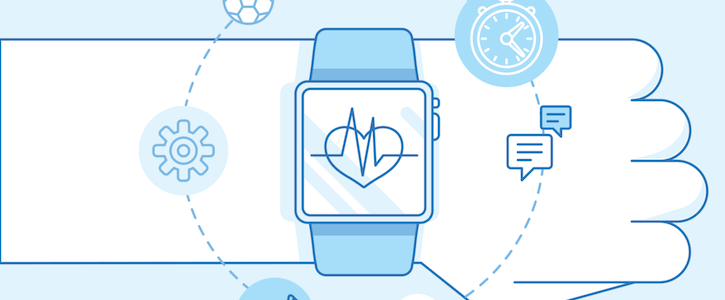
Wearable technology is changing how healthcare works right before our eyes. These devices are no longer just fitness trackers; they are powerful tools that help you monitor and manage your health every day. As you wear these gadgets, they collect real-time data that can alert you to health issues before they become serious.
Growth Trends And Market Data
The wearable healthcare market is growing rapidly. In recent years, global sales have surged as more people seek ways to stay healthy and proactive. Experts predict the market will reach tens of billions of dollars within the next few years.
Why are these devices gaining so much popularity? Partly because they provide continuous monitoring, which traditional check-ups can’t offer. This shift towards personalized health tracking is driving demand.
| Year | Market Size (in Billion USD) | Growth Rate (%) |
|---|---|---|
| 2020 | 15.5 | 18 |
| 2022 | 23.7 | 22 |
| 2024 (Projected) | 35.1 | 25 |
Popular Devices And Their Uses
You might already have a wearable device or know someone who does. The most common ones include smartwatches, fitness bands, and even smart rings. Each serves a unique purpose in tracking health metrics.
- Smartwatches:Track heart rate, sleep patterns, and physical activity. Some models can detect irregular heart rhythms and even send emergency alerts.
- Fitness Bands:Focus on step counting, calorie burning, and basic health stats. They are affordable and easy to use for everyday fitness goals.
- Smart Rings:Offer discreet health monitoring, such as oxygen levels and stress indicators. Their small size makes them convenient for continuous wear.
Have you noticed how these devices motivate you to move more or sleep better? They provide actionable insights that help you take control of your health, not just track it. Imagine the impact if your doctor could see this data in real time during your next visit.
Benefits For Patients And Providers
Wearable technology offers many benefits for patients and healthcare providers. It helps improve health care by making data available quickly and easily. Both sides gain from better communication and faster action.
Patients get more control over their health. Providers receive accurate, real-time data. This leads to better care and healthier outcomes.
Real-time Health Monitoring
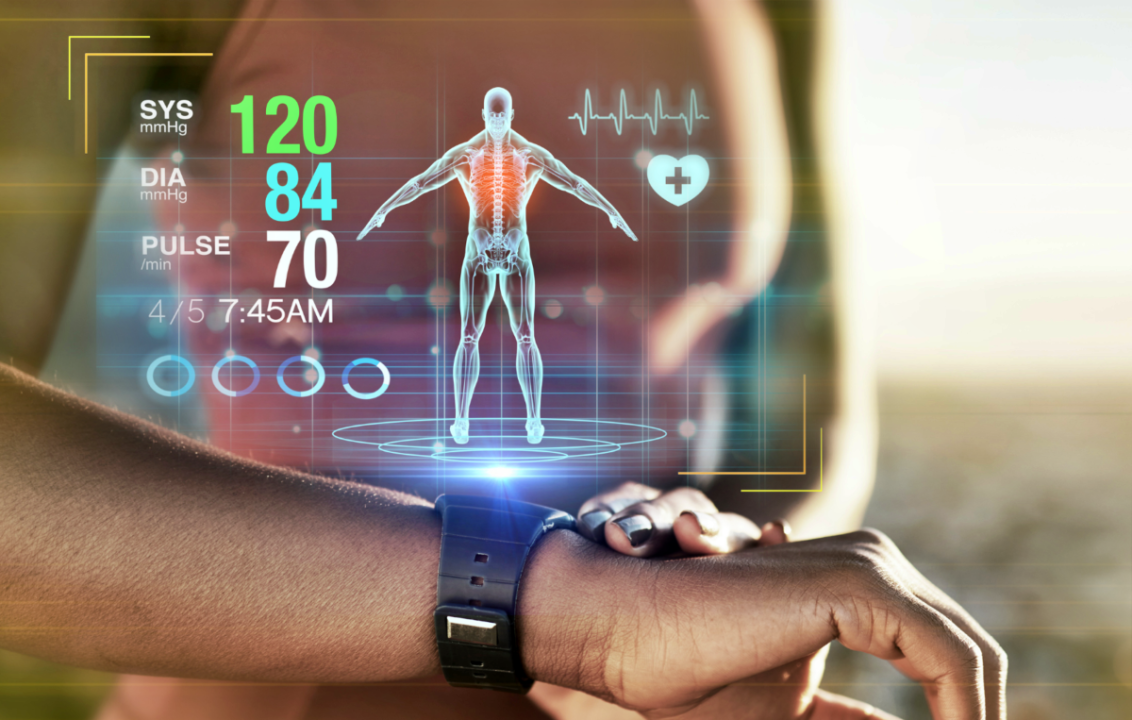
Wearables track vital signs like heart rate and blood pressure continuously. This data reaches healthcare providers instantly. Problems can be spotted early, reducing emergency situations. Patients avoid long waits for test results. Monitoring happens anywhere, not just in hospitals.
Enhanced Patient Engagement
Wearables encourage patients to take an active role in their health. They see their progress and get reminders for medication or exercise. This motivates healthy habits and improves treatment success. Patients feel more connected to their care plans.
Improved Diagnosis And Treatment
Continuous data helps doctors make better diagnoses. They understand patient conditions over time, not just from single visits. Treatments can be adjusted quickly based on real data. This personalizes care and increases its effectiveness.
Challenges And Limitations
Wearable technology holds immense promise for healthcare, but it’s not without its hurdles. Understanding these challenges helps you make smarter choices about adopting these devices for health monitoring or treatment. Let’s break down some key limitations you should keep in mind before fully trusting wearable tech with your health.
Privacy And Data Security
Your health data is sensitive, and wearable devices collect a lot of it continuously. Yet, many wearables lack strong encryption or clear data handling policies. This leaves your personal information vulnerable to hacking or unauthorized sharing.
Imagine wearing a device that tracks your heart rate and sleep patterns, only to find that data sold to advertisers without your consent. This risk makes privacy a real concern. You should always check if the device provider follows strict security standards and offers transparency on data use.
Accuracy And Reliability Issues
Wearables often promise precise health insights, but the reality can be different. Sensors might misread signals due to movement, skin type, or device placement. This can lead to false alarms or missed symptoms.
For example, a fitness tracker might inaccurately report your calories burned or heart rate during intense exercise. If you rely on this data for medical decisions, it could be risky. Always consider wearables as supplementary tools rather than replacements for professional diagnosis.
Cost And Accessibility Concerns
High-quality wearable health devices can be expensive, putting them out of reach for many people. Beyond the initial price, you may face recurring costs for apps, subscriptions, or device upgrades.
Accessibility also matters. Not everyone is comfortable using tech gadgets or has the smartphone needed to sync data. This digital divide means wearables might widen health inequalities instead of closing gaps.
Are these challenges enough to make you hesitate, or do they inspire you to demand better solutions? Your health deserves devices that protect your data, deliver trustworthy results, and fit your budget.
Credit: medium.com
Impact On Chronic Disease Management
Wearable technology has a strong impact on managing chronic diseases. It helps patients and doctors track health in real time. This technology offers new ways to control long-term health conditions with ease.
Wearables collect important health data continuously. This helps in early detection of changes in a patient’s condition. Patients gain better control over their health. Doctors get accurate data to adjust treatments quickly.
Diabetes And Heart Disease Monitoring
Wearable devices can monitor blood sugar levels and heart rates. For diabetes, continuous glucose monitors provide real-time data without finger pricks. This reduces discomfort and improves glucose control.
Heart disease patients benefit from devices that track heart rhythms and blood pressure. Wearables alert users to irregular heartbeats or high blood pressure. This early warning helps avoid serious complications.
- Tracks vital signs continuously
- Alerts to dangerous health changes
- Supports better medication management
Remote Patient Support
Wearables enable remote monitoring by healthcare providers. Doctors can review patient data without in-person visits. This saves time and reduces hospital trips.
Patients feel safer with constant health tracking. They receive timely advice and reminders for medication or lifestyle changes. Remote support improves adherence to treatment plans.
- Facilitates virtual check-ups
- Reduces emergency visits
- Encourages active patient participation
Integration With Ai And Big Data
Wearable technology is reshaping healthcare by joining forces with AI and big data. This integration helps collect, analyze, and use health information in smart ways. It supports doctors and patients with better insights and faster decisions.
Wearables gather real-time data like heart rate, sleep patterns, and activity levels. AI processes this data to find trends and risks early. Big data tools manage large volumes of health records, making analysis more accurate.
Predictive Analytics
AI uses data from wearables to predict health issues before they happen. It spots small changes that may signal problems. This helps in early treatment and avoiding serious conditions.
Predictive models can forecast risks like heart attacks or diabetes. Doctors receive alerts to monitor patients closely. Patients get reminders to take medicine or change habits.
Personalized Healthcare Plans
AI and big data create custom health plans based on individual data. Wearables provide detailed and continuous health information. This allows care tailored to each person’s needs.
Plans include diet, exercise, and medication suited to the user. Adjustments happen automatically as new data arrives. Personalized care improves results and patient satisfaction.
Future Innovations To Watch
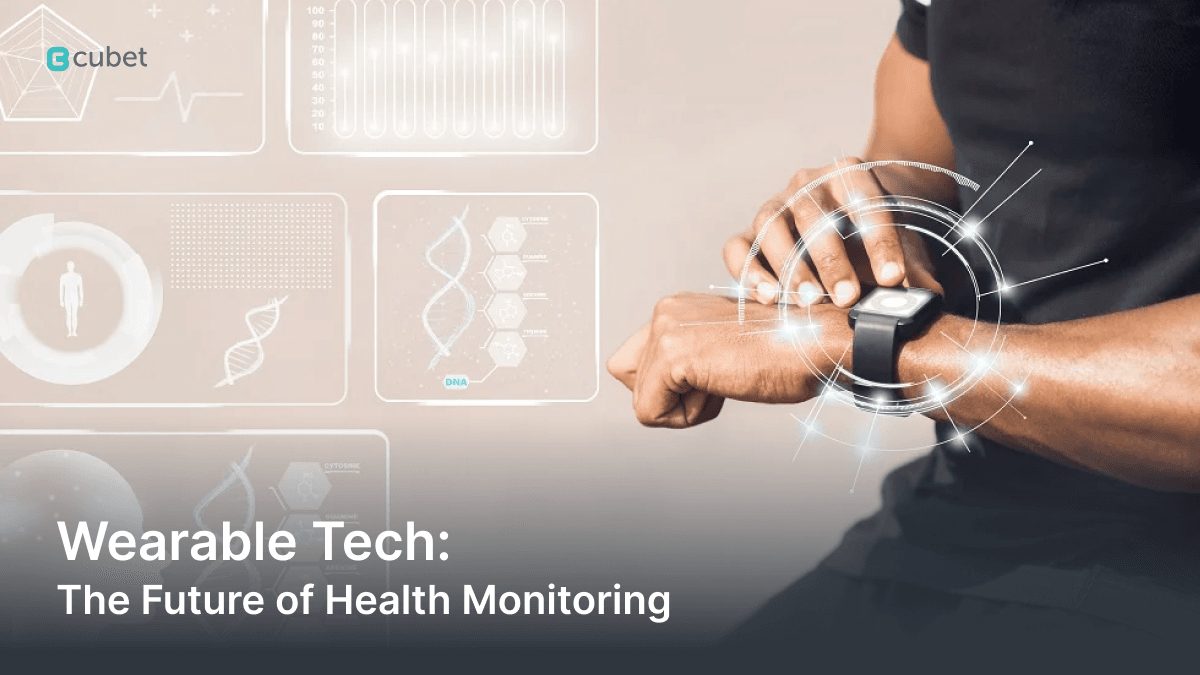
The world of wearable technology is evolving rapidly, offering exciting possibilities for healthcare. Future innovations promise to make health monitoring more seamless, accurate, and integrated into daily life. What new developments should you keep an eye on as technology moves forward?
Smart Fabrics And Implantables
Imagine clothing that monitors your heart rate, hydration, and muscle activity without bulky devices. Smart fabrics use tiny sensors woven into textiles, making health tracking effortless and continuous.
Implantable devices take this a step further by sitting inside your body to provide real-time data on vital signs or even deliver medication directly. These innovations could change how chronic diseases are managed, offering personalized care tailored to your unique needs.
Advances In Sensor Technology
Sensors are becoming smaller, more sensitive, and capable of measuring a wider range of health indicators. New sensors can detect biochemical changes in sweat or subtle electrical signals from your muscles and brain.
These advances mean wearables will not only track your activity but also predict health issues before symptoms appear. How would having early warnings about your health affect the way you live your life?
Credit: cubettech.com
Frequently Asked Questions
What Is Wearable Technology In Healthcare?
Wearable technology refers to devices worn on the body that monitor health metrics. These include smartwatches and fitness trackers that track heart rate, activity, and sleep. They help in real-time health monitoring and early disease detection, enhancing personalized healthcare.
How Do Wearables Improve Patient Health Monitoring?
Wearables provide continuous, real-time data on vital signs and activities. This allows timely interventions and better management of chronic conditions. They reduce hospital visits and empower patients to take control of their health through instant feedback.
Are Wearable Devices Secure For Healthcare Data?
Most wearable devices use encryption to protect user data. However, security varies by manufacturer. It’s crucial to choose devices with strong privacy policies and regular software updates to ensure patient data remains confidential and secure.
Can Wearable Technology Reduce Healthcare Costs?
Yes, wearables can lower healthcare expenses by preventing hospital readmissions and enabling early diagnosis. Continuous monitoring helps detect issues sooner, reducing emergency visits and long-term treatment costs. This makes healthcare more efficient and affordable.
Conclusion
Wearable technology shows great promise for healthcare’s future. It helps people track health every day. Doctors can get real-time data to treat patients better. Small devices fit easily into daily life. They offer early warnings for health problems. Privacy and accuracy remain important challenges.
Still, this tech grows more advanced each year. Many believe wearables will shape how we stay healthy. The future may bring smarter, more useful health tools. A healthier life could be just a wristband away.


