
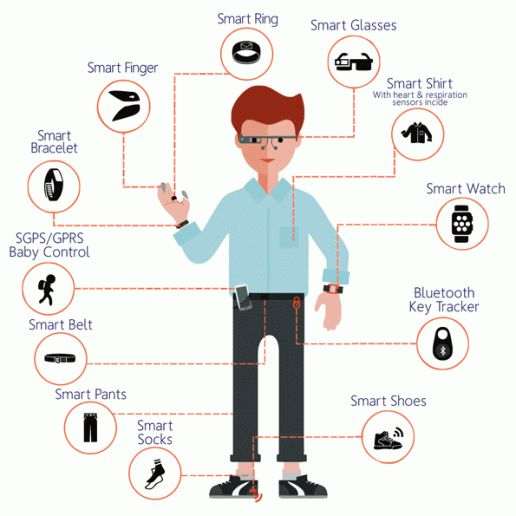
Have you ever wondered how wearable technology is changing the way you live? From tracking your daily steps to monitoring your heart rate, these small devices are becoming a big part of your life.
But what do you really think about wearing technology every day? Is it helping you stay healthier, or is it just another gadget cluttering your space? Keep reading to discover how wearable tech might be shaping your future in ways you never expected.
Credit: www.t3.com
Rise Of Wearable Tech
Wearable technology has become a part of daily life for many people. It’s no longer just about telling time or tracking steps; these devices now offer a wide range of functions that help you monitor health, stay connected, and even improve productivity. The rise of wearable tech shows how technology can seamlessly blend into your lifestyle.
Evolution Of Devices
Wearable devices started as simple fitness trackers and basic smartwatches. Early models focused on counting steps or measuring heart rate, but they often lacked accuracy and had limited features.
Today, wearables have evolved into powerful gadgets with advanced sensors, longer battery life, and smarter interfaces. Devices like the Apple Watch and Fitbit Sense monitor sleep, ECG, blood oxygen levels, and even stress. This evolution means you can rely on your wearable for more than just numbers—it helps you make better health decisions.
Current Market Trends
The wearable tech market is growing fast, with more brands and styles entering the scene. You can find wearables designed for fitness, medical use, fashion, and even virtual reality.
- Health-focused wearables:Devices now offer real-time health tracking, alerting you to potential issues early.
- Fashion and customization:Brands provide interchangeable bands and customizable watch faces to match your style.
- Integration with smart homes:Wearables can control lights, locks, and other smart devices, making your life easier.
Do you think your current wearable meets all your needs? Considering these trends might help you choose a device that fits your lifestyle better and keeps you ahead in managing your health and daily tasks.
Key Features Driving Growth
Wearable technology grows fast because it meets real user needs. It combines useful features with daily life. These key features make wearables popular and help the market expand. They focus on health, ease of use, and personal style. Each aspect adds value and attracts more users.
Health And Fitness Tracking
Wearables monitor heart rate, steps, and sleep patterns. They help users stay active and healthy. Real-time data guides better choices for exercise and rest. Many devices include reminders to move and drink water. This feature supports a healthier lifestyle every day.
Connectivity And Convenience
Wearables connect easily to phones and other devices. Notifications for calls, messages, and apps appear on the wrist. Users save time by checking alerts without taking out their phones. Some devices control music and smart home gadgets. This convenience fits well into busy routines.
Customization And Style
Wearables come in various designs and colors. Users can change bands and watch faces to match their look. This makes devices feel personal and fashionable. Lightweight materials ensure comfort for all-day wear. Style options attract people who want tech that looks good.
Challenges Facing Wearables
Wearable technology offers many benefits but also faces several challenges. These issues affect how people use and trust these devices. Understanding these challenges helps us see what needs improvement.
Privacy Concerns
Wearables collect a lot of personal data. This includes health, location, and daily habits. People worry about who can access this data. Companies must protect user information carefully. Without strong privacy, users may stop using wearables.
Battery Life And Durability
Many wearables have small batteries. They need frequent charging, which can be inconvenient. Durability is also important. Devices must withstand daily wear and water exposure. Poor battery life and weak build reduce device use.
User Adoption Barriers
Not everyone finds wearables easy to use. Some devices have complex features and settings. Cost is another barrier; many wearables are expensive. Comfort and style also affect adoption. If a device is uncomfortable or unattractive, people avoid wearing it.
Innovations On The Horizon
Wearable technology is evolving fast. New ideas and tools are shaping its future. These changes will make wearables smarter, smaller, and easier to use. People will enjoy better health tracking, communication, and convenience.
Advanced Sensors And Ai Integration
Sensors are becoming more accurate and sensitive. They can track heart rate, sleep, and activity with great detail. Artificial intelligence helps analyze this data. AI learns user habits and gives smart advice. This makes wearables more helpful for health and fitness.
Flexible And Implantable Devices
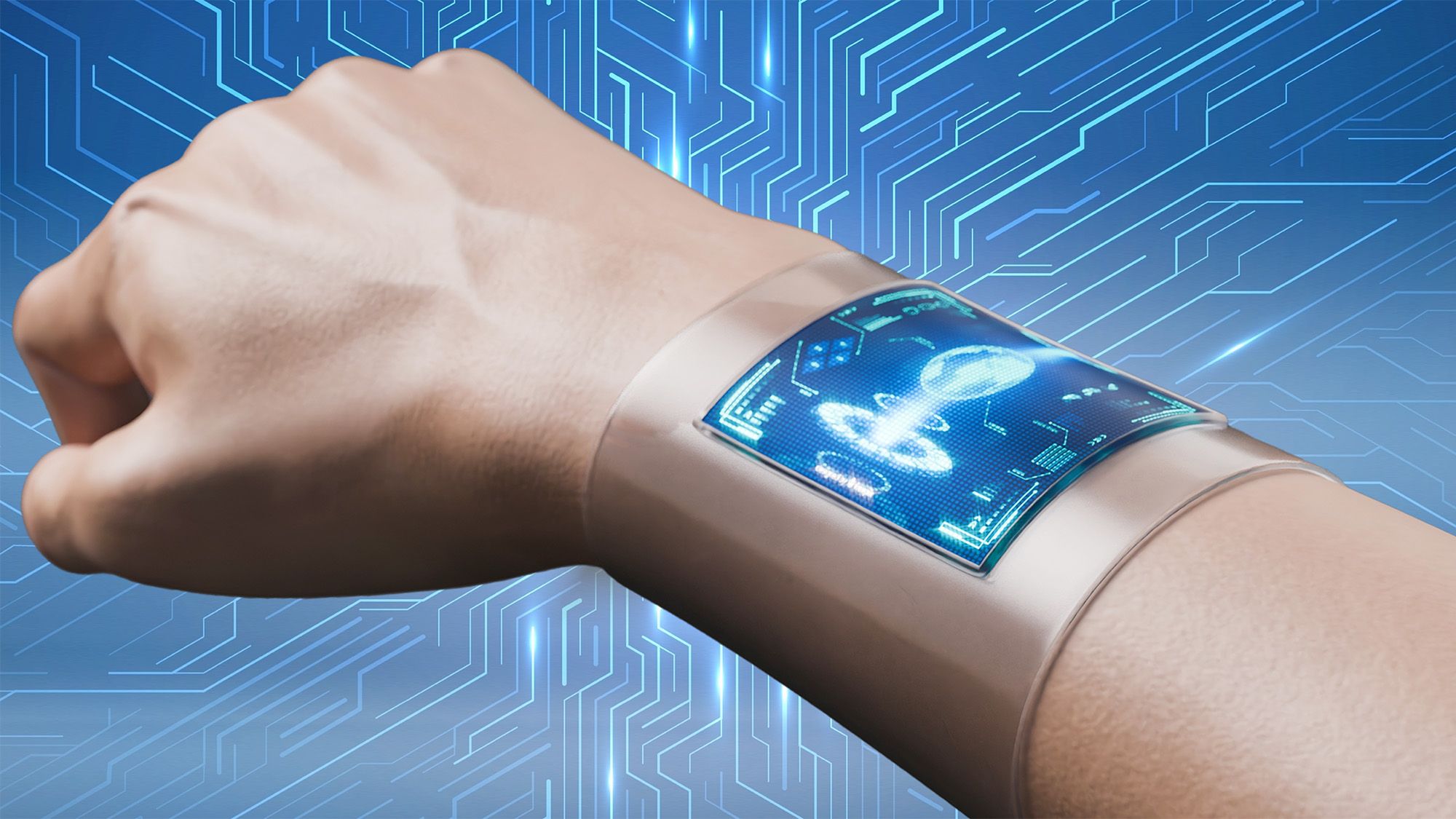
Wearables are moving beyond watches and bands. Flexible devices can bend and stretch with the body. Implantable devices go under the skin for constant monitoring. These new forms offer comfort and better data collection. They open new ways to manage health quietly and easily.
Enhanced User Interfaces
User interfaces are becoming simpler and more natural. Voice commands and gestures replace buttons and screens. Some wearables use holograms or augmented reality. These changes make devices easier to control. Users get faster responses and more interaction options.
Impact On Daily Life
Wearable technology has become a common part of everyday life. These devices bring convenience, help track health, and connect people easily. Their impact touches many areas, changing how people work, stay healthy, and enjoy their free time.
Healthcare And Wellness
Wearables help monitor heart rate, sleep, and activity. They remind users to move and drink water. Doctors can use data from devices to check health remotely. This technology supports early detection of issues and better health habits.
Workplace Productivity
Wearable devices keep workers organized and focused. Notifications and reminders reduce missed tasks. Some wearables track steps or posture to improve comfort. These tools help manage time and reduce stress during busy days.
Entertainment And Social Interaction
Wearables offer new ways to enjoy music and games. Smartwatches and glasses provide quick access to apps and messages. They help users stay connected without needing their phone. Sharing moments and chatting feels easier and faster.

Credit: www.sdmmag.com
Future Market Potential
The future market potential of wearable technology looks promising and wide-ranging. This technology is not limited to fitness trackers or smartwatches anymore. It is expanding into many new areas that impact daily life and work. The growth depends on many factors, including industry adoption, global acceptance, and ongoing investments. Understanding these aspects helps predict how wearable tech will shape tomorrow’s world.
Emerging Industries
Wearable devices are entering many new industries beyond health and fitness. Some key sectors include:
- Healthcare: Monitoring vital signs and managing chronic diseases.
- Manufacturing: Enhancing worker safety and improving productivity.
- Sports: Tracking athlete performance and preventing injuries.
- Education: Supporting interactive learning and virtual experiences.
- Entertainment: Offering immersive gaming and media experiences.
These industries create fresh opportunities for wearable tech development and use.
Global Adoption Rates
Wearable technology adoption is growing worldwide. Many countries show rising interest and usage. Key points include:
- High adoption in North America and Europe.
- Rapid growth in Asia-Pacific markets.
- Increasing consumer trust and comfort with devices.
- Expanding mobile internet access supports wearable use.
As awareness increases, more people will likely use wearables daily.
Investment And Research Trends
Investment in wearable technology is rising steadily. Companies and governments fund research to improve devices. Focus areas include:
- Battery life and power efficiency enhancements.
- Better sensors for accurate data collection.
- Integration with artificial intelligence and cloud services.
- Design improvements for comfort and style.
This investment fuels innovation and pushes the wearable market forward.

Credit: medium.com
Frequently Asked Questions
What Are The Benefits Of Wearable Technology?
Wearable technology offers real-time health tracking, improved fitness motivation, and seamless connectivity. It enhances daily life by providing instant notifications and personalized insights. Wearables also aid in medical monitoring and promote a proactive approach to wellness and productivity.
How Does Wearable Technology Improve Health Monitoring?
Wearables track vital signs like heart rate, sleep patterns, and activity levels continuously. This data helps detect health issues early and supports personalized fitness plans. Users gain better awareness of their body and can share accurate information with healthcare providers.
What Are The Common Types Of Wearable Technology?
Common wearables include smartwatches, fitness bands, smart glasses, and health monitors. Each device serves unique purposes such as tracking activity, monitoring health, or enhancing communication. Their versatility makes them popular for both personal and professional use.
Are Wearable Devices Safe For Everyday Use?
Most wearable devices are safe when used according to guidelines. They use low-power wireless technologies and comply with health standards. However, users should avoid prolonged skin contact and ensure data privacy by using secure apps and software updates.
Conclusion
Wearable technology shapes how we live and work today. It helps track health, stay connected, and save time. People enjoy its convenience and new possibilities. Still, some worry about privacy and costs. The future will bring more smart devices and features.
Everyone can decide how much to use. Wearables blend technology with daily life in simple ways. They show how small gadgets can make a big impact. What do you think about wearing tech every day?


