What is Basic Maintenance for a Septic System: Essential Tips
Your septic system works quietly underground, handling your household waste without you even noticing. But if you ignore its needs, you could face costly repairs and unpleasant problems.
What exactly does basic maintenance for a septic system involve? Understanding this can save you time, money, and stress. You’ll discover simple steps you can take to keep your system running smoothly and avoid headaches down the road. Keep reading to protect your home and your peace of mind.
Septic System Basics
A septic system treats and disposes of household wastewater. It is common in homes without city sewer connections. Proper maintenance keeps the system working well and prevents costly repairs.
The system has three main parts: the tank, the drain field, and the soil. Wastewater flows into the tank where solids settle. The liquid then moves to the drain field. Soil naturally cleans the water before it returns to the ground.
How A Septic System Works
Wastewater from sinks, toilets, and showers flows into the septic tank. Heavy solids settle at the bottom as sludge. Lighter waste floats to the top as scum. The tank holds these layers while the middle layer flows out.
This liquid moves to the drain field. Pipes with small holes spread the water underground. Soil filters out harmful bacteria and nutrients. Clean water then seeps into the groundwater.
Why Basic Maintenance Is Important
Septic systems can fail without care. Solids build up in the tank over time. If not pumped, sludge blocks pipes and damages the drain field. Repair costs are high and inconvenient.
Basic maintenance helps the system last longer. It protects your home and the environment. Regular checks catch problems early before they grow.
Common Septic System Components
- Septic Tank:A buried, watertight container that holds wastewater.
- Drain Field:A network of underground pipes that distribute wastewater.
- Soil:Filters and treats wastewater before it enters groundwater.
- Inlet and Outlet Pipes:Carry wastewater into and out of the tank.
Credit: www.wrenvironmental.com
Regular Inspection Schedule
Regular inspection keeps your septic system running smoothly. It helps catch small problems early. This saves money and prevents big repairs. A good inspection schedule is key to system health.
Inspections reveal blockages, leaks, or damage. They also check sludge levels in the tank. This prevents overflow and contamination. Experts recommend inspections every 1 to 3 years, depending on usage.
How Often To Inspect Your Septic System
The frequency depends on tank size and household size. Larger families produce more waste, needing more checks. Smaller tanks fill up faster and require frequent inspections. Regular visits keep the system efficient and safe.
What Inspectors Look For During Checks
- Sludge and scum levels in the tank
- Signs of leaks or cracks in the tank
- Condition of pipes and baffles
- Drainfield health and soil absorption
- Proper flow and no backups in plumbing
Benefits Of Sticking To A Regular Inspection Schedule
- Prevents costly repairs and system failure
- Extends the life of your septic system
- Protects local water sources from contamination
- Maintains property value and safety
Pumping Frequency
Pumping frequency is a key part of maintaining your septic system’s health. It determines how often you need to remove sludge and scum from your tank to prevent backups and costly repairs. Understanding the right interval for pumping can save you money and keep your system running smoothly.
Pumping Frequency Depends On Usage
How often you should pump depends largely on the size of your tank and the number of people in your household. A larger family produces more wastewater, meaning the tank fills up faster. If you ignore this, solids can overflow into the drain field, causing blockages.
For example, a household of four with a 1,000-gallon tank might need pumping every 3 to 5 years. But if you have a smaller tank or more residents, you may need to pump more often. Have you checked your tank size and household usage recently?
Signs It’s Time To Pump
Waiting for a set schedule isn’t the only way to know when to pump. Look out for slow drains, foul odors near your septic tank, or pooling water in your yard. These signs often mean your tank is full and needs immediate attention.
Ignoring these signals can lead to expensive repairs or even system failure. Would you rather spend a little on regular pumping or face a costly emergency?
How To Keep Track Of Pumping
Keeping a log of pumping dates helps you stay on top of maintenance. You can mark your calendar or set reminders on your phone for the next pump. Many septic professionals recommend scheduling a pump every 3 to 5 years, but your system might need it sooner.
- Note the date and service provider each time
- Record any issues noticed during pumping
- Adjust frequency based on system performance
Have you kept a maintenance log for your septic system? Tracking this can prevent surprises and extend your system’s life.
Water Conservation Practices
Water conservation plays a key role in maintaining a septic system. Using less water reduces the load on the septic tank and drain field. This helps prevent system overload and costly repairs. Smart water use extends the system’s life and keeps it working well.
Small daily habits make a big difference. Saving water protects your septic system and the environment. Simple changes in how you use water can stop problems before they start.
Fixing Leaks Promptly
Leaky faucets and toilets waste water and strain the septic system. Repair leaks as soon as possible. Even small drips add up quickly and increase water flow into the tank.
Using Water-efficient Fixtures
Install low-flow showerheads, faucets, and toilets. These use less water without losing performance. They reduce the amount of wastewater entering the septic system.
Spreading Out Water Use
Avoid doing many water-heavy tasks at once. Run dishwashers and washing machines at different times. This prevents the septic system from becoming overwhelmed.
Shortening Showers And Turning Off Taps
Take shorter showers to save gallons of water. Turn off taps while brushing teeth or washing hands. These small actions lower daily water use significantly.
Collecting Rainwater For Outdoor Use
Use rain barrels to catch rainwater for watering plants. This reduces the amount of water sent to your septic system. It also conserves treated water for other needs.
Proper Waste Disposal
Proper waste disposal is key to keeping a septic system healthy. It helps prevent blockages and costly repairs. Knowing what can and cannot go down the drain protects the system from damage.
Septic tanks treat wastewater by separating solids and liquids. Solids settle at the bottom while liquids flow out to the drain field. Putting harmful items into the system disrupts this process.
What Not To Flush
- Plastic items
- Sanitary products
- Grease and oils
- Medications
- Chemicals and paint
- Disposable wipes
These materials do not break down easily. They can clog pipes and fill the tank quickly. This causes backups and expensive pumping services.
Safe Waste Disposal Practices
- Use toilet paper only
- Dispose of food scraps in the trash
- Pour grease into containers, then trash
- Recycle or throw away hazardous chemicals
- Limit use of household cleaners
Impact Of Improper Waste Disposal
Wrong items harm bacteria in the tank. Bacteria break down waste. Without them, solids build up fast.
Blockages lead to sewage backups inside the home. Drain fields get clogged, causing soil contamination. Repairing damage can cost thousands of dollars.

Credit: cacciaplumbing.com
Protecting The Drainfield
The drainfield is a vital part of a septic system. It helps treat and absorb wastewater from your home. Protecting the drainfield keeps the system working well and prevents costly repairs. Simple care steps can keep the drainfield healthy for many years.
Keep Heavy Vehicles Off The Drainfield
Driving or parking cars on the drainfield can crush pipes and soil. Compacted soil stops water from soaking in. Use signs or fences to mark the drainfield area clearly. This prevents damage and soil compaction.
Avoid Planting Deep-rooted Trees Nearby
Tree roots can grow into drainfield pipes and cause blockages. Plant only grass or shallow-rooted plants above the drainfield. This protects pipes and keeps the soil loose for better drainage.
Direct Water Away From The Drainfield
Roof drains and sump pumps should not drain onto the drainfield. Extra water can flood the area and slow wastewater absorption. Use gutters and drain extensions to guide water away.
Limit Water Usage Inside The Home
Too much water overloads the septic system and drainfield. Spread out laundry and dishwasher use throughout the week. Fix leaks and install water-saving fixtures to reduce water flow.
Regularly Inspect And Pump The Septic Tank
Remove solids from the septic tank to prevent clogging the drainfield. Most tanks need pumping every 3 to 5 years. Regular inspections catch problems early and protect the drainfield.
Avoiding Chemical Cleaners
Chemical cleaners may seem like an easy fix for septic problems. They promise quick results and clear clogs fast. Yet, these chemicals can harm the delicate balance inside your septic system. Harsh substances kill the helpful bacteria that break down waste naturally. Without these bacteria, your septic tank cannot work properly. Avoiding chemical cleaners helps keep your system healthy and extends its lifespan.
Avoid Disrupting Natural Bacteria
Septic systems rely on bacteria to digest solid waste. Chemical cleaners kill these bacteria, stopping waste breakdown. This leads to blockages and system failure. Use gentle methods to maintain the bacterial balance. This keeps your system functioning smoothly.
Protecting The Drain Field
The drain field absorbs and filters water from the tank. Chemicals can seep into the soil and damage this area. Damaged drain fields cause costly repairs. Avoid chemicals to protect this vital part of your system.
Safe Alternatives To Chemical Cleaners
- Use a plunger or plumbing snake for clogs.
- Flush drains with hot water regularly.
- Apply natural enzyme treatments to boost bacteria.
- Schedule professional septic inspections annually.
Preventing Future Problems
Regular maintenance reduces the need for harsh cleaners. Avoid flushing non-biodegradable items and grease. These cause blockages that tempt chemical use. Stay proactive to keep your septic system safe and efficient.

Credit: www.blueribbonseptic.com
Monitoring For Signs Of Trouble
Keeping a close eye on your septic system can save you from costly repairs and unpleasant surprises. Monitoring for signs of trouble means being aware of small warning signals before they turn into big problems. It’s about knowing what to look for and acting quickly to protect your home and environment.
Watch For Slow Drains And Backups
Have you noticed your sinks or showers draining slower than usual? Slow drains often indicate a clog or blockage in your septic system. If you ignore these signs, wastewater can back up into your home, creating an unhealthy and smelly mess.
Check multiple drains to see if the problem is widespread. If multiple fixtures are slow or backing up, it’s a clear warning that your septic system needs attention.
Look For Pooling Water Or Wet Spots
Do you see puddles or soggy areas near your septic tank or drain field? This could mean your system is leaking or overloaded. Excess water on the surface is a strong hint that your septic system isn’t functioning properly.
Even if it’s just after rainfall, persistent wet spots deserve investigation. Ignoring this sign can lead to soil contamination and damage to your drain field, which is expensive to fix.
Notice Unusual Or Strong Odors
Have you caught a foul smell around your septic tank or drain field? Septic systems naturally produce some odor, but strong or unpleasant smells are a red flag. They indicate gases escaping due to system failure or a buildup of waste.
Pay attention to smells inside your house too, especially near drains or toilets. Strange odors can signal that your septic system needs pumping or repair.
Keep An Eye On Your Lawn’s Health
Is your grass greener or growing faster over your septic system area? This might sound good, but it often points to excessive nutrients from sewage leaking into the soil. Conversely, dead or patchy grass can mean the system is clogged or failing.
Healthy grass is a good sign, but sudden changes in lawn appearance should prompt you to check your septic system. Your lawn can be a natural indicator of your system’s health.
Check Your Septic Tank’s Access Points Regularly
Opening the septic tank lid to inspect the levels and condition can give you early warning signs. Look for scum, sludge, or any unusual buildup that might indicate the need for pumping. If you’re unsure, a professional inspection can provide clarity.
Regular checks help you avoid unexpected blockages and keep your system running smoothly. Don’t wait for problems to escalate before taking a look.
Professional Maintenance Services
Professional maintenance services play a vital role in keeping septic systems healthy. Experts have the tools and knowledge to inspect, clean, and repair these systems. Their work helps avoid costly damages and health risks.
Hiring professionals ensures the septic system runs smoothly for years. They follow safety standards and use proper techniques. Regular checkups catch small problems early, preventing system failure.
Inspection And Assessment
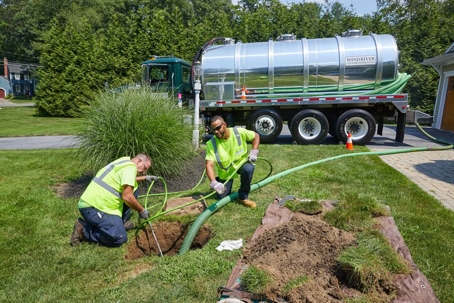
Technicians carefully inspect the septic tank and drain field. They check for leaks, cracks, or blockages. This assessment helps identify issues affecting the system’s function. Professionals also measure sludge and scum levels inside the tank.
Tank Pumping And Cleaning
Removing accumulated sludge is essential. Experts pump out solids that clog the tank over time. This cleaning prevents backups and extends the tank’s life. Proper disposal of waste protects the environment.
Repairs And Replacements
Professional services handle repairs of damaged pipes and components. They replace worn parts with quality materials. Timely repairs keep the system efficient and safe. Skilled workers ensure the system meets local codes.
Maintenance Scheduling And Records
Experts help set up regular maintenance schedules. They keep detailed records of inspections and work done. This information guides future service and helps track system health. Scheduling prevents unexpected problems and costly repairs.
Frequently Asked Questions
What Is Basic Maintenance For A Septic System?
Basic maintenance includes regular pumping, inspecting, and conserving water. It prevents clogs and system failures. Keeping solids out of drains also helps. Proper care extends the system’s lifespan and protects your property.
How Often Should A Septic Tank Be Pumped?
Septic tanks should be pumped every 3 to 5 years. Frequency depends on tank size and household usage. Regular pumping prevents sludge buildup and costly repairs. Avoid waiting until you notice system problems.
What Signs Indicate Septic System Problems?
Signs include slow drains, bad odors, and soggy yard areas. Gurgling sounds in plumbing and sewage backups also suggest issues. Early detection helps avoid expensive repairs and health risks.
Can Household Chemicals Harm A Septic System?
Yes, harsh chemicals like bleach and drain cleaners can kill beneficial bacteria. This disrupts waste breakdown and clogs the system. Use septic-safe products to maintain system health.
Conclusion
Basic maintenance keeps your septic system working well for years. Regular checks prevent costly repairs and system failures. Pump the tank every few years to avoid clogs and backups. Avoid flushing harmful chemicals or non-biodegradable items down drains. Keep heavy vehicles off the drain field to protect pipes.
Simple care saves money and protects your home’s health. Stay consistent with these steps for a trouble-free septic system. Small efforts lead to big benefits. Take care of your septic system today.