

Have you ever wondered what that small, coil-shaped part inside your electronic devices does? That’s called Component L, or an inductor, and it plays a crucial role in how your gadgets work.
Understanding Component L can help you see why your devices run smoothly and even spark your interest in electronics. Keep reading, and you’ll discover what makes this simple component so powerful—and why it matters to you.
Basics Of Inductors
Understanding the basics of inductors is essential for anyone interested in electronics. Inductors play a key role in circuits by storing energy in a magnetic field when electrical current flows through them. They influence current and voltage in ways that can be both subtle and powerful, making them indispensable in many electronic devices.
Definition And Symbol
An inductor, often represented by the symbol Lin circuit diagrams, is a passive electronic component. It primarily resists changes in current by creating a magnetic field, which stores energy temporarily. You’ll see its symbol as a series of loops or coils, reflecting its physical structure.
Have you ever noticed how some circuits seem to “smooth out” sudden changes in current? That’s often the work of an inductor at play. This simple component can affect how signals behave, making it crucial in filters, transformers, and energy storage.
Core Components
At the heart of every inductor is a coil of wire, usually copper, wound around a core. The core material can vary and significantly influences the inductor’s behavior:
- Air Core:No magnetic material inside, offering low inductance but high-frequency response.
- Iron Core:Increases inductance by concentrating the magnetic field, commonly used in power applications.
- Ferrite Core:Made of magnetic ceramic, ideal for high-frequency circuits due to low energy loss.
The number of wire turns and the core type affect how much energy the inductor can store. When you design or select an inductor, these factors determine its performance and suitability for your project.
Working Principle
The working principle of the component L, or inductor, is based on its ability to create and store energy using magnetic fields. It reacts to changes in current by opposing them, which makes it useful in many electronic circuits. Understanding how it works helps in designing better electrical devices.
Magnetic Field Creation
An inductor consists of a coil of wire. When electric current flows through this coil, it generates a magnetic field around it. The strength of this field depends on the current size and the coil’s properties. This magnetic field is key to how the inductor operates.
The magnetic field surrounds the coil and can influence nearby components. This property is used in transformers and other devices where magnetic coupling is needed. The magnetic field also stores energy temporarily while current flows.
Energy Storage
The inductor stores energy in its magnetic field as current passes through it. When the current changes, the magnetic field changes too, causing the inductor to resist sudden changes. This resistance to change protects circuits from spikes and noise.
Energy storage allows the inductor to release energy back into the circuit when needed. This makes it useful in filters, oscillators, and power supplies. The ability to store and release energy smoothly is what makes inductors vital in electronics.
Types Of Inductors
Inductors come in various types, each designed to serve specific functions in electronic circuits. Understanding these types can help you choose the right one for your project, whether it’s for filtering, tuning, or energy storage. Let’s look at the most common types of inductors and what makes each unique.
Air Core Inductors
Air core inductors use a coil of wire without any magnetic core inside. Because there is no core material, they don’t suffer from core losses, making them ideal for high-frequency applications like radio transmitters.
If you need a stable inductor that won’t saturate under strong currents, air core is a good choice. However, they tend to be larger for the same inductance value compared to other types.
Iron Core Inductors
Iron core inductors have a core made of iron or iron alloys, which increases their inductance significantly. This makes them great for low-frequency applications, such as power supplies and transformers.
Keep in mind, iron cores can saturate under high currents, which limits their use in some circuits. Their heavier weight and potential energy losses can also affect efficiency.
Ferrite Core Inductors
Ferrite core inductors use a ceramic compound made of iron oxide mixed with other metals. This core type offers high magnetic permeability and low electrical conductivity, reducing losses at high frequencies.
They strike a good balance between size and performance, commonly used in switch-mode power supplies and RF circuits. If you want an inductor with good efficiency and compact size, ferrite cores often fit the bill.

Credit: www.reddit.com
Key Characteristics
Understanding the key characteristics of Component L is essential for using it correctly in circuits. These features determine how the component behaves and performs under different conditions. Knowing these details helps in selecting the right Component L for specific electronic applications.
Inductance Value
Inductance value measures the ability to store energy in a magnetic field. It is expressed in henries (H). The higher the inductance, the stronger the magnetic field created by the component. This value affects how the component blocks or passes alternating current signals.
Q Factor
The Q factor shows how efficiently the component stores energy. It compares the energy stored to the energy lost in each cycle. A high Q factor means low energy loss and better performance. This is important in radio frequency and filtering circuits.
Saturation Current
Saturation current is the maximum current the component can handle before it loses its inductance properties. Passing current beyond this limit causes the magnetic core to saturate. Saturation reduces the component’s effectiveness and can damage the circuit.
Applications In Electronics
Component L, also known as an inductor, plays a vital role in many electronic devices. It stores energy in a magnetic field when electric current passes through it. This unique property makes it valuable in various electronic applications. Inductors help control current flow, filter signals, and manage power efficiently.
Power Supplies
Inductors stabilize voltage in power supplies. They smooth out fluctuations in current. This helps protect sensitive electronic parts. Inductors work with capacitors to reduce noise and ripple in power lines. They improve the efficiency of voltage regulation circuits. Many power supplies rely on inductors to maintain steady output.
Rf Circuits
Inductors are essential in radio frequency (RF) circuits. They help tune frequencies for better signal reception and transmission. Inductors form oscillators and filters in communication devices. They control the frequency response in antennas and transmitters. Without inductors, RF devices would struggle to function properly.
Filters
Inductors are key components in electronic filters. They block or pass certain frequency ranges. Filters shape signals by removing unwanted noise. Inductors combine with capacitors to create low-pass, high-pass, and band-pass filters. This improves signal clarity in audio and data systems. Filters using inductors protect circuits from interference.
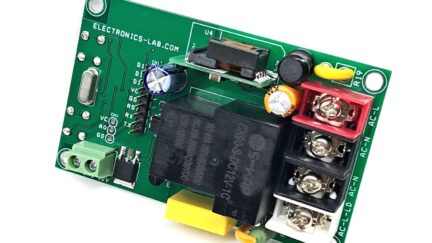
Credit: www.electronics-lab.com
Choosing The Right Inductor
Choosing the right inductor is crucial for your electronic circuit’s performance. The wrong inductor can cause inefficiencies, overheating, or even failure. Understanding the key factors helps you pick an inductor that fits your specific needs and avoids costly mistakes.
Frequency Considerations
The operating frequency of your circuit directly impacts the type of inductor you should choose. Inductors have different behaviors at low and high frequencies due to factors like core material and parasitic capacitance.
For high-frequency circuits, consider inductors with ferrite cores or air cores since they perform better with less energy loss. At lower frequencies, iron powder cores might be more suitable. Ask yourself: how stable does the inductance need to be across your frequency range?
Size And Form Factor
Space constraints often dictate the size and shape of your inductor. Smaller inductors fit well in compact devices but may have lower current ratings and higher resistance.
Think about your device’s layout and how the inductor will fit. A bulky inductor might work perfectly in a power supply but won’t suit a wearable gadget. Have you measured the available space before ordering components?
Current Rating
Always check the maximum current your inductor can handle without overheating or saturating. Exceeding this limit leads to performance drops and potential damage.
Calculate the peak current in your circuit, then pick an inductor with a rating comfortably above that. It’s better to choose one slightly over your needs than risk failure. Have you considered transient currents or surges in your current rating assessment?
Challenges And Limitations
Working with Component L in electronics comes with its own set of challenges and limitations that can impact your circuit’s performance. Understanding these issues helps you design more reliable and efficient systems. Let’s look at some common obstacles you might face.
Parasitic Capacitance
Parasitic capacitance occurs when unintended capacitance forms between the component’s leads or nearby conductive elements. This can distort the signal by causing unwanted phase shifts or frequency changes.
Have you ever noticed your circuit behaving differently at high frequencies? Parasitic capacitance is often the culprit. It can reduce the effectiveness of Component L, especially in sensitive or high-speed applications.
To minimize this, keep wiring short and avoid placing components too close together. You can also use specialized layouts or shielding techniques to reduce these effects.
Heat Dissipation
Component L can generate heat during operation, and managing this heat is crucial. Excess heat can damage the component or alter its properties, leading to circuit failure.
Think about a time when a device overheated and stopped working properly. That’s a direct example of poor heat dissipation. Ensuring proper ventilation or adding heat sinks can help maintain stable performance.
Pay close attention to your circuit’s power ratings and always check the component’s temperature limits. This prevents unexpected breakdowns and extends the life of your electronics.
Future Trends
The future of Component L in electronics is shaping up to be both exciting and transformative. As devices get smarter and more compact, the role of Component L is evolving rapidly. Let’s dive into two key trends that will define its path forward and what that means for your projects and innovations.
Miniaturization
Component L is getting smaller without losing its effectiveness. This trend allows you to build more compact gadgets without compromising performance. Smaller components also mean less heat generation and improved energy efficiency.
Think about how smartphones have shrunk in size but gained powerful features. The same is happening with Component L, enabling you to create sleek, portable devices that pack a punch.
Advanced Materials
New materials are changing how Component L performs under various conditions. These materials improve durability, reduce losses, and enhance overall reliability. You might soon see Component L made from substances that handle higher frequencies and temperatures better than before.
Imagine working with a component that stays stable in extreme environments, opening doors to applications you never thought possible. How would having such reliable parts change the way you design your electronics?

Credit: www.amazon.co.uk
Frequently Asked Questions
What Does Component L Represent In Electronics?
Component L represents an inductor in electronics. It stores energy as a magnetic field when current flows through it. Inductors are used in filters, transformers, and tuning circuits to control current and voltage.
How Is Component L Symbolized In Circuit Diagrams?
Component L is symbolized by a coil or series of loops in circuit diagrams. This symbol represents the inductor’s wire winding, which creates a magnetic field when current passes through it.
What Are Common Uses Of Component L In Circuits?
Component L is used for filtering noise, storing energy, and tuning frequencies. It helps in power supplies, radio transmitters, and signal processing to manage current and voltage flow efficiently.
How Does Component L Affect Ac And Dc Currents?
Component L opposes changes in current due to its inductance. It resists AC by creating reactance, while DC passes through with minimal resistance, making it useful for filtering and energy storage.
Conclusion
Component L plays a key role in many electronic circuits. It stores energy and controls current flow. Understanding its function helps in building better devices. This small part affects how circuits work and perform. Knowing about Component L makes electronics easier to grasp.
Keep exploring to learn how it fits in various gadgets. Electronics become clearer step by step with this knowledge. Simple but important—Component L matters in every circuit.


