
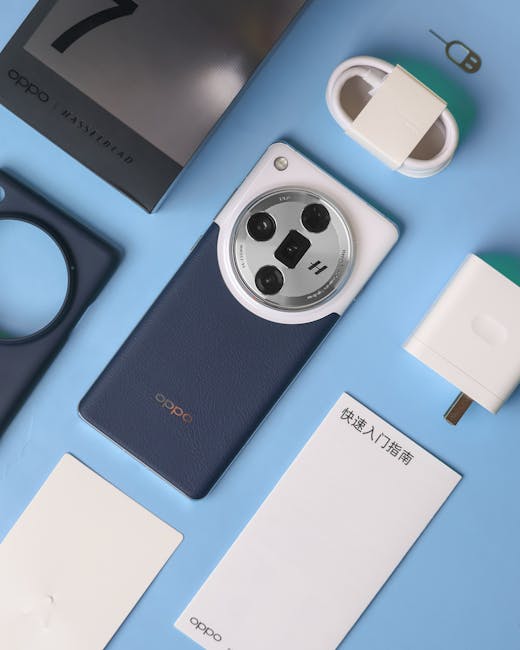
Have you ever wondered how your smartphone, television, or laptop works? These everyday items fall under the fascinating world of consumer electronics.
But what exactly are consumer electronics, and why do they play such a crucial role in your life? Whether you’re streaming your favorite show, snapping a picture, or making a call, consumer electronics are at the heart of your daily experiences.
This article will unravel the mystery behind these essential gadgets, delving into their functions, innovations, and impact on your lifestyle. Stay with us, and you’ll discover how these devices are more than just tools—they’re your gateway to a connected world.
Consumer Electronics Essentials
Understanding the essentials of consumer electronics helps you make smarter choices and get the most value from your purchases. These devices are everywhere, shaping how you work, play, and connect. Knowing what defines them, the common types you encounter, and the features that truly matter can save you time and money.
Defining Consumer Electronics
Consumer electronics are electronic devices designed for everyday use by individuals. They range from simple gadgets to complex systems that enhance daily life. You interact with these products at home, in your car, and on the go.
Think about your smartphone or your TV—these fall under consumer electronics because they serve personal needs. The goal of these devices is to provide convenience, entertainment, communication, or information.
Common Categories
Consumer electronics cover a broad range of products. Some categories you likely own include:
- Smartphones and Tablets:Portable devices that keep you connected.
- Audio Equipment:Headphones, speakers, and sound systems for entertainment.
- Home Appliances:Smart refrigerators, washing machines, and more that combine electronics with daily tasks.
- Wearables:Fitness trackers and smartwatches that monitor health and activity.
- Computers and Accessories:Laptops, keyboards, and webcams used for work and leisure.
Which of these do you rely on most in your daily routine?
Key Features To Look For
When choosing consumer electronics, focus on features that match your actual needs. Consider:
- Usability:Is the device easy to set up and use without frustration?
- Compatibility:Will it work with your existing gadgets and software?
- Durability:Can it withstand regular use without breaking down?
- Battery Life:How long does it last on a single charge?
- Customer Support:Does the brand offer reliable help if something goes wrong?
When I bought my first smart speaker, I focused on voice recognition accuracy and integration with other devices. That choice made a big difference in daily convenience. What features matter most to you when picking a new gadget?
Popular Must-have Gadgets
Consumer electronics shape daily life with devices designed for convenience and fun. These gadgets help people stay connected, entertained, and organized. Some devices have become essential for work and leisure. Popular must-have gadgets fit many needs and lifestyles.
Smartphones And Accessories
Smartphones lead the world of consumer electronics. They combine calling, texting, internet, and apps in one device. Accessories improve user experience:
- Protective cases
- Screen protectors
- Wireless chargers
- Bluetooth earbuds
- Power banks
These add-ons extend phone life and enhance convenience.
Wearable Technology
Wearables track health, fitness, and daily activities. Popular types include:
- Smartwatches
- Fitness trackers
- Wireless earbuds
They show notifications, count steps, monitor heart rate, and help manage time. Wearables keep users active and informed without needing a phone.
Smart Home Devices
Smart home gadgets bring comfort and security. Common devices include:
- Smart speakers
- Smart lights
- Security cameras
- Smart thermostats
These devices can be controlled by voice or apps. They make homes energy-efficient and safer.
Audio And Entertainment Gear
Audio gadgets enhance music and movie experiences. Popular choices are:
- Wireless headphones
- Bluetooth speakers
- Streaming devices
- Soundbars
They provide clear sound and easy access to media. Perfect for relaxing or social gatherings.
Choosing The Right Gadgets
Choosing the right gadgets can feel overwhelming with so many options available. The key is to focus on what truly fits your lifestyle and needs. Let’s break down how you can make smarter, more confident choices when shopping for consumer electronics.
Assessing Your Needs
Start by asking yourself what you really need the gadget for. Are you looking for something to boost your productivity, enhance your entertainment, or improve your fitness? Pinpointing the purpose helps narrow down the features to focus on.
Think about how often you’ll use the device and in what settings. I once bought a high-end camera expecting to take daily photos, but it mostly gathered dust because I wasn’t ready to commit to photography. That experience taught me to align purchases with real habits, not just excitement.
Budget Considerations
Setting a clear budget can save you from overspending on gadgets packed with features you don’t need. Decide on a price range before you start shopping, and stick to it. This approach forces you to prioritize what features matter most.
Remember, the most expensive option isn’t always the best for you. Sometimes mid-range devices offer excellent performance without breaking the bank. Are you willing to trade a few premium features for better value?
Brand And Quality Factors
Brands can signal reliability, but don’t rely on brand names alone. Check reviews, warranty offers, and customer service reputation. A lesser-known brand with strong support can sometimes outperform a big name.
Consider the build quality and materials used. A gadget that feels sturdy and well-made often lasts longer and performs better. Have you experienced frustrations with flimsy devices? That’s a sign to pay closer attention to quality.
Latest Trends In Consumer Electronics
The world of consumer electronics changes fast. New trends shape how people use devices daily. Staying updated helps users pick tech that fits their needs. The latest trends focus on smarter, greener, and more connected gadgets.
Ai Integration
Artificial Intelligence (AI) is in many devices now. Smart assistants help with tasks and answer questions. AI improves cameras by adjusting settings automatically. It also makes gadgets more user-friendly and personalized.
Sustainability And Eco-friendly Tech
Eco-friendly technology is gaining attention. Companies use recycled materials and reduce waste. Energy-efficient devices lower electricity use. Consumers want products that help protect the environment.
Connectivity And Iot Expansion
The Internet of Things (IoT) links devices for better control. Smart homes use connected lights, locks, and thermostats. This trend makes life easier and more efficient. More devices now communicate through Wi-Fi or Bluetooth.
Maintaining And Upgrading Devices
Maintaining and upgrading your consumer electronics can save you money and extend the life of your devices. Taking care of your gadgets ensures they work efficiently and helps you avoid frustrating breakdowns. Knowing when to upgrade also keeps you up to date with the latest features and security improvements.
Care Tips For Longevity
Start by keeping your devices clean and free from dust. Use a soft cloth and avoid harsh chemicals that can damage screens or casings.
Protect your electronics from extreme temperatures and moisture. These conditions can cause internal damage and reduce battery life.
Regularly update your device’s software to fix bugs and improve performance. Many issues arise from outdated software rather than hardware problems.
Charging habits matter. Avoid letting your battery drain completely or keeping it plugged in constantly. This helps maintain battery health over time.
When To Upgrade
Ask yourself if your device still meets your needs or if it slows your work or entertainment. If it struggles with the latest apps or crashes often, it might be time to consider an upgrade.
Also, watch for signs like reduced battery life or hardware failures that repairs can’t fix cost-effectively. Sometimes investing in a new device saves you more hassle and money in the long run.
Think about the features you need. If a newer model offers significant improvements that will benefit your daily use, upgrading makes sense.
Recycling And Disposal
Old electronics shouldn’t end up in the trash. They contain materials that can harm the environment if not disposed of properly.
Look for local e-waste recycling programs or manufacturer take-back schemes. These options ensure safe handling and recycling of components.
Before recycling, erase all personal data from your device. This protects your privacy and prevents identity theft.
Frequently Asked Questions
What Defines Consumer Electronics Products?
Consumer electronics are devices designed for personal use. They include gadgets like smartphones, TVs, and audio players. These products enhance daily life by providing entertainment, communication, and convenience.
How Do Consumer Electronics Impact Daily Life?
Consumer electronics simplify communication, entertainment, and information access. They improve productivity and connectivity. These devices also offer convenience through smart home integration and wearable technology.
What Are The Main Categories Of Consumer Electronics?
Main categories include smartphones, laptops, TVs, audio devices, and wearable tech. Home appliances and gaming consoles also fall under this category. Each serves specific user needs and preferences.
Why Is Innovation Important In Consumer Electronics?
Innovation drives better performance, new features, and improved user experience. It keeps products competitive and relevant in the market. Continuous innovation meets evolving consumer demands and technological advancements.
Conclusion
Consumer electronics include many devices we use daily. They help us connect, work, and enjoy entertainment. These gadgets keep evolving with new features and designs. Understanding them helps you choose the right products. Stay aware of trends to make smart decisions.
Consumer electronics shape how we live and communicate today. They will continue to play a big role in the future. Simple, useful, and always improving—these devices are part of life.


