
Have you ever wondered what makes your smartphone smart or your TV capable of streaming your favorite shows? The magic lies in the consumer electronics software services industry.
This dynamic field is the invisible force that brings your gadgets to life, making them more than just pieces of hardware. You’re about to dive into a world where software meets innovation, unlocking possibilities you never thought possible. By understanding this industry, you can better appreciate the technology that surrounds you every day.
Stick around, and you’ll discover how this industry shapes your digital experiences and why it’s crucial for your future.
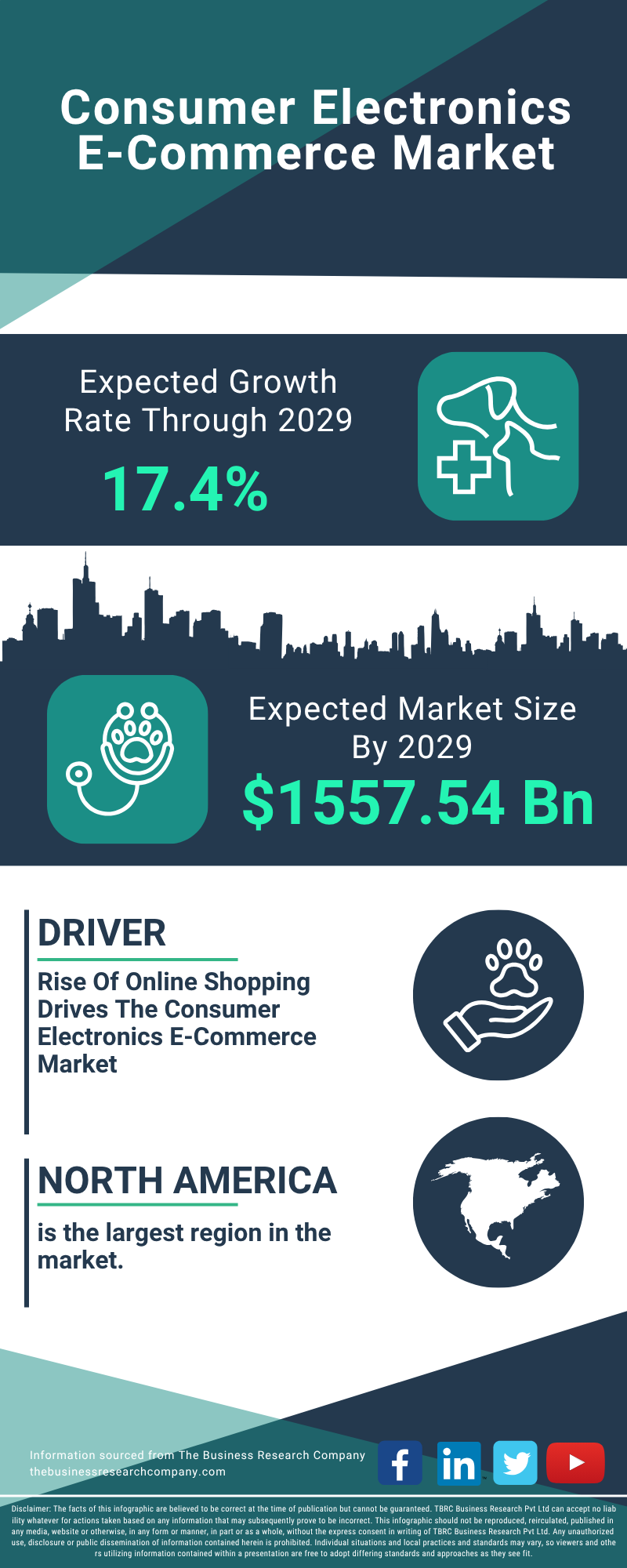
Credit: www.thebusinessresearchcompany.com
Consumer Electronics Software Landscape
The consumer electronics software landscape is vast and constantly evolving. It shapes how you interact with everyday devices, from smartphones to smart TVs and wearables. Understanding this landscape helps you appreciate the technology behind the gadgets you rely on daily.
Types Of Software Services
Software services in consumer electronics cover a wide range of areas. These include:
- Firmware Development:Software embedded directly into hardware to control device functions.
- Mobile and Web Applications:Apps that enhance device usability and connect to cloud services.
- Operating Systems:Platforms like Android, iOS, and proprietary OSes that run devices smoothly.
- Security Software:Protects devices from malware, data breaches, and unauthorized access.
- Cloud Integration Services:Enable devices to sync and share data seamlessly.
Each of these services plays a crucial role in ensuring your devices work efficiently and securely.
Major Industry Players
Several companies dominate the consumer electronics software industry, influencing what you experience on your devices. Giants like Google, Apple, Microsoft, and Samsung invest heavily in software development.
They offer comprehensive ecosystems where hardware and software work in sync, providing a seamless user experience. Smaller firms also contribute by focusing on niche software solutions, such as specialized apps or security tools.
Have you noticed how Apple’s tight control over its software and hardware creates a smoother experience compared to more open platforms? This shows the impact of major players on your everyday tech.
Emerging Technologies
New technologies are reshaping the consumer electronics software space rapidly. Artificial Intelligence (AI) and Machine Learning (ML) are now integral, enabling smarter devices that adapt to your habits.
Augmented Reality (AR) and Virtual Reality (VR) software are becoming common in gaming and education, offering immersive experiences. Additionally, the rise of the Internet of Things (IoT) connects multiple devices, creating smarter homes and offices.
Think about how your voice assistant learns your preferences over time. What new capabilities would you want your devices to develop next?
Market Dynamics
The Consumer Electronics Software Services industry is constantly evolving, shaped by various market forces that influence how companies develop and deliver technology solutions. Understanding these market dynamics helps you grasp why certain trends gain momentum while others face hurdles. It also sheds light on what to expect if you’re involved in this space, whether as a developer, investor, or user.
Growth Drivers
One major growth driver is the rising demand for smart devices that offer seamless connectivity and personalized experiences. Consumers want their gadgets to work together smoothly, pushing companies to create integrated software ecosystems.
Another key factor is the surge in IoT (Internet of Things) applications, which require advanced software to manage data and enhance device functionality. This opens new opportunities for innovation and service expansion.
Additionally, increasing adoption of AI and machine learning in consumer electronics improves device intelligence, attracting more users who expect smarter technology in everyday products.
Challenges Faced
Security remains a significant concern as more devices connect to the internet, exposing vulnerabilities that can be exploited. Protecting user data while maintaining device performance is a tough balancing act for software developers.
Compatibility issues also slow down progress. With numerous hardware manufacturers and operating systems, creating software that works flawlessly across all platforms is complex and resource-intensive.
Moreover, rapid technological changes force companies to constantly update their software offerings, which can strain budgets and lead to shorter product lifecycles.
Competitive Trends
Companies are increasingly focusing on collaboration to stay competitive, partnering with hardware makers and other tech firms to enhance software capabilities. This strategy helps deliver more value to users faster.
Subscription-based models for software services are becoming popular, providing steady revenue streams and ongoing customer engagement. This shift changes how you might pay for and interact with your devices over time.
Lastly, open-source software is gaining traction, encouraging innovation through community contributions and faster problem-solving. This trend challenges traditional proprietary models and could reshape how software services evolve.
Applications Across Devices
The consumer electronics software services industry plays a vital role in making our devices smarter, more responsive, and easier to use. These software solutions are designed to work seamlessly across a wide variety of gadgets, enhancing their functionality and your overall experience. Understanding how these applications operate across different devices can help you appreciate the technology behind your everyday tools.
Smartphones And Tablets
Smartphones and tablets rely heavily on specialized software services to deliver smooth performance and rich features. Software updates improve security, add new capabilities, and fix bugs that impact your daily use.
Apps on these devices connect you to everything from social networks to productivity tools. Have you noticed how some apps adapt based on your usage patterns? That’s the software learning to serve you better.
Wearables And Iot Gadgets
Wearables like smartwatches and fitness trackers use software to monitor your health and keep you connected without needing your phone. This software processes data from sensors to give you real-time feedback on your activity and well-being.
IoT gadgets in your home, such as smart thermostats or security cameras, depend on software services to communicate with each other and respond to your commands. How many smart devices do you have that interact without you lifting a finger?
Home Entertainment Systems
Modern home entertainment systems use software to integrate streaming services, control devices, and customize your viewing experience. These systems learn your preferences and can suggest content you might enjoy.
Software also manages connectivity between your TV, sound system, and gaming consoles. This coordination ensures you get seamless entertainment without technical hiccups.
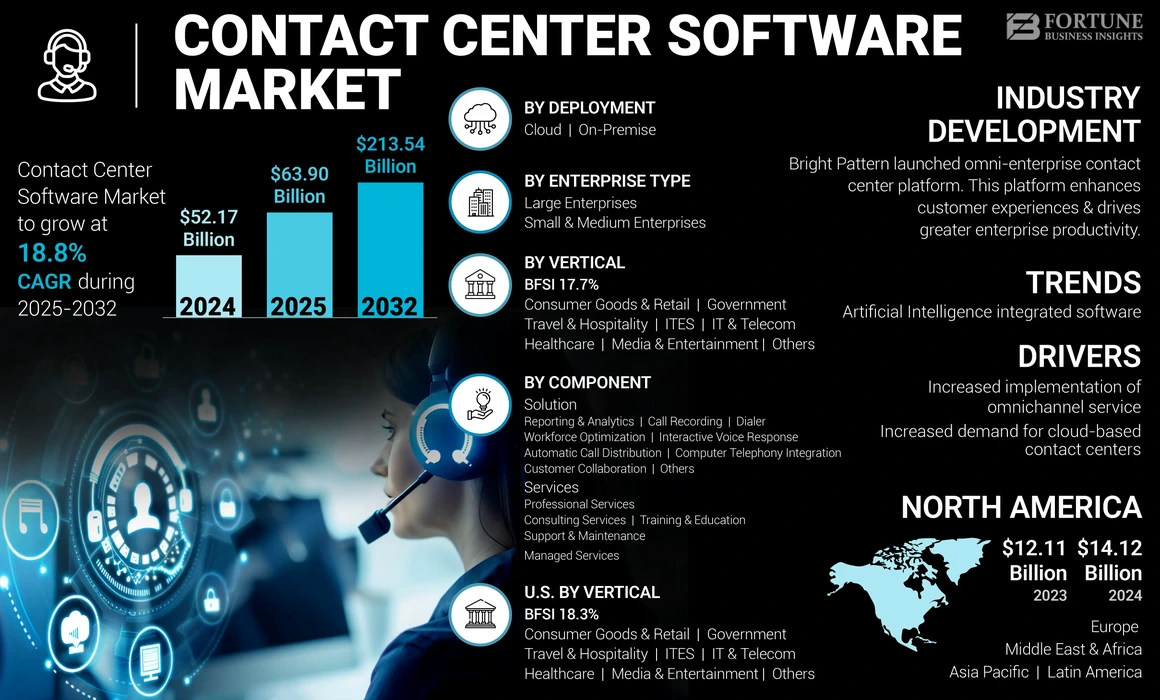
Credit: www.fortunebusinessinsights.com
Innovation And Development
Innovation and development drive the consumer electronics software services industry forward. This field constantly evolves as companies seek to create smarter, safer, and more enjoyable devices. Your daily interactions with gadgets improve because of these ongoing advancements.
Ai And Machine Learning Integration
AI and machine learning are no longer just buzzwords; they shape how devices understand and respond to you. Imagine your smart speaker learning your music preferences without you telling it every time. This technology helps devices predict your needs, making them more intuitive and personalized.
Companies use AI to improve voice recognition, automate maintenance, and even enhance device performance. Could your next gadget anticipate your next move before you make it?
Security And Privacy Solutions
Security remains a top concern in consumer electronics. You want to trust that your personal data stays safe while using smart devices. Developers now focus on building strong encryption and privacy controls directly into the software.
Features like biometric authentication and secure cloud storage protect your information. What steps do you take to protect your data when using new electronics?
User Experience Enhancements
Improving user experience means making devices easier and more enjoyable to use. Software updates often bring smoother interfaces, faster responses, and new functionalities that save you time. Developers gather feedback to fix frustrations and add features that make sense for your lifestyle.
Think about how a simple update made your smartphone or wearable more user-friendly. How could your current devices be improved to fit your daily habits better?
Future Outlook
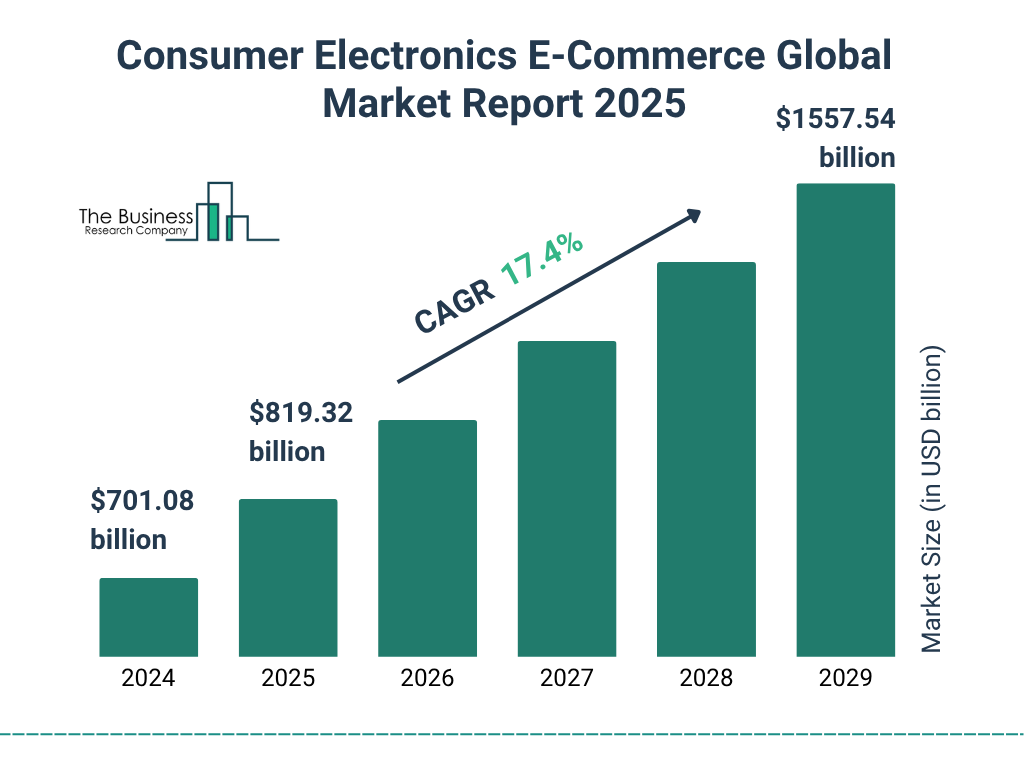
The future outlook of the Consumer Electronics Software Services industry is full of promise and change. New technologies will shape how companies create and deliver software. Market trends show growth and evolving customer needs. Some disruptions may challenge current business models but also create fresh opportunities.
Upcoming Technologies
Artificial intelligence will improve device performance and user experience. Edge computing will enable faster data processing near devices. Internet of Things (IoT) will expand software needs across more connected gadgets. Augmented reality (AR) and virtual reality (VR) will add new software features for entertainment and work. Cloud-based services will grow, offering flexible software solutions.
Market Predictions
- Consumer demand for smart devices will keep rising.
- Software customization will become more common.
- Subscription models for software services will gain popularity.
- Emerging markets will see faster adoption of new electronics.
- Companies will invest more in security software.
Potential Disruptions
Supply chain issues may slow hardware availability, affecting software updates. Cybersecurity threats will require stronger protection measures. Regulatory changes might impact software development and data use. New startups could introduce innovative software solutions. Changing consumer habits could shift software priorities quickly.
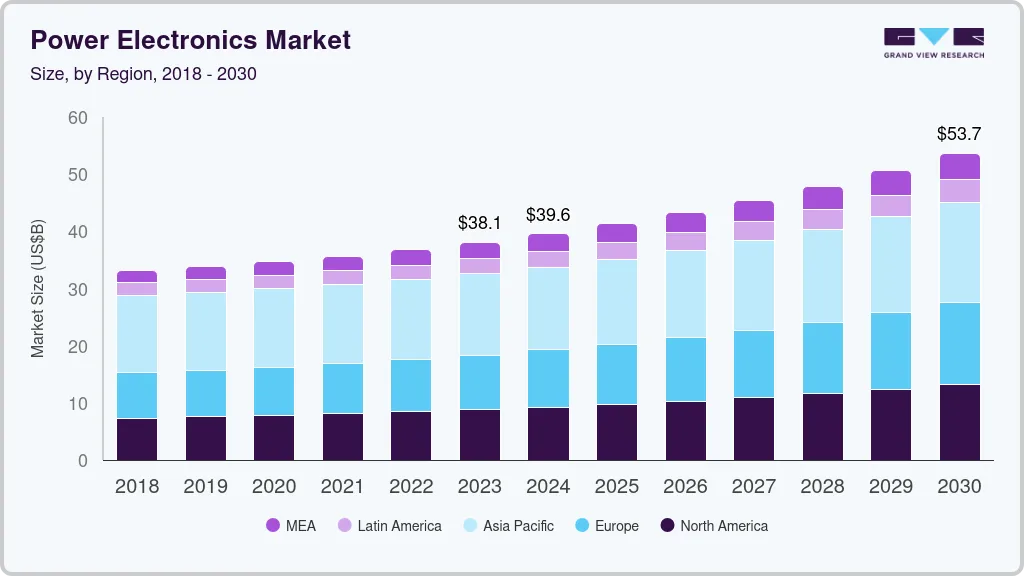
Credit: www.grandviewresearch.com
Frequently Asked Questions
What Is The Consumer Electronics Software Services Industry?
The consumer electronics software services industry develops software for devices like smartphones and smart TVs. It ensures smooth device operation and enhances user experiences through apps and system updates.
Why Is Software Vital In Consumer Electronics?
Software controls device functions, enabling features and connectivity. It improves device performance, security, and user interaction, making electronics smarter and more efficient.
What Services Are Offered In This Industry?
Services include software development, testing, maintenance, and integration for consumer electronics. Providers also offer customization, firmware updates, and technical support to optimize device functionality.
How Does This Industry Impact Technology Users?
It delivers reliable, innovative software that enhances device usability and performance. Users get better features, improved security, and seamless interaction across multiple electronic devices.
Conclusion
The consumer electronics software services industry shapes our daily tech use. It helps devices work smarter and faster. This field grows with new ideas and strong technology. Companies create software that improves gadgets and user experiences. Understanding this industry helps us see how tech evolves.
It also shows how software supports many electronic products. The future holds exciting changes and better tools. Staying informed about this industry benefits everyone who uses electronics. The impact is clear and continues to expand.


