
Have you ever wondered how the gadgets you use every day came to be? From the smartphone in your pocket to the smart TV in your living room, consumer electronics have transformed the way you live, work, and play.
But where did it all begin? Understanding the history of consumer electronics is not just about looking back; it’s about gaining insight into how innovation shapes your world. As you read on, you’ll discover fascinating stories behind the devices that have become integral to your life, and you might just find yourself seeing your favorite electronics in a whole new light.
Stay with us, and uncover the intriguing evolution of the gadgets that define modern living.
Early Innovations
Early innovations laid the foundation for today’s consumer electronics. Inventors and scientists introduced devices that changed communication and entertainment. These inventions made information and media accessible to many people. The progress started with simple tools and grew into complex technologies.
Invention Of The Telegraph And Telephone
The telegraph was one of the first breakthroughs in electronic communication. It allowed messages to travel long distances quickly using electric signals. This invention connected cities and countries like never before.
The telephone followed, making voice communication possible over wires. People could talk to each other without meeting face-to-face. This new way of speaking transformed personal and business interactions worldwide.
Rise Of Radio Technology
Radio technology brought wireless communication to the public. It used radio waves to send sound across vast areas. Radios became popular in homes, delivering music, news, and entertainment.
This innovation created a new way for people to connect and share information. Radio also helped during emergencies by spreading important messages fast.
Introduction Of Television
Television combined images and sound to create a new entertainment form. It brought moving pictures directly into living rooms. Families gathered to watch shows, news, and events together.
Television changed how people received information and entertainment. It became a central part of daily life and culture around the world.

Credit: www.jonandnic.com
Post-war Advances
The period following World War II marked a significant turning point in consumer electronics. Advances made during the war laid the groundwork for rapid innovation in everyday devices. This era saw technology becoming more compact, affordable, and accessible, transforming how people lived and interacted with electronics.
Development Of Transistors
The invention of the transistor in 1947 was a game-changer. It replaced bulky vacuum tubes with smaller, more reliable components. This breakthrough made devices lighter, more energy-efficient, and less prone to failure.
Think about your smartphone today—transistors are the tiny building blocks inside it. Without this development, portable electronics as you know them wouldn’t exist. The shift from tubes to transistors opened the door for mass production and widespread use.
Growth Of Home Appliances
Post-war prosperity increased demand for home appliances that saved time and effort. Refrigerators, washing machines, and vacuum cleaners became staples in households. These devices improved daily life by automating chores and improving food storage.
Manufacturers focused on making appliances more affordable and stylish. You might notice vintage appliances from the 1950s have a distinct look—brands understood that design mattered as much as function. How often do you consider the design of your appliances when choosing them?
Emergence Of Portable Devices
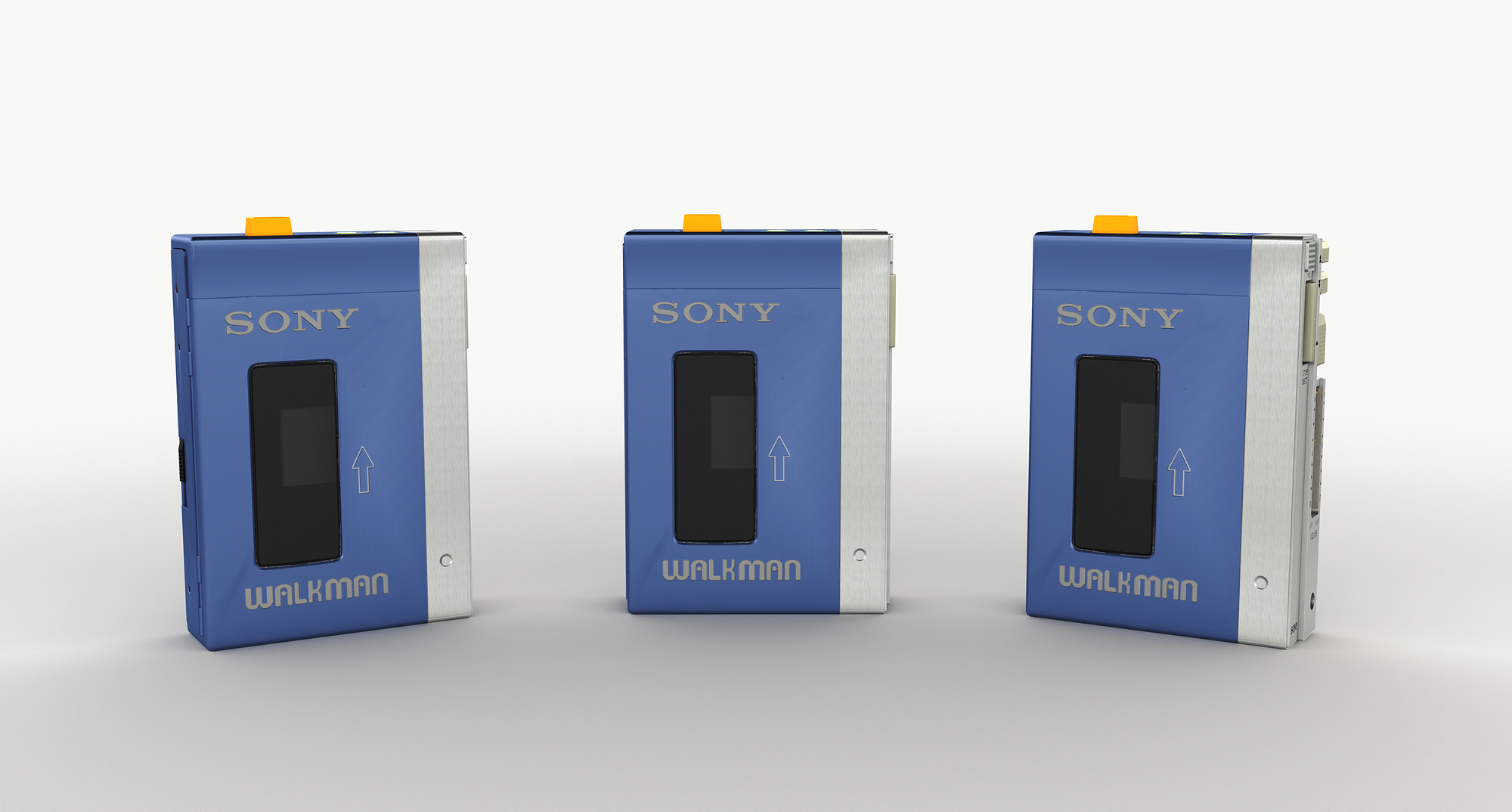
The 1950s and 1960s brought the first wave of portable consumer electronics. Portable radios allowed people to listen to music and news anywhere. This freedom changed how you and others consumed media.
Later, portable TVs and early handheld calculators appeared, making technology truly mobile. These innovations prompted questions about what else could be made portable. What device would you want to carry with you that’s still surprisingly bulky today?
Digital Revolution
The Digital Revolution reshaped how you interact with technology every day. It marked the shift from analog to digital electronics, changing everything from communication to entertainment. This era introduced devices that became personal extensions of your lifestyle, making technology more accessible and powerful.
Advent Of Personal Computers
Personal computers brought computing power right to your desk. Early models like the Apple II and IBM PC made complex tasks simpler and more manageable for individuals and small businesses. Suddenly, you could create documents, manage data, and even play games without needing a large mainframe.
Think about the first time you used a PC—did it feel like a tool or a gateway? For many, it was the start of a deeper relationship with technology that still grows today. Understanding this shift helps you appreciate the devices you now take for granted.
Evolution Of Mobile Phones
Mobile phones evolved from bulky, expensive gadgets to sleek devices that fit in your pocket. Early models were mainly for calls, but over time, they added texting, cameras, and internet access. This constant improvement turned phones into essential tools for work, socializing, and entertainment.
Have you noticed how your mobile phone has changed your daily habits? From scheduling to navigation, it’s become your personal assistant. Recognizing this evolution shows how quickly technology adapts to your needs.
Rise Of Digital Audio And Video
Digital formats transformed how you consume music and videos. CDs replaced tapes, and later, streaming services made vast libraries accessible anytime. Video moved from VHS tapes to DVDs and now to high-definition online streaming, changing your viewing experience completely.
Consider how your music or movie habits have shifted with these changes. Has streaming changed what you listen to or watch? Understanding this rise explains why digital content dominates today’s entertainment landscape.
Modern Consumer Electronics
Modern consumer electronics have transformed the way you live, work, and connect with others. These devices are designed to fit seamlessly into your daily routine, offering convenience and enhanced functionality. Let’s take a closer look at some of the key categories shaping your tech experience today.
Smartphones And Tablets
Smartphones and tablets put powerful computing in your hands. You can check emails, navigate with GPS, or stream your favorite shows anytime. The evolution from simple mobile phones to these multi-functional devices has changed how you communicate and access information on the go.
Think about how your smartphone adapts to your needs daily. Whether it’s managing your calendar or capturing moments with the camera, it’s more than just a phone—it’s your personal assistant. What features do you use most, and how could they improve your routine?
Wearable Technology
Wearable technology like smartwatches and fitness trackers keeps you connected without needing to pull out your phone. These gadgets monitor your health, track workouts, and even manage notifications discreetly. They encourage you to stay active and informed throughout the day.
Imagine getting a gentle vibration to remind you to move or check your heart rate during exercise. These small nudges can impact your lifestyle positively. Could wearing one help you reach your health goals?
Smart Home Devices
Smart home devices give you control over your living space with just a voice command or a tap on your phone. From adjusting lighting and temperature to enhancing security, these gadgets make your home more responsive and energy-efficient.
Have you ever arrived home to lights turning on automatically or your thermostat adjusting to the perfect temperature? This convenience adds comfort and saves energy. What smart home feature would make your daily life easier?
Future Trends
The future of consumer electronics promises exciting changes. New technologies will make devices smarter and more useful. Users will enjoy richer experiences and better sustainability. These trends will shape how people interact with technology daily.
Artificial Intelligence Integration
Devices will use artificial intelligence (AI) to learn user habits. AI helps personalize settings and improve device performance. Smart assistants will become more intuitive and helpful. AI-driven features will enhance security and energy efficiency.
Augmented And Virtual Reality
Augmented reality (AR) and virtual reality (VR) will grow in popularity. These technologies create immersive experiences for gaming, education, and work. AR will blend digital objects with the real world. VR will provide fully virtual environments for users to explore.
Sustainability And Eco-friendly Tech
Eco-friendly technology will become a top priority for manufacturers. Devices will use recyclable materials and consume less power. Companies will design products for easy repair and longer use. Sustainable tech reduces environmental impact and saves resources.
Credit: uxdesign.cc
Credit: hypetrics.in
Frequently Asked Questions
What Sparked The Beginning Of Consumer Electronics?
Consumer electronics began in the early 20th century with radios and telephones. Innovations made devices accessible and user-friendly. This sparked mass adoption and rapid industry growth worldwide.
How Did Consumer Electronics Evolve Over Time?
Consumer electronics evolved through technological advances like transistors, microchips, and digital displays. Each innovation made devices smaller, faster, and affordable, transforming lifestyles globally.
What Role Did The Transistor Play In Electronics?
The transistor, invented in 1947, replaced bulky vacuum tubes. It made devices smaller, more reliable, and energy-efficient. This was crucial for portable electronics like radios and calculators.
When Did Personal Computers Enter Consumer Electronics?
Personal computers became popular in the late 1970s and early 1980s. Affordable models enabled widespread home use, revolutionizing communication, work, and entertainment.
Conclusion
Consumer electronics have changed a lot over time. They started simple but grew very fast. New inventions keep making life easier and fun. People now use many devices every day. Understanding their history helps us see how far we have come.
Technology will keep moving forward. What’s next? Only time will tell. The story of consumer electronics is still being written. Stay curious and enjoy the journey.


