Which Electronic Component Does the Symbol Represent: Ultimate Guide
Have you ever stared at a circuit diagram and wondered, “Which electronic component does this symbol represent?” You’re not alone.
Understanding these symbols is key to reading and building electronic circuits confidently. You’ll discover the most common electronic symbols and what they stand for. By the end, you’ll be able to identify components quickly and boost your electronics skills. Ready to unlock this essential knowledge?
Let’s dive in!

Credit: www.etechnophiles.com
Common Electronic Symbols
Electronic symbols are simple drawings that represent parts in a circuit. They help to read and build electronic diagrams. Recognizing these symbols is key to understanding how circuits work. Common symbols are easy to learn and appear often in schematics.
Resistors
Resistors control the flow of electric current. Their symbol looks like a zigzag line or a rectangle. The zigzag shows resistance to the current. Resistors protect parts by lowering voltage or current. They come in many values, shown as numbers next to the symbol.
Capacitors
Capacitors store and release electrical energy. The symbol shows two parallel lines with a gap between them. One line may be curved for polarized capacitors. Capacitors smooth signals and filter noise. Their value is in farads, often written near the symbol.
Inductors
Inductors store energy as a magnetic field. The symbol looks like a series of loops or a coil. They resist changes in current and filter signals. Inductors are key in radios and power supplies. Their size and shape vary, but the symbol stays the same.
Active Components Symbols
Active electronic components control the flow of electricity in circuits. These components can amplify signals, switch currents, or perform other dynamic functions. Each active component has a unique symbol that helps identify it on circuit diagrams. Understanding these symbols is essential for reading and designing electronic circuits.
Diodes
Diodes allow current to flow in one direction only. Their symbol looks like a triangle pointing to a line. The triangle shows the direction of allowed current. Some common diode types include:
- Standard diode
- Zener diode
- Light Emitting Diode (LED)
Each type has slight variations in its symbol, indicating its special function.
Transistors
Transistors act as switches or amplifiers. They have three terminals: collector, base, and emitter. The symbol shows an arrow on the emitter leg, indicating current flow direction. There are two main types:
- NPN transistor
- PNP transistor
The arrow points outward for NPN and inward for PNP, helping to distinguish them easily.
Integrated Circuits
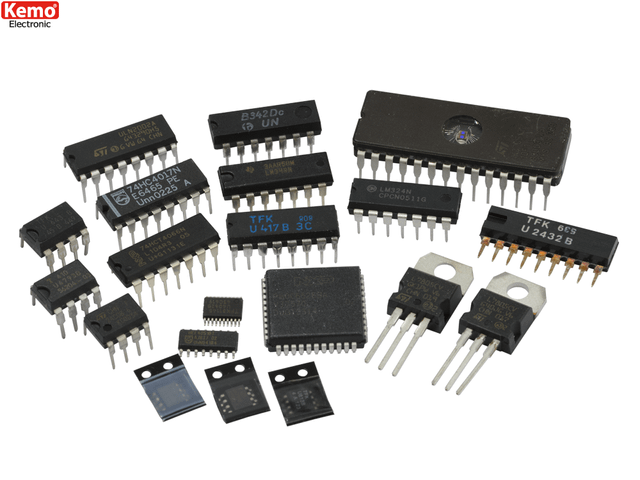
Integrated circuits (ICs) combine many components into one chip. Their symbols appear as rectangles with pins on each side. Each pin connects to a different part of the circuit. The IC number or name is usually written inside the rectangle. This symbol helps identify complex devices in simple circuit diagrams.
Power Supply Symbols
Power supply symbols are the foundation of understanding any electronic circuit diagram. They tell you where the energy comes from and how it flows into the components. Recognizing these symbols quickly can save you time and help you troubleshoot or build circuits effectively.
Batteries
The battery symbol usually looks like a pair of lines—one longer than the other—placed parallel. The longer line represents the positive terminal, while the shorter line is the negative terminal.
Seeing this symbol means the circuit relies on stored chemical energy. If you’ve ever tried replacing batteries in a gadget, you know the importance of getting the polarity right. The symbol reminds you to connect the battery correctly to avoid damage.
Ac And Dc Sources
AC (Alternating Current) and DC (Direct Current) sources have distinct symbols to help you identify the type of power supply. The AC source is often shown as a sine wave inside a circle, representing the changing direction of current.
The DC source symbol usually appears as a circle with a plus and minus sign, indicating a constant voltage. Knowing which power source you’re working with affects how the circuit behaves and what components you should use.
Ground
The ground symbol looks like a set of three horizontal lines, stacked with decreasing width, or sometimes as an upside-down triangle made of lines. It represents the common reference point in the circuit.
Connecting to ground ensures safety and a return path for current. You might wonder why some circuits have multiple ground symbols—this helps separate different parts of the circuit electrically while keeping them referenced to the same zero voltage level.
Input And Output Device Symbols
Input and output device symbols are essential in electronic circuit diagrams. They show how devices connect and interact within a system. These symbols help identify components that receive signals (input) or send signals (output).
Understanding these symbols makes reading circuit diagrams easier. It also aids in building or repairing electronic devices. Here are common input and output device symbols you should know.
Switches
Switch symbols represent devices that open or close a circuit. They control the flow of electricity by turning it on or off. The symbol usually looks like a break in a line with a movable part. This part shows whether the switch is open or closed.
Relays
Relay symbols indicate electrically operated switches. They allow a low power signal to control a higher power circuit. The symbol often shows a coil and one or more switch contacts. The coil activates the switch contacts to open or close the circuit.
Speakers
Speaker symbols represent devices that convert electrical signals into sound. The symbol typically looks like a cone or a circle with lines coming out. This shows how the speaker emits sound waves from the electrical input.
Signal And Waveform Symbols
Signal and waveform symbols are essential in electronics because they visually represent how signals behave within a circuit. Understanding these symbols helps you interpret circuit diagrams accurately, making troubleshooting and design much easier. Recognizing these symbols can save you time and prevent costly mistakes.
Oscillators
Oscillators generate repetitive waveforms, usually sine, square, or triangle waves. Their symbols often look like a circle with a waveform inside or a combination of capacitors and inductors. If you see this symbol, it tells you the circuit produces a steady rhythm, like a heartbeat for electronics.
Think about a clock circuit you built once; the oscillator controlled the timing perfectly. Without it, your device would lose sync. Can you spot an oscillator symbol when you look at circuit diagrams now?
Amplifiers
Amplifiers boost signal strength and are usually shown as a triangle pointing in the signal’s direction. The size and shape of the triangle might vary, but the core idea is the same: increasing power. Knowing this symbol helps you understand where signals get stronger in a circuit.
Imagine listening to music on a speaker; the amplifier symbol in the diagram shows where the sound signal grows louder. If you want to adjust volume or gain, you’ll focus on this part. How does identifying amplifier symbols change your approach to circuit design?
Filters
Filters shape the signal by allowing certain frequencies to pass while blocking others. Their symbols often include combinations of capacitors and inductors arranged in specific ways. Spotting these symbols tells you the circuit is working on cleaning or tuning the signal.
When you worked on a radio project, filters were key to removing unwanted noise. Recognizing filter symbols helps you find where signal clarity is improved. Have you noticed how filters impact the quality of signals in your own projects?

Credit: www.powerelectronicstalks.com
Measurement And Testing Symbols
Measurement and testing symbols are vital in electronics. They show tools used to check and measure electrical properties. These symbols help identify devices quickly on circuit diagrams. Understanding them makes reading schematics easier.
These symbols represent instruments that measure voltage, current, and signal patterns. Each tool serves a specific purpose in testing circuits. Recognizing these symbols supports better troubleshooting and design.
Voltmeters
The voltmeter symbol usually looks like a circle with a “V” inside. It measures electrical voltage between two points. Voltmeters help ensure circuits have the correct voltage levels. They connect in parallel to avoid changing the circuit operation.
Ammeters
The ammeter symbol is a circle with an “A” inside. It measures the electric current flowing through a circuit. Ammeters connect in series to measure current accurately. They help prevent circuit overloads by showing current flow.
Oscilloscopes
The oscilloscope symbol often appears as a rectangle with a wave inside. It shows how voltage changes over time. Oscilloscopes display electrical signals visually on a screen. They help analyze complex waveforms and timing in circuits.
Miscellaneous Symbols
Miscellaneous symbols in electronics represent various components that don’t fit into main categories like resistors or capacitors. These symbols help identify unique parts that perform specific roles in circuits. Understanding these symbols is vital for reading and designing electronic diagrams accurately.
Connectors
Connector symbols show where wires or cables join in a circuit. They help link different parts or devices together. Common types include plugs, sockets, and terminals. Each connector symbol looks different to indicate its style and function.
- Plugs connect cables to devices.
- Sockets receive plugs for connection.
- Terminals mark points for wire attachment.
Fuses
Fuses protect circuits from too much current. Their symbols often show a small rectangle or a line with a curve. When current is too high, the fuse breaks the circuit to prevent damage. Fuses are safety devices essential in many electronic systems.
Antennas
Antennas send and receive radio waves. Their symbols usually look like lines spreading out or a triangle with lines. These components are key in wireless communication devices. Recognizing antenna symbols helps in understanding radio and signal circuits.

Credit: www.dreamstime.com
Tips For Reading Circuit Diagrams
Reading circuit diagrams can seem confusing at first, but with the right approach, you can quickly understand what each symbol means and how components connect. The key is to develop a clear strategy for interpreting the symbols and their relationships. This will help you troubleshoot, design, or even build electronic circuits with confidence.
Understand The Basic Symbols First
Start by memorizing the most common symbols like resistors, capacitors, diodes, and transistors. These form the foundation of many circuits you’ll encounter. Knowing these basics helps you avoid getting overwhelmed by complex diagrams.
Think about the last time you struggled with a circuit diagram. Was it because you didn’t recognize a symbol? Spending time on the basics can prevent that frustration.
Follow The Flow Of Current
Trace the path where electricity would flow in the circuit. This usually goes from the power source through various components and back. Following this flow helps you understand how each component affects the circuit’s operation.
Try to visualize the current as a stream moving through pipes. Where does it speed up? Where does it stop? This perspective makes the diagram more intuitive.
Use Color Codes And Labels
Pay close attention to any color codes or labels on the diagram. They often indicate specific values or types of components. These details are crucial for accurate interpretation and assembly.
If you’re working with a printed diagram, consider highlighting or underlining these labels. It keeps important information visible as you work.
Break Down The Diagram Into Sections
Large circuit diagrams can be intimidating. Try dividing them into smaller, manageable sections that perform specific functions. This approach makes it easier to analyze and understand each part before seeing how they connect.
Ask yourself: What is this section trying to achieve? Is it amplifying a signal, filtering noise, or powering a device? Focusing on one goal at a time clarifies the bigger picture.
Practice By Drawing Your Own Diagrams
Creating your own circuit diagrams can deepen your understanding. It forces you to think about each component’s role and how they connect. Plus, it’s a practical way to test your knowledge.
Next time you build a simple project, try sketching the circuit yourself. Notice how this changes your perspective when reading other diagrams.
Frequently Asked Questions
What Does This Electronic Symbol Represent?
This symbol represents a specific electronic component like a resistor, capacitor, or diode. Recognizing symbols helps in circuit design and troubleshooting.
How Can I Identify Electronic Components By Symbols?
Learn standard symbols used in electronics. Each component has a unique symbol shown in circuit diagrams for easy identification.
Why Are Electronic Symbols Important In Schematics?
Symbols simplify complex circuits, making them easier to read and understand. They provide a universal language for engineers worldwide.
Where Can I Find A List Of Electronic Symbols?
You can find electronic symbols in textbooks, online tutorials, and datasheets. Many websites offer comprehensive symbol libraries.
Conclusion
Understanding electronic symbols helps you read and build circuits. Each symbol shows a different part, like resistors or capacitors. Knowing these signs makes electronics less confusing and more fun. Practice by drawing and identifying symbols often. Soon, you will recognize many components quickly.
This skill supports learning and working with electronics every day. Keep exploring and stay curious about how things connect. Small steps lead to big knowledge in electronics.