Who Provides Maintenance for Electrical Power Systems: Experts Guide
Are you wondering who takes care of the maintenance for the electrical power systems that keep your home or business running smoothly? Understanding who is responsible for this crucial task can save you time, money, and stress.
Whether it’s the power lines outside or the wiring inside your building, knowing who to call when something goes wrong is key. You’ll discover exactly who provides maintenance for electrical power systems, why their work matters to you, and how it impacts your daily life.
Keep reading to find out how to protect your power and keep everything working safely and efficiently.
Credit: www.gkexpertise.com
Types Of Electrical Power Systems
Electrical power systems come in various forms, each designed to meet specific needs and scales of operation. Understanding the types of electrical power systems helps you recognize who is responsible for their maintenance and why their upkeep differs. Whether it’s the wiring in your home or the complex grid powering a factory, each system demands tailored care and expertise.
Residential Systems
Residential electrical systems power your home’s everyday needs—from lighting to appliances. These systems are usually simpler but require regular checks to prevent hazards like short circuits or overloads.
Homeowners often rely on licensed electricians for maintenance, including tasks like circuit breaker inspections and wiring repairs. You might be surprised how small issues, like a faulty outlet, can escalate if ignored.
Commercial Systems
Commercial electrical systems support businesses such as offices, shops, and restaurants. These systems handle more complex loads and often include backup power solutions to avoid downtime.
Maintenance here is typically handled by specialized contractors who understand commercial codes and safety standards. Have you ever considered how a power failure could impact your business operations?
Industrial Systems
Industrial electrical systems power large-scale manufacturing plants and facilities with heavy machinery. These systems are highly complex, often involving high voltages and custom configurations.
Maintenance requires expert engineers who perform routine inspections, preventive maintenance, and emergency repairs. Managing these systems safely can save companies from costly production halts and accidents.
Key Maintenance Providers
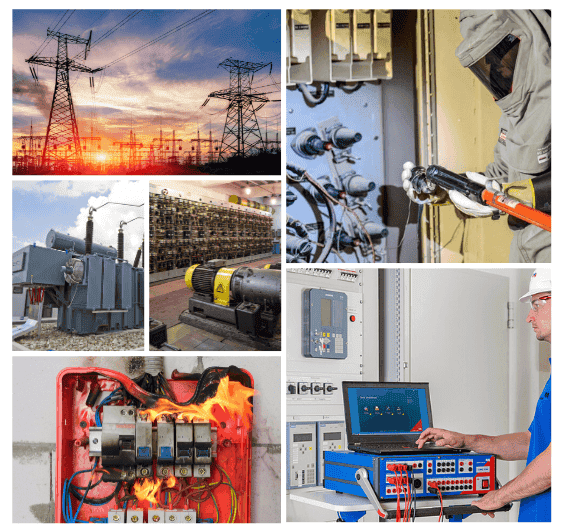
Electrical power systems need regular care to run safely and smoothly. Different experts handle this care, each with special skills. They keep the power flowing and fix problems fast. Knowing who maintains these systems helps understand their roles and importance.
Licensed Electricians
Licensed electricians handle daily maintenance and repairs. They work on wiring, outlets, and circuit breakers. These professionals follow safety rules closely. They ensure electrical parts are safe and reliable. Their work prevents hazards like shocks and fires.
Electrical Engineers
Electrical engineers design and oversee power systems. They analyze system performance and plan upgrades. These experts solve complex electrical issues. They focus on improving efficiency and reliability. Engineers also test new equipment before use.
Specialized Technicians
Specialized technicians maintain specific power system parts. Examples include transformers, generators, and control panels. They have deep knowledge of their equipment. Technicians perform detailed inspections and repairs. Their work extends system life and avoids failures.
Roles Of Utility Companies
Utility companies play a vital role in maintaining electrical power systems. They ensure electricity flows safely and reliably to homes and businesses. Their work covers many tasks that keep the power grid stable and secure. Understanding these roles helps appreciate the effort behind every electric connection.
Grid Maintenance
Utility companies regularly inspect power lines and equipment. They check transformers, poles, and wires for wear or damage. Routine cleaning removes debris that might cause outages. These steps prevent failures and keep the grid running smoothly. Skilled workers perform these tasks to reduce risks of power loss.
Emergency Repairs
Power outages can happen anytime due to storms or accidents. Utility companies respond quickly to fix broken lines and restore power. Crews work day and night to handle emergencies. Their fast action limits downtime and improves safety. Emergency repairs are critical to bringing back electricity fast.
System Upgrades
Technology changes demand updates to electrical systems. Utility companies install new equipment and improve infrastructure. Upgrades increase efficiency and meet growing energy needs. They also add smart technology for better grid management. These improvements help provide cleaner and more reliable power.

Credit: www.ishn.com
Importance Of Preventive Maintenance
Preventive maintenance plays a crucial role in keeping electrical power systems reliable and safe. It helps you avoid unexpected breakdowns that can cause costly downtime and safety hazards. Investing time and effort into regular upkeep ensures your system runs smoothly and extends its lifespan.
Routine Inspections
Routine inspections catch small issues before they become big problems. By visually checking connections, switches, and wiring, you can spot signs of wear or damage early. Imagine finding a loose wire during an inspection rather than facing a sudden power outage—this simple step can save you headaches and money.
Testing And Diagnostics
Testing helps verify that every part of your electrical system works correctly. Diagnostic tools measure voltage, current, and resistance to uncover hidden faults. Have you ever thought about how a failing circuit breaker might silently risk your equipment? Regular testing prevents surprises by identifying weaknesses you can’t see.
Scheduled Replacements
Some components wear out even if they seem fine on the surface. Scheduled replacements ensure parts like batteries, fuses, and filters get swapped before failure. This proactive approach protects your system from unexpected breakdowns and keeps it operating at peak efficiency.
Outsourcing Vs In-house Maintenance
Deciding between outsourcing and maintaining an in-house team for your electrical power systems is more than just a budget choice. It affects reliability, response time, and even safety. Understanding the strengths and limitations of each approach can help you make a decision that fits your business needs and goals.
Benefits Of Outsourcing
Outsourcing maintenance brings specialized skills right to your doorstep without the burden of training or retaining staff. Contractors often have access to the latest tools and technologies, making their service highly efficient.
They can quickly scale resources during peak times, which is hard to match with a fixed in-house team. Plus, outsourcing shifts the responsibility for compliance and certifications to the service provider, reducing your administrative load.
In-house Team Advantages
Having an in-house team means your technicians know your systems inside out and can respond immediately to issues. This familiarity often leads to faster diagnosis and repair, minimizing downtime.
You control the scheduling and priorities, allowing you to tailor maintenance around your operational needs. An internal team also develops a deeper understanding of your company’s safety culture, improving overall risk management.
Cost Considerations
| Aspect | Outsourcing | In-House |
|---|---|---|
| Upfront Investment | Low – pay per service | High – hiring and training costs |
| Ongoing Expenses | Variable – depends on service frequency | Fixed – salaries and benefits |
| Equipment Costs | Covered by provider | Your responsibility |
| Risk of Downtime | Potential delays in response | Immediate response possible |
Are you prepared to weigh these costs against the peace of mind that either option can bring? Sometimes, a hybrid approach works best, blending quick response with expert knowledge. What’s your priority when it comes to maintaining your power systems?
Safety Standards And Regulations
Maintaining electrical power systems is not just about fixing wires or replacing parts; it’s about ensuring every action meets strict safety standards and regulations. These rules protect workers, equipment, and your entire facility from hazards. Understanding these safety frameworks can help you manage risks effectively and keep your power systems reliable.
National Electrical Codes
The National Electrical Code (NEC) sets the foundation for safe electrical design, installation, and inspection. It’s updated regularly to address new technologies and emerging safety concerns. If you’re involved in electrical maintenance, knowing the NEC requirements helps you avoid costly mistakes and dangerous situations.
For example, the NEC specifies how grounding and bonding should be done to prevent electric shocks. Ignoring these codes can lead to serious injuries or even fatalities. Are you confident that your current maintenance procedures follow the latest NEC standards?
Workplace Safety Protocols
Workplace safety protocols protect electricians and technicians during maintenance work. These protocols include using personal protective equipment (PPE), lockout/tagout procedures, and clear communication guidelines. Every maintenance team must be trained to follow these rules strictly to avoid accidents.
Imagine a technician working on a live circuit without proper PPE or lockout procedures—this can lead to electrocution or severe burns. Have you checked if your team’s safety training is up to date and aligned with recognized protocols?
Compliance Requirements
Compliance with local, state, and federal regulations is mandatory for maintaining electrical power systems safely. These requirements often include regular inspections, documentation, and certifications. Staying compliant not only prevents legal penalties but also ensures your systems operate safely and efficiently.
Consider how failing to comply with regulations can disrupt your operations or increase insurance costs. What steps are you taking to track and meet all compliance deadlines for your electrical maintenance?
Emerging Technologies In Maintenance
Emerging technologies are reshaping how maintenance is done on electrical power systems. These innovations help you spot issues early, reduce downtime, and improve safety. Staying updated with these tools can save you time and money while keeping your power systems running smoothly.
Remote Monitoring Systems
Remote monitoring systems let you track your electrical equipment from anywhere. Sensors collect real-time data like voltage, temperature, and current, sending it straight to your device. This way, you can catch problems before they cause failures, even if you’re miles away.
Imagine noticing a temperature spike in a transformer late at night without being on-site. You can then send a technician immediately, avoiding costly outages. These systems also help in scheduling maintenance based on actual equipment condition, not just fixed dates.
Predictive Maintenance Tools
Predictive maintenance tools use data analysis to forecast when equipment might fail. Instead of routine checks, these tools tell you exactly when to act. This approach reduces unnecessary inspections and focuses resources where they’re needed most.
For example, vibration sensors on motors can detect slight changes that signal wear and tear. Acting on this data prevents sudden breakdowns. Have you ever missed a sign that led to an unexpected power outage? Predictive tools help you avoid that scenario.
Automation And Ai
Automation and AI are becoming essential in managing electrical power systems. AI algorithms analyze large amounts of data quickly, identifying patterns humans might miss. Automated systems can also perform routine tasks like switching circuits or balancing loads without manual input.
Using AI, you can predict faults, optimize energy use, and improve overall system reliability. Do you trust your current maintenance process to catch every issue? Automation and AI bring precision and speed to your maintenance efforts.

Credit: www.youtube.com
Choosing The Right Maintenance Provider
Choosing the right maintenance provider for electrical power systems is vital. The right team ensures safety, efficiency, and longevity. Poor maintenance can lead to costly repairs and downtime. Selecting a skilled and reliable provider protects your investment and keeps power flowing smoothly.
Evaluating Experience
Experience matters greatly in electrical power system maintenance. Providers with years of hands-on work understand common issues and solutions. They can spot problems early and prevent failures. Ask about their history with similar systems and projects. A seasoned provider handles complex tasks confidently and safely.
Certifications And Licenses
Certifications and licenses prove a provider’s qualifications and legal compliance. Look for industry-standard credentials such as OSHA, IEC, or local electrical licenses. Certified technicians follow strict safety and quality standards. These credentials reduce risks and ensure high-quality service on your power system.
Customer Reviews And References
Customer feedback reveals real experiences with the provider. Positive reviews indicate trust and satisfaction. Contact references to ask about reliability, timeliness, and problem-solving skills. Honest opinions help you judge the provider’s professionalism and work quality. Choose a provider with a strong track record of happy clients.
Frequently Asked Questions
Who Is Responsible For Electrical Power System Maintenance?
Licensed electrical contractors and utility companies typically handle power system maintenance. They ensure safety, reliability, and compliance with standards.
What Services Do Electrical Maintenance Providers Offer?
They perform inspections, repairs, testing, and upgrades to power equipment. Their work prevents outages and extends system lifespan.
How Often Should Electrical Power Systems Be Maintained?
Maintenance frequency depends on system type and usage. Generally, inspections occur annually, with more frequent checks for critical infrastructure.
Can Homeowners Maintain Their Electrical Power Systems?
Basic tasks like checking circuit breakers are safe for homeowners. Complex maintenance should always be done by certified professionals.
Conclusion
Qualified technicians and engineers handle electrical power system maintenance. Regular checks keep power systems safe and reliable. Utility companies often provide this service for public grids. Private firms manage maintenance for commercial and industrial setups. Skilled professionals use specialized tools to detect and fix issues.
Proper upkeep prevents outages and costly repairs later. Trusting experts ensures continuous power and system efficiency. Maintenance is vital for long-lasting and secure electrical networks. Always rely on trained teams to protect your power supply.