

Have you ever wondered why so many people are choosing to wear technology every day? From smartwatches to fitness trackers, wearable devices are becoming a part of your life—and the lives of millions around the world.
But what makes these gadgets so appealing? What’s really behind the decision to buy and use wearable technology? If you’re curious about how these small devices can make a big difference in your health, convenience, and even style, keep reading.
You might discover reasons that surprise you—and find out why wearable tech could be exactly what you’ve been missing.
Credit: www.fortunebusinessinsights.com
Health Tracking
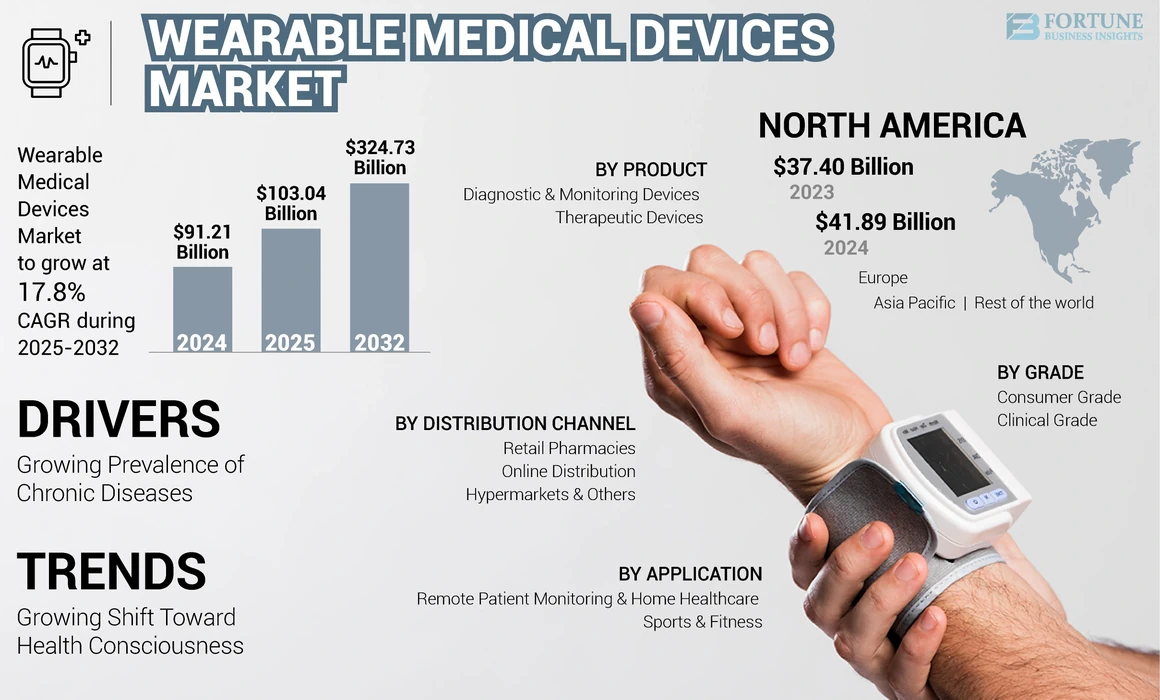
Health tracking is one of the main reasons people invest in wearable technology. These devices offer real-time insights into your body’s functions, helping you make smarter decisions about your well-being. Understanding how your body responds throughout the day can change the way you approach your health.
Monitoring Vital Signs
Wearables track key vital signs like heart rate, blood pressure, and oxygen levels continuously. This constant monitoring can alert you to unusual patterns before they become serious problems. Imagine catching irregular heartbeats early or noticing stress spikes through your wristwatch—it’s like having a mini health clinic on you at all times.
Some devices even share data with your doctor, making check-ups more precise. How often do you wish you had a clearer picture of your health between medical visits?
Fitness And Activity Goals
Wearable technology helps you set and reach fitness goals with easy-to-read stats on steps taken, calories burned, and active minutes. Seeing your progress motivates you to push a little harder or rest when needed. For example, tracking your daily steps can turn a lazy afternoon into a chance to beat your personal best.
Many users find that reminders to move and celebrate milestones keep them committed. What small change could you make today if you had a friendly nudge every hour?
Sleep Analysis
Good sleep is essential, but many people don’t realize how much their sleep quality affects daily energy and health. Wearables measure sleep stages, duration, and interruptions, giving you a clear picture of your nightly rest. Knowing if you spend enough time in deep sleep helps you adjust habits for better recovery.
Tracking your sleep patterns over time can reveal habits you didn’t notice, like late-night screen time or irregular bedtimes. Have you ever wondered why you feel tired even after a full night’s sleep?
Credit: market.us
Convenience And Connectivity
Wearable technology offers unmatched convenience and keeps users connected at all times. These devices simplify daily tasks, making life easier and more efficient.
They provide quick access to important information without needing to reach for a phone. This constant connectivity helps users stay updated and in control throughout the day.
Hands-free Communication
Wearables allow users to talk and listen without using their hands. Voice commands and built-in microphones make calls easy during busy moments.
This feature helps during driving, exercising, or multitasking. Staying connected without stopping activities is a major benefit.
Notifications On The Go
Users receive alerts for messages, calls, and apps instantly on their wrist or glasses. No need to pull out a phone to check updates.
Quick notifications help users respond faster and stay informed. It saves time and reduces distractions in daily routines.
Seamless Integration With Devices
Wearables connect smoothly with smartphones, tablets, and computers. This integration ensures all devices work together without hassle.
Users can sync data, control music, and manage apps from one device. It creates a unified and simple user experience.
Enhanced Safety
Wearable technology offers more than just convenience. It plays a key role in enhancing personal safety. These devices provide features that can protect users in daily life and emergencies. Many people choose wearables because they add a layer of security and peace of mind.
Emergency Alerts
Wearables can send instant alerts during emergencies. Users can notify family or emergency services with a simple button press. This quick action helps get help faster. It is especially useful for people who live alone or have health issues.
Location Tracking
Many wearable devices include GPS tracking. This feature helps locate the user in real time. Family members or caregivers can monitor their location for added safety. It is valuable for children, elderly, or outdoor enthusiasts.
Fall Detection
Fall detection sensors identify sudden falls or accidents. The device can automatically alert emergency contacts. This feature is vital for seniors or people with mobility problems. Immediate response can prevent serious injuries or complications.
Personalization And Style
Personalization and style play a huge role in why people choose wearable technology. These devices are not just gadgets; they become a part of your daily look and identity. You want something that fits your taste and lifestyle, making the technology feel like it was made just for you.
Customizable Designs
Many wearables offer customizable options, letting you pick colors, straps, and watch faces. This means you can switch up your look depending on your mood or outfit. Imagine owning a smartwatch that looks sleek at work but sporty at the gym—this flexibility makes wearing tech more enjoyable.
Fashion Meets Function
Wearable tech now blends style with utility. You don’t have to sacrifice your fashion sense to stay connected or track health. Devices come in sleek shapes and trendy finishes, so you can wear something that complements your wardrobe while serving practical purposes.
Expressing Individuality
Your wearable tech can say a lot about who you are. Whether it’s a bold color choice or a unique accessory, these devices let you stand out. Have you ever noticed how a personalized gadget sparks conversations or shows your personality without you saying a word?
Performance Improvement
Performance improvement is a key reason why many people invest in wearable technology. These devices provide valuable data and insights that help you enhance your physical abilities and track progress over time. With wearable tech, you can move beyond guesswork and base your training on real, measurable information.
Athlete Training Support
Wearable devices act like a personal coach on your wrist. They monitor your heart rate, pace, and even muscle fatigue during workouts. This information helps you adjust your training intensity to avoid injury and maximize gains.
Imagine knowing exactly when to push harder or when to rest. That’s the kind of support wearables provide, making your training smarter, not just harder.
Real-time Feedback
Instant feedback keeps you aware of your performance as it happens. Whether you’re running, cycling, or lifting weights, wearables alert you to changes in your form or effort.
This immediate insight allows you to correct mistakes before they become habits. It’s like having a coach who’s always with you, offering tips and encouragement right when you need them.
Goal Setting And Motivation
Setting clear, measurable goals is easier with wearable technology. These devices track your progress and celebrate milestones, keeping you motivated.
When you see your steps add up or your heart rate improve, it pushes you to keep going. How often have you felt stuck in your fitness routine? Wearables can break that cycle by turning small wins into big motivation.
Credit: www.fortunebusinessinsights.com
Technological Innovation
Technological innovation drives the popularity of wearable technology. These devices keep evolving with smarter and more useful tools. People are drawn to wearables because they offer new ways to track health, stay connected, and simplify daily tasks.
The constant updates and breakthroughs make wearable tech exciting. Users enjoy better performance and fresh features that fit their needs. Innovation also opens doors for future uses that seem impossible today.
Latest Features And Updates
Wearable devices now include features like heart rate monitoring, GPS tracking, and sleep analysis. Software updates bring new apps and improve existing ones. Users benefit from enhanced battery life and faster processing speeds. Constant updates keep devices relevant and useful over time.
Advancements In Sensors
Sensors in wearables have become more accurate and sensitive. They measure vital signs such as blood oxygen levels and stress indicators. Motion sensors track steps, exercise, and posture with precision. These improvements help users monitor health and fitness better than before.
Future Possibilities
Technology is expanding the potential of wearables beyond current uses. Integration with smart homes and virtual reality is growing. Advanced AI could personalize health advice and daily reminders. New materials might make devices lighter and more comfortable. The future holds many exciting developments for wearable tech.
Frequently Asked Questions
Why Do People Buy Wearable Technology Devices?
People buy wearable technology for health tracking, convenience, and connectivity. These devices monitor fitness, heart rate, and sleep. They also allow hands-free calls and notifications. Wearables enhance lifestyle by providing real-time data and improving productivity.
How Does Wearable Technology Improve Health Monitoring?
Wearables track vital signs like heart rate and activity levels continuously. They help detect health issues early and encourage active lifestyles. This technology supports personalized fitness goals and better medical management. It promotes overall wellness through constant feedback.
What Are The Main Benefits Of Wearable Tech?
Wearable tech offers real-time data, convenience, and better communication. It improves fitness, sleep quality, and stress management. These devices provide alerts and reminders for a healthier lifestyle. They also enhance productivity by syncing with smartphones.
Are Wearable Devices Useful For Fitness Tracking?
Yes, wearables accurately track steps, calories, and workouts. They provide insights to improve exercise routines and motivation. Fitness tracking helps users set and achieve health goals. Wearables make fitness monitoring easy and accessible anytime.
Conclusion
Wearable technology helps people stay connected and healthy. It tracks fitness, monitors health, and saves time daily. Many buy it for convenience and better life habits. The tech keeps users aware of their bodies and activities. It fits easily into busy lifestyles and offers real benefits.
Choosing wearable devices shows a desire for simple, smart solutions. People want tools that support their goals and well-being. Wearables are more than gadgets; they become part of life.


