
Are you curious about what makes your car’s engine purr smoothly or sputter unpredictably? The answer lies in the intricate web of electronic components under the hood.
These tiny, often overlooked parts play a crucial role in determining how your engine performs. Imagine having the power to understand and even enhance the efficiency of your vehicle by knowing what goes on inside. By learning about these components, you can make informed decisions, potentially saving money on repairs and improving your car’s performance.
Get ready to uncover the secrets behind your engine’s behavior and take control of your driving experience. Keep reading to discover which electronic components are the unsung heroes of your vehicle’s engine.
Credit: resources.altium.com
Engine Control Unit (ecu)
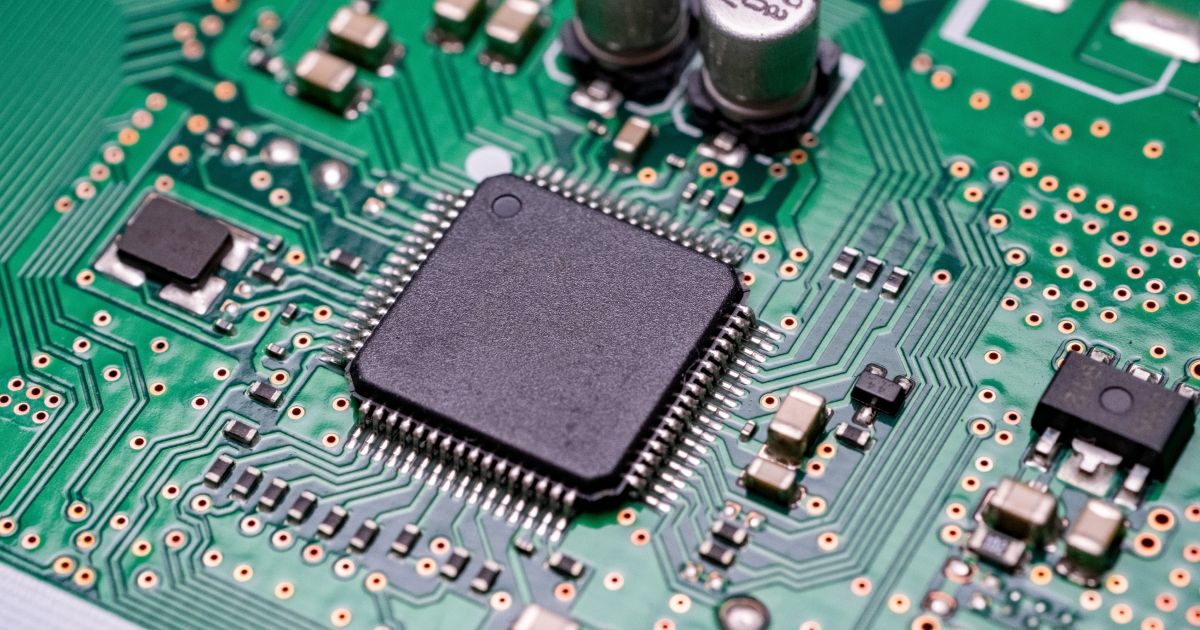
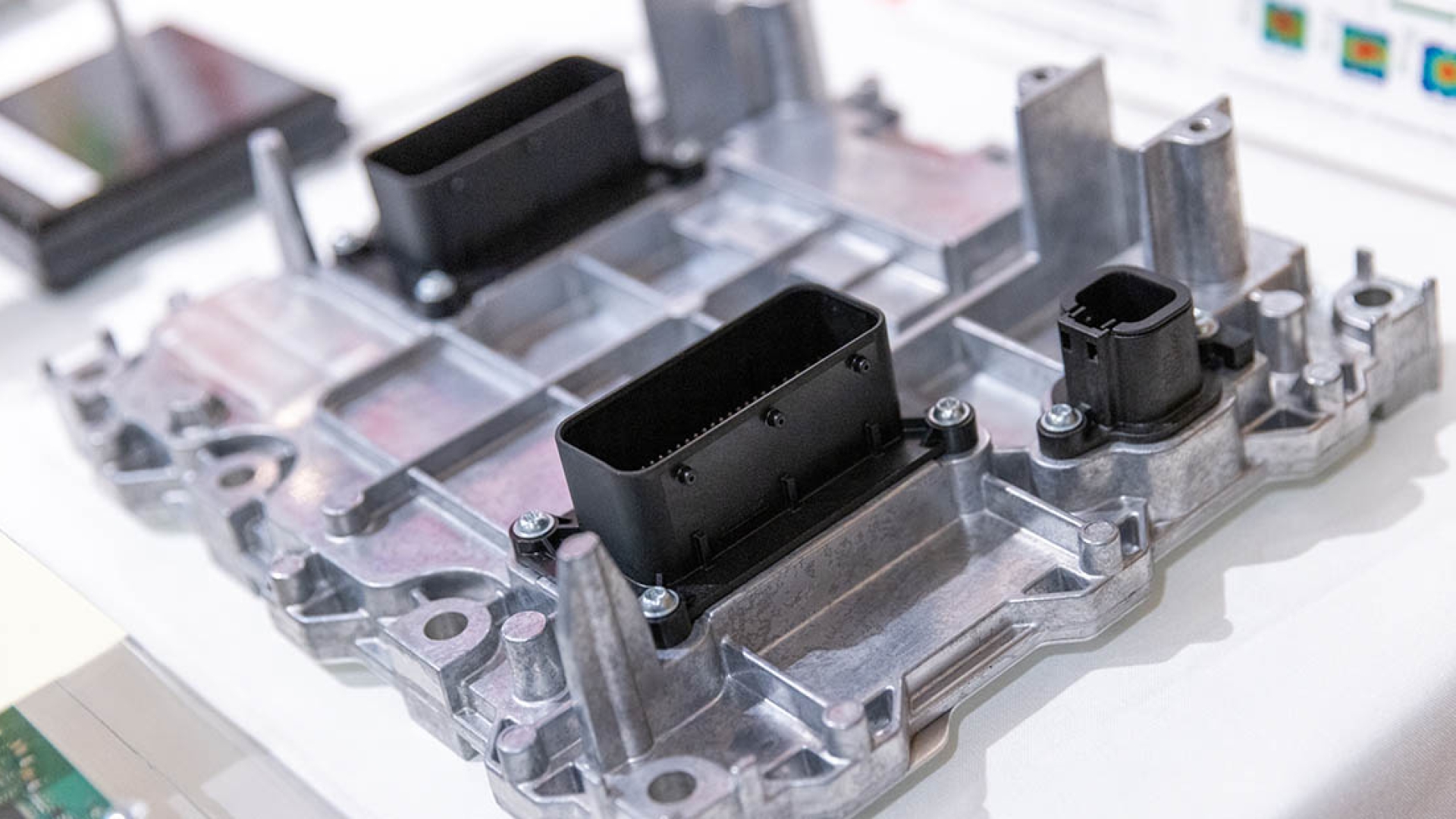
The Engine Control Unit (ECU) is often called the brain of your vehicle’s engine. It manages crucial electronic functions that directly influence how your engine runs. Without the ECU, your engine would lack the precision it needs to perform efficiently and respond to changing conditions.
Role In Engine Performance
The ECU controls fuel injection, ignition timing, and air-fuel mixture to optimize engine performance. It constantly adjusts these settings to improve power output and fuel efficiency.
Think about when you accelerate hard or drive uphill—the ECU quickly reacts to these demands by tweaking engine parameters. This ability keeps your engine running smoothly and helps prevent damage over time.
Interaction With Sensors
The ECU relies heavily on data from various sensors placed throughout the engine. These sensors monitor things like oxygen levels, engine temperature, throttle position, and air intake.
Using this data, the ECU makes real-time decisions to adjust engine functions. For example, if the oxygen sensor detects a rich fuel mixture, the ECU will reduce fuel injection to balance it out.
Do you ever wonder how your car knows exactly when to shift gears or adjust idle speed? It’s all thanks to the seamless communication between the ECU and these sensors.
Fuel Injectors
Fuel injectors play a crucial role in how your engine performs. These small but powerful components spray fuel directly into the engine’s combustion chamber or intake manifold. Their job might seem simple, but even slight changes in their operation can significantly influence your engine’s behavior.
Impact On Fuel Delivery
Your engine relies on fuel injectors to deliver the right amount of fuel at the right time. If the injectors spray too much or too little fuel, your engine will struggle to run smoothly. This can lead to rough idling, poor acceleration, or even engine stalling.
Think about a time when your car hesitated during acceleration. Often, this is caused by clogged or faulty fuel injectors. Cleaning or replacing them can restore proper fuel flow and improve overall engine response.
Effects On Combustion Efficiency
Fuel injectors affect how well the fuel mixes with air inside the engine. A precise spray pattern ensures better combustion, which means more power and less pollution. Poor injector performance can cause incomplete combustion, leading to wasted fuel and higher emissions.
Have you noticed increased fuel consumption without obvious reasons? Faulty injectors might be the culprit, causing inefficient fuel burn. Maintaining your injectors helps your engine run cleaner and saves you money on fuel.
Oxygen Sensors
Oxygen sensors play a key role in how an engine performs. They monitor the oxygen levels in the exhaust gases. This data helps the engine control system adjust the air and fuel mix. Proper oxygen sensor function ensures the engine runs smoothly and efficiently. Faulty sensors can cause poor fuel economy and higher emissions.
Measuring Air-fuel Ratio
Oxygen sensors measure the air-fuel ratio in the engine’s exhaust. This ratio is crucial for combustion efficiency. The sensor sends signals to the engine control unit (ECU). The ECU uses this data to balance the amount of air and fuel. A correct mix improves power and reduces fuel waste. Sensors detect if the engine runs too rich or too lean. This helps maintain optimal engine performance.
Influence On Emission Control
Oxygen sensors affect how well the engine controls emissions. They help reduce harmful gases like carbon monoxide and nitrogen oxides. The sensor data helps adjust fuel injection and ignition timing. This keeps emissions within legal limits. Proper sensor function supports the catalytic converter’s work. Faulty sensors can cause higher pollution and may trigger warning lights.
Mass Air Flow Sensor
The Mass Air Flow (MAF) sensor plays a vital role in your engine’s performance. It measures the amount of air entering the engine. This data helps the engine control unit (ECU) adjust fuel delivery. Proper air-fuel mixture is essential for smooth running and fuel efficiency. Without accurate readings from the MAF sensor, the engine may run too rich or too lean.
Monitoring Air Intake
The MAF sensor sits between the air filter and the intake manifold. It continuously monitors the volume and density of incoming air. This information allows the ECU to calculate the correct fuel amount. The sensor uses a thin wire or film heated by an electric current. As air flows past, it cools the wire, changing its electrical resistance. The sensor translates this change into an airflow value for the ECU.
Consequences Of Malfunction
A faulty MAF sensor can cause various engine problems. The engine may stall, hesitate, or have rough idling. Fuel consumption often increases due to incorrect air-fuel ratio. The check engine light may come on. Emissions can rise, causing the vehicle to fail pollution tests. In some cases, the engine may not start at all. Timely diagnosis and replacement of the MAF sensor keep the engine running well.
Ignition System Components
The ignition system plays a vital role in how an engine runs. It creates the spark needed to ignite the fuel-air mixture inside the engine cylinders. This process powers the engine and keeps the vehicle moving smoothly. Several key components work together in the ignition system to ensure proper engine function.
Spark Plugs And Coils
Spark plugs produce the spark that ignites the fuel-air mixture. Their condition directly affects engine performance and fuel efficiency. Worn or dirty spark plugs cause misfires and rough idling.
Ignition coils convert the battery’s low voltage into the high voltage needed by the spark plugs. Strong coils deliver consistent sparks and improve engine power. Weak coils can lead to starting problems and poor acceleration.
Timing And Engine Response
Ignition timing controls when the spark plug fires during the combustion cycle. Proper timing ensures maximum power and fuel efficiency.
Advanced timing can increase engine response and performance. Late timing may cause engine knocking and reduce power. Modern engines use electronic control units to adjust timing dynamically for best results.
Credit: www.cummins.com
Throttle Position Sensor
The Throttle Position Sensor (TPS) plays a crucial role in how your engine performs. It monitors the position of the throttle valve and sends this information to the engine control unit (ECU). This data helps the ECU adjust fuel injection and ignition timing, directly influencing engine power and response.
Controlling Engine Power
The TPS acts as your engine’s eyes on the throttle. It tells the ECU exactly how much air is entering the engine, which helps regulate the fuel supply. Without accurate input from the TPS, your engine might run too rich or too lean, causing poor performance or even stalling.
Think about the last time you felt your car hesitate when you pressed the gas pedal. A faulty TPS could be the culprit. It might send incorrect signals, confusing the ECU and resulting in inconsistent engine power.
Effects On Acceleration
The TPS directly impacts how smoothly your vehicle accelerates. When you press the accelerator, the sensor detects the throttle opening and signals the engine to increase power. If this sensor is malfunctioning, you might experience delayed acceleration or a jerky response.
Have you ever experienced a lag between pushing the pedal and the car moving forward? This lag often points to TPS issues. Keeping this sensor in good shape ensures your acceleration feels natural and responsive every time you drive.
Coolant Temperature Sensor
The coolant temperature sensor plays a crucial role in how your engine performs. It measures the temperature of the engine’s coolant, providing real-time data to the engine control unit (ECU). This information helps the ECU make decisions that affect engine efficiency and longevity.
Regulating Engine Temperature
The coolant temperature sensor helps keep the engine running at the right temperature. If the engine gets too hot, the sensor alerts the ECU to activate cooling fans or reduce engine power. On the other hand, if the engine is too cold, it signals the ECU to adjust settings for a quicker warm-up.
Have you ever noticed your car’s cooling fans kicking in right after starting a trip? That’s the sensor doing its job to protect your engine. Without it, your engine could overheat or run inefficiently, leading to costly repairs.
Impact On Fuel Mixture
The sensor’s readings directly influence the fuel mixture your engine uses. When the engine is cold, the ECU enriches the fuel mixture to help the engine start and run smoothly. As the engine warms up, the sensor signals the ECU to lean out the fuel mixture for better fuel economy and lower emissions.
Imagine driving on a chilly morning without this sensor; your engine would struggle to run properly. A faulty coolant temperature sensor can cause rough idling, poor fuel economy, or even increased emissions. Keeping this sensor in good shape ensures your engine runs efficiently no matter the weather.

Credit: www.pacelinepilottraining.com
Crankshaft And Camshaft Position Sensors
The crankshaft and camshaft position sensors play a crucial role in how your engine runs. These sensors monitor the exact position and speed of the crankshaft and camshaft. Without their accurate signals, your engine control unit (ECU) cannot manage timing correctly, leading to poor engine performance or even failure to start.
Synchronizing Engine Timing
These sensors send real-time data to the ECU to synchronize the engine’s timing. The crankshaft sensor tracks the crankshaft’s rotation, while the camshaft sensor monitors the camshaft’s position.
This synchronization ensures fuel injection and ignition happen at the right moment. If the timing is off, you might experience rough idling, reduced power, or increased fuel consumption.
Have you ever noticed your car hesitating or stalling unexpectedly? Faulty position sensors are often the hidden cause behind these issues.
Role In Smooth Operation
Beyond timing, these sensors help your engine run smoothly by providing consistent feedback to the ECU. The ECU adjusts various parameters like spark timing and fuel delivery based on sensor input.
If either sensor malfunctions, the engine might misfire or run unevenly. This can also trigger the check engine light, indicating a need for inspection.
Maintaining these sensors can prevent costly repairs and keep your engine responsive. Have you checked your sensors recently during routine maintenance?
Electronic Control Relays And Actuators
Electronic control relays and actuators play a vital role in how an engine operates. These components manage electrical signals and mechanical movements within the engine system. They ensure the engine runs smoothly and responds accurately to driver commands and sensor data. Their precise control affects fuel efficiency, power output, and emissions.
Controlling Auxiliary Functions
Relays control many auxiliary parts such as fuel pumps, cooling fans, and ignition systems. They act as switches that turn these devices on or off at the right moments. This control helps prevent engine overheating and ensures proper fuel delivery. Actuators adjust valves and throttle positions to match engine needs. Together, relays and actuators keep all extra functions working properly.
Maintaining Engine Stability
Actuators adjust engine components to maintain stability during operation. They control airflow, fuel injection, and ignition timing with precision. Relays send signals to activate these actuators based on sensor feedback. This coordination helps keep engine speed steady under different conditions. It reduces vibrations and prevents stalling or rough idling.
Frequently Asked Questions
What Electronic Parts Control Engine Performance?
Key components like sensors, ignition coils, and the ECU regulate engine performance. They manage fuel injection, spark timing, and air intake to optimize efficiency and power.
How Does The Engine Control Unit Affect Running?
The Engine Control Unit (ECU) processes data from sensors to adjust fuel and air mix. It ensures smooth operation, better fuel economy, and reduced emissions.
Why Are Oxygen Sensors Important For Engines?
Oxygen sensors monitor exhaust gases and help the ECU adjust fuel delivery. This improves combustion efficiency and lowers harmful emissions, enhancing engine performance.
What Role Do Ignition Coils Play In Engine Function?
Ignition coils transform battery voltage into spark energy. They ignite the air-fuel mixture in cylinders, crucial for starting and maintaining engine operation.
Conclusion
Electronic components play a big role in engine performance. Sensors, fuel injectors, and ignition systems work together closely. They help the engine run smoothly and efficiently. Faulty parts can cause poor fuel economy and power loss. Regular checks keep the engine healthy and reliable.
Understanding these parts helps you care for your vehicle better. Small issues can become big problems if ignored. Keep your engine parts clean and in good shape. This ensures your car runs well for a long time.


