What is Considered Consumer Electronics: Ultimate Guide Explained
Have you ever wondered what truly defines consumer electronics? You might be surprised at how much these devices shape your daily life.
From the smartphone buzzing in your pocket to the smart TV in your living room, consumer electronics are everywhere, silently making your life easier and more connected. But what exactly falls under this category? And why should you care? Understanding the full scope of consumer electronics can open up a world of possibilities, helping you make smarter choices when shopping for new gadgets.
Stay with us, and you’ll discover how these modern marvels are more than just tools—they’re gateways to a more convenient and enjoyable lifestyle.
Credit: www.idtechex.com
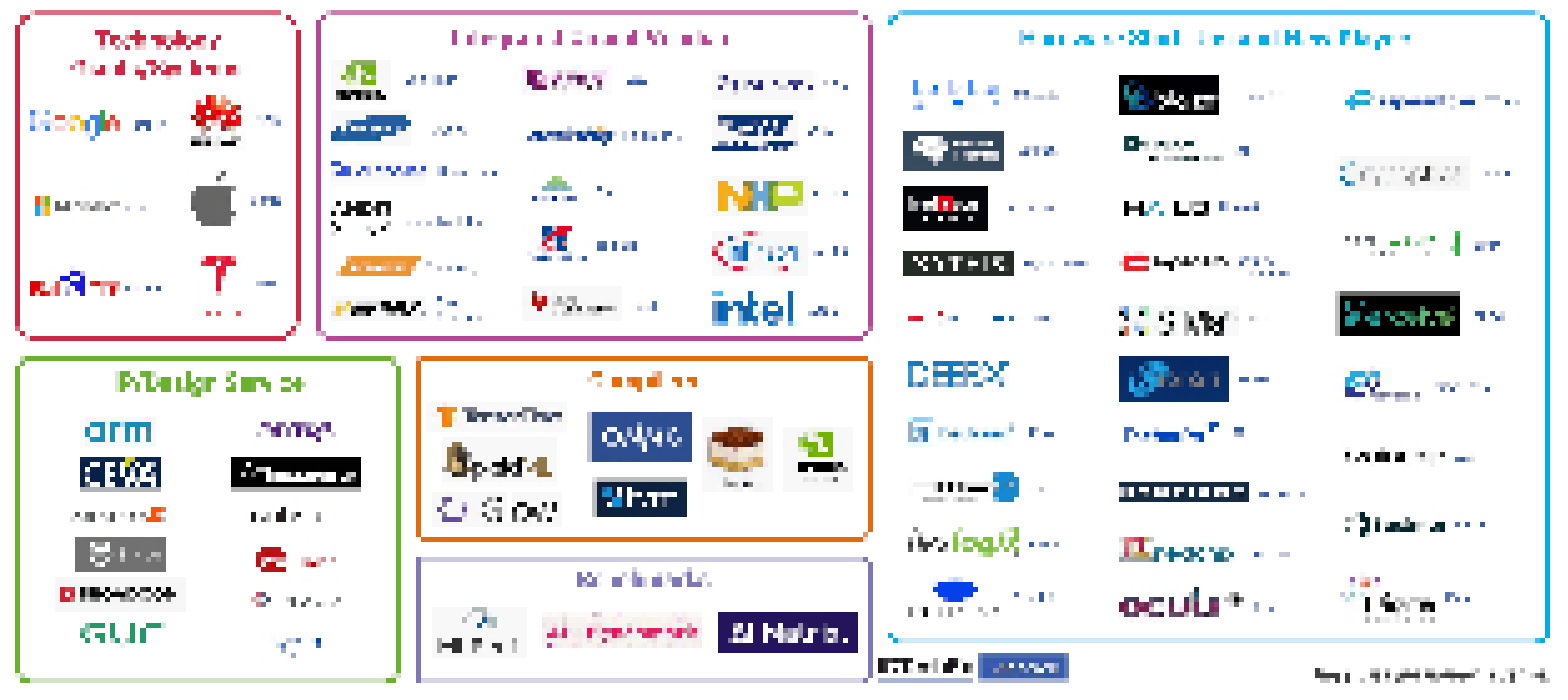
Consumer Electronics Basics
Consumer electronics include devices designed for everyday use by individuals. These gadgets help with communication, entertainment, and managing daily tasks. Understanding the basics of consumer electronics helps to identify what devices fit in this category and how they impact daily life.
Types Of Consumer Electronics
- Smartphones and tablets
- Laptops and desktop computers
- Televisions and streaming devices
- Audio equipment like headphones and speakers
- Wearable devices such as smartwatches and fitness trackers
- Home appliances like microwaves and smart refrigerators
- Gaming consoles and handheld gaming devices
Common Features
- Portability for easy use on the go
- Wireless connectivity such as Wi-Fi and Bluetooth
- User-friendly interfaces with touchscreens or buttons
- Rechargeable batteries for cordless operation
- Compatibility with apps and software updates
- Integration with other smart devices and cloud services
Usage In Daily Life
Consumer electronics simplify communication through calls and messages. They provide entertainment via videos, music, and games. Many devices help with work by enabling internet access and document editing. Smart home electronics improve comfort and security. Fitness trackers monitor health and encourage activity. These devices are essential tools in modern living.
Popular Categories
Consumer electronics cover a wide range of products designed to entertain, connect, and simplify your daily life. Understanding popular categories helps you spot what fits your needs best and where technology can make the biggest difference. Let’s break down some common types you likely interact with every day.
Audio And Video Devices
These gadgets bring sound and visuals into your home, office, or on the go. Think about your last movie night or workout session—what devices made that experience better? Popular items include:
- Televisions with smart features
- Bluetooth speakers and headphones
- Home theater systems and soundbars
- Streaming devices like Roku or Amazon Fire Stick
Have you noticed how audio quality changes your mood? Choosing the right device can turn simple listening into an immersive experience.
Computing Gadgets
Computers and their accessories form the backbone of work, study, and entertainment. Whether you’re typing up reports or gaming, these devices support your productivity and fun. Common examples include:
- Laptops and desktop computers
- Monitors and keyboards
- External hard drives and USB gadgets
- Printers and scanners
Ask yourself: does your current setup help you stay efficient, or does it slow you down? Upgrading your computing gadgets can make a huge difference in your daily routine.
Mobile And Wearable Tech
Your phone is probably the most used device in this group, but there’s more to mobile tech than just smartphones. Wearables add convenience and health tracking right on your wrist. Key items in this category are:
- Smartphones and tablets
- Smartwatches and fitness trackers
- Wireless earbuds
- Portable chargers and accessories
Consider how your wearable tech impacts your habits. Does it motivate you to move more or keep you connected without distractions?
Home Electronics
Home electronics cover a wide range of devices designed to make your living space more convenient, enjoyable, and efficient. These gadgets blend technology with everyday needs, helping you manage tasks and entertain yourself with ease. Understanding what falls under home electronics can help you make smarter choices for your household.
Smart Home Devices
Smart home devices are changing how you control your environment. From voice-activated assistants like Amazon Alexa to smart thermostats that learn your schedule, these gadgets bring automation to your fingertips.
Imagine adjusting your home’s temperature or lighting without leaving your couch. These devices not only add comfort but also help save energy, which can lower your bills over time.
- Smart speakers and hubs
- Security cameras and smart locks
- Smart lighting systems
Kitchen Appliances
Kitchen electronics have evolved far beyond basic cooking tools. Modern appliances combine technology and design to speed up meal preparation and improve food quality.
Think about a microwave that remembers your favorite settings or a smart fridge that alerts you when groceries run low. These features make cooking less of a chore and more enjoyable.
- Microwaves with sensor cooking
- Smart refrigerators with touchscreens
- Programmable coffee makers
Entertainment Systems
Your entertainment setup is a key part of home electronics. From high-definition TVs to streaming devices, these systems bring movies, music, and games right to your living room.
Have you noticed how much easier it is now to access your favorite shows or playlists? With smart TVs and soundbars, the experience is immersive and user-friendly.
- Smart TVs and 4K displays
- Wireless speakers and soundbars
- Streaming devices like Roku or Apple TV
Credit: www.statista.com
Emerging Trends
The world of consumer electronics is constantly evolving, driven by new technologies and changing user needs. Emerging trends are shaping how you interact with devices daily, making them smarter, more connected, and eco-friendly. Understanding these trends helps you make better choices and stay ahead in the tech game.
Internet Of Things
The Internet of Things (IoT) connects everyday devices to the internet, allowing them to communicate and work together. You might have a smart thermostat that adjusts temperature based on your schedule or a refrigerator that alerts you when groceries run low. This connectivity makes life more convenient and efficient, but it also raises questions about security and privacy.
Ai Integration
Artificial intelligence is becoming a key feature in consumer electronics, powering voice assistants, personalized recommendations, and smart cameras. Your smartphone’s camera can now recognize faces and scenes to improve photo quality automatically. Think about how AI helps you save time and improves device usability—what new AI features would make your daily tech experience better?
Sustainability In Electronics
More brands are focusing on sustainability by using recyclable materials and designing products that last longer. You might notice companies offering trade-in programs or modular devices you can easily repair. Choosing eco-friendly electronics not only reduces waste but also supports innovation in responsible manufacturing.
Buying Tips
Buying consumer electronics can feel overwhelming with so many options available. Knowing what to look for helps you make smarter choices that fit your needs and budget. Let’s break down key tips to guide you through selecting the perfect device.
Choosing The Right Device
Think about what you really need the device for. Ask yourself: Will it be for work, entertainment, or everyday convenience? A gadget that fits your lifestyle saves you money and frustration.
Check the device’s features closely. Sometimes, extra bells and whistles add little value but increase the price. Focus on the core functions that matter most to you.
Reading user reviews can reveal real-world pros and cons you won’t find in product descriptions. What issues do others mention repeatedly? This insight often points to hidden drawbacks.
Price Vs. Quality
Don’t just chase the cheapest option. Low prices can mean poor build quality or outdated technology. But paying more doesn’t always guarantee the best either.
Look for a balance where the price matches the features and durability. Sometimes mid-range devices offer the best value because they combine reliability with reasonable cost.
Consider how long you plan to use the device. Investing a bit more upfront can save replacement costs later. Would you rather buy once and keep it, or replace frequently?
Warranty And Support
Check the warranty terms before buying. A solid warranty can protect you from unexpected failures and repair costs. What’s covered, and for how long?
Good customer support matters. If something goes wrong, you want quick and helpful assistance. Research the manufacturer’s reputation for service—poor support can turn a small problem into a big hassle.
Extended warranties or protection plans might be worth considering for expensive electronics. Think about your peace of mind: Is it worth a little extra cost to avoid potential headaches?
Maintenance And Care
Taking care of your consumer electronics is essential to keep them working smoothly and extend their lifespan. Proper maintenance not only saves you money but also improves your overall experience with the devices you rely on daily. Are you giving enough attention to how you clean, update, and troubleshoot your gadgets?
Cleaning And Storage
Dust and dirt can cause serious damage to your electronics. Use a soft, dry cloth to clean screens and surfaces regularly. Avoid harsh chemicals that might harm delicate parts.
Store your devices in a cool, dry place away from direct sunlight and moisture. Keeping cords untangled and using protective cases can prevent physical damage. Have you noticed how a simple change in storage habits can make a device last longer?
Software Updates
Regular software updates fix bugs and improve security. Ignoring updates might leave your device vulnerable to malware or slow performance. Make it a habit to check for updates once a week.
Many devices offer automatic updates – enabling this feature can save you time and hassle. Think about the last time an update improved your device’s speed or added a useful feature. Isn’t staying updated worth a few minutes?
Troubleshooting Common Issues
Most electronic issues have simple fixes you can try at home. Restarting the device often solves freezing or slow response problems. If a device won’t charge, check the cable and port for damage or debris.
Online forums and manufacturer websites provide step-by-step guides for common problems. Knowing where to look first can save you frustration and a trip to the repair shop. What small troubleshooting step could you try next time your gadget acts up?

Credit: www.statista.com
Frequently Asked Questions
What Devices Are Included In Consumer Electronics?
Consumer electronics include gadgets used daily like smartphones, laptops, TVs, cameras, and audio devices. These products enhance entertainment, communication, and productivity.
How Do Consumer Electronics Differ From Appliances?
Consumer electronics focus on digital functions and entertainment, while appliances handle household tasks like cooking or cleaning. Electronics are more tech-driven and portable.
Why Are Consumer Electronics Important Today?
They connect people, provide entertainment, and improve work efficiency. Consumer electronics drive innovation and shape modern lifestyles globally.
What Trends Are Shaping Consumer Electronics?
Trends include smart technology, IoT integration, wearable devices, and AI enhancements. These improve user experience and device connectivity.
Conclusion
Consumer electronics include many devices we use daily. They help us communicate, entertain, and work. Examples are smartphones, laptops, and TVs. These products keep changing with new technology. Knowing what counts as consumer electronics helps you choose better. It also makes shopping easier and smarter.
Keep an eye on trends to stay updated. Consumer electronics play a big part in modern life. Simple, useful, and common.