How is Electronic Consumer Surveillance Used: Unveiling Powerful Insights
Imagine walking through a store or browsing online, and every move you make is being tracked. Sounds a bit like science fiction, right?
But it’s not. It’s a reality, thanks to electronic consumer surveillance. This technology isn’t just about keeping an eye on you; it’s about understanding you better. Ever wonder how stores seem to know exactly what you want to buy before you even decide?
Or how ads pop up just when you’re thinking about a certain product? This isn’t magic—it’s electronic consumer surveillance at work. You might feel a mix of intrigue and concern. After all, who doesn’t want to know who’s watching and why? This article will pull back the curtain on how businesses use surveillance to tailor experiences just for you. You’ll discover the methods behind this technology, its benefits, and the questions it raises about privacy. Stick around, and you’ll gain insights that could change the way you shop and interact online.
Methods Of Electronic Consumer Surveillance
Electronic consumer surveillance uses a variety of methods to gather data about your behaviors, preferences, and habits. These methods combine technology and data analysis to create detailed consumer profiles. Understanding these techniques helps you see how your online and offline actions are monitored.
Data Collection Techniques
Companies collect data through multiple channels, often without you realizing it. This includes your online searches, social media interactions, and even purchase histories. Retailers sometimes gather information by analyzing in-store camera footage or tracking loyalty card usage.
Have you noticed personalized ads after browsing certain products? That’s a direct result of these data collection methods. They help businesses predict what you might want next, influencing your buying decisions.
Tracking Devices And Software
Tracking devices like GPS on your phone and software installed on your apps monitor your location and activity. Many apps request permissions that allow them to collect more data than you expect.
Think about how apps you use daily may share your activity with advertisers. These tools track your movements, app usage, and even time spent on specific features, creating a detailed activity log. This information helps companies target you more effectively.
Role Of Cookies And Beacons
Cookies are small files stored on your browser that remember your preferences and browsing history. Beacons, or tracking pixels, are tiny, invisible images embedded in websites or emails that report back on your interactions.
Ever wondered how ads follow you from one website to another? Cookies and beacons work together to track your online journey across multiple sites. This enables advertisers to serve you tailored content based on your browsing patterns.
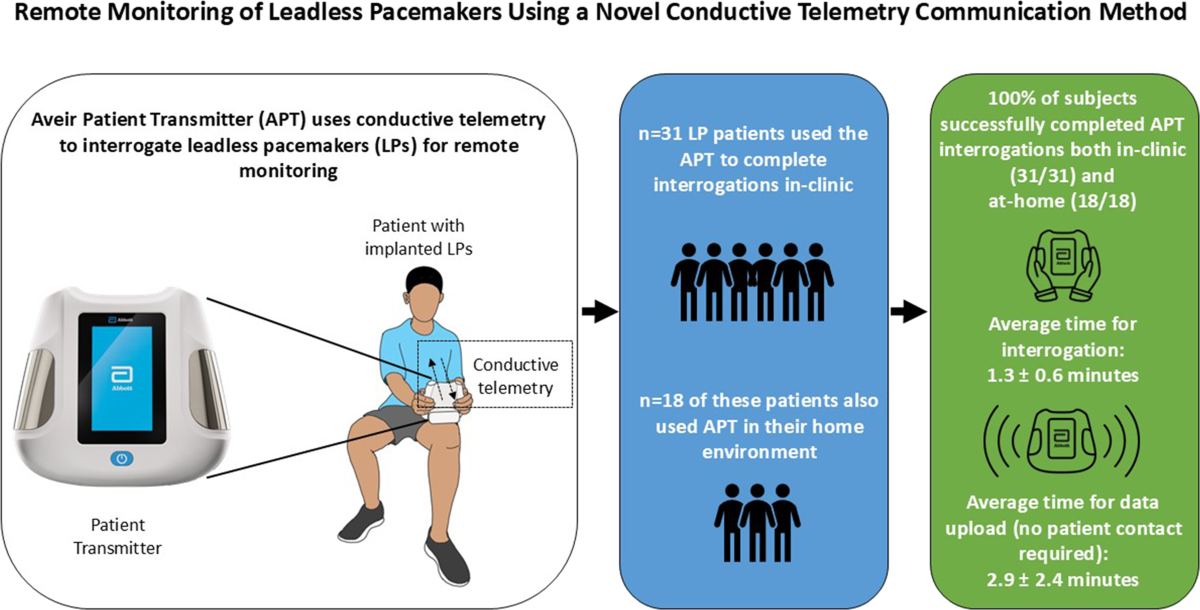
Credit: link.springer.com
Types Of Data Collected
Electronic consumer surveillance gathers a wide range of data to create detailed profiles about individuals. Understanding the types of data collected helps you see how much information about your daily life is captured. This awareness can guide you in making smarter decisions about your online privacy.
Personal Identification Information
This includes basic details like your name, email address, phone number, and sometimes even your social security number. Companies collect this data to identify you uniquely and link your online activities to a specific person.
Think about when you sign up for a service or make an online purchase. You provide this information willingly, but it gets stored and tracked for future use, often without you realizing the extent.
Behavioral And Preference Data
Surveillance systems track how you interact with websites, ads, and apps. This data includes the pages you visit, the time spent on each, items you click on, and even your scrolling patterns.
Have you noticed ads showing products similar to what you searched for? This happens because your behavior is constantly monitored to predict what you might want next.
- Purchase history
- Browsing habits
- Search queries
- Content preferences
Location And Device Information
Your physical location is tracked using GPS data from your phone or IP address from your computer. This helps companies serve location-specific ads or offers, like nearby restaurant deals or local events.
Device details such as the type of device, operating system, and browser you use are also collected. This data helps optimize services for your specific device but also adds to the profile built about you.
Applications In Marketing
Electronic consumer surveillance plays a significant role in modern marketing strategies. It allows businesses to understand customer behavior more deeply and tailor their approaches to meet specific needs. This technology helps companies connect with you in a more personalized and effective way.
Targeted Advertising
Targeted advertising uses data collected from your online activities to show ads that match your interests. Instead of random ads, you see promotions that feel relevant to you, like a favorite brand offering a discount just when you need it.
This approach increases the chances that you’ll engage with the ad, making marketing efforts more efficient. Think about a time you noticed an ad for something you recently searched for—that’s targeted advertising in action.
Customer Segmentation
Customer segmentation divides audiences into groups based on behavior, preferences, or demographics. This helps marketers send the right message to the right group instead of treating everyone the same.
For instance, a sportswear company might send running shoe promotions to active runners but offer yoga gear discounts to yoga enthusiasts. This makes marketing feel more personal and less like noise.
Predictive Analytics
Predictive analytics uses data patterns to guess what you might want or do next. Marketers rely on this to suggest products before you even think about buying them.
Have you ever noticed online stores recommending items you didn’t know you needed? That’s predictive analytics working behind the scenes to improve your shopping experience and help businesses boost sales.
Impact On Consumer Experience
Electronic consumer surveillance has a direct effect on how you interact with brands and services. It shapes your online and offline experiences in ways you might not always notice. Understanding this impact helps you make better choices about your privacy and how you engage with businesses.
Personalized Content Delivery
Businesses use data from your browsing habits and purchase history to tailor content just for you. This means you often see ads, recommendations, and offers that match your interests. Have you ever felt like an ad was reading your mind? That’s the power of personalized delivery in action.
However, this personalization can save you time by showing relevant options without endless searching. But it also raises the question: are you seeing a broad enough range of choices, or just what the system thinks you want?
Enhanced Customer Support
Surveillance data helps companies understand your past interactions, making support faster and more effective. When you contact customer service, agents can access your history to solve problems without asking the same questions repeatedly.
This smoother experience can reduce frustration and build trust. Still, it’s worth considering how much information you’re comfortable sharing to get this convenience.
Potential Privacy Concerns
While surveillance can improve your experience, it also means your data is constantly collected and analyzed. This can feel intrusive, especially if you don’t know how or where your information is being used.
Have you ever wondered who else might see your data or what they do with it? Protecting your privacy means being aware of these risks and making informed choices about the platforms you use.
Ethical And Legal Considerations
Electronic consumer surveillance raises important ethical and legal questions that affect both businesses and individuals. Understanding these concerns helps you navigate how your personal information is collected and used. It also encourages companies to act responsibly and respect your privacy.
Consent And Transparency
Your consent is the foundation of ethical surveillance. Companies must clearly explain what data they collect and how they plan to use it. Without transparency, you cannot make informed choices about sharing your information.
Have you ever agreed to terms without really knowing what you were signing up for? That lack of clarity undermines trust and often leads to misuse of data. Businesses should provide simple, straightforward explanations—not long legal jargon.
Data Protection Regulations
Data protection laws like the GDPR in Europe or CCPA in California set rules to safeguard your data. These laws require companies to store your information securely and limit how long they keep it.
They also grant you rights such as accessing your data or requesting its deletion. Knowing these rights puts you in control. However, not all regions have strict laws, so it’s important to stay informed about the rules in your area.
Balancing Benefits And Risks
Surveillance can improve your shopping experience by personalizing offers or detecting fraud early. But it also carries risks like data breaches or unwanted profiling.
Ask yourself: do the benefits outweigh the risks when a company tracks your behavior? You can demand more control over your data and support businesses that prioritize ethical practices. This balance is key to protecting your privacy without losing out on convenience.
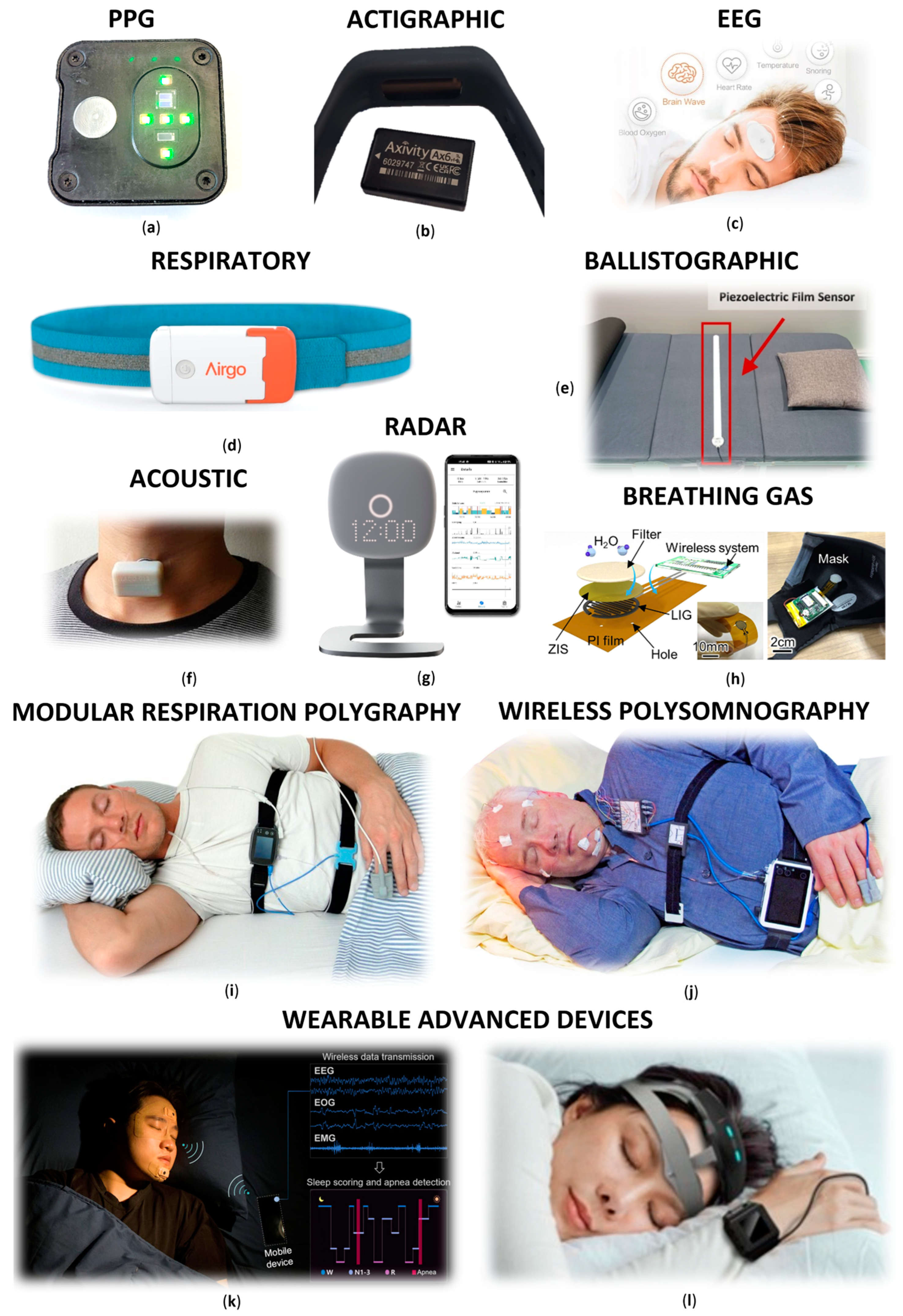
Credit: www.mdpi.com
Future Trends In Surveillance Technology
The future of electronic consumer surveillance is shaping up to be more complex and powerful than ever before. As technology advances, new tools and methods are emerging that will change how data is collected, analyzed, and used. Understanding these trends can help you stay informed and make smarter choices about your digital privacy.
Ai And Machine Learning Integration
Artificial intelligence and machine learning are transforming surveillance by making systems smarter and faster. These technologies can analyze massive amounts of data in real-time, identifying patterns and predicting behaviors with high accuracy.
Imagine a system that learns your habits and preferences to offer personalized ads instantly. While convenient, this raises questions about how much control you have over your own data and how it’s being used.
Increased Use Of Iot Devices
The number of Internet of Things (IoT) devices in homes and public spaces is growing rapidly. From smart speakers to connected refrigerators, these devices collect constant streams of data about your daily life.
This trend means surveillance is becoming more embedded in everyday objects, often without clear notifications. Are you aware of how many devices around you might be collecting your information right now?
Evolving Privacy Tools
As surveillance tools become more advanced, privacy tools are also evolving to help you protect your data. New software and hardware options offer better encryption, anonymity, and control over what information is shared.
However, these tools require you to stay proactive and informed. What steps are you taking to secure your digital footprint against increasingly sophisticated surveillance methods?

Credit: www.youtube.com
Frequently Asked Questions
What Is Electronic Consumer Surveillance?
Electronic consumer surveillance involves tracking consumer behaviors using digital tools like cookies, apps, and smart devices. It helps businesses analyze preferences and improve marketing strategies by collecting data on online activities and purchases.
How Do Companies Use Consumer Data Collected Electronically?
Companies analyze collected data to personalize ads, improve products, and enhance customer experiences. They use insights to target specific audiences and predict future buying behaviors, increasing sales and customer retention.
Is Electronic Consumer Surveillance Legal And Ethical?
Yes, but it depends on data protection laws and transparency. Companies must obtain consent, protect privacy, and use data responsibly to comply with regulations and maintain consumer trust.
What Devices Are Commonly Used For Consumer Surveillance?
Smartphones, computers, smart TVs, and wearable devices commonly track consumer activities. These devices collect data through apps, browsing habits, and location services to monitor user behavior effectively.
Conclusion
Electronic consumer surveillance collects data to understand buying habits. Companies use this information to offer better products and services. It also helps detect fraud and improve security. Yet, privacy concerns remain important for many people. Consumers should stay aware of how their data is used.
Knowing the basics helps make smarter choices online. This balance between convenience and privacy shapes the future of shopping.