How Does the Electronic Fund Transfer Act Protect Consumers: Essential Safeguards Explained
Imagine waking up one morning to find that your hard-earned money has mysteriously disappeared from your bank account. Panic sets in, right?
But here’s the good news: the Electronic Fund Transfer Act (EFTA) is here to protect you. This vital piece of legislation is like a safety net for your finances, ensuring that your electronic transactions are secure and fair. Ever wonder how it does that?
Or how it impacts you every time you swipe your card or make an online payment? Stick around, because understanding the EFTA can empower you to manage your money with confidence and peace of mind. Let’s dive into how this act works tirelessly to protect you and your financial well-being.

Credit: www.youtube.com
Key Provisions Of The Electronic Fund Transfer Act
The Electronic Fund Transfer Act (EFTA) offers vital protections that empower you as a consumer. Understanding its key provisions helps you recognize your rights and how to act if something goes wrong with your electronic transactions. Let’s break down what the law covers and how it applies to your everyday financial activities.
Scope And Applicability
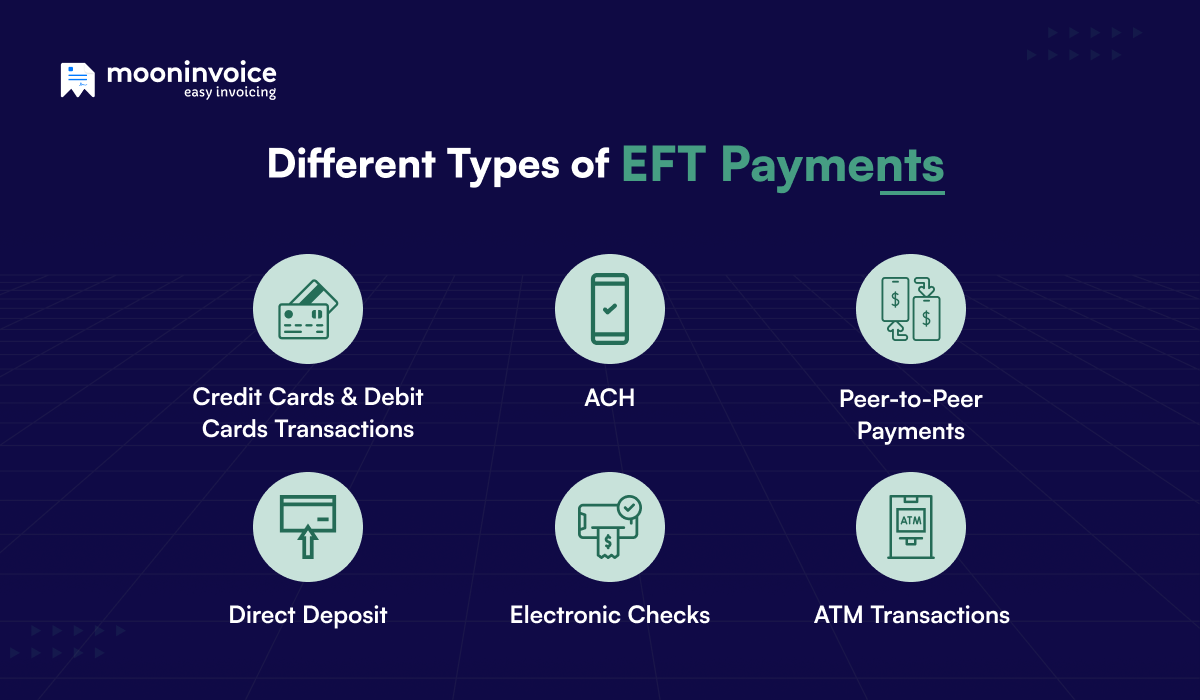
The EFTA applies to a wide range of electronic money transfers, including ATM withdrawals, debit card payments, and online bill payments. It covers transactions made through electronic terminals, telephone transfers, and automated clearinghouse systems.
Not all financial transactions fall under EFTA, though. For example, wire transfers and paper checks are typically excluded, so it’s important to know which transactions are protected in your banking activities.
Consumer Rights And Responsibilities
You have the right to clear information about your electronic fund transfers before you agree to them. This includes terms, fees, and the steps to follow if you notice errors.
At the same time, you have responsibilities, such as promptly reviewing your bank statements and notifying your financial institution if you spot unauthorized transactions. Acting quickly can limit your liability for losses to a maximum of $50, but delay could increase your risk.
Error Resolution Procedures
If you detect an error, the EFTA requires your bank to investigate and resolve the issue within a specific timeframe. You need to report the problem in writing within 60 days of the statement showing the error.
The bank must then acknowledge your complaint within 10 business days and resolve it within 45 calendar days. During the investigation, your rights to the disputed funds are protected, giving you peace of mind while the issue is sorted out.
Credit: www.mooninvoice.com
Limits On Consumer Liability
The Electronic Fund Transfer Act (EFTA) offers strong protections for consumers. One key area is limiting how much consumers owe if unauthorized transactions happen. These limits help prevent large financial losses. Understanding these rules builds confidence in using electronic payments.
Unauthorized Transactions
Unauthorized transactions occur when someone uses your account without permission. The EFTA ensures you are not fully responsible for these charges. It protects you by setting clear rules on what you must pay. This reduces worries about fraud or theft.
Timely Reporting Requirements
The EFTA requires consumers to report unauthorized transactions quickly. Reporting within a specific time frame lowers your liability. If you report within two business days, your loss is capped at $50. Waiting longer may increase your responsibility, but there is still a limit.
Liability Caps
The law sets maximum amounts you can owe for unauthorized transfers. If you notify your bank within two days, your liability is $50. Reporting between three and 60 days raises liability up to $500. After 60 days, you could lose all funds taken. These caps protect you from large, unexpected losses.
Disclosure Requirements For Financial Institutions
The Electronic Fund Transfer Act (EFTA) ensures that financial institutions provide clear and timely information about electronic transactions. This transparency helps you understand your rights and responsibilities when using electronic fund transfers. Disclosure requirements play a crucial role in keeping you informed and protected against unauthorized transactions or unexpected fees.
Account Terms And Conditions
Financial institutions must clearly explain the terms and conditions of your electronic fund transfer account. This includes details about how to use the account, your liability for unauthorized transfers, and the procedures to report errors.
Knowing these terms upfront can save you from surprises later. When I first opened an online banking account, the clear terms helped me feel confident about managing my money electronically. Have you ever signed up for a service without reading the fine print?
Fee Transparency
Fees related to electronic fund transfers must be disclosed before you use the service. This means you’ll know exactly what costs to expect for things like ATM withdrawals, balance inquiries, or transfers.
Financial institutions are required to list these fees clearly, often in a fee schedule. If you’ve ever been charged an unexpected fee, you understand how important this transparency is. Would you continue using a service if hidden fees caught you off guard?
Periodic Statements
You’ll receive regular statements that detail your electronic fund transfer activity. These statements include all transactions, fees charged, and any errors reported or corrected.
Reviewing these statements helps you spot unauthorized transactions quickly. I once noticed a small, unfamiliar charge and reported it immediately thanks to my statement. Are you regularly checking your statements to protect your money?
Error Resolution And Investigation Process
The Electronic Fund Transfer Act (EFTA) ensures that you have clear protections if you spot errors in your electronic transactions. It sets up a straightforward process for you to report mistakes and guarantees that your concerns are taken seriously. Understanding how this error resolution and investigation process works can save you time, stress, and money.
Filing A Dispute
If you notice an unauthorized charge or an incorrect amount, you need to act quickly. You should notify your financial institution in writing within 60 days of the statement showing the error. This written dispute can be as simple as a letter or an email detailing the problem, including your account information, the date, and the transaction amount.
Keeping records of your communication helps you stay organized. Have you ever wondered how fast a bank responds once you report an error? Your clear, prompt dispute speeds up the investigation.
Investigation Timeline
After receiving your dispute, the bank has 10 business days to start investigating. During this time, they might contact you for more information to ensure they fully understand the issue. The bank must resolve the dispute within 45 calendar days from when they got your complaint.
Sometimes, the investigation can take longer, especially for new accounts or complex cases. In those situations, the bank can extend the timeline to 90 days but must provisionally credit your account during the process, so you’re not out of pocket.
Corrective Actions
If the bank finds your claim valid, they must correct the error promptly. This usually means refunding the money or reversing unauthorized transactions. They also have to notify you in writing about the outcome and explain what was done.
On the other hand, if they find no error, they must provide evidence supporting their decision. What would you do if your bank didn’t resolve an error fairly? Knowing your rights under the EFTA empowers you to challenge unfair results and protect your money.
Protections For Preauthorized Transfers
Preauthorized transfers allow businesses to take money from your account automatically. These transfers happen on set dates without needing your approval each time. The Electronic Fund Transfer Act (EFTA) protects consumers by setting rules for these automatic payments. These rules help prevent unauthorized or wrong transfers. Understanding these protections can help you control your money better.
Authorization Rules
The EFTA requires clear permission before a preauthorized transfer happens. You must give written or electronic consent. This consent should explain the amount and timing of the transfer. The company cannot start taking money without this agreement. This rule stops companies from taking funds without your knowledge.
Right To Stop Payment
You have the right to stop a preauthorized transfer before it occurs. You must notify your bank at least three business days in advance. This notice can be written or oral, but written is safer. The bank will then stop the payment on your behalf. This right helps you avoid unwanted or incorrect charges.
Revoking Authorization
You can cancel your permission for future preauthorized transfers anytime. To do this, inform the company in writing. It is best to keep a copy of your cancellation notice. After revoking, no more money can be taken automatically. This protection gives you control over ongoing payments.
Impact On Digital Payment Methods
The rise of digital payment methods has transformed how you manage your money every day. Whether you’re sending money through a mobile app or paying bills online, the Electronic Fund Transfer Act (EFTA) plays a crucial role in protecting you. Understanding its impact on these modern transactions helps you feel more secure and in control of your finances.
Coverage Of Mobile And Online Transfers
The EFTA covers a wide range of electronic fund transfers, including those made via mobile apps and online platforms. This means if you send money using your phone or computer, the law offers protections against unauthorized transactions and errors.
For example, if someone hacks your online banking and makes a transfer without your permission, the EFTA limits your liability to a small amount if you report the issue promptly. This protection encourages you to use digital payment methods without fear of losing all your money.
Challenges With Emerging Technologies
New digital payment technologies evolve rapidly, sometimes faster than regulations can keep up. Features like peer-to-peer payments, cryptocurrency wallets, and biometric authentication raise questions about how well the EFTA covers them.
Have you ever wondered what happens if an error occurs with a payment made through a new app or a digital currency transfer? The EFTA’s protections might not fully extend to every emerging technology, leaving some gaps in consumer safety. This uncertainty means you need to stay vigilant and understand the terms of service for each digital payment tool you use.
Consumer Awareness
Knowing your rights under the EFTA empowers you to act quickly if something goes wrong with a digital payment. The law requires financial institutions to provide clear information about your responsibilities and the steps to report unauthorized transactions.
Being aware of these details can save you time and money. Do you know how soon you need to report a lost card or unauthorized transfer? The sooner you notify your bank, the more protection you receive. Staying informed helps you avoid surprises and keeps your digital transactions safer.
Enforcement And Remedies
The Electronic Fund Transfer Act (EFTA) includes strong rules for enforcement and remedies. These rules help protect consumers from fraud and errors in electronic transactions. The law sets clear steps for handling complaints and provides ways to fix problems quickly. It also offers legal options if companies break the rules.
Regulatory Oversight
Government agencies oversee the EFTA to ensure compliance. The Consumer Financial Protection Bureau (CFPB) leads this effort. They check if banks and financial firms follow the law. The Federal Trade Commission (FTC) also plays a role in enforcement. These agencies can investigate complaints and take action against violators.
Consumer Complaints
Consumers can report errors or fraud in electronic transfers. The law requires companies to respond promptly to these complaints. Consumers should contact their bank or card issuer first. If the problem is not fixed, they can file a complaint with the CFPB or FTC. These agencies help resolve disputes and protect consumer rights.
Legal Recourse Options
The EFTA gives consumers several legal options. They can recover lost money due to unauthorized transfers. Courts may order companies to pay damages or fines. Consumers can also sue for violations of their rights. These remedies ensure companies follow the rules and treat customers fairly.

Credit: www.youtube.com
Frequently Asked Questions
What Is The Electronic Fund Transfer Act?
The Electronic Fund Transfer Act (EFTA) protects consumers by regulating electronic payments. It ensures secure transactions and limits consumer liability for unauthorized transfers.
How Does Efta Limit Consumer Liability?
EFTA limits liability to $50 if reported within two days. After two days, liability may increase up to $500 or more, depending on the delay.
What Types Of Transactions Does Efta Cover?
EFTA covers ATM transfers, debit card payments, and electronic bill payments. It safeguards consumers in most electronic fund transfers, excluding paper checks.
How Does Efta Protect Against Unauthorized Transfers?
EFTA requires financial institutions to investigate errors promptly. It mandates quick resolution and reimbursement if unauthorized electronic transfers occur.
Conclusion
The Electronic Fund Transfer Act helps keep your money safe. It limits your losses if someone steals your card. It also makes sure you get clear information about your transactions. You can report errors and get quick fixes. This law gives you more control over your electronic payments.
Knowing your rights helps you use electronic funds with confidence. Stay informed and protect your money every time you pay online or use a card. The Act works to make electronic transfers safer for everyone.