How Long is Manufacturer Warranty Consumer Electronics: Ultimate Guide
Understanding the basics of manufacturer warranties can save you time, money, and frustration when buying consumer electronics. Knowing what a warranty covers and how it works helps you make smarter decisions about repairs and replacements. Let’s break down the essentials so you can confidently protect your gadgets.
What Is A Manufacturer Warranty
A manufacturer warranty is a promise from the maker of your electronic device that it will work as expected for a certain period. If something goes wrong due to a defect in materials or workmanship, the company agrees to fix or replace the product at no extra cost.
Think of it as a safety net that covers unexpected issues directly linked to how the product was built. It doesn’t cover damages from accidents, misuse, or normal wear and tear. Have you ever had a gadget fail within a few months? That’s exactly when a manufacturer warranty can be a lifesaver.
Types Of Warranties
- Limited Warranty:Covers specific parts or types of defects for a fixed time. This is the most common type for electronics.
- Full Warranty:Offers complete coverage and promises free repairs or replacements without many conditions.
- Extended Warranty:An optional service you can buy to lengthen your coverage beyond the manufacturer’s original period.
Each warranty type has its own fine print. You should always read the terms carefully to understand what is and isn’t covered. Have you checked your warranty details before making a big purchase?
How Warranties Protect Consumers
Warranties give you peace of mind, knowing you’re not alone if your device malfunctions early on. They encourage manufacturers to maintain quality because they’re responsible for fixing defects.
Without warranties, you’d be left paying out-of-pocket for repairs or replacements, which can quickly add up. Plus, warranties can sometimes include perks like free technical support or software updates.
Next time you buy a new gadget, ask yourself: How long is the warranty? What does it cover? Taking a few minutes to check can save you headaches and money down the line.
Have you ever bought a new gadget and wondered how long it’s covered by the manufacturer’s warranty? You’re not alone.
Understanding the warranty period is crucial when investing in consumer electronics. This knowledge not only provides peace of mind but also ensures that you get the most out of your purchase. You’ll discover the ins and outs of manufacturer warranties, how long they typically last, and what they cover.
Stick around to learn how you can protect your investment and avoid unpleasant surprises down the road. Whether you’re buying a smartphone, a laptop, or a home appliance, knowing your rights can save you time, money, and frustration. Let’s dive in and demystify the world of manufacturer warranties for consumer electronics.
Warranty Basics
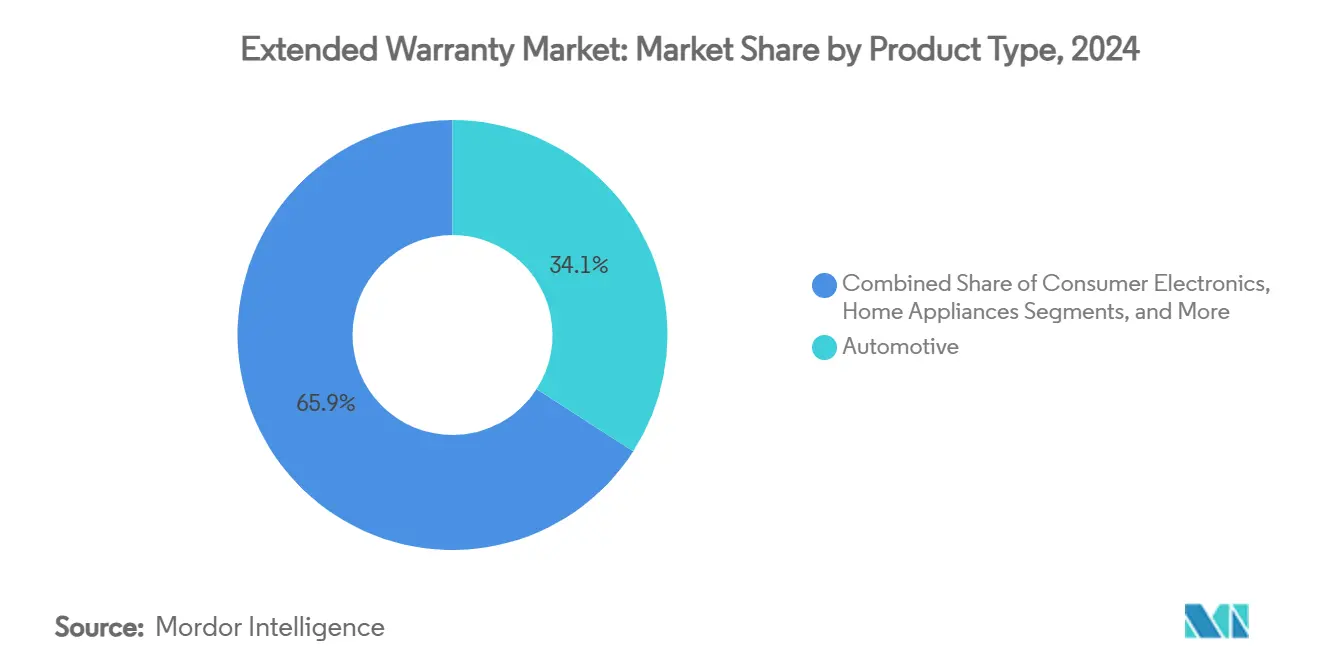
Credit: www.mordorintelligence.com
Typical Warranty Lengths
Manufacturer warranties for consumer electronics vary in length. These warranties protect buyers from defects and malfunctions. Knowing typical warranty lengths helps set expectations. It also aids in planning repairs or replacements.
Smartphones And Tablets
Most smartphones and tablets come with a one-year warranty. This covers hardware defects and failures. Some brands offer extended warranties for extra cost. Battery life issues may have different coverage terms.
Laptops And Computers
Laptops and desktop computers usually have a one-year warranty. Business models sometimes come with two or three years. This warranty includes parts and labor for repairs. Accidental damage often requires separate insurance.
Televisions And Monitors
Television and monitor warranties commonly last one to two years. Larger screens or premium models may have longer coverage. The warranty generally covers screen defects and component failures.
Audio Equipment
Audio devices like headphones, speakers, and sound systems often have a one-year warranty. Some high-end products offer up to two years. The warranty typically covers manufacturing faults and functional issues.
Home Appliances
Home appliances, including refrigerators and washing machines, usually have warranties from one to two years. Some brands provide extended coverage for key parts like compressors. This warranty protects against defects and mechanical breakdowns.
Factors Affecting Warranty Duration
Warranty duration varies widely in consumer electronics. Several factors influence how long a manufacturer will cover repairs or replacements. Understanding these factors helps buyers make better choices. It also clarifies what to expect from the warranty period.
Brand Differences
Some brands offer longer warranties to build trust. Well-known brands often provide more coverage. Lesser-known brands might limit warranty length to reduce costs. Brand reputation affects warranty promises and service quality. Buyers often prefer brands with reliable, longer warranties.
Product Price And Quality
Higher-priced products tend to have longer warranties. Quality parts and design reduce the risk of defects. Manufacturers back premium items with extended protection. Budget electronics usually come with shorter warranty periods. The warranty reflects the confidence in product durability.
Extended Warranties And Service Plans
Extended warranties add extra coverage beyond the standard period. These are usually sold separately or included with some products. Service plans might cover accidental damage or wear and tear. Extended warranties provide peace of mind for long-term use. They often cost extra but can save money later.
What Warranty Covers
Understanding what a manufacturer warranty covers can save you time, money, and frustration. It’s not just about knowing the duration but also what repairs or replacements are included. This knowledge helps you set realistic expectations and avoid surprises when you need to claim your warranty.
Parts And Labor
Most consumer electronics warranties cover both parts and labor. This means if a component inside your device breaks down due to a manufacturing defect, the company will fix or replace that part without charging you. Labor coverage means you won’t pay for the technician’s work either.
However, this coverage usually applies only during the warranty period and for specific types of failures. For example, if your smartphone’s battery dies prematurely within the warranty, the manufacturer will often replace it. But if you accidentally drop your phone, that damage might not be covered.
Common Exclusions
Not everything falls under warranty protection. Most warranties exclude damages caused by accidents, misuse, or unauthorized repairs. Water damage, screen cracks from drops, and wear and tear from daily use are often left out.
Think about whether your usage habits might void the warranty. Using unapproved chargers or opening the device yourself can lead to exclusions. Always check the fine print before making any repairs or modifications.
How To Read Warranty Terms
Warranty documents can be confusing, but they hold the key to your coverage rights. Look for clear definitions of what is covered and for how long. Pay close attention to terms like “manufacturer defect” versus “accidental damage.”
Ask yourself: Does the warranty require you to register the product? Are there specific steps to follow for claims? Knowing these details upfront can make the claims process smoother and faster.
How To Claim Warranty
Claiming a warranty on consumer electronics can seem tricky. Knowing what to do makes the process easier and faster. Follow clear steps to ensure your claim is accepted without hassle. Prepare the right documents and understand the procedure.
Required Documentation
Keep these papers ready before filing a claim:
- Original purchase receipt or invoice
- Warranty card or certificate
- Product serial number or model information
- Proof of identification, if needed
- Photos showing the defect or issue
Steps To File A Claim
Start by contacting the manufacturer or authorized service center. Explain the problem clearly and provide product details. Submit your documentation as requested. Follow their instructions carefully. Wait for confirmation about repair or replacement options.
Tips For A Smooth Process
- Act quickly, before the warranty expires
- Keep all communications polite and professional
- Take notes of names, dates, and details
- Back up all documents in digital form
- Read the warranty terms carefully

Credit: www.verifiedmarketresearch.com
Warranty Limitations And Consumer Rights
Understanding warranty limitations and your rights as a consumer is crucial when buying electronics. Manufacturer warranties often come with specific conditions that can affect whether a claim is accepted. Knowing these details helps you protect your investment and avoid surprises when issues arise.
Void Conditions
Warranties usually become void if the product is damaged due to user error or unauthorized repairs. For example, opening your device and attempting to fix it yourself often cancels the warranty. Using non-approved accessories or software can also lead to voiding your coverage.
Manufacturers may exclude coverage for accidental damage, wear and tear, or cosmetic defects. It’s important to read the fine print to understand what is and isn’t covered. Have you checked your warranty terms closely before making a claim?
Legal Protections For Consumers
Even if a warranty has limitations, consumer laws often provide additional protections. Many countries have “implied warranties” that guarantee a product will work as expected for a reasonable time. This means you might still get repairs or a replacement even if the manufacturer’s warranty has expired.
Consumer rights vary, but typically include options like refunds, repairs, or replacements if the product is faulty. Keep your purchase receipts and document any issues promptly. Are you aware of your local consumer protection laws?
When To Seek Professional Help
If your product breaks and the warranty is unclear or denied, consulting a consumer rights expert can be wise. Professionals can guide you on how to file complaints or take legal action if needed. This approach can save you time and stress, especially with costly electronics.
Sometimes, third-party repair shops offer warranty-friendly services that don’t void your coverage. Choosing the right repair option protects both your device and your rights. Have you considered professional advice before attempting a fix on your own?
Maximizing Warranty Benefits
Maximizing the benefits of your manufacturer warranty can save you both time and money. Many people miss out on warranty coverage simply because they overlook simple steps or fail to follow the manufacturer’s guidelines. Taking a proactive approach ensures you get the full value of your warranty if your device ever needs repair or replacement.
Registering Your Product
Register your electronic device as soon as you buy it. This step is often required to activate the warranty or extend its length beyond the standard period. Registration also helps the manufacturer contact you directly with important updates or recalls.
Keep your purchase receipt and registration confirmation in a safe place. Have you ever tried to claim a warranty without proof of purchase? It’s frustrating and usually ends with denial of service.
Maintaining Your Device
Regular maintenance is crucial to keep your device in good working order and avoid voiding your warranty. Follow the manufacturer’s care instructions precisely—clean your device with recommended products and avoid unauthorized modifications.
Ignoring maintenance can lead to damage that warranty providers might not cover. For example, water damage or physical abuse often falls outside warranty terms, so treating your device carefully is your best defense.
Using Authorized Service Centers
Always use authorized service centers for any repairs or inspections under warranty. These centers have trained technicians and genuine parts, ensuring your warranty remains valid.
Going to an unauthorized repair shop might seem cheaper but can void your warranty completely. Have you checked if your local service center is authorized before sending your device in? It’s a small step that can save you from bigger issues later.

Credit: qualityinspection.org
Frequently Asked Questions
How Long Is A Typical Manufacturer Warranty On Electronics?
Most consumer electronics come with a 1-year manufacturer warranty. This warranty covers defects in materials and workmanship but excludes accidental damage or wear and tear.
Can Manufacturer Warranties Be Extended For Electronics?
Yes, many brands offer extended warranty plans. These plans extend coverage beyond the standard period, often for an additional fee, providing extra protection.
What Does A Manufacturer Warranty Usually Cover?
Manufacturer warranties generally cover hardware defects and malfunctions. They do not cover accidental damage, misuse, or cosmetic damage like scratches.
Are Manufacturer Warranties Valid Worldwide?
Manufacturer warranty coverage varies by brand. Some offer international warranties, but most are valid only in the country of purchase.
Conclusion
Manufacturer warranties for consumer electronics usually last one year. Some brands offer longer coverage, up to two or three years. Always check your product’s warranty details before buying. Knowing warranty length helps you avoid extra repair costs. Keep your receipt and warranty card safe.
They make claims easier if issues arise. Warranties give peace of mind but don’t cover all damages. Read terms carefully to understand what is included. This knowledge helps you protect your electronics wisely.