How Many Amps And Voltage for Home Electronics: Ultimate Guide
Understanding the right amps and voltage for your home electronics can feel like navigating a maze. You want your devices to run smoothly, but without the risk of damaging them.
The key lies in knowing the perfect balance between amps and voltage. This knowledge not only ensures safety but also saves you from unnecessary repairs or replacements. In this guide, you’ll discover how to choose the right specifications to keep your electronics happy and long-lasting.
Stick around, and you might just unlock the secrets to a more efficient and safe home.

Credit: www.onesto-ep.com
Basic Electrical Terms
Understanding basic electrical terms is essential for managing your home electronics safely and efficiently. These terms help you figure out how much power your devices need and how to plug them in correctly. Knowing these basics can prevent overloads and keep your appliances running smoothly.
Amps And Voltage
Amps(short for amperes) measure the flow of electric current. Think of it as the amount of electricity moving through a wire at any given time.
Voltageis the pressure that pushes the electric current through the circuit. It’s like the force that moves water through a pipe.
For example, a typical home outlet in the U.S. provides about 120 volts. Your devices will draw a certain number of amps depending on their power needs. Do you know how many amps your laptop charger or microwave pulls? Checking the label can tell you.
Watts And Power
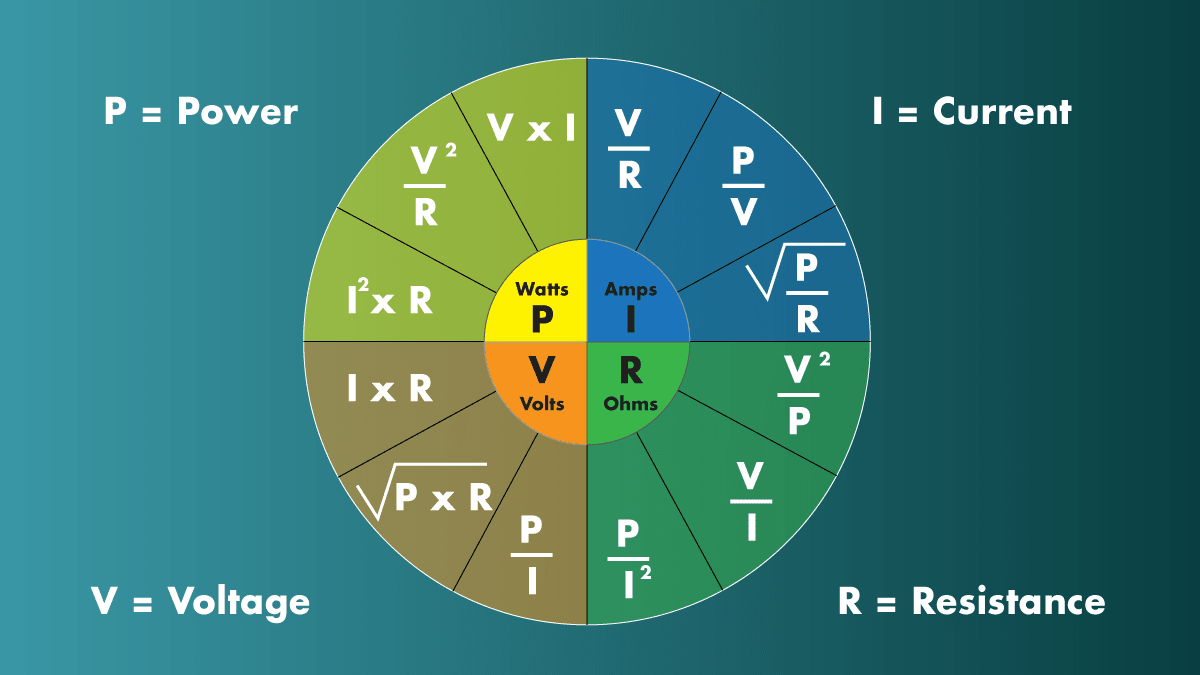
Wattsmeasure the actual power your device uses. It combines amps and voltage to show how much energy something consumes.
The formula is simple: Watts = Volts × Amps. So, if a device uses 120 volts and 2 amps, it consumes 240 watts.
Knowing the wattage helps you understand how much electricity your device will use and can help you avoid tripping breakers or blowing fuses.
Voltage Types
There are two main types of voltage in your home: AC (Alternating Current)and DC (Direct Current). Your household outlets provide AC voltage, which changes direction periodically.
Most home electronics, like your TV or fridge, run on AC. But devices like laptops and smartphones use DC voltage, which flows in one direction, provided by their chargers.
Have you ever wondered why your phone charger looks different from the plug in the wall? It’s because it converts AC to DC to power your device safely.
Common Household Voltages
Understanding common household voltages helps ensure safe use of electronics. Voltage is the force that pushes electric current through devices. Different homes use different voltage levels based on location and standards. Knowing these levels helps prevent damage to appliances and improves energy efficiency.
Standard Voltage Levels
Most household electronics run on either 110-120 volts or 220-240 volts. These voltages power everything from lamps to refrigerators. The lower range, around 110-120 volts, is common in many homes. Some larger appliances may require higher voltage, such as 240 volts. This higher voltage allows more power for devices like ovens and dryers.
- 110-120 volts: Common for small electronics and lighting
- 220-240 volts: Used for large appliances and heavy-duty tools
Differences By Region
Voltage standards differ by country and region. North America mostly uses 120 volts at 60 hertz frequency. Europe, Asia, and many other places use 230 volts at 50 hertz. These differences affect the types of plugs and devices used. Traveling with electronics may require voltage converters or adapters.
| Region | Voltage | Frequency |
|---|---|---|
| North America | 110-120 V | 60 Hz |
| Europe | 220-240 V | 50 Hz |
| Asia (varies) | 100-240 V | 50/60 Hz |
Typical Amperage For Electronics
Typical amperage for home electronics varies widely depending on the device. Amperage indicates how much electric current a device uses. Understanding this helps prevent overloading circuits and choosing the right power supply.
Most home electronics fall into three groups based on their power needs. These groups include low-power devices, medium-power appliances, and high-power equipment. Each has a typical range of amperage that is important to know.
Low-power Devices
Low-power devices use less electricity and usually run on small currents. Examples include:
- Smartphones and tablets (0.5 to 2 amps)
- LED lights (0.1 to 0.5 amps)
- Small fans and clocks (0.2 to 1 amp)
These devices often use USB chargers or small power adapters. They draw less than 2 amps, making them safe for most outlets.
Medium-power Appliances
Medium-power appliances need more current than small gadgets. They work with standard home outlets, usually 15 to 20 amps circuits. Common devices include:
- Microwaves (5 to 10 amps)
- Vacuum cleaners (6 to 12 amps)
- Toasters and coffee makers (7 to 12 amps)
These appliances require careful use to avoid tripping breakers. Their amperage can vary based on the model and usage.
High-power Equipment
High-power equipment uses a large amount of electricity and may need special wiring. Examples are:
- Electric ovens (30 to 50 amps)
- Clothes dryers (20 to 30 amps)
- Air conditioners (15 to 60 amps)
These devices often need dedicated circuits. Their high amperage demands proper installation by a professional.
Calculating Power Needs
Understanding how much power your home electronics need is key to preventing overloads and ensuring safety. Calculating power needs helps you pick the right circuit breakers, wires, and outlets. It also saves you from unexpected trips to the breaker panel when too many devices run simultaneously.
Using Wattage To Find Amps
Each electronic device lists its wattage on the label or in the manual. Wattage tells you how much power it uses. To find the amps, divide the wattage by the voltage of your home system, usually 120 volts in the U.S.
For example, if your laptop charger says 60 watts, calculate amps like this:
| Calculation | Result |
|---|---|
| 60 watts ÷ 120 volts | 0.5 amps |
This means your laptop charger draws 0.5 amps. It’s a simple step, but many overlook it, leading to underestimated power needs.
Estimating Total Load
To avoid tripping breakers, add up the amps of all devices you plan to use on the same circuit. Include lights, TVs, computers, and kitchen appliances. Don’t forget smaller devices like phone chargers; they add up too.
Imagine plugging in a heater that uses 12 amps, a TV at 2 amps, and several lights totaling 6 amps. Your total load is 20 amps. If your circuit breaker is rated for 15 amps, you risk an overload.
- Write down each device’s amps.
- Add them together.
- Compare the total to your circuit’s capacity.
Have you ever experienced a sudden blackout after turning on multiple devices? That’s often a sign you didn’t calculate your total load correctly. Taking a few minutes to estimate power needs can save you that headache.
Safety And Electrical Ratings
Understanding the safety and electrical ratings of your home electronics is crucial to prevent hazards like fires and equipment damage. Every device operates within specific voltage and amperage limits, and ignoring these can lead to serious consequences. Knowing how to manage these ratings helps you protect your home and your gadgets effectively.
Circuit Breakers And Fuses
Circuit breakers and fuses act as your home’s first line of defense against electrical faults. They interrupt power flow when current exceeds safe levels, preventing overheating and potential fires. Have you checked if your circuit breakers match the amperage requirements of your home electronics? Using breakers rated too high can fail to protect your devices properly.
Fuses work similarly but need replacement after tripping, unlike breakers that reset. Both must comply with the voltage and current specifications of your household wiring. For example, a 15-amp breaker protects circuits designed for 15 amps; installing a 20-amp breaker on a 15-amp circuit risks overheating wires.
Avoiding Overloads
Overloading happens when you plug in too many devices on a single circuit, pushing the current beyond its limit. This can cause breakers to trip frequently or worse, cause wiring to overheat silently. Think about how many electronics you run at once—are you unknowingly stressing your electrical system?
To avoid overloads, spread your devices across multiple circuits and check their combined amperage. For instance, a standard wall outlet usually supports up to 15 amps, so connecting a high-wattage heater and multiple chargers simultaneously could exceed this. Using power strips with built-in surge protection also adds an extra layer of safety.
Credit: owlcation.com
Energy Efficiency Tips
Saving energy in your home starts with smart choices. Using the right devices and cutting down power use helps lower bills and protect the environment. Simple steps can make a big difference in how much electricity your electronics consume.
Choosing The Right Devices
Select electronics with energy efficiency labels. Look for Energy Star or similar certifications. These devices use less power without losing performance. Consider the size and capacity that fit your needs. Avoid buying bigger or stronger models than necessary. Newer models often have better technology for saving energy.
Reducing Power Consumption
Turn off devices when not in use. Unplug chargers and electronics to stop phantom energy drain. Use power strips for easy control over multiple devices. Adjust settings like screen brightness and sleep mode. Lowering these can save a lot of power. Choose LED bulbs for lighting. They use less energy and last longer.
Special Considerations
Special considerations help protect home electronics from damage. Power needs vary for different devices. Understanding these factors keeps your gadgets safe and working well.
Surge Protection
Surges are sudden spikes in electrical power. They can damage sensitive electronics quickly. Use surge protectors to guard against these spikes. These devices absorb excess voltage and prevent harm. Connect valuable electronics like computers and TVs to surge protectors. Replace protectors after a major surge event. Not all power strips offer surge protection. Check product labels carefully before use.
Voltage Fluctuations
Voltage can rise or fall unexpectedly in homes. Fluctuations cause devices to work improperly or fail. Some electronics have built-in voltage stabilizers. Others need external voltage regulators for protection. Fluctuations occur due to weather, grid issues, or heavy appliance use. Monitoring voltage with a simple meter helps spot problems early. Consider installing a whole-house voltage stabilizer in areas with frequent issues.

Credit: shopsolarkits.com
Frequently Asked Questions
What Voltage Do Most Home Electronics Require?
Most home electronics operate on 110-120 volts in the US and 220-240 volts in many other countries. This voltage range powers devices safely and efficiently. Always check your device’s label to confirm the correct voltage before use.
How Many Amps Does A Typical Home Appliance Use?
Home appliances usually draw between 0. 5 to 15 amps depending on their function. Smaller devices like lamps use fewer amps, while larger appliances such as air conditioners require more. Knowing the amps helps prevent circuit overloads.
Can I Use A 220v Appliance On 110v?
Using a 220V appliance on 110V will not work properly and may damage the device. Appliances designed for 220V need a voltage converter to operate safely on 110V power sources. Always check compatibility before plugging in.
Why Is Knowing Amps Important For Home Electronics?
Knowing the amps prevents circuit overload and electrical hazards. It helps ensure your home wiring can handle the load safely. Proper amp knowledge also aids in selecting the right circuit breakers and avoiding power outages.
Conclusion
Knowing the right amps and voltage keeps your devices safe. It helps prevent damage and saves energy. Check the labels on your electronics before use. Use proper outlets and avoid overloading circuits. This small step protects your home and gadgets.
Always stay aware of your electrical needs. Simple care leads to long-lasting electronics. Safety first—always.