
Have you ever wondered if there’s a place on Earth where people aren’t glued to their screens? Imagine a world where conversations are face-to-face, where nature is more captivating than notifications, and where life isn’t dominated by the latest device.
In some countries, people have found a way to balance technology with life, valuing human interaction and the great outdoors over being tethered to a gadget. Could this be the secret to a more fulfilling life? Stick around as we explore these intriguing places and discover how you, too, can find harmony between gadgets and genuine experiences.
Global Gadget Usage Trends
Electronic gadgets have become a central part of daily life for many people worldwide. Yet, the level of gadget use varies significantly from country to country. Understanding where gadget consumption is high or low can reveal interesting cultural and economic patterns.
High Consumption Regions
Countries like South Korea, Japan, and the United States lead in gadget usage. These places have strong tech industries and widespread internet access, making it easy for people to adopt new devices quickly.
In South Korea, for example, the average person owns multiple gadgets, from smartphones to smart home devices. The culture emphasizes staying connected, which drives constant upgrades and new purchases.
- Urban centersin these countries often have tech stores on every corner.
- High-speed internet supports heavy use of streaming, gaming, and social media.
- Young people especially are quick to try the latest gadgets.
Low Consumption Areas
In contrast, regions such as parts of Sub-Saharan Africa, rural India, and some Eastern European countries show lower gadget consumption. Limited infrastructure and lower income levels are key reasons.
In rural areas of India, many people still rely on basic phones rather than smartphones. Internet access can be unreliable or expensive, making gadgets less practical.
- Economic priorities often focus on essentials rather than electronics.
- Many people use community centers or shared devices rather than owning personal gadgets.
- In these areas, you might find that social interactions happen more face-to-face than online.
Have you ever considered how your gadget use compares to someone living in a low consumption area? What would your daily routine look like without constant access to these devices?

Credit: ec.europa.eu
Factors Behind Low Gadget Usage
Understanding why some countries show less interest in electronic gadgets requires looking beyond simple preferences. Several underlying factors shape this behavior, influencing how people access and use technology. Let’s break down these key reasons to see what holds back gadget consumption in certain regions.
Economic Constraints
Money plays a big role in gadget usage. In countries where incomes are low, people often prioritize basic needs over buying the latest smartphone or tablet.
Even when gadgets are available, their prices might be too high for many families. This leads to fewer people owning or upgrading devices frequently.
Think about your own spending habits—would you buy a costly gadget if it meant cutting back on essentials? Many people in low-income countries face this exact dilemma.
Cultural Influences
Culture shapes how people view technology. In some societies, face-to-face communication and traditional ways of life are highly valued, reducing the appeal of constant gadget use.
For example, communities that emphasize outdoor activities or social gatherings might see less need for digital devices.
Have you noticed how some cultures resist trends that seem to disconnect people rather than bring them closer? This cultural resistance can slow down gadget adoption.
Technological Infrastructure
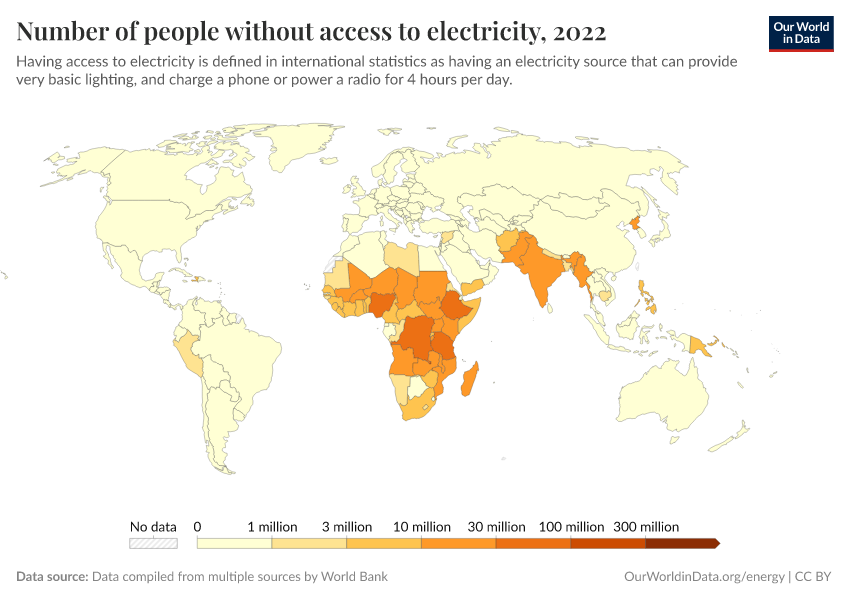
Without reliable internet and electricity, gadgets lose much of their usefulness. Countries with poor infrastructure struggle to support widespread gadget use.
Imagine owning a smartphone but lacking steady internet access; the device’s full potential remains untapped.
Investing in infrastructure is often the first step toward increasing gadget consumption, but it takes time and resources many places don’t have yet.
Countries With Minimal Gadget Dependence
Countries with minimal gadget dependence show a different lifestyle. People in these places use fewer electronic devices daily. Their habits reflect culture, economy, and access to technology. Understanding these areas reveals how life can be simpler and less focused on gadgets.
Rural Communities
Rural areas often have limited internet and electricity. People rely more on face-to-face communication. Farming and outdoor work take priority over screen time. Many rural residents use basic phones instead of smartphones. Entertainment comes from nature and community events, not gadgets.
Developing Nations
In some developing countries, gadgets are costly. Many families cannot afford multiple devices. Education and healthcare needs come before buying technology. People use shared devices at schools or community centers. Daily life focuses on survival and work, not digital entertainment.
Unique Case Studies
Some countries actively limit gadget use to protect culture. For example, Bhutan values happiness over material goods. They promote outdoor activities and social bonds instead of screen time. Other places restrict internet access to preserve traditions. These examples show how society shapes gadget use.

Credit: en.wikipedia.org
Impact On Lifestyle And Society
Living in countries where electronic gadgets are less common shapes daily life and society differently. People tend to focus more on direct experiences and face-to-face communication. This lifestyle impacts social bonds, work habits, and health in unique ways. Understanding these effects helps us see how technology changes our world.
Social Interaction Patterns
People in these countries often spend more time with family and friends in person. Conversations happen face-to-face rather than through screens. Community events and gatherings are common and valued. These habits build stronger social ties and reduce feelings of loneliness. People learn to read body language and express emotions clearly.
Work And Productivity
Workplaces rely less on digital tools and more on direct communication. Tasks may take longer without instant electronic help. People develop skills like patience and attention to detail. Collaboration happens mostly in person, which can improve teamwork and trust. Some jobs remain manual or craft-based, preserving traditional skills.
Health And Well-being
Less screen time means fewer problems with eye strain and poor posture. People spend more time outdoors and stay physically active. Sleep patterns improve without late-night device use. Mental health benefits from reduced stress and less information overload. These lifestyles encourage balance between work, rest, and play.
Future Trends In Gadget Consumption
Understanding future trends in gadget consumption helps you anticipate changes in how different countries engage with technology. Some regions are showing unique patterns where people are less driven by the latest electronic gadgets. This shift can influence global markets and your own tech choices.
Emerging Technologies
New technologies like affordable smartphones, wearable health devices, and energy-efficient gadgets are becoming more accessible. Yet, in countries where basic needs or infrastructure take priority, adoption remains slower. This creates a gap between availability and actual consumption.
Think about how solar-powered chargers or simple feature phones can make a big difference in these areas. Are you considering how emerging tech might change your own gadget habits?
Shifts In Consumer Behavior
Some populations are moving away from constant gadget upgrades. They prefer durability, multifunctionality, and value over flashy features. This means fewer impulse buys and more thoughtful purchases.
Have you noticed your own tech buying habits evolving toward quality rather than quantity? These shifts reflect a growing awareness of sustainability and budget-consciousness in less gadget-consumed countries.
Potential Growth Markets
Countries with lower gadget consumption today could become tomorrow’s hotspots. As internet access expands and incomes rise, demand for electronics is set to increase. However, the pace will depend on cultural attitudes and economic priorities.
- Rural areas with limited connectivity
- Regions focused on agriculture or manual industries
- Communities prioritizing education and healthcare over gadgets
Understanding these potential growth markets helps you spot opportunities and challenges in global tech trends.
Credit: ourworldindata.org
Frequently Asked Questions
Which Countries Use Fewer Electronic Gadgets Daily?
Countries like Bhutan, Chad, and Niger show lower daily gadget use. Limited infrastructure and cultural preferences reduce electronic gadget consumption in these regions.
Why Do Some Countries Avoid Electronic Gadgets?
Many avoid gadgets due to economic constraints, limited internet access, or cultural values that emphasize traditional lifestyles over technology.
How Does Culture Affect Gadget Consumption Worldwide?
Cultural values influence gadget use by prioritizing social interactions and outdoor activities over digital engagement in some countries.
What Impacts Gadget Use In Less Consumed Countries?
Factors include income levels, education access, technological infrastructure, and government policies that limit or support gadget availability and use.
Conclusion
People in some countries focus less on electronic gadgets. They value simple living and nature more. Social connections and outdoor activities often take priority. These habits show a balance between tech and life. Understanding this helps us see different lifestyles worldwide.
It reminds us that not everyone depends on gadgets daily. Embracing these differences enriches our global perspective. Everyone chooses what fits their culture and needs best.


