
Imagine walking into your favorite electronics store. Rows of shiny gadgets and devices promise to make life more fun, efficient, and connected.
But have you ever wondered just how vast this world of consumer home electronics really is? You’re not alone. Understanding the size of this market can change the way you view your everyday tech purchases and even influence your next big buy.
We’ll uncover the true scale of the consumer home electronic market. We’ll explore trends and dive into numbers that reveal just how significant this industry is. Get ready to be amazed by the sheer volume of devices and innovations that shape your daily life. Stick around, and you’ll gain insights that might just transform how you look at every gadget you own.
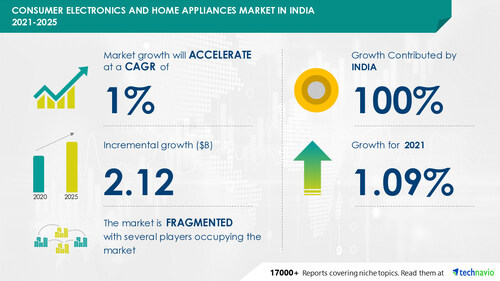
Credit: www.prnewswire.com
Market Size Snapshot
The consumer home electronic market is vast and continually growing. It includes a wide range of products used daily in homes worldwide. Understanding the market size helps businesses and consumers grasp its scale and trends.
Global Revenue Trends
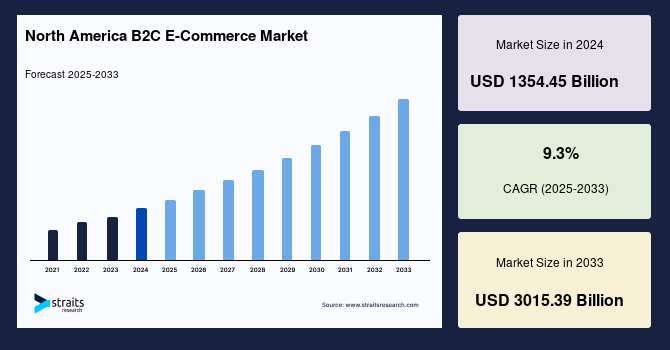
Global revenue from home electronics reached over $400 billion in recent years. The market shows steady growth, driven by new technology and increasing demand. Smart devices, TVs, and audio equipment lead the revenue charts. Sales tend to rise each year as more consumers adopt advanced electronics.
Key Regional Markets
Asia-Pacific dominates the home electronics market with the largest share. North America and Europe follow closely, showing strong demand. Emerging markets in Latin America and Africa are growing fast. Each region has unique consumer habits and product preferences. These differences influence the types of electronics sold.
Market Segmentation
The market divides into several segments based on product types:
- Televisions and display devices
- Smart home devices
- Audio and video equipment
- Home appliances with electronic components
Each segment contributes significantly to total market revenue. Smart home devices show the fastest growth among all segments. Consumers increasingly seek convenience and connectivity in their electronics.
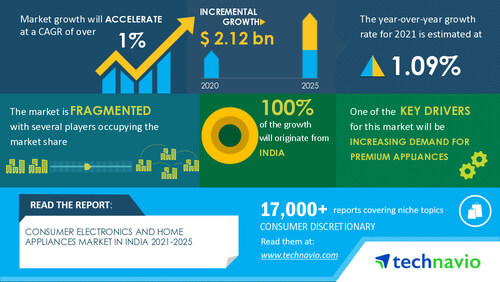
Credit: www.prnewswire.com
Growth Drivers
The consumer home electronic market is expanding rapidly, driven by several key factors that shape its growth. Understanding these growth drivers helps you see why demand keeps rising and what trends are shaping your buying choices. Let’s take a closer look at the main elements pushing this market forward.
Technological Innovations
New technology is constantly changing what home electronics can do. Smart devices, like voice-activated assistants and connected appliances, make life easier and more fun. You might have noticed how quickly smart TVs and home security systems have become household staples.
Advances in AI, better batteries, and improved connectivity also create fresh opportunities for products you didn’t even know you needed. These innovations encourage consumers to upgrade more often and explore new features, keeping the market lively and dynamic.
Consumer Behavior Shifts
People today want convenience and personalization in their electronics. You might find yourself choosing devices that sync with your smartphone or offer remote control features. This shift towards smarter, user-friendly products drives companies to meet evolving expectations.
Additionally, health and wellness trends influence buying habits. Wearable tech and fitness gadgets have seen a surge because more people focus on tracking their wellbeing. How often do you check your devices for updates on your own habits?
E-commerce Expansion
Shopping for electronics online has become the norm rather than the exception. E-commerce platforms offer a vast range of products at your fingertips, often with better prices and customer reviews to guide your decisions.
This easy access encourages impulse buys and helps small brands reach a wider audience. Have you noticed how quickly new gadgets appear on your favorite online stores? This growth in e-commerce fuels the entire home electronics market by connecting products and buyers like never before.
Emerging Product Categories
The consumer home electronic market is rapidly expanding, driven largely by emerging product categories that change how you live and interact with technology daily. These new gadgets do more than just add convenience—they transform your home into a connected, health-focused, and entertaining space. Understanding these categories can help you make smarter choices about what to bring into your home and how to maximize their benefits.
Smart Home Devices
Smart home devices are no longer a luxury; they are becoming essential. From smart thermostats that learn your schedule to security cameras you can monitor on your phone, these products offer control and peace of mind. Have you ever adjusted your home temperature from your office or checked if you locked the door without going back? That’s the power of smart devices enhancing your everyday life.
Popular items include:
- Voice-controlled assistants like Amazon Echo and Google Nest
- Smart lighting systems that adjust based on your mood or time of day
- Automated door locks and surveillance cameras
Wearables And Health Tech
Wearables and health tech are among the fastest-growing segments in consumer electronics. Devices like fitness trackers, smartwatches, and even advanced sleep monitors help you track your health in real-time. Imagine getting notified when your heart rate spikes or when it’s time to stand up after sitting too long—these insights push you toward healthier habits.
These devices often sync with your phone, making it easy to review data and set goals. Have you checked your step count today? These gadgets don’t just count steps; they motivate you to move more and live better.
Entertainment Electronics
Entertainment electronics continue to evolve, offering immersive experiences you can enjoy at home. Streaming devices, smart TVs, and wireless speakers have changed how you access and consume content. Think about how a smart TV with built-in apps lets you watch your favorite shows without switching devices or how wireless earbuds free you from tangled cords.
Here are some trends shaping this category:
- 4K and 8K resolution TVs for crystal-clear visuals
- Soundbars and home theater systems for enhanced audio
- Gaming consoles with VR capabilities for interactive entertainment
Are you fully using your entertainment devices, or just scratching the surface of what they can do?
Impact Of Covid-19
The COVID-19 pandemic changed the consumer home electronic market in many ways. It affected how products were made and sold worldwide. The pandemic created new challenges and shifted customer habits. These changes reshaped the market’s size and growth path.
Supply Chain Challenges
Shipping costs rose and delivery times increased. Some businesses had to find new suppliers or change their plans. These supply chain problems slowed market growth.
Changes In Demand Patterns
More people worked and studied from home. This raised the need for laptops, webcams, and headphones. Home entertainment devices also saw higher sales. Customers wanted better home office setups and smart home gadgets.
On the other hand, demand for travel-related electronics dropped. Sales of some luxury electronics slowed down. The overall market saw a shift in what customers bought. These changes affected how companies planned their products and marketing.
Competitive Landscape
The consumer home electronic market is vast and fast-moving. Many companies compete to offer the latest and best devices. This competition shapes the market’s growth and innovation. It also gives customers more choices and better prices.
Companies range from well-known giants to fresh startups. Each has a role in shaping product trends and technology. Understanding this landscape helps to see how the market evolves.
Leading Market Players
Big companies hold large shares of the home electronics market. They invest heavily in research and development. This leads to advanced products like smart TVs, home assistants, and connected appliances.
- Samsung
- Apple
- Sony
- LG Electronics
- Panasonic
These players focus on quality, innovation, and global reach. Their strong brand presence attracts many customers worldwide. They also set standards for product features and safety.
Startups And New Entrants
New companies bring fresh ideas and unique products. Startups often focus on niche markets or new technology. Examples include smart home security, energy-efficient devices, and wearable tech.
- Smart sensor makers
- Voice-controlled device developers
- Home automation startups
These entrants challenge established firms by offering innovative solutions. They help push the market toward more user-friendly and affordable options. Many startups grow quickly by meeting specific customer needs.
Future Market Projections
The future of the consumer home electronic market holds significant promise. Advances in technology and changing consumer habits will shape its growth. Many factors influence how this market will expand and evolve over the next years.
Growth Forecasts
Experts predict steady growth in the consumer home electronic market. The rise of smart homes and connected devices drives demand. Sales of products like smart speakers, home security systems, and smart appliances will increase.
Market value may reach hundreds of billions of dollars globally. Emerging markets will contribute to this expansion. Consumers seek convenience and energy efficiency, boosting product adoption.
Potential Market Disruptions
New technologies could change market dynamics quickly. Artificial intelligence integration may create smarter, more intuitive devices. Supply chain issues might slow growth temporarily.
Privacy concerns could affect consumer trust and product choices. Regulatory changes may also impact product design and sales. Companies must adapt to stay competitive and meet customer needs.

Credit: market.us
Frequently Asked Questions
How Large Is The Global Consumer Home Electronics Market?
The global consumer home electronics market is valued at hundreds of billions of dollars. It continues to grow due to rising demand for smart devices and home automation products worldwide.
What Factors Drive Consumer Home Electronics Market Growth?
Key growth drivers include technological advances, rising disposable incomes, and increased smart home adoption. Consumers seek convenience, connectivity, and energy efficiency in their electronics.
Which Regions Lead The Home Electronics Market?
North America, Asia-Pacific, and Europe are the largest markets. Asia-Pacific shows the fastest growth due to expanding middle-class populations and manufacturing hubs.
What Are The Top Product Categories In Home Electronics?
Popular categories include smart TVs, home audio systems, smart appliances, and security devices. These products dominate sales and innovation within the market.
Conclusion
The consumer home electronic market is vast and growing fast. More people buy smart devices every year. Technology shapes how we live and connect. This market impacts daily life worldwide. Understanding its size helps predict future trends. Demand for new gadgets stays strong.
Innovation drives companies to create better products. The market will keep expanding in the coming years. It plays a key role in modern homes. Watching this space offers insight into tech’s future.


