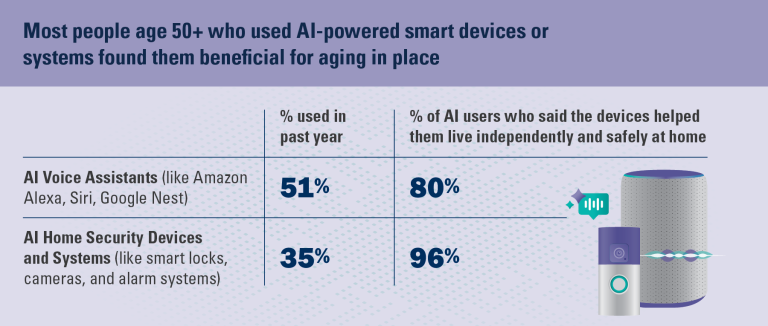
What are Smart Home Devices: Transform Your Living Space Today
Imagine stepping into your home after a long day, and with just a simple voice command or a tap on your smartphone, your lights dim, your favorite music plays, and the room temperature adjusts to your liking. Sounds appealing, right?
This is the magic of smart home devices. These innovative gadgets are designed to make your life more convenient, secure, and enjoyable. But what exactly are smart home devices, and how can they transform your daily routine? We’ll delve into the world of smart technology and uncover how these devices can simplify your life, enhance your comfort, and maybe even save you money.
Ready to discover how you can make your home smarter? Keep reading to find out more!
Smart Home Devices Explained
Smart home devices are transforming the way you interact with your living space. These gadgets connect to your internet and work together to make daily tasks easier, safer, and more efficient. Understanding what these devices are and how they function can help you decide which ones fit your lifestyle and needs.
Types Of Smart Devices
Smart home devices come in many forms, each designed to improve a specific aspect of your home life. Some popular types include:
- Smart Speakers:Devices like Amazon Echo or Google Nest that respond to voice commands and control other smart devices.
- Smart Thermostats:These adjust your home’s temperature automatically, saving energy and money.
- Security Cameras and Doorbells:Allow you to monitor your home remotely and communicate with visitors.
- Smart Lights:Control brightness and color from your phone or voice assistant to create the perfect ambiance.
- Smart Locks:Enhance security by letting you lock and unlock doors remotely.
Have you noticed how these devices can reduce the small daily hassles you didn’t even realize you had?
Core Technologies Behind Smart Homes
Smart devices rely on a few key technologies working together seamlessly. The backbone is usually Wi-Fi or Bluetooth, which connects devices to your home network and to each other.
Many devices use sensors to detect motion, temperature, or light, triggering actions like turning on lights or adjusting the thermostat. Voice recognition technology lets you control your home with simple commands, adding convenience.
Security protocols are crucial too, protecting your data and preventing unauthorized access. Without these technologies working in harmony, smart homes wouldn’t be as reliable or user-friendly as they are.
Benefits Of Smart Home Devices
Smart home devices offer a range of benefits that can transform how you live. They simplify everyday tasks, help save money, and keep your home safer. Understanding these benefits can help you decide which smart devices are worth adding to your space.
Convenience And Automation
Imagine controlling your lights, thermostat, and even your coffee maker with a simple voice command or a tap on your phone. Smart devices let you automate routine tasks, freeing up your time for more important things. You can create schedules, like having your lights turn on at sunset or your sprinkler system activate only when the soil is dry.
Have you ever forgotten to lock the door or turn off the oven? With smart locks and appliances, you can check and control them remotely, giving you peace of mind wherever you are.
Energy Efficiency
Smart thermostats and lighting systems adjust based on your habits and preferences, reducing unnecessary energy use. This not only lowers your bills but also reduces your environmental footprint.
For example, smart bulbs can dim or switch off automatically when no one is in the room. Over time, these small changes add up to significant savings and a more eco-friendly home.
Enhanced Security
Smart security cameras and doorbells let you monitor your home in real time from anywhere. You get instant alerts if unusual activity is detected, allowing you to act quickly.
Some devices even recognize familiar faces or sounds, reducing false alarms and making your home safer without hassle. Wouldn’t it be reassuring to know your home is protected 24/7, even when you’re away?
Popular Smart Home Gadgets
Popular smart home gadgets have transformed how you interact with your living space. These devices offer convenience, energy savings, and enhanced security, all controlled from your smartphone or voice commands. Understanding the most common gadgets can help you decide which ones fit your lifestyle and needs.
Smart Speakers And Assistants
Smart speakers like Amazon Echo and Google Nest have become household staples. They do more than play music—they answer questions, control other smart devices, and manage your daily tasks. Have you tried asking your speaker to turn off the lights or set a reminder while cooking?
Smart Lighting Systems
Smart lighting lets you adjust brightness and color with a tap or voice command. Philips Hue and LIFX bulbs are popular choices that save energy and create the perfect mood. Imagine waking up to soft light that gradually brightens—how would that change your mornings?
Smart Thermostats
Smart thermostats like Nest and Ecobee learn your schedule and adjust temperatures automatically. This saves money by reducing energy use when you’re away. Could your home be more comfortable and efficient without lifting a finger?
Home Security Devices
Smart security gadgets include cameras, doorbells, and sensors that keep you informed in real time. Ring and Arlo products provide live video feeds and alerts straight to your phone. How much peace of mind would you gain by watching over your home from anywhere?
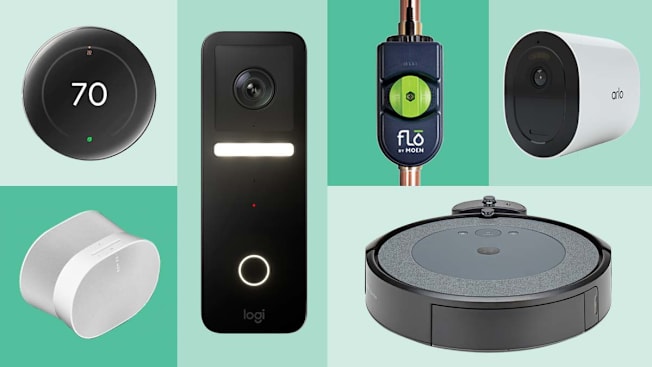
Credit: www.consumerreports.org
Setting Up Your Smart Home
Setting up your smart home can feel overwhelming at first. You want your devices to work smoothly together and make your daily life easier, not more complicated. The key lies in choosing the right devices, ensuring they play well with each other, and installing them correctly.
Choosing The Right Devices
Start by thinking about what you want your smart home to do for you. Do you want to control lighting, improve security, or manage energy use? Focus on devices that fit your lifestyle and budget.
Consider popular options like smart speakers, thermostats, cameras, and door locks. Reading user reviews and checking real-life performance helps avoid buying gadgets that look good but don’t deliver.
Ask yourself: Which device will solve my biggest daily hassle? This question narrows your choices and makes setup less confusing.
Integration And Compatibility
Smart devices work best when they communicate with each other. Check if your new gadgets support the same platforms or hubs, like Alexa, Google Home, or Apple HomeKit. Mixing incompatible systems can lead to frustrating glitches.
Look for devices that support common protocols such as Wi-Fi, Zigbee, or Z-Wave. This ensures smoother integration and allows you to control multiple devices from one app.
Have you ever tried controlling multiple apps for different devices? It’s exhausting. Picking compatible devices saves you from that hassle and creates a seamless experience.
Basic Installation Tips
Installation doesn’t have to be a headache. Most smart devices come with user-friendly apps that guide you through each step. Make sure your Wi-Fi signal is strong where you plan to place the device.
- Read the manual carefully but trust your app’s setup wizard.
- Place devices where they have clear access to power and signal.
- Test each device right after installation to catch any issues early.
I once set up smart bulbs only to realize my Wi-Fi was weak in that room. Moving the router slightly fixed the problem. Small adjustments like this can make a huge difference.
Challenges And Considerations
Smart home devices bring convenience but also present certain challenges. Understanding these issues helps users make better decisions. Some problems affect security, budget, and device performance. Awareness of these factors is essential for a smooth smart home experience.
Privacy And Security Risks
Smart devices collect personal data to work effectively. This data can be vulnerable to hackers if not protected well. Weak passwords and outdated software increase risk. Devices with microphones and cameras may record more than expected. Users should regularly update devices and use strong passwords. Choosing products from trusted brands can reduce threats.
Cost Factors
Smart home devices vary widely in price. Initial costs may seem low but add up with multiple products. Some devices require subscriptions for full features, increasing expenses. Installation and setup may need extra investment. Users must consider long-term costs, including energy use and upgrades. Budgeting carefully avoids surprises later.
Technical Issues And Maintenance
Smart devices rely on internet connections to function. Poor Wi-Fi or network problems cause interruptions. Software bugs can lead to malfunctions or slow responses. Devices need regular updates to fix issues and improve security. Some products may stop receiving updates over time. Users should be ready for occasional troubleshooting and maintenance tasks.

Credit: www.youtube.com
Future Trends In Smart Homes
The future of smart homes is shaping up to be more intuitive, connected, and personalized than ever before. As technology advances, your home will not just respond to commands but anticipate your needs. This evolution promises convenience and efficiency that many of us haven’t yet imagined.
Ai And Machine Learning
Smart home devices are starting to learn your habits and preferences through AI and machine learning. This means your thermostat can adjust temperatures based on your daily routine without any input from you. Imagine your lights dimming automatically when you’re winding down for the night or your fridge suggesting recipes based on what’s inside.
Have you noticed how some devices already seem to “know” what you want? This trend will only grow, making your home feel more like a helpful companion than just a set of gadgets.
Voice Control Advances
Voice control is becoming more natural and accurate. Devices will understand complex commands and even detect the mood in your voice. This means you could ask your assistant to set a relaxing atmosphere without specifying every detail.
Think about how many times you’ve used voice commands for simple tasks. Soon, you’ll be able to manage multiple devices with a single sentence, saving you time and effort.
Smart Home Ecosystem Growth
The number of smart devices you can connect is expanding rapidly. More brands and products are working together, creating a seamless ecosystem. This means your security cameras, lights, speakers, and appliances can all communicate and coordinate without extra setup.
Have you ever wished your devices could “talk” to each other? The future will make this a reality, giving you a unified system that adapts to your lifestyle effortlessly.

Credit: www.vesternet.com
Frequently Asked Questions
What Are Smart Home Devices Used For?
Smart home devices automate daily tasks, improve security, and enhance convenience. They control lighting, temperature, and appliances remotely. These devices also help save energy and increase home safety through real-time monitoring.
How Do Smart Home Devices Connect To Each Other?
Smart home devices connect via Wi-Fi, Bluetooth, or Zigbee protocols. They communicate through a central hub or smartphone app. This connectivity allows seamless control and automation across multiple devices in a home ecosystem.
Are Smart Home Devices Secure To Use?
Most smart home devices use encryption and secure authentication to protect data. However, security depends on regular software updates and strong passwords. Choosing reputable brands and secure networks enhances device safety.
Can Smart Home Devices Save Energy And Money?
Yes, smart home devices optimize energy use by adjusting settings automatically. They reduce electricity waste by managing lighting and heating efficiently. This leads to lower utility bills and a smaller carbon footprint.
Conclusion
Smart home devices make life easier and more comfortable. They help control lights, temperature, and security with ease. Many devices work together to save energy and time. Technology keeps improving, making homes smarter every day. Choosing the right devices fits your needs and budget.
Start small and add more as you learn. Smart homes bring convenience without extra effort. A simple step toward a modern lifestyle.