
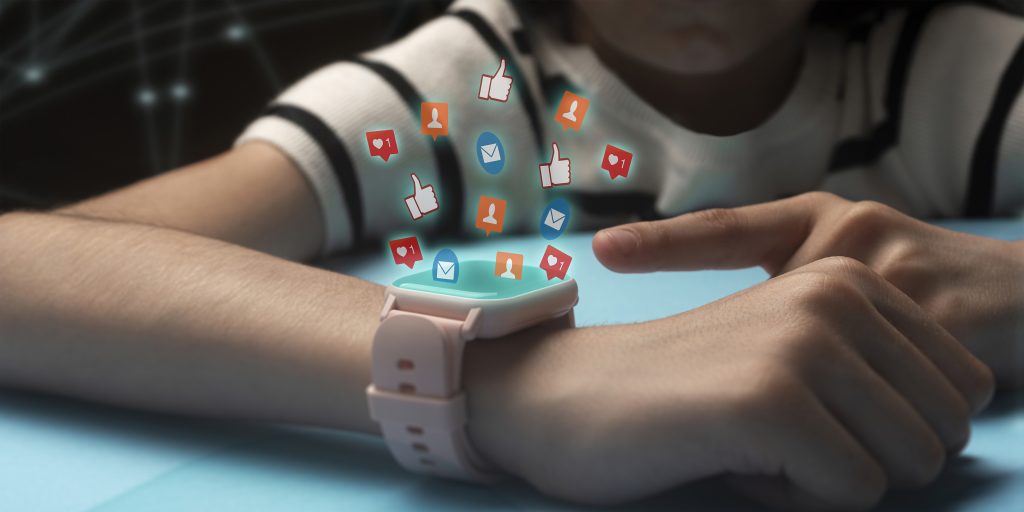
You might think wearable technology is all about convenience and health tracking. But have you ever stopped to consider what it’s really doing to you?
What if these gadgets are quietly harming your focus, privacy, or even your well-being? You’ll discover surprising reasons why wearing technology on your body might not be as harmless as it seems. Keep reading to find out what you need to watch out for before you strap on that device again.
Radiation Exposure Concerns
Radiation exposure from wearable technology is a growing concern for many users. These devices stay close to your body for hours, often all day, raising questions about the type and amount of radiation you absorb. Understanding the risks can help you make safer choices about using these gadgets.
Types Of Radiation Emitted
Wearable devices primarily emit non-ionizing radiation, which is a low-energy type of radiation. This includes radiofrequency (RF) waves used for Bluetooth, Wi-Fi, and cellular connections. Although non-ionizing radiation is generally considered less harmful than ionizing radiation, constant exposure from devices worn on the body is still under scrutiny.
Some wearables also emit extremely low frequency (ELF) electromagnetic fields due to their electronic components. You might not feel anything, but your cells could be reacting to this invisible energy. Have you ever wondered if your smartwatch or fitness tracker is silently impacting your health?
Potential Long-term Effects
Research on the long-term effects of wearable radiation is still emerging, but some studies suggest possible risks. Prolonged exposure to RF waves might increase the risk of tissue heating and cellular stress. This could potentially lead to issues like headaches, sleep disturbances, and even impacts on brain function.
Some people report feeling discomfort or skin irritation after wearing devices for extended periods. While the exact cause isn’t always clear, radiation exposure is a factor to consider. Would you be willing to limit your wearable use if it meant reducing these risks?
Taking practical steps, like removing your device at night or using airplane mode when possible, can lower your radiation exposure. Being informed helps you protect your health without giving up the convenience of wearable technology.
Skin Irritation And Allergies
Wearable technology often stays in close contact with the skin for hours. This constant contact can cause skin irritation and allergic reactions. Many users experience redness, itching, or even rashes after using these devices. Understanding the causes helps in choosing better options or taking precautions.
Common Skin Reactions
Skin reactions from wearables vary in severity and type. The most common ones include:
- Redness around the area where the device sits
- Itching or burning sensations
- Dry or flaky skin
- Rashes or small bumps
- Swelling in some cases
These symptoms usually appear after long use or sweating under the device. Some people may develop contact dermatitis, a skin condition caused by irritation.
Materials Causing Allergies
Wearable devices use various materials that can trigger allergies. Common allergens include:
- Nickel, often found in metal clasps or frames
- Rubber or latex in bands and seals
- Plastic components that contain chemicals
- Adhesives used in some devices
- Silicone bands with additives
People with sensitive skin should check the materials before buying. Choosing devices labeled hypoallergenic can reduce risks.
Sleep Disruption Issues
Wearing technology on your wrist or body might seem harmless, but it can seriously affect how well you sleep. Sleep disruption issues linked to wearable devices are more common than you might think. Understanding these problems can help you make smarter choices about using your gadgets at night.
Impact Of Blue Light
Many wearable devices emit blue light, which tricks your brain into thinking it’s still daytime. This suppresses melatonin, the hormone that controls your sleep-wake cycle. You might find it harder to fall asleep or wake up feeling tired, even after what should be a full night’s rest.
If you’ve ever stared at a screen before bed and struggled to nod off, you know how powerful this effect can be. Wearing a device that shines blue light close to your skin all night can be even more disruptive. Have you noticed feeling restless or less refreshed after nights with your wearable on?
Sleep Pattern Interference
Wearables track your sleep stages, but this constant monitoring can backfire. The vibrations or notifications they send may wake you up without you realizing it. Even subtle disturbances can break your deep sleep cycles, leaving you less rested.
Some users report feeling anxious about their sleep data, which ironically worsens their sleep quality. Instead of helping, the device turns into a stressor that keeps your mind active when it should be winding down. How often do you check your sleep stats and end up lying awake thinking about the numbers?

Credit: pubs.acs.org
Mental Health Implications
Wearable technology affects more than just our bodies. It deeply impacts our minds. These devices track every move, heart rate, and sleep cycle. This constant data flow can create mental health challenges.
Many users feel pressure to meet fitness goals. This pressure often leads to stress and anxiety. The feeling of being watched all the time can wear on the mind. Privacy worries also add to the mental burden.
Anxiety From Constant Monitoring
Wearing devices that track health can cause anxiety. People may feel judged by their own data. The need to constantly improve numbers becomes stressful. This stress can harm overall well-being. Anxiety grows when users focus too much on metrics.
Some users develop fear of missing goals. This fear disrupts daily peace and relaxation. Instead of helping, the device may increase worry. The mental toll from constant monitoring is real.
Privacy And Stress Concerns
Wearables collect a lot of personal information. Users worry about who sees their data. Fear of data breaches causes stress. These privacy concerns can lead to sleepless nights.
The idea that someone else watches personal health is unsettling. Stress from privacy issues affects mood and focus. Trust in the technology decreases. This creates a cycle of stress and doubt.
Data Privacy And Security Risks
Wearable technology collects a vast amount of personal information, making data privacy and security major concerns. These devices continuously track your location, health stats, and daily habits. But have you ever wondered how safely your data is stored or who can access it?
Personal Data Vulnerabilities
Your wearable device gathers sensitive data like heart rate, sleep patterns, and even your exact location. If this information isn’t properly protected, it becomes an easy target for hackers. Many devices lack strong encryption, leaving your personal details exposed.
Sometimes, apps connected to wearables request permissions that go beyond what’s necessary. This overreach increases the chances of your data being shared with third parties without your clear consent. Imagine your health data ending up in the hands of advertisers or insurance companies without your knowledge.
Consequences Of Data Breaches
A data breach involving wearable tech can lead to serious problems. Identity theft is a major risk—hackers can piece together enough information to impersonate you. This might affect your finances, personal reputation, and even your safety.
Think about how a stolen location history could put you at risk. Burglars could learn your daily routine and know exactly when your home is empty. Are you comfortable with strangers having that kind of insight into your life?
Data breaches can also erode your trust in technology. If you feel your privacy isn’t respected, you might stop using devices that could otherwise improve your health or productivity. Isn’t protecting your personal information worth questioning the convenience these gadgets offer?
Credit: unboxed.co
Dependency And Over-reliance
Wearable technology offers convenience and real-time data, but it can also lead to dependency and over-reliance. This reliance may subtly reduce your ability to listen to your own body and make independent health decisions. Have you ever noticed how often you check your device instead of trusting how you feel?
Reduced Physical Activity
When you depend too much on wearable tech, physical activity can actually decline. Devices often set rigid goals that might not suit your daily mood or energy levels. You might push yourself less because the tracker says you’ve done “enough,” even if your body craves more movement.
On the other hand, some people become discouraged when they don’t hit their daily targets and end up skipping exercise altogether. Your body doesn’t function like a machine with fixed limits; it needs flexibility. How often do you ignore what your body truly needs because the device dictates your routine?
Loss Of Natural Body Awareness
Relying heavily on wearable technology can dull your natural sense of body signals. Instead of tuning into hunger, fatigue, or stress, you might wait for your device to alert you. This disconnect can make you less capable of managing your health intuitively.
Imagine ignoring simple feelings like thirst because your watch hasn’t reminded you to hydrate. Over time, this can erode your ability to self-regulate and respond to your body’s needs promptly. Are you still in touch with your body, or has technology taken over that role?
Battery And Chemical Exposure
Battery and chemical exposure is a serious concern when it comes to wearable technology. These devices rely on compact batteries and contain various materials that can pose health risks if they malfunction or degrade. Understanding these dangers can help you make safer choices about the gadgets you wear daily.
Battery Leakage Dangers
Batteries in wearables are designed to be safe, but they can leak harmful chemicals if damaged or overused. A leaking battery can release corrosive substances that irritate your skin or cause burns. Imagine wearing a fitness tracker all day and suddenly feeling a burning sensation—this could be due to battery leakage.
Moreover, battery leakage isn’t just a skin issue. The chemicals can also damage the device, making it unsafe or unusable. You should regularly check your wearable for swelling, overheating, or unusual smells, as these are signs of battery problems.
Toxic Materials In Devices
Wearable devices often contain metals like lead, cadmium, and mercury, which are toxic if they enter your body. These materials are used in small amounts but can be hazardous if the device breaks or if you are exposed to them over a long period.
For example, the circuit boards inside your smartwatch or fitness band may contain these toxic elements. If the device is not properly recycled or disposed of, these chemicals can leak into the environment, posing risks to you and others.
Ask yourself: Are you aware of what’s inside the gadget you wear every day? Taking time to research and choose devices with safer materials can reduce your exposure to harmful chemicals.

Credit: www.happiestminds.com
Frequently Asked Questions
What Are The Health Risks Of Wearable Technology?
Wearable devices can expose users to prolonged electromagnetic radiation. This may cause headaches, skin irritation, and sleep disturbances. Continuous use can also lead to eye strain and stress. Awareness of these risks helps users make informed decisions about device usage.
How Does Wearable Technology Affect Privacy?
Wearables collect sensitive personal data like location and health metrics. This data can be vulnerable to hacking or misuse. Users risk losing control over their private information. Strong privacy policies and secure devices are essential to protect user data.
Can Wearable Devices Cause Addiction Or Dependency?
Yes, constant notifications and tracking can create psychological dependency. Users may feel compelled to check devices frequently. This can reduce real-world social interactions and increase stress. Moderation and mindful usage are key to preventing addiction.
Why Do Wearable Gadgets Drain Battery Quickly?
Wearables run multiple sensors and apps simultaneously. This constant activity consumes significant power. Frequent charging interrupts user convenience and device reliability. Efficient battery management and optimized software can help extend battery life.
Conclusion
Wearable technology may seem helpful but has clear downsides. It can distract you from real life and cause stress. Constant data tracking may invade your privacy. Some devices also affect your health or sleep. Think carefully before using these gadgets every day.
Balance is key to staying safe and happy. Technology should serve you, not control you. Choose wisely and protect your well-being.


