What are Centralized Maintenance Tools And Polling Systems: Ultimate Guide
Have you ever wondered how large companies keep their machines and systems running smoothly without constant headaches? The secret often lies in centralized maintenance tools and polling systems.
These powerful solutions help you monitor, manage, and fix equipment from one place, saving time and cutting costs. If you want to understand how these tools can make your work easier and your operations more efficient, keep reading. This article will break down what centralized maintenance tools and polling systems are—and why they matter to you.
Credit: connecteam.com
Centralized Maintenance Tools
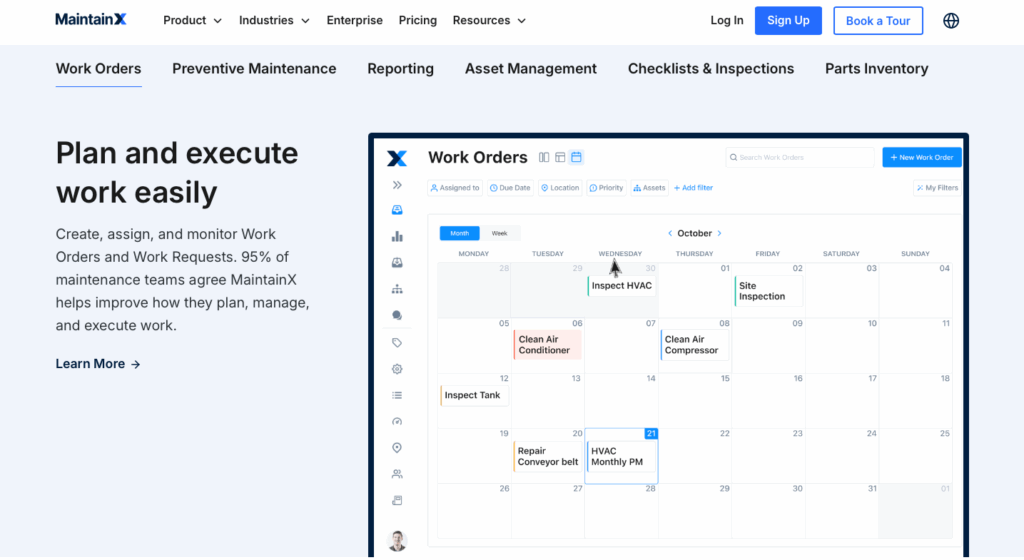
Centralized maintenance tools streamline how organizations manage their equipment and systems. Instead of juggling multiple platforms, these tools bring everything into one place, making monitoring and repairs more efficient. This central hub helps teams stay organized and respond faster to issues, saving time and reducing downtime.
Benefits Of Centralization
Having a single system to handle all maintenance tasks means less confusion and fewer errors. You get a clear overview of all equipment status, maintenance schedules, and work orders in one dashboard.
This setup boosts communication among teams and improves accountability. When everyone accesses the same data, collaboration becomes smoother and decision-making faster.
Key Features To Look For
- Real-time monitoring:Track equipment health instantly to catch problems early.
- Automated alerts:Receive notifications for upcoming maintenance or faults without manual checks.
- Work order management:Create, assign, and track maintenance tasks easily.
- Reporting tools:Analyze trends and performance to improve future maintenance plans.
- Integration capability:Connect with other business systems like inventory or purchasing for smoother workflows.
Popular Tools In The Market
Several platforms stand out for their centralized maintenance features. Tools like Fiixand UpKeepare user-friendly and suitable for small to medium businesses.
For larger enterprises, IBM Maximoand Infor EAMoffer robust features and scalability. Choosing the right tool depends on your specific needs and budget.
Implementation Challenges
Switching to a centralized system can disrupt existing workflows. Teams may resist change if the new tools feel complex or unfamiliar.
Data migration also poses risks; inaccurate or incomplete data can lead to poor decisions. Proper training and phased rollouts help ease these issues and ensure smoother adoption.
Credit: www.nimbleappgenie.com
Polling Systems Explained
Polling systems play a crucial role in centralized maintenance tools by regularly checking the status of devices or systems. They act as the eyes and ears that gather data and ensure everything runs smoothly. Understanding how polling systems work can help you optimize your maintenance strategy effectively.
Purpose And Functionality
Polling systems repeatedly send requests to devices or software components to collect status updates or performance data. This continuous communication helps detect issues early, allowing you to address them before they escalate.
They work by querying each device at set intervals, which can be adjusted based on your needs. This process ensures you have real-time or near-real-time information, keeping your network or infrastructure transparent and manageable.
Types Of Polling Systems
- Simple Polling:Checks devices one at a time in a fixed sequence. It’s easy to set up but might be slower for large networks.
- Parallel Polling:Sends requests to multiple devices simultaneously, speeding up data collection but requiring more system resources.
- Event-Driven Polling:Polls devices only when specific events or triggers occur, reducing unnecessary data checks.
- Adaptive Polling:Adjusts polling frequency based on device performance or network conditions, optimizing resource use.
Advantages Of Using Polling
- Proactive Monitoring:You catch problems early, preventing downtime.
- Centralized Control:Manage multiple devices or systems from one place, saving time and effort.
- Data Consistency:Regular updates provide accurate insights for decision-making.
- Scalability:Polling systems can handle growing networks without losing efficiency.
Common Use Cases
Polling systems are widely used in IT infrastructure management, where they monitor servers, routers, and switches. They also play a key role in industrial automation by checking the status of machinery and equipment.
In smart buildings, polling helps maintain HVAC systems and lighting controls. Have you noticed how your office’s temperature and lighting seem perfectly timed? Polling systems are often behind that seamless experience.
Integration Of Tools And Systems
Integrating centralized maintenance tools and polling systems helps businesses manage their operations efficiently. Combining these systems allows seamless communication between different software and hardware. This integration reduces errors and saves time by automating many routine tasks.
Proper integration supports better decision-making and faster problem resolution. It creates a unified platform where all maintenance activities and data are accessible in one place. This section explores key aspects of integrating tools and systems for maintenance management.
Ensuring Compatibility
Compatibility is crucial when connecting different tools and systems. Each system may use unique protocols or formats. Ensuring they can work together avoids conflicts and data loss.
Choose systems with open standards or APIs. This makes integration smoother and future upgrades easier. Test connections before full deployment to confirm stable communication.
Data Sharing And Synchronization
Data sharing allows systems to exchange important information in real time. Synchronization keeps data consistent across all platforms. This prevents mistakes caused by outdated or incorrect data.
Use centralized databases to store shared data. Schedule regular synchronization intervals to keep systems updated. Secure data transfers with encryption to protect sensitive information.
Streamlining Operations
Integration streamlines maintenance by automating workflows and alerts. It reduces manual data entry and repetitive tasks. Staff can focus on critical issues instead of routine checks.
Automated reports help managers monitor equipment health and maintenance schedules. Alerts notify teams about upcoming tasks or failures. This leads to faster responses and less downtime.
Future Trends In Maintenance And Polling
The future of centralized maintenance tools and polling systems is shaping up to be dynamic and full of potential. As technology evolves, so do the ways you can monitor, maintain, and optimize your equipment and networks. Understanding the trends can help you stay ahead and make smarter decisions about the tools you use every day.
Technological Advancements
New technologies are pushing maintenance tools beyond simple monitoring. Sensors are becoming more precise and cheaper, allowing for more detailed data collection in real time.
Edge computing is growing, which means data processing happens closer to the equipment. This reduces delays and helps you react faster to issues.
Better connectivity, like 5G networks, enables more devices to be linked for polling without lag. This means your maintenance systems can cover larger areas more efficiently.
Impact Of Ai And Automation
AI is no longer just a buzzword; it’s actively improving maintenance and polling. Predictive analytics can forecast failures before they happen, saving you time and money.
Automation reduces the need for manual checks by handling routine tasks like data collection and alerts. This frees you to focus on more complex problems.
Imagine a system that not only detects a problem but also suggests the best fix based on past data. This can make your maintenance smarter and quicker.
Emerging Market Opportunities
Industries like manufacturing, utilities, and transportation are adopting centralized maintenance tools rapidly. This creates opportunities for new products and services tailored to specific needs.
Small and medium businesses now have access to tools that were once only affordable for large enterprises. This levels the playing field and encourages innovation.
Are you ready to explore niches where your maintenance strategy can grow? Keep an eye on sectors like renewable energy and smart cities—they are hungry for efficient polling and maintenance solutions.

Credit: www.extnoc.com
Frequently Asked Questions
What Are Centralized Maintenance Tools?
Centralized maintenance tools manage and monitor equipment from a single location. They improve efficiency by consolidating tasks and reducing downtime. These tools streamline maintenance processes and ensure consistent system performance across an organization’s infrastructure.
How Do Polling Systems Work In Maintenance?
Polling systems gather data by regularly checking equipment status remotely. They collect real-time information, enabling proactive maintenance and quick issue detection. This approach minimizes unexpected failures and supports timely decision-making.
Why Use Centralized Tools For Maintenance Management?
Centralized tools enhance maintenance coordination and simplify data access. They reduce operational costs by preventing redundant tasks and improve communication between teams. This leads to faster problem resolution and optimized resource allocation.
What Benefits Do Polling Systems Offer?
Polling systems provide continuous equipment monitoring and early fault detection. They help schedule maintenance based on actual needs, reducing unnecessary servicing. This improves asset lifespan and operational reliability.
Conclusion
Centralized maintenance tools and polling systems help manage tasks easily. They save time by collecting data from many devices at once. These tools improve system monitoring and reduce errors. Businesses can keep machines working well without much hassle. Using them leads to better control and fewer surprises.
Simple, clear, and efficient—these systems support smooth operations every day. Understanding their role can help you manage technology smarter and faster.