
Are you curious about the kinds of jobs you can land with skills in Industrial Mechanics and Maintenance Technology? Whether you’re exploring career options or planning your next move, understanding the opportunities this field offers can make all the difference.
Imagine having the power to keep machines running smoothly, solve complex mechanical problems, and play a key role in industries that shape our daily lives. You’ll discover the top job roles available, what employers are looking for, and how your skills can open doors to a rewarding career.
Ready to see where your talents can take you? Keep reading to find out.
Credit: www.betterteam.com
Industrial Mechanic
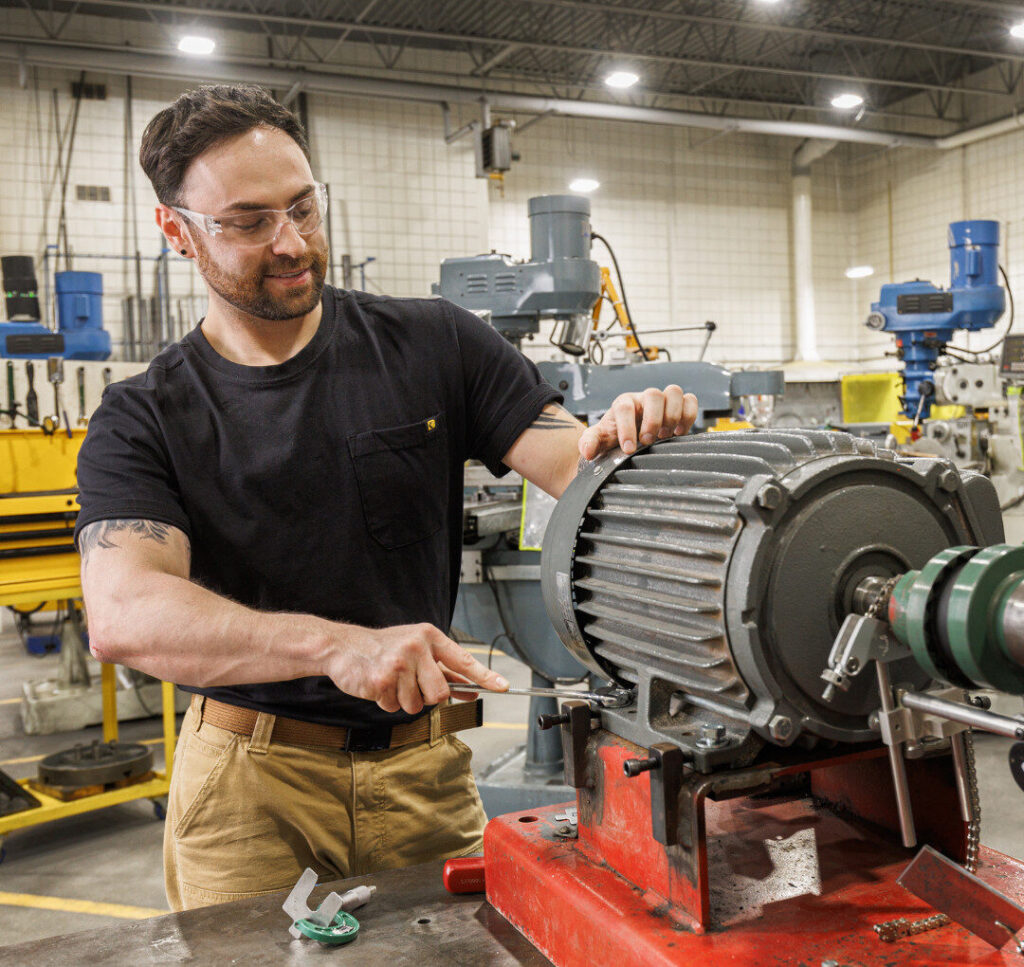
An industrial mechanic plays a vital role in many industries. These skilled workers maintain, repair, and install machinery. They keep factories and plants running smoothly. Their work prevents costly breakdowns and production delays.
Industrial mechanics use tools and technology to fix machines. They read blueprints and manuals to understand equipment. Troubleshooting problems is a daily task. They work with machines like conveyors, pumps, and motors.
The job requires hands-on skills and technical knowledge. Safety is a top priority in all tasks. Industrial mechanics often work in teams or independently. They must adapt to different machines and environments.
Key Responsibilities Of An Industrial Mechanic
- Inspect machinery to find issues early
- Repair or replace broken parts
- Install new equipment and test it
- Perform regular maintenance to avoid breakdowns
- Read technical drawings and manuals
- Use hand and power tools safely
- Work with electric and hydraulic systems
Work Environments For Industrial Mechanics
Industrial mechanics work in various settings. Factories and manufacturing plants are common locations. They also work in power plants and refineries. Some work outdoors or in confined spaces. Work hours may include shifts or overtime.
Skills Needed To Succeed As An Industrial Mechanic
- Mechanical and electrical knowledge
- Problem-solving and critical thinking
- Good hand-eye coordination
- Ability to read technical documents
- Physical stamina and strength
- Attention to detail
- Teamwork and communication skills
Maintenance Technician
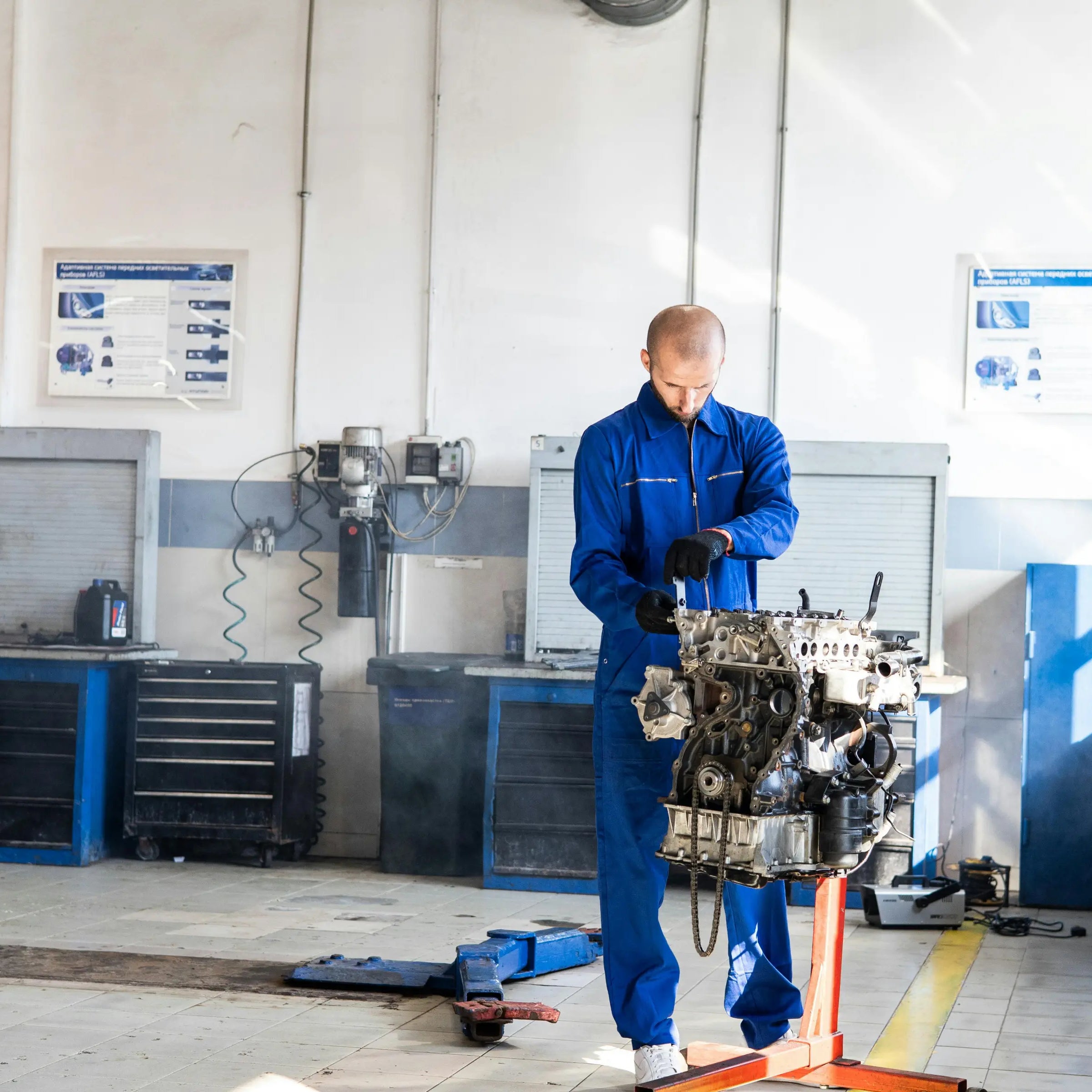
As a Maintenance Technician, you become the backbone of any industrial operation. Your role is to keep machines running smoothly and prevent costly downtime. This job offers hands-on work with a variety of equipment, from conveyors to complex machinery.
Daily Responsibilities
Your day will often start with inspecting equipment to spot any early signs of trouble. You’ll perform routine maintenance tasks like lubricating parts, replacing worn components, and calibrating machines to ensure they operate at peak performance.
When a machine breaks down unexpectedly, you’re the go-to person to quickly diagnose and fix the issue. This means you need to understand mechanical, electrical, and hydraulic systems well enough to troubleshoot efficiently.
Skills You’ll Use
- Mechanical skills:Understanding how machines work and how to fix them.
- Problem-solving:Finding the root cause of issues fast to minimize downtime.
- Technical knowledge:Reading blueprints, wiring diagrams, and manuals.
- Safety awareness:Working safely around heavy machinery and hazardous environments.
Work Environment
Maintenance Technicians work in factories, plants, or warehouses. The environment can be noisy and sometimes requires working in tight spaces or at heights. You might work regular hours or take shifts, including nights and weekends.
Are you comfortable with hands-on tasks and staying alert to avoid accidents? If so, this role fits well with those traits.
Career Growth Opportunities
Starting as a Maintenance Technician can lead to roles like Maintenance Supervisor or Reliability Engineer. Many companies value experience highly, so your practical skills can open doors to leadership positions.
Learning new technologies, such as automation and robotics, will keep you in demand and help you advance faster.
Machinery Maintenance Worker
A Machinery Maintenance Worker plays a key role in keeping machines running smoothly. These workers repair and service industrial equipment. Their work prevents costly breakdowns and production delays.
They inspect machinery regularly to spot problems early. This job needs strong technical skills and attention to detail. Machinery Maintenance Workers often work in factories, plants, and construction sites.
Daily Responsibilities Of A Machinery Maintenance Worker
- Inspecting machines for wear and tear
- Lubricating parts to reduce friction
- Replacing broken or worn components
- Testing equipment after repairs
- Following safety standards strictly
Skills Needed For Machinery Maintenance Workers
- Basic mechanical knowledge
- Ability to read technical manuals
- Problem-solving skills
- Use of hand and power tools
- Good communication with team members
Work Environment And Schedule
Machinery Maintenance Workers usually work indoors in noisy settings. The job may require standing for long hours. Some shifts include nights or weekends. Safety gear like gloves and helmets is mandatory.
Career Growth For Machinery Maintenance Workers
With experience, workers can advance to supervisor roles. They may also specialize in certain machines or systems. Certifications improve job prospects and pay. Training helps them stay updated with new technology.
Credit: mitt.ca
Millwright
The role of a millwright is crucial in industries that rely on heavy machinery and complex mechanical systems. As a millwright, you install, maintain, and repair industrial machines, ensuring they operate smoothly and efficiently. If you enjoy hands-on work and problem-solving, this job can be a rewarding path within industrial mechanics and maintenance technology.
What Does A Millwright Do?
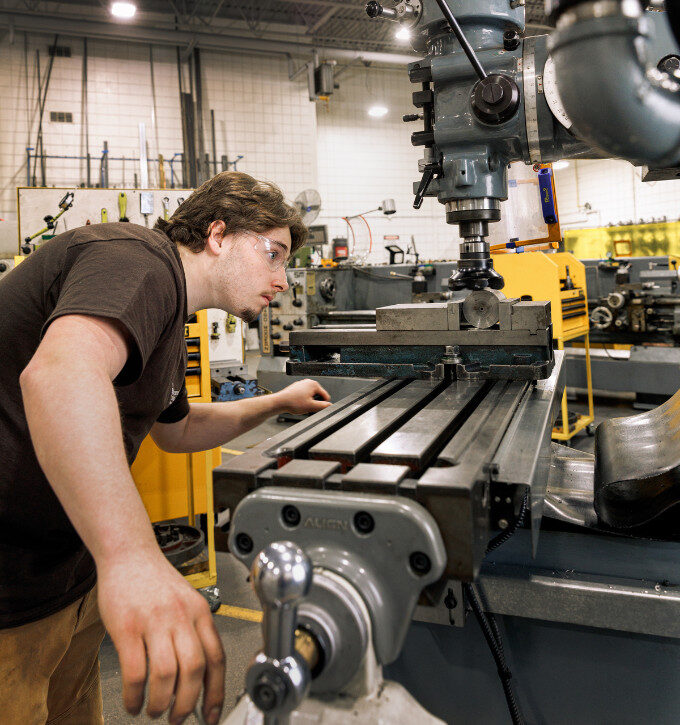
Millwrights assemble and set up machines according to blueprints and technical diagrams. They align and install mechanical parts with precision, using tools like lasers and micrometers. Their work often involves welding, cutting, and grinding to fit components perfectly.
Maintenance is another big part of the job. Millwrights diagnose issues, replace worn parts, and perform preventive checks to avoid breakdowns. You get to work with a variety of equipment, from conveyor belts to hydraulic systems, which keeps the daily routine interesting and varied.
Where Can You Work As A Millwright?
Millwrights find opportunities in many sectors, including manufacturing plants, power generation facilities, and steel mills. Construction sites and shipyards also need skilled millwrights to set up new machinery or maintain existing systems.
If you like travel, some millwright jobs involve moving between different locations or working on large projects worldwide. This variety can be a big plus if you want to avoid a desk job or a fixed workspace.
Skills That Make A Millwright Successful
- Mechanical aptitude:You must understand how machines work and how parts fit together.
- Problem-solving:Quick thinking helps you fix unexpected breakdowns efficiently.
- Physical strength and stamina:The job often requires lifting heavy parts and standing for long periods.
- Attention to detail:Precision is key to ensuring machinery runs safely and reliably.
Have you thought about how your current skills could transfer to this role? Sometimes, small improvements in reading technical drawings or learning welding can open doors to millwright positions.
Career Growth And Earnings Potential
Millwrights who gain experience and certifications can advance to supervisory roles or specialize in areas like robotics or automation. These roles usually come with higher pay and more responsibilities.
On average, millwrights earn competitive wages that reflect their skill level and the critical nature of their work. If you enjoy fixing things and working with your hands, this career can be both financially and personally satisfying.
Industrial Machinery Mechanic
Industrial Machinery Mechanics play a vital role in keeping factories and plants running smoothly. They repair and maintain machines that produce goods. Their work helps prevent costly breakdowns and delays. These mechanics use tools and technology to fix mechanical problems quickly and efficiently.
They work with various machines like conveyor belts, pumps, and turbines. Troubleshooting skills are essential to identify issues fast. Regular maintenance ensures machines operate safely and effectively. This job requires hands-on skills and a strong understanding of mechanical systems.
Daily Responsibilities Of An Industrial Machinery Mechanic
- Inspect machines for wear and tear
- Repair or replace faulty parts
- Lubricate moving parts to reduce friction
- Test machines to ensure proper function
- Read technical manuals and blueprints
- Use tools like wrenches, gauges, and diagnostic equipment
Skills And Qualifications Needed
- Strong mechanical and technical knowledge
- Ability to read and interpret blueprints
- Good problem-solving skills
- Attention to detail
- Physical stamina and manual dexterity
- Training in industrial maintenance technology or related fields
Work Environment And Conditions
These mechanics often work in noisy and sometimes dirty settings. They may need to lift heavy parts or work in tight spaces. Safety gear is crucial to protect against injuries. Shifts can vary, including nights and weekends. The job demands focus and physical effort.
Field Service Technician
Becoming a Field Service Technician offers a dynamic career path within Industrial Mechanics and Maintenance Technology. This role puts you on the front lines, fixing and maintaining equipment directly at client sites. You get to solve real-world problems, often under time pressure, which keeps the work engaging and varied.
What Does A Field Service Technician Do?
Field Service Technicians travel to different locations to install, repair, and maintain industrial machinery and systems. You work hands-on with tools and technology, diagnosing issues and ensuring equipment runs smoothly. This job requires strong mechanical skills and the ability to troubleshoot quickly.
Skills You Need To Succeed
- Technical know-how:Understanding complex machinery and electronics is essential.
- Problem-solving:You must identify issues fast and decide the best fix.
- Communication:Explaining repairs clearly to clients helps build trust.
- Adaptability:Every site and machine can be different, so you need to adjust quickly.
Typical Work Environment
You won’t be stuck in one place. Your workday might start in a factory and end at a construction site. This variety keeps the job interesting but demands flexibility and readiness for physical work.
Why Choose This Career?
Do you enjoy hands-on work and solving puzzles? Being a Field Service Technician lets you see immediate results from your efforts. It’s a chance to build valuable skills that are in demand across many industries.
Equipment Maintenance Engineer
An Equipment Maintenance Engineer plays a vital role in industries. They ensure machines and equipment work efficiently. These engineers prevent breakdowns and reduce downtime. Their work keeps production lines running smoothly. They combine technical knowledge with problem-solving skills. This job suits those with a background in industrial mechanics and maintenance technology.
Key Responsibilities Of An Equipment Maintenance Engineer
- Inspecting equipment regularly to detect issues early
- Planning and performing routine maintenance tasks
- Repairing or replacing faulty machine parts
- Improving equipment performance and safety
- Documenting maintenance activities and reports
- Collaborating with production and safety teams
Skills Needed For Success
- Strong mechanical and electrical knowledge
- Ability to read technical drawings and manuals
- Problem-solving and critical thinking skills
- Good communication and teamwork
- Attention to detail and safety awareness
- Basic computer skills for maintenance software
Industries Employing Equipment Maintenance Engineers
- Manufacturing plants
- Automotive factories
- Energy and power generation
- Food and beverage production
- Pharmaceutical companies
- Mining and heavy machinery
Credit: www.advancedtech.com
Facilities Maintenance Manager
A Facilities Maintenance Manager plays a crucial role in keeping buildings and equipment running smoothly. With a background in Industrial Mechanics and Maintenance Technology, you gain the technical skills needed to oversee maintenance teams and manage repair projects efficiently.
This job puts you in charge of scheduling maintenance, ensuring safety standards, and minimizing downtime. Imagine being the go-to person who prevents costly breakdowns and extends the life of machinery. Wouldn’t it feel rewarding to know your work directly impacts the success of a company?
Key Responsibilities Of A Facilities Maintenance Manager
- Supervising maintenance staff and contractors
- Planning and scheduling preventive maintenance
- Managing budgets for repairs and equipment upgrades
- Ensuring compliance with safety and environmental regulations
- Coordinating with other departments to support operational needs
Taking on these tasks requires both technical knowledge and leadership skills. If you enjoy solving problems and organizing teams, this role fits well.
Skills You Need To Succeed
- Strong mechanical and electrical troubleshooting abilities
- Knowledge of building systems like HVAC, plumbing, and electrical
- Effective communication and team management
- Budgeting and resource allocation
- Proficiency with maintenance management software
Many successful Facilities Maintenance Managers started as technicians. This hands-on experience gives you an edge when making decisions and guiding your team.
Career Growth And Opportunities
Starting as a Facilities Maintenance Manager can lead to higher roles such as Operations Manager or Plant Manager. Your ability to keep facilities running efficiently makes you valuable in many industries like manufacturing, healthcare, and education.
Have you thought about how your technical skills could evolve into leadership? This position offers a clear path to develop management expertise while staying connected to your mechanical roots.
Automation Technician
Automation Technicians play a crucial role in keeping modern industries running smoothly. They work with machines and control systems that manage automated production lines. If you enjoy working with electronics, robotics, and troubleshooting complex systems, this job might be a perfect fit for you.
What Does An Automation Technician Do?
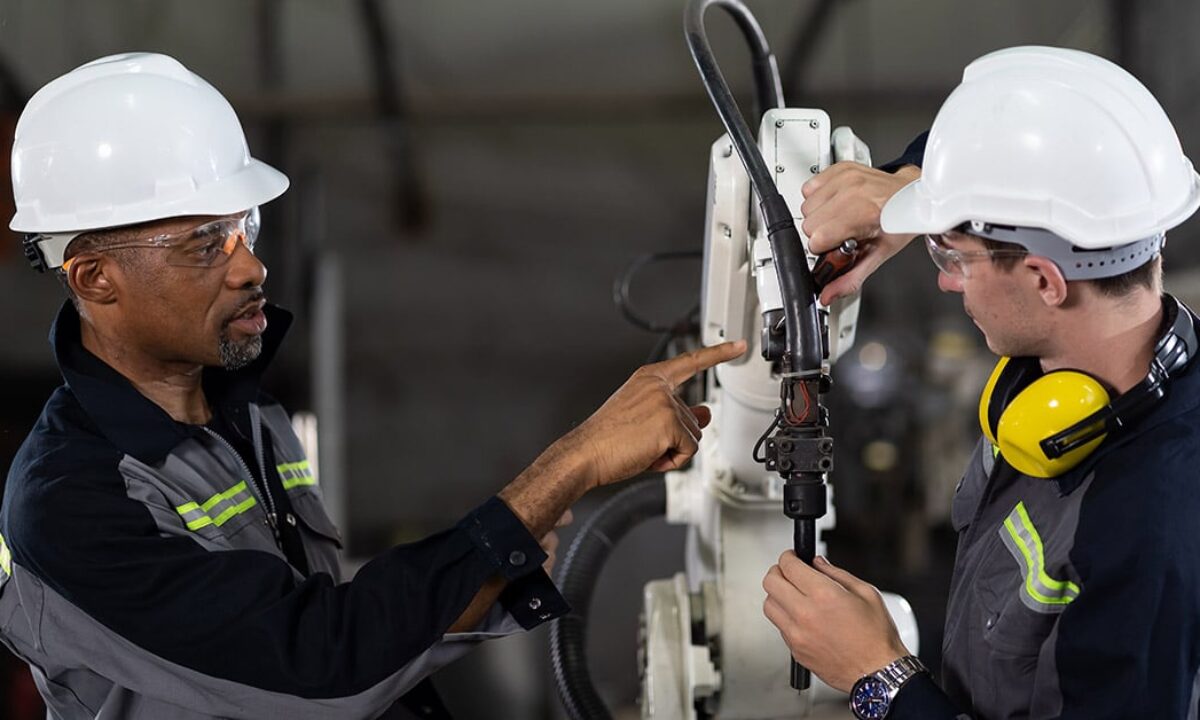
Automation Technicians install, maintain, and repair automated equipment. They program and test control systems to ensure machines operate efficiently and safely. You might spend your day adjusting sensors, fixing wiring issues, or updating software on robotic arms.
Skills You Need To Succeed
- Strong understanding of electrical and mechanical systems
- Ability to read blueprints and technical manuals
- Problem-solving skills for quick troubleshooting
- Basic programming knowledge for PLCs (Programmable Logic Controllers)
- Good communication skills to work with engineers and operators
Work Environment And Opportunities
Automation Technicians work in factories, manufacturing plants, and sometimes in field service roles. Your work environment can be noisy and fast-paced, but it offers hands-on experience with cutting-edge technology. Many companies value technicians who can improve system uptime and reduce downtime.
Career Growth And Salary
As you gain experience, you could move into roles like Automation Engineer or Systems Analyst. The demand for skilled technicians is growing because industries rely more on automation. Salaries are competitive, often increasing with certifications and specialized skills.
Is This The Right Job For You?
Do you enjoy solving technical puzzles and working with your hands? Can you stay calm under pressure when a machine breaks down? If yes, becoming an Automation Technician could offer you a rewarding and dynamic career path that keeps you at the forefront of industrial technology.
Maintenance Planner
A Maintenance Planner plays a vital role in keeping machines and equipment running smoothly. This job involves scheduling maintenance tasks and organizing resources. The goal is to reduce downtime and avoid costly repairs. Maintenance Planners work closely with mechanics and engineers. They ensure all parts and tools are ready before work begins.
Planning ahead helps prevent sudden breakdowns. It also improves safety and efficiency at work sites. This role suits those who enjoy organizing and solving problems. It requires good communication and attention to detail.
Key Responsibilities Of A Maintenance Planner
- Schedule regular maintenance for equipment and machinery
- Coordinate with maintenance teams and suppliers
- Track maintenance records and update databases
- Order parts and ensure their availability
- Analyze downtime to improve maintenance plans
Skills Needed For Maintenance Planners
- Strong organizational skills
- Good communication abilities
- Basic understanding of mechanical systems
- Ability to use maintenance management software
- Problem-solving mindset
Work Environment And Opportunities
Maintenance Planners often work in manufacturing plants, factories, or large facilities. The role may involve office work and visits to the shop floor. Job opportunities exist in many industries like automotive, energy, and food processing. Experience in industrial mechanics helps gain this role quickly.
Frequently Asked Questions
What Jobs Can You Get With Industrial Mechanics Skills?
You can work as an industrial mechanic, maintenance technician, or machinery repair specialist. These roles involve fixing, maintaining, and installing industrial machines.
Are Maintenance Technology Jobs In Demand?
Yes, maintenance technology jobs are in high demand due to ongoing industrial automation and machinery upkeep needs. Skilled technicians ensure smooth operations.
What Industries Hire Industrial Mechanics And Maintenance Techs?
Industries like manufacturing, automotive, energy, and food processing commonly hire these professionals to maintain equipment and prevent downtime.
What Skills Do Industrial Mechanics Need For Job Success?
Critical skills include mechanical aptitude, problem-solving, knowledge of hydraulics, and ability to read technical manuals and blueprints.
Conclusion
Industrial mechanics and maintenance technology offer many job options. Roles include maintenance technician, industrial mechanic, and equipment installer. These jobs often pay well and provide steady work. Skills in this field are always in demand. You can work in factories, plants, or repair shops.
Learning these skills opens doors to a strong career path. It’s a practical choice for those who like hands-on work. A future in this field can be both rewarding and stable.


