
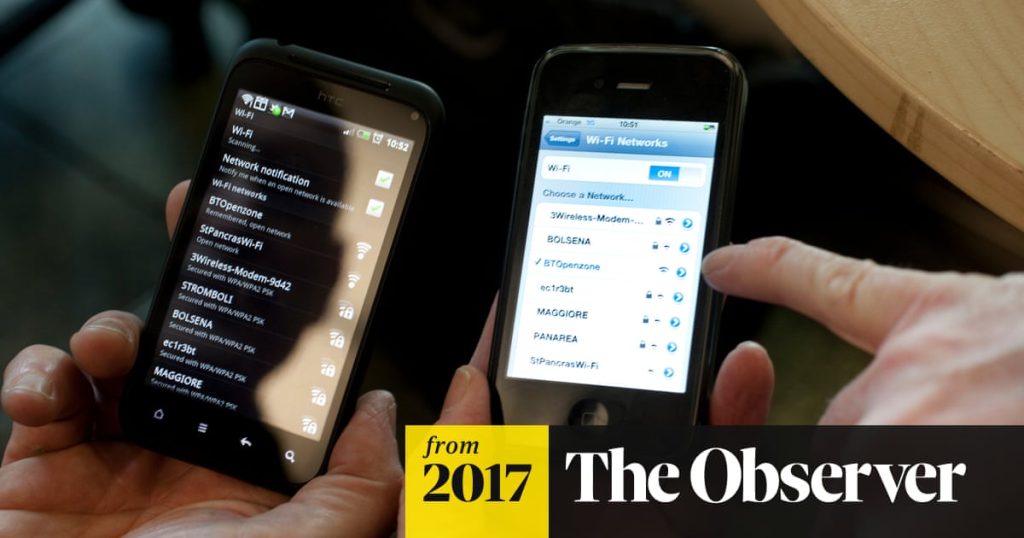
Have you ever wondered just how safe your smart devices really are? From smart speakers to connected cameras, these gadgets make life easier—but they also open doors you might not expect.
If someone wanted to hack into your smart devices, how hard would it be? The answer might surprise you. Keep reading, because understanding the risks can help you protect your privacy and keep control of your digital world.
Credit: www.homedepot.com
Rise Of Smart Devices
Smart devices have become a common part of many homes and workplaces. Their rise is changing how people interact with technology daily. These devices offer convenience and control but also bring new risks. Understanding their growth helps see why security matters more now.
Popularity And Adoption
Smart devices are popular worldwide. Many users buy smart speakers, watches, and cameras. Prices have dropped, making devices easier to own. Companies keep adding new features to attract buyers. This growing adoption means more devices connect to the internet every day.
Integration In Daily Life
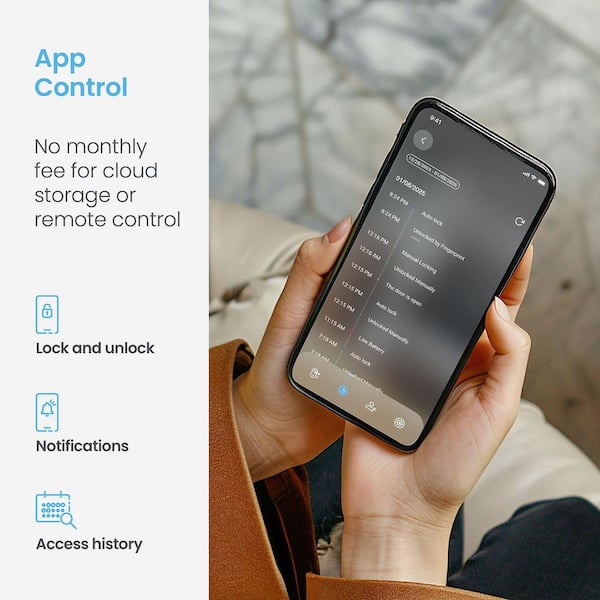
People use smart devices for many tasks. They control lights, locks, and thermostats with voice commands. Smart devices track health, play music, and set reminders. This integration makes life easier but also creates many entry points for hackers. Every device linked to the internet can be a target.
Vulnerabilities In Smart Devices
Smart devices make life easier but carry hidden risks. These devices often have weak spots that hackers can use. Understanding these vulnerabilities helps users protect their gadgets better.
Common Security Flaws
Many smart devices have simple passwords or no passwords at all. This makes it easy for attackers to gain access. Outdated software also leaves devices open to known exploits. Sometimes, devices send data without encryption, exposing sensitive information. Poorly designed apps linked to devices can introduce more risks. Users often overlook these flaws, increasing the chance of hacking.
Lack Of Standardized Protocols
Smart devices come from many manufacturers. Each uses different communication methods and security rules. This lack of uniform standards creates gaps in protection. Devices may not work well together or share security updates. Hackers exploit these inconsistencies to bypass defenses. Standard protocols would help close these gaps and make devices safer.
Methods Of Hacking
Hackers use various methods to break into smart devices. These methods exploit common weaknesses in device security. Understanding these helps users protect their gadgets better.
Exploiting Weak Passwords
Many smart devices have simple or default passwords. Hackers try common passwords or guess easy ones. This gives them quick access without much effort. Changing passwords regularly and using strong ones reduces this risk.
Manipulating Software Bugs
Software bugs are errors in device programs. Hackers find and use these bugs to control the device. Updates and patches fix these bugs and improve security. Ignoring updates leaves devices open to attacks.
Interception Of Data Traffic
Data sent between devices can be intercepted by hackers. They capture this data to steal information or control devices. Using secure networks and encryption protects data from being intercepted.
Real-world Hacking Incidents
Smart devices have become common in homes and offices. Their convenience comes with risks. Real hackers have shown these devices are not always safe. Understanding actual hacking cases helps reveal the true risks.
Infamous Cases
- In 2016, a massive attack used smart devices to crash websites worldwide.
- Hackers took control of smart cameras to spy on users in 2019.
- Smart thermostats were hacked to increase home energy bills in some reports.
- Voice assistants have been tricked into revealing private information.
- Smart locks have been bypassed, letting intruders enter homes unnoticed.
Impact On Consumers
These hacks caused serious problems for many people. Privacy was lost when cameras and microphones were controlled by strangers. Some users faced financial loss due to manipulated smart devices. The fear of being watched or controlled grew fast. Trust in smart technology dropped for many households.
Consumers now worry about the safety of their digital lives. Protecting smart devices is no longer optional. These incidents prove hackers can exploit weak security easily. Users must stay alert and update their devices regularly.
Consequences Of Hacked Devices
Hacked smart devices can cause serious problems. These devices hold personal data and control important functions at home. When hackers take control, the results can affect your privacy, money, and even safety. Understanding the consequences helps to see why device security matters.
Privacy Breaches
Hackers can access personal information stored on smart devices. This includes photos, messages, and contact lists. Privacy breaches can lead to identity theft or unwanted spying. Devices like smart cameras and microphones can be used to watch or listen without permission. Such breaches damage trust and cause emotional stress.
Financial Losses
Smart devices linked to bank accounts or payment apps can be targeted. Hackers may steal money directly or make unauthorized purchases. They can also use stolen data to commit fraud. Repairing the damage often costs time and money. Financial losses from hacked devices can be large and hard to recover.
Threats To Physical Safety
Smart home devices control locks, alarms, and even heating systems. If hacked, these controls can be turned against the owner. Doors could be unlocked, or alarms turned off. Heating or electrical systems might be manipulated to cause danger. Such threats put physical safety at risk and create fear in daily life.
Credit: www.avast.com
Protective Measures
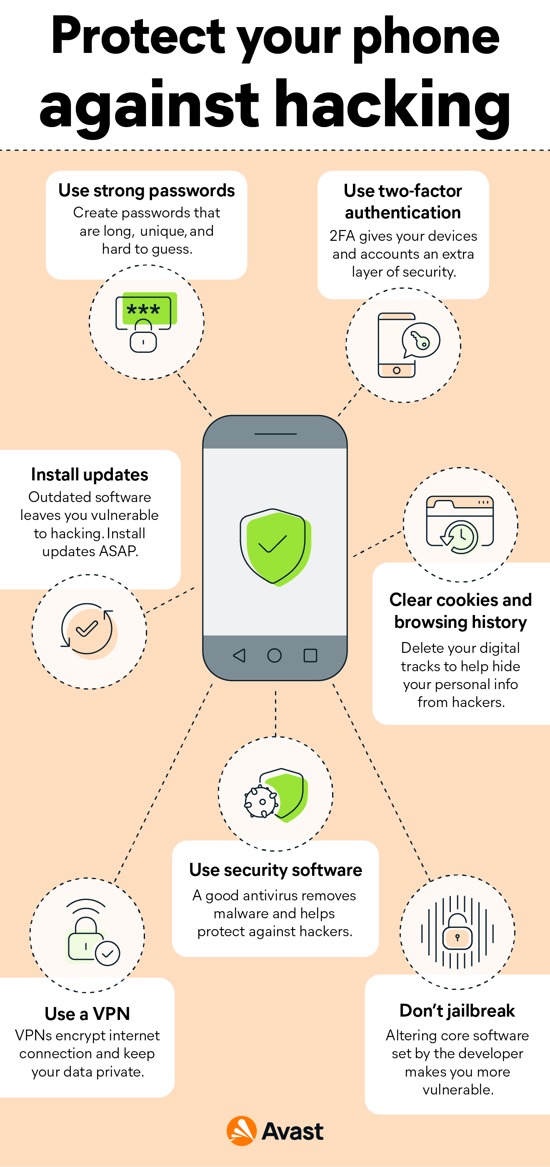
Protecting your smart devices from hackers starts with simple yet effective measures. Many breaches happen because basic security steps are overlooked. You can greatly reduce risks by focusing on a few key areas that empower you to control who accesses your devices and data.
Strengthening Passwords
Weak passwords are an open door for hackers. Use long passwords with a mix of letters, numbers, and symbols to create a strong defense.
Try avoiding common words or patterns like “12345” or “password.” Instead, think of a phrase you can easily remember but hard for others to guess.
Have you ever tried using a password manager? It can generate and store complex passwords for each device, making your life easier and safer.
Regular Software Updates
Smart devices rely on software that needs regular updates to fix security holes. Skipping updates can leave your devices vulnerable to new hacking techniques.
Set your devices to update automatically or check for updates weekly to stay ahead. Many users ignore notifications, but these updates often patch critical weaknesses.
Imagine your smart thermostat or security camera running outdated software—how exposed would your home really be?
Network Security Enhancements
Your home Wi-Fi network is the gateway to all your smart devices. Securing it is crucial to prevent unauthorized access.
- Change default router passwords immediately after installation.
- Use WPA3 encryption if your router supports it for stronger protection.
- Create a separate guest network for visitors to keep your smart devices isolated.
Have you ever wondered who might be connected to your network right now? Regularly check connected devices and block anything suspicious.
Future Of Smart Device Security
The future of smart device security is a topic that affects everyone using connected technology today. As these devices become more common in homes and workplaces, the question isn’t just how easy they are to hack now, but how secure they will be tomorrow. Your personal data, privacy, and even safety depend on the progress made in securing these devices.
Emerging Security Technologies
New technologies are making smart devices harder to hack. Biometric authentication, like fingerprint or facial recognition, adds a layer of protection that passwords alone can’t provide.
Artificial intelligence is also being used to detect unusual behavior in devices. This means your smart thermostat or security camera could alert you if it senses something suspicious.
Encryption methods are improving, ensuring data sent between devices stays private. Some companies are even exploring blockchain technology to secure device communication.
Role Of Manufacturers And Governments
Manufacturers have a major role in making devices safer. They must design products with security in mind from the start, not as an afterthought.
Regular software updates and patches are crucial. If a company ignores this, your device becomes an easy target for hackers.
Governments are beginning to set standards and regulations for smart device security. These rules hold companies accountable and protect consumers like you.
Would you feel safer knowing your devices meet strict security standards enforced by law? The future depends on how well manufacturers and governments work together to protect your connected world.
Credit: www.wired.com
Frequently Asked Questions
How Vulnerable Are Smart Devices To Hacking?
Smart devices often have weak security, making them vulnerable to hacking. Many use default passwords and outdated software. Regular updates and strong passwords improve protection. Users must stay aware of potential risks.
What Methods Do Hackers Use To Breach Smart Devices?
Hackers exploit weak passwords, outdated firmware, and unsecured networks. They use phishing, malware, and brute force attacks. These methods help gain unauthorized access. Awareness and security updates reduce these risks significantly.
Can Smart Device Hacking Be Prevented Effectively?
Yes, by using strong passwords, enabling two-factor authentication, and updating software regularly. Avoid connecting devices to unsecured networks. Regular security audits and awareness help prevent hacking attempts.
What Are Common Signs Of A Hacked Smart Device?
Unusual device behavior, slow performance, unexpected resets, and unknown apps indicate hacking. Increased data usage and battery drain are also signs. Monitoring these signs helps detect breaches early.
Conclusion
Smart devices can be easy targets for hackers. Many lack strong security features. Simple mistakes can give hackers access fast. Protecting your devices requires regular updates and strong passwords. Always check privacy settings and avoid unknown networks. Staying alert helps keep your data safe.
Small steps make a big difference. Keep learning about smart device safety. Your security depends on your actions. Don’t wait until it’s too late.


