

Have you ever wondered how many children around the world can use smart devices like tablets and smartphones? These gadgets are everywhere, changing the way kids learn, play, and connect.
But is your child part of this growing group? Understanding who has access to these devices can help you see the bigger picture—and maybe even rethink how technology fits into your family’s life. Keep reading to discover surprising facts and how this trend could affect your child’s future.
Global Access To Smart Devices
Access to smart devices among children varies widely around the world, reflecting differences in economic development, infrastructure, and cultural attitudes towards technology. Understanding these variations helps you see where gaps exist and how children’s digital experiences differ. It also raises questions about fairness and opportunity in today’s connected world.
Children’s Device Ownership By Region
In North America and Europe, a large majority of children own or regularly use smartphones or tablets. Ownership rates often exceed 70%, showing how embedded technology is in daily life. On the other hand, regions like Sub-Saharan Africa and parts of South Asia report much lower ownership, sometimes below 20%.
This gap often reflects affordability and network access, but also parental attitudes toward device use. Have you noticed how different your own childhood was compared to kids growing up today in tech-rich environments?
Urban Vs Rural Access
Children living in urban areas generally have better access to smart devices than those in rural settings. Cities tend to have stronger internet connectivity and more stores selling affordable devices. Rural kids might share fewer devices within families and face slower internet speeds.
Think about your community—do children in less populated areas have the same digital opportunities? This divide can affect learning, social interaction, and future job skills.
Age Groups And Device Usage
Device usage grows with age. Younger children, especially those under 5, often have limited access, mostly supervised by parents. By the time kids reach 10 to 14 years old, their use of smartphones and tablets usually increases sharply.
Teens tend to use devices not just for games but for social media, video calls, and educational apps. What’s interesting is how quickly children adapt to new tech once they get access—sometimes faster than adults do.

Credit: www.usatoday.com
Types Of Devices Used By Children
Children today interact with a variety of smart devices that shape how they learn, play, and communicate. Understanding the types of devices they use helps you see the digital landscape they navigate daily. Let’s look at the common gadgets children have access to and how these tools influence their growth and habits.
Smartphones
Smartphones are often the first smart device children get. They offer instant access to games, social media, and educational apps, making them highly engaging. Have you noticed how quickly kids pick up on using these devices? It’s because smartphones combine entertainment and connectivity in one compact gadget.
Parents worry about screen time, but smartphones can also teach responsibility when used wisely. Setting clear rules about phone use can help your child benefit without overdoing it.
Tablets
Tablets are popular for their larger screens and versatility. Kids use tablets for reading e-books, watching videos, and interactive learning apps. Unlike smartphones, tablets often serve as a shared family device, which can encourage group activities.
Tablets also support creativity through drawing apps and music tools. If you want to encourage your child’s artistic side, a tablet might be a better choice than a phone.
Wearable Tech
Wearable devices like smartwatches are gaining traction among kids. These gadgets offer fitness tracking, quick messaging, and even GPS location features. They give parents peace of mind while giving kids a sense of independence.
Wearables are less about entertainment and more about safety and health. Have you considered how a smartwatch could help your child stay active and connected without constant screen time?
Factors Influencing Device Access
Several factors affect how many children have access to smart devices. These factors shape device availability, usage, and learning opportunities. Understanding them helps reveal why access varies across different groups and regions.
Socioeconomic Status
Household income plays a key role in device ownership. Families with higher income often afford more devices. Low-income families may prioritize basic needs over technology. Urban areas tend to have better access than rural zones. Cost of internet service also limits device use in poorer homes.
Parental Control And Attitudes
Parents influence how children use smart devices. Some parents set strict rules to limit screen time. Others encourage device use for education and entertainment. Cultural beliefs shape parental attitudes toward technology. Trust in online safety affects device access at home.
Education And Digital Literacy
Schools impact children’s exposure to smart devices. Institutions with good resources provide more digital learning tools. Digital skills among children and parents improve device use. Lack of digital literacy can reduce device benefits. Training programs help families use technology effectively.
Impact Of Device Access On Children
Access to smart devices shapes many parts of a child’s life. These devices influence learning, emotions, and health. Understanding this impact helps parents and teachers guide children better. It also shows how technology fits into daily routines and growth.
Educational Benefits
Smart devices offer many learning tools. Children can explore subjects with interactive apps. Videos and games make lessons fun and clear. They can practice skills anytime, anywhere. Devices also support different learning styles. This helps children grasp ideas at their own pace.
Social And Emotional Effects
Devices connect children with friends and family. Online chats and video calls build relationships. Yet, too much screen time may cause loneliness. Some children feel pressure to be online. This can lead to stress or anxiety. Balance is key to healthy social growth.
Health Considerations
Screen time affects children’s physical health. Long use can cause eye strain and headaches. Poor posture may lead to back and neck pain. Sleep quality often drops with late device use. Setting limits helps protect children’s well-being and energy.
Trends And Future Projections
Access to smart devices among children is growing rapidly worldwide. Trends show strong increases in usage across all regions. Future projections suggest this growth will continue, changing how kids learn and play. Technology is becoming a part of childhood everywhere. Understanding these trends helps predict what lies ahead.
Rising Connectivity In Developing Countries
Internet access is expanding fast in developing nations. More families can now afford smartphones and tablets. Schools are also adopting digital tools for education. This growth reduces the digital divide between rich and poor areas. Children in remote places get new chances to connect and learn. The trend points to wider device use in these regions soon.
Emerging Technologies For Kids
New devices and apps made just for children are appearing. Tablets with parental controls and educational games are popular. Virtual reality and augmented reality tools create fun learning experiences. These technologies help kids understand subjects better. They also encourage creativity and problem-solving skills. Experts expect more kid-friendly tech to enter homes in coming years.
Policy And Regulation Changes
Governments are making rules to protect children online. Privacy laws limit data collection from kids’ devices. Schools follow strict guidelines about technology use in classrooms. Parents receive more resources on safe device habits. These policies aim to balance benefits and risks of smart devices. Future regulations will likely focus on child safety and digital wellbeing.

Credit: www.news18.com
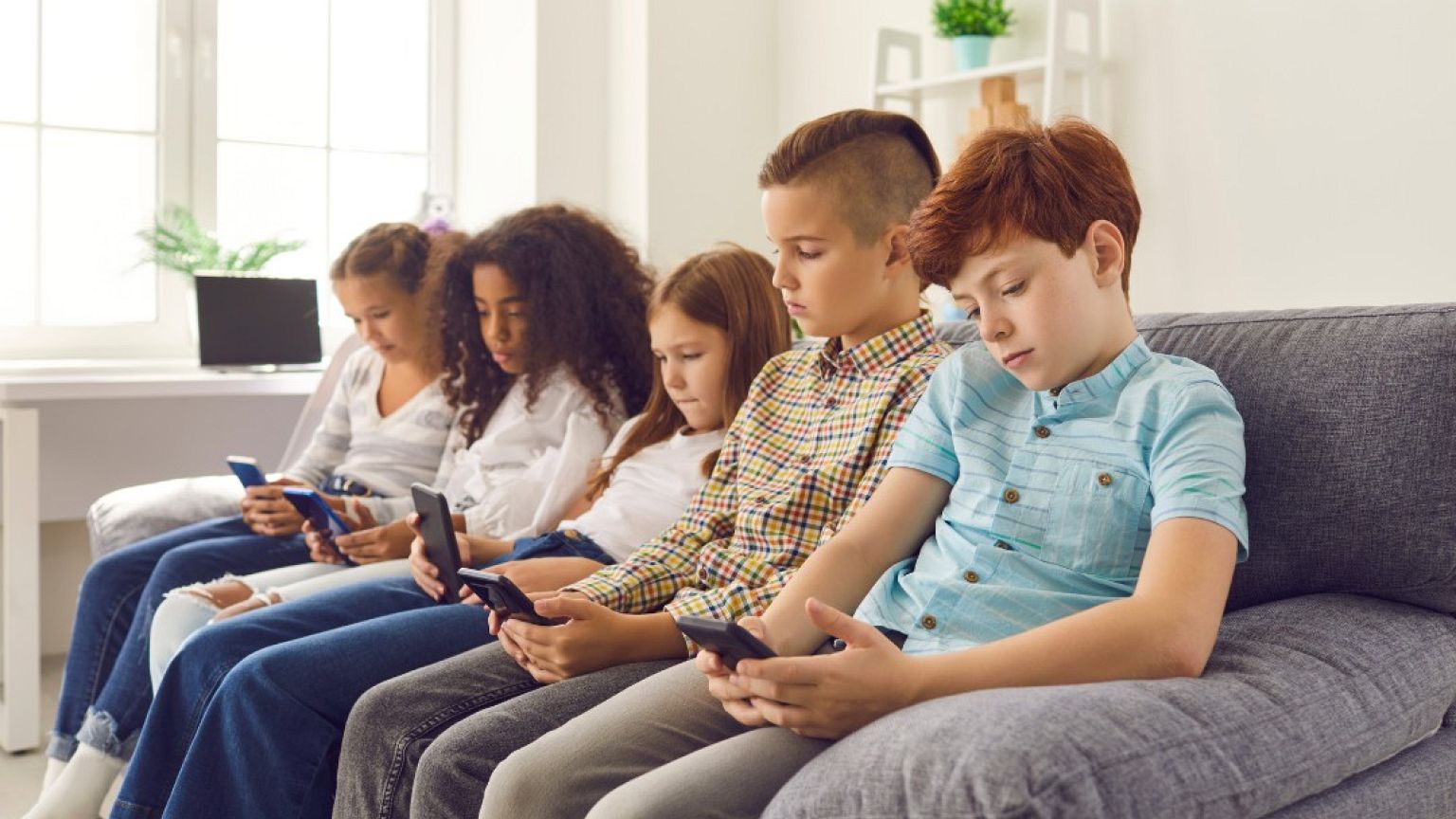
Credit: www.euronews.com
Frequently Asked Questions
How Many Children Own Smart Devices?
Recent studies reveal that about two-thirds of children own smart devices. Access varies by region and socio-economic status. The trend is increasing, driven by educational and entertainment needs. Parents often encourage usage for learning purposes. However, concerns about screen time and internet safety remain prevalent among caregivers.
At What Age Do Kids Get Smart Devices?
Children typically receive smart devices between ages 8 and 12. This age range depends on parental discretion and educational needs. Some parents introduce devices earlier for educational apps. It’s crucial to monitor use and set guidelines. Early access can foster learning but requires careful supervision to ensure safe usage.
How Do Smart Devices Affect Children’s Learning?
Smart devices can enhance learning through educational apps and resources. They offer interactive and engaging content. However, excessive use can lead to distractions. Balancing screen time is crucial to maximize benefits. Devices support remote learning and access to global information, helping children learn beyond traditional classrooms.
Are Smart Devices Safe For Young Children?
Smart devices can be safe with proper supervision and parental controls. Limiting screen time and monitoring content are essential. Parents should educate children about online safety. Encouraging positive digital habits is crucial. Choosing age-appropriate apps and games helps ensure a secure experience for young users.
Conclusion
Many children worldwide use smart devices daily. Access depends on family income and location. Urban kids often have more devices than rural ones. Schools also play a role in device availability. Parents should guide children on safe and healthy use.
Devices can help learning but need balance with real play. Understanding access helps us support better education and safety. The future will likely see even more children online. Awareness and care remain key for positive experiences with technology.


