How Hackers Could Use Smart Devices to Spy on You: Shocking Risks Revealed
Imagine waking up one morning to find out that your smart devices—your phone, your smart speaker, even your thermostat—have been silently watching and listening to everything you do. It sounds like something from a spy movie, but it could happen to you.
Hackers are finding new ways to turn everyday gadgets into tools for spying. What if the devices you trust most are actually spying on you? Keep reading to discover how this hidden threat works and what you can do to protect yourself before it’s too late.
Smart Devices As Spy Tools
Smart devices have become a common part of daily life. They offer convenience but can also be tools for spying. Hackers can use these devices to watch and listen without permission. Understanding how this happens helps protect privacy.
Common Smart Devices At Risk
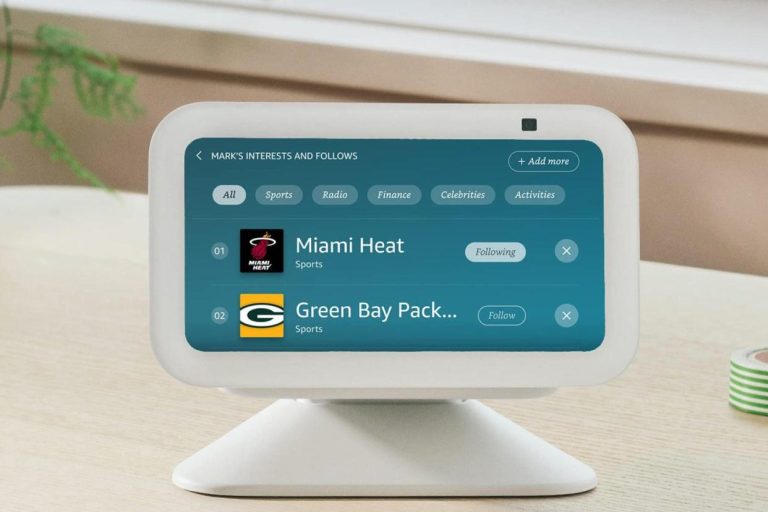
- Smart speakers like Amazon Echo and Google Home
- Security cameras and baby monitors
- Smart TVs with cameras and microphones
- Smart thermostats and home automation hubs
- Wearable devices such as smartwatches and fitness trackers
How Hackers Gain Access
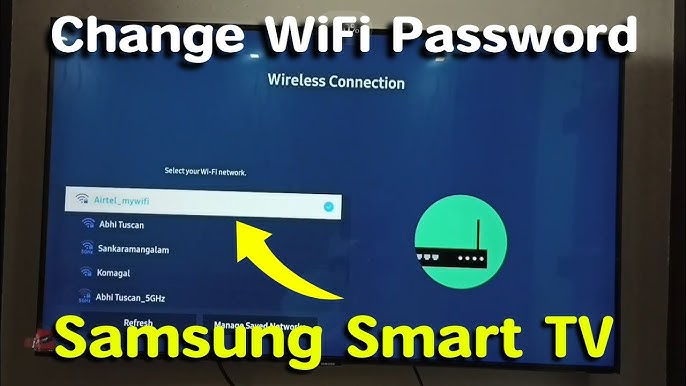
- Exploiting weak or default passwords
- Taking advantage of outdated software and firmware
- Using phishing attacks to steal login details
- Accessing unsecured Wi-Fi networks
- Injecting malware through connected apps
Types Of Data Targeted
- Audio recordings from microphones
- Video feeds from cameras
- Location information and movement patterns
- Personal schedules and contacts
- Login credentials and private messages
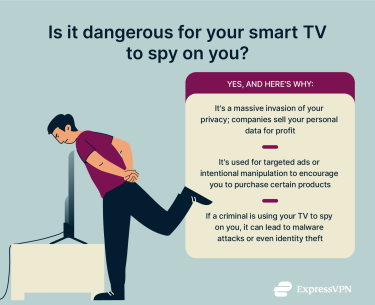
Credit: www.expressvpn.com
Techniques Hackers Use
Hackers have developed several clever techniques to turn your smart devices into tools for spying. Understanding these methods helps you protect your privacy and stay one step ahead. Let’s look at how attackers exploit weaknesses in your devices and networks.
Exploiting Weak Passwords
Many people use simple or default passwords on their smart devices. Hackers take advantage of this by trying common passwords or using automated tools to guess them quickly.
Changing default passwords to strong, unique ones is crucial. Think about how often you’ve reused passwords across devices—could that be opening a door for a hacker?
Malware And Spyware Infections
Malware and spyware can be secretly installed on your smart devices through phishing emails, malicious apps, or unsecured websites. Once inside, these programs can record your activities, capture audio or video, and send data back to hackers.
Have you ever clicked a suspicious link or downloaded an app without checking its source? That moment could have been all it takes for malware to slip in unnoticed.
Network Vulnerabilities
Your home Wi-Fi and other networks connecting your smart devices can have security gaps. Hackers scan for these weak points to intercept data or take control of devices remotely.
Using outdated routers or neglecting to update firmware can leave your network exposed. Are you regularly checking your network’s security settings and updating software?
Signs Your Devices Are Compromised
Smart devices often blend into daily life without raising alarms. Yet, hackers can exploit these devices to spy on you. Detecting signs of compromise early helps protect your privacy and security.
Watch for small changes in device behavior. These can hint at hidden intrusions or unauthorized access.
Unusual Device Behavior
- Devices turning on or off by themselves
- Apps opening without your input
- Settings changing unexpectedly
- Slower performance or frequent crashes
Unexpected Data Usage
- Sudden spikes in internet data consumption
- Unexplained background activity on your network
- Data usage higher than normal without new apps
Strange Sounds Or Lights
- Microphones activating without reason
- Camera lights flickering randomly
- Unusual noises during calls or recordings
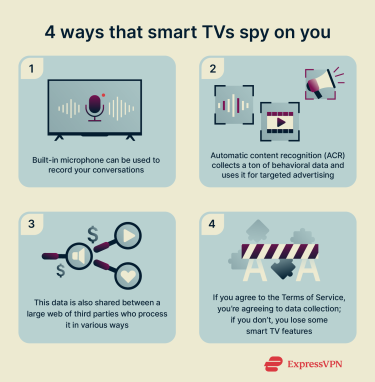
Credit: www.expressvpn.com
Real-life Spy Cases
Smart devices have become common in many homes worldwide. They make life easier but also open doors for hackers. Real cases show how these devices can be used for spying. These stories warn us about the risks of connected technology.
Notorious Smart Device Hacks
- In 2019, hackers used smart TVs to listen to conversations without permission.
- Smart speakers have been hacked to record private talks and send data.
- Some baby monitors were taken over, letting strangers watch and hear children.
- Hackers exploited security cameras to spy on homes and offices remotely.
Lessons From Privacy Breaches
Many hacks happened because of weak passwords or outdated software.
Users often ignore updates, leaving devices vulnerable to attacks.
Privacy settings are sometimes left in default, giving hackers easy access.
These cases show the need for strong security habits and regular checks.
Protecting Your Smart Devices
Smart devices bring ease and comfort to daily life. Yet, they can be targets for hackers. Protecting these devices is key to keeping your privacy safe. Simple habits make a big difference in security.
Strong Password Strategies
Create passwords that are hard to guess. Use a mix of letters, numbers, and symbols. Avoid using common words or dates. Each device should have a unique password. Consider using a password manager to keep track.
Regular Software Updates
Updates fix security weaknesses in smart devices. Turn on automatic updates if available. Check for updates often, especially for apps and device firmware. Delaying updates leaves devices open to attacks.
Network Security Tips
- Change default router passwords immediately.
- Use a strong Wi-Fi password with WPA3 or WPA2 encryption.
- Set up a separate network for smart devices.
- Turn off network features you do not use.
Using Security Tools
Antivirus and anti-malware tools help protect smart devices. Use security apps designed for your device type. Enable firewalls on your home network. Consider installing device-specific security software to monitor threats.

Credit: news.uchicago.edu
Future Risks And Trends
Smart devices are becoming common in homes worldwide. This trend brings new risks. Hackers find clever ways to spy through these gadgets. Understanding future risks helps protect your privacy. Trends show how hacking evolves with technology.
Emerging Threats To Smart Homes
Smart homes connect many devices to the internet. Each device can be a target. Hackers use weak points to enter networks. They can listen, watch, or steal data. New devices add new threats every day. Cybercriminals exploit outdated software and poor passwords.
Risks include:
- Unauthorized access to security cameras
- Remote control of smart locks
- Data theft from smart assistants
- Manipulation of connected appliances
Advances In Hacking Techniques
Hackers use smarter tools to break into devices. Phishing attacks become more convincing. Malware adapts to avoid detection. They exploit software flaws faster than fixes arrive. Attackers use social engineering to trick users easily. New methods make spying harder to detect. Protection needs constant updates and vigilance.
The Role Of Ai In Security
Artificial intelligence helps both hackers and defenders. Hackers use AI to find weak spots quickly. AI can mimic voices or generate fake video. This makes spying more believable and dangerous. On the other hand, AI improves security systems. It detects unusual behavior and blocks threats fast. The battle between hackers and defenders will rely on AI.
Frequently Asked Questions
How Can Hackers Access Smart Devices To Spy On Users?
Hackers exploit weak passwords, outdated software, and unsecured networks. They use malware or phishing to gain control. This allows them to eavesdrop, capture images, or steal data from smart devices remotely.
What Smart Devices Are Most Vulnerable To Hacking?
Devices like smart cameras, voice assistants, and home security systems are common targets. These devices often have weak security and constant internet connection, making them easier for hackers to exploit for spying.
Can Hackers Listen Through Smart Home Devices?
Yes, hackers can activate microphones on smart home devices. This lets them listen to private conversations and collect sensitive information without user knowledge or consent.
How To Protect Smart Devices From Hacker Spying?
Use strong, unique passwords and enable two-factor authentication. Regularly update device software and avoid connecting to public Wi-Fi. Also, disable unused features like remote access or microphones when not needed.
Conclusion
Smart devices offer convenience but pose privacy risks. Hackers can exploit these gadgets. Your personal data might be at risk. Protecting your privacy is crucial. Use strong passwords and updated software. Limit device permissions for safety. Be cautious with unfamiliar apps.
Regularly monitor connected devices. Awareness helps reduce threats. Stay informed and take action. Your security depends on vigilance.