
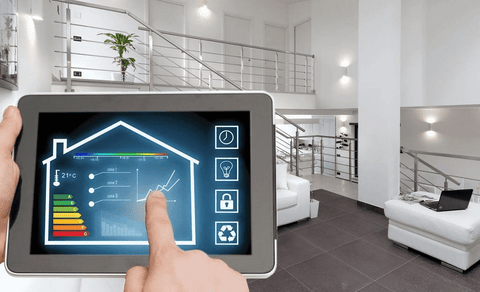
Imagine walking into your room, and everything just works perfectly. The lights adjust to your mood, your favorite music starts playing, and the temperature is just right.
Sounds like magic, right? But it’s not magic—it’s the power of smart home devices. If you’ve ever wondered whether you can harness this technology in just a single room, you’re not alone. Many people dream of transforming their living space into a smart haven, but aren’t sure where to start.
Could this be the solution that makes your life easier and more enjoyable? Stick around to find out how having smart home devices in one room can revolutionize your daily routine. You won’t want to miss the tips and insights that could change the way you live.

Credit: troviamagazine.com
Benefits Of Single-room Smart Setup
Setting up smart home devices in just one room offers a focused approach that brings several clear advantages. It lets you experience the benefits of smart technology without feeling overwhelmed or breaking the bank. Here’s why a single-room smart setup might be the smart choice for your home.
Convenience And Control
Having smart devices in one room means you can control everything easily from a single spot. Imagine walking into your living room and adjusting the lights, temperature, and music all from your phone or voice assistant.
This focused control reduces confusion. You won’t need to jump between apps or devices spread throughout the house, making your smart home experience smoother and more enjoyable.
Cost Efficiency
Smart devices can be pricey, but focusing on one room helps keep costs manageable. Instead of buying smart gadgets for the entire house, you invest in quality devices where you spend most of your time.
For instance, a smart thermostat and lighting system in your living room can lower energy bills without the expense of outfitting every room. This approach lets you test what works best before expanding your setup.
Simplified Management
Managing smart devices across multiple rooms can get complicated quickly. Sticking to one room means fewer devices to update, troubleshoot, and sync.
This simplicity means fewer tech headaches and more time enjoying the benefits. Plus, it’s easier to teach family members or guests how to use the devices when everything is centralized.
Essential Devices For One Room
Setting up smart home devices in just one room can completely change how you experience that space. Choosing the right essentials makes the room not only more functional but also more comfortable and secure. Think about what you use the most in the room and what could make your daily routine easier.
Smart Lighting
Smart lighting lets you control brightness and color with a simple app or voice command. You can set schedules so the lights turn on or off automatically, saving energy without lifting a finger. Imagine coming home to a room that’s already lit just the way you like it—it’s a small change that feels like a big upgrade.
Voice Assistants
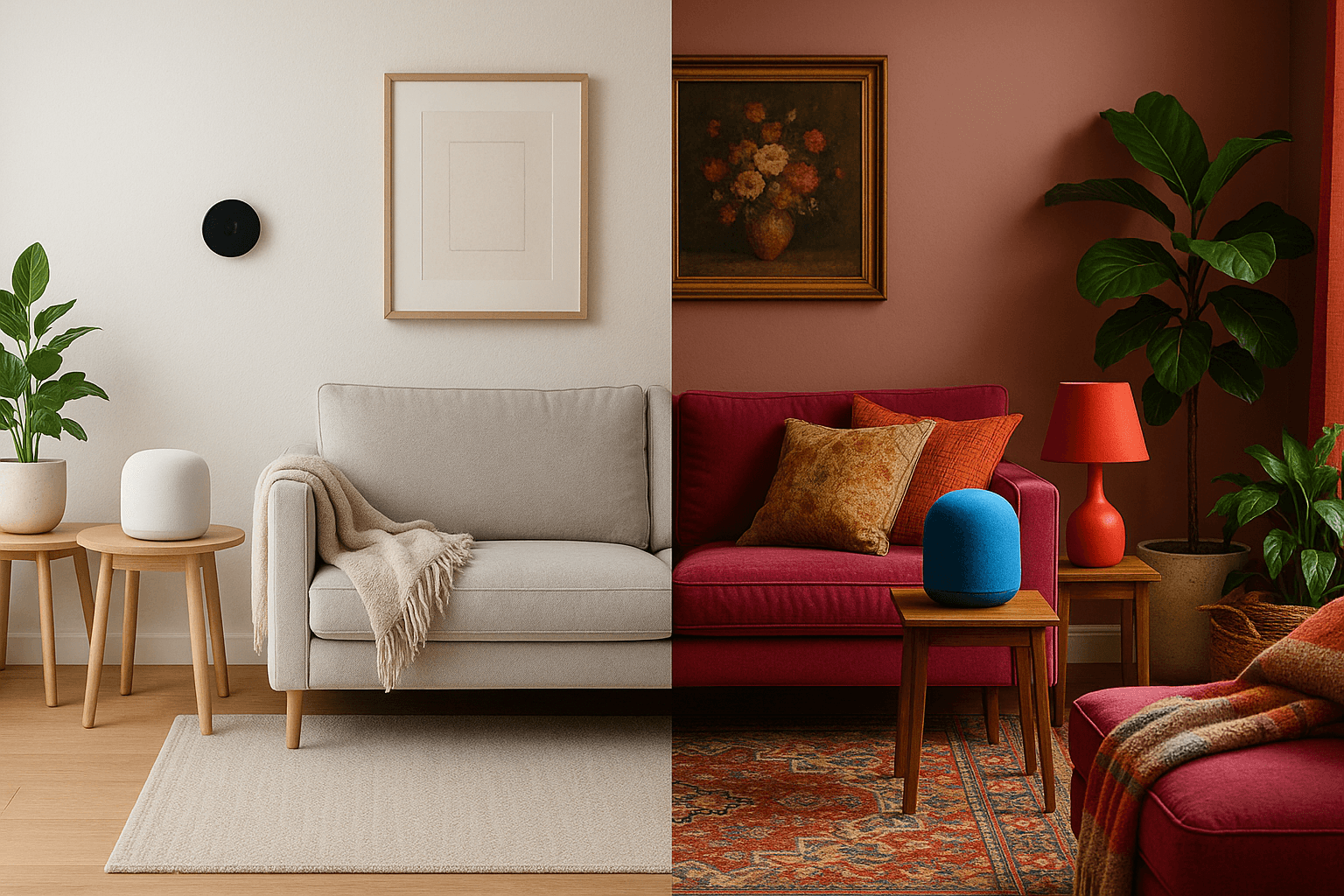
A voice assistant in one room acts like a personal helper. You can ask it to play music, set reminders, or even control other smart devices without touching anything. If you enjoy multitasking or need quick answers, having a voice assistant nearby can be a real game-changer.
Thermostats And Sensors
Smart thermostats keep the temperature just right while helping reduce energy bills. Sensors can detect motion or humidity and adjust settings automatically. These devices work quietly in the background, ensuring your room stays comfortable without constant adjustments.
Security Cameras And Alarms
Installing security cameras or alarms in one room adds a layer of safety you might not have thought about. They let you monitor the area remotely and get alerts if something unusual happens. Would you feel more at ease knowing you can check on your space anytime, anywhere?
Choosing The Right Hub
Choosing the right hub is key to managing smart home devices in one room. It acts as the brain, connecting all devices for smooth control. Selecting a hub that fits your needs improves device performance and ease of use. Consider factors like device compatibility, connectivity, and user interface. These points help create a seamless smart home experience.
Compatibility With Devices
A hub must support all your smart devices. Check which brands and types work with the hub. Some hubs support multiple protocols like Zigbee, Z-Wave, or Wi-Fi. This allows more devices to connect without extra adapters. Compatibility avoids frustration and extra costs from mismatched devices.
Connectivity Options
Connectivity affects how well devices communicate with the hub. Common options include Wi-Fi, Bluetooth, Zigbee, and Z-Wave. Wi-Fi hubs connect directly to your home network. Zigbee and Z-Wave hubs create a mesh network for better signal. Choose a hub with connectivity that suits your home layout and devices.
User Interface And App Support
The hub’s user interface determines how easy it is to control devices. Look for hubs with simple apps and clear instructions. Mobile apps should work on both iOS and Android phones. A good interface helps you set up devices, create routines, and monitor status quickly. Easy control makes your smart home more enjoyable.
Setting Up Network And Connectivity
Setting up your network and connectivity is crucial when you want to have multiple smart home devices working seamlessly in one room. The right setup ensures your devices communicate well, respond quickly, and maintain a stable connection. Without proper planning, you might face delays, dropped signals, or devices that don’t sync properly.
Wi-fi Optimization
Your Wi-Fi network is the backbone for many smart devices. Make sure your router is placed centrally in the room for even coverage. Walls, furniture, and appliances can block signals, so keep your router away from large metal objects or microwaves.
Use the 5 GHz band for devices that need faster speeds and less interference. The 2.4 GHz band covers a wider range but can be slower and crowded. You can also assign specific devices to different bands to balance your network load.
Have you checked your router’s firmware lately? Updating it can improve performance and security. Many routers also let you prioritize smart devices, so they get the bandwidth they need when you’re streaming or working.
Bluetooth And Zigbee Roles
Not all smart home devices rely on Wi-Fi. Bluetooth and Zigbee play important roles, especially for low-power devices. Bluetooth is great for short-range connections, like a smart lock or speakers in the same room.
Zigbee creates a mesh network, allowing devices to pass signals to each other and extend the range. This is useful if you have several smart bulbs or sensors in one area. Devices on Zigbee don’t compete with Wi-Fi, reducing congestion.
Think about which devices use which protocol before buying. Mixing them without a clear plan can cause confusion and dropped connections. You may need a hub or bridge to connect Zigbee devices to your main network.
Ensuring Strong Signal Strength
Even the best network can fail if the signal is weak. Walls, floors, and electronic interference can cause issues. Test signal strength in your room using apps or built-in router tools to identify dead spots.
Consider adding a Wi-Fi extender or a mesh system if your devices are spread out. These tools help keep a steady connection by filling in gaps. For Bluetooth and Zigbee, place hubs or repeaters in open spots for better coverage.
Have you noticed any smart device lag or disconnects? Strong signal strength might be the missing piece. Small tweaks in placement or network setup can make a big difference in your smart home experience.
Automation Ideas For One Room
Setting up smart home devices in just one room can be surprisingly powerful. You don’t need to automate your entire house to enjoy the benefits of convenience, security, and comfort. By focusing on a single space, you can create tailored automation that fits your daily habits and lifestyle perfectly.
Lighting Schedules And Scenes
Imagine walking into your living room and the lights adjust automatically to your mood. You can program your smart bulbs to turn on gradually in the morning, mimicking sunrise, or dim down for a cozy movie night. Setting up different lighting scenes for activities like reading, relaxing, or working can make your space feel more inviting and functional.
Use schedules to have lights turn off when you leave the room, saving energy without any extra effort. How often do you forget to switch off lights? Automation solves that easily.
Temperature Control Automation
Smart thermostats bring comfort to a new level. You can set your room to warm up just before you arrive or cool down when you’re working out. Some devices learn your preferences over time, adjusting temperature based on your routines.
Consider pairing temperature control with window sensors to avoid heating or cooling an open window. This saves energy and keeps your room just right without constant manual adjustments. What’s your ideal temperature for relaxing or focusing?
Security Alerts And Monitoring
Even in one room, security matters. Smart cameras and motion sensors can alert you to unexpected movement, giving you peace of mind. You can set notifications to your phone when someone enters the room or if a window or door is opened.
Combining security devices with lighting automation can simulate occupancy when you’re away, deterring potential intruders. Are you confident your room is secure when you’re not home?
Credit: decormatters.com
Troubleshooting Common Issues
Smart home devices bring comfort and convenience to one room. Sometimes, these devices face issues that stop them from working properly. Troubleshooting helps fix these problems quickly. Understanding common issues saves time and effort.
Device Connectivity Problems
Devices often lose connection to Wi-Fi or the smart hub. Check if the Wi-Fi network is working well. Move devices closer to the router for a stronger signal. Restart the router and smart device to refresh connections. Ensure firmware is up to date. Remove and re-add the device to the app if needed.
App Syncing Errors
Apps may fail to sync with devices, causing control issues. Close and reopen the app to refresh it. Check for app updates in the app store. Clear the app cache to remove old data. Log out and log back in to reset the sync. Ensure the phone or tablet has a stable internet connection.
Power And Battery Concerns
Power problems stop devices from working. Check if the device is plugged in properly. Replace batteries with fresh ones if the device uses them. Use the recommended battery type for best performance. Avoid mixing old and new batteries. Inspect power cords and adapters for damage.
Future-proofing Your Setup
Setting up smart home devices in one room is a smart start. Future-proofing your setup ensures your system adapts to new tech and growing needs. This approach saves time and money later. Planning for expansion and updates keeps your smart home efficient and easy to use.
Scalability Options
Choose devices that allow easy expansion. Look for systems that support adding new gadgets without complex setup. Wireless connections help add devices without extra wiring. Select brands offering a wide range of compatible products.
Consider smart hubs that manage multiple devices. This central control simplifies adding and managing gadgets in one place. Scalability means your system grows with your needs, not your budget.
Integration With Other Rooms
Start with one room, but plan for the whole house. Devices should connect smoothly with others in different rooms. Use platforms that support multi-room control and sync settings across devices.
Integration allows consistent experiences everywhere. For example, voice commands can work from any room. Lighting and temperature control can adjust throughout your home. This creates comfort and convenience without extra effort.
Keeping Firmware Updated
Firmware updates fix bugs and add new features. Regular updates keep devices safe and running well. Many devices update automatically, but check settings to confirm.
Set reminders to check for updates manually. Staying current helps avoid security risks. It also improves device performance and compatibility with new products.

Credit: 981thehawk.com
Frequently Asked Questions
Can Multiple Smart Devices Work In One Room?
Yes, multiple smart devices can work together in one room. They connect via Wi-Fi or Bluetooth. Proper setup ensures smooth communication and control. This enhances convenience and automation, making your room smarter and more efficient.
Is It Easy To Control Several Devices In One Room?
Controlling several devices in one room is easy. Use a central app or voice assistant. These tools manage multiple devices simultaneously. This simplifies operation and improves user experience. Ensure devices are compatible for seamless integration.
Will Smart Devices In One Room Cause Network Issues?
Smart devices in one room rarely cause network issues. Modern routers handle multiple connections efficiently. Ensure a strong Wi-Fi signal and updated firmware. Proper network management prevents slowdowns and interruptions, keeping your smart home responsive.
Can Smart Devices In One Room Improve Energy Efficiency?
Yes, smart devices in one room improve energy efficiency. Smart lights and thermostats adjust automatically. They reduce energy waste by adapting to usage patterns. This lowers utility bills and supports eco-friendly living.
Conclusion
Smart home devices can fit well in just one room. They make daily tasks easier and save time. You can control lights, temperature, and security with ease. Start small and add devices as you go. This keeps things simple and affordable.
Enjoy the comfort and convenience these gadgets bring. A single room can feel smarter and more connected. Small steps create a big difference in your home life.


