Are Consumer Electronic Products Affected by Tariffs? Key Insights
Have you ever noticed a sudden increase in the price of your favorite gadgets? You might have wondered what’s behind the price hike of that sleek new smartphone or that must-have gaming console.
The answer might surprise you: tariffs. Yes, those often-debated taxes on imported goods can have a direct impact on the cost of consumer electronics you love. But how exactly do tariffs influence these prices, and what does that mean for your wallet?
Dive into this article to uncover the hidden dynamics at play and discover why understanding tariffs could save you money on your next tech purchase. Don’t miss out on these essential insights that could change the way you shop for electronics.
Impact Of Tariffs On Consumer Electronics
Tariffs on consumer electronics affect many parts of the market. These taxes increase costs for manufacturers and sellers. The impact touches product prices, availability, and the whole supply chain. Understanding these effects helps consumers and businesses prepare better.
How Tariffs Influence Pricing
Tariffs add extra costs to imported electronics. Manufacturers often pass these costs to buyers. As a result, product prices rise in stores. Some companies may lower profit margins to stay competitive. Price increases can make popular gadgets less affordable.
Effect On Product Availability
Tariffs can limit the number of products on shelves. Some brands reduce imports to avoid higher fees. This leads to fewer choices for consumers. Delays in shipments also happen due to tariff checks. Customers might face longer wait times for new devices.
Changes In Supply Chain Dynamics
Tariffs force companies to rethink their supply chains. Many try to move production to countries without tariffs. This shift takes time and money to set up. Some firms diversify suppliers to reduce risks. These changes affect how quickly products reach the market.
Credit: www.42signals.com
Major Markets And Tariff Policies
Understanding how tariffs affect consumer electronic products requires a close look at the major markets and their unique policies. Each region approaches tariffs differently, influencing product prices, availability, and even innovation. If you’re buying or selling electronics, knowing these policies can help you make smarter decisions and avoid unexpected costs.
Tariffs In The Us Market
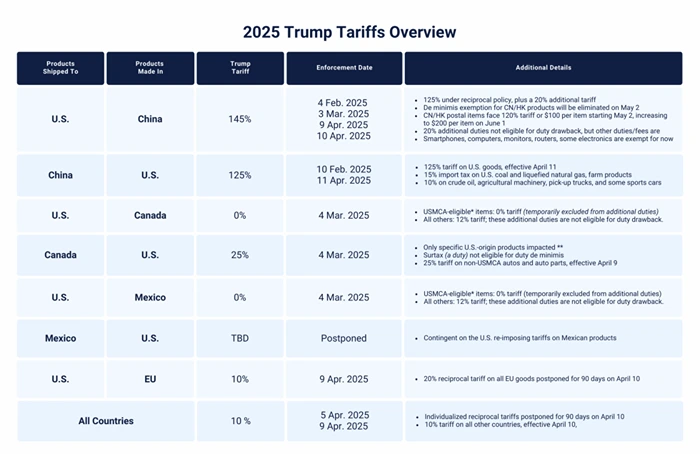
The US has imposed several tariffs on electronics imported from countries like China. These tariffs aim to protect domestic manufacturers but often lead to higher prices for consumers. Have you noticed price jumps in your favorite gadgets recently? That’s often the result of these tariffs.
For example, tariffs on components like semiconductors and screens can increase production costs for brands. This sometimes forces companies to either raise prices or find alternative suppliers. You might want to watch how supply chains shift as companies try to dodge tariffs.
European Union Regulations
The European Union takes a different approach by focusing more on environmental and safety standards than outright tariffs. However, customs duties still apply to many electronic imports, varying by country and product type. This can complicate pricing for manufacturers shipping across EU borders.
Additionally, the EU’s strict regulations on recycling and waste management affect how electronics are designed and priced. If you’ve bought electronics in Europe, you’ve likely paid eco-fees that support recycling programs. These fees can feel small but add up, influencing your overall cost.
Asia-pacific Trade Barriers
In the Asia-Pacific region, tariff policies differ widely between countries like Japan, South Korea, and emerging markets such as Indonesia. Some countries use tariffs to encourage local manufacturing, while others have free trade agreements that reduce or eliminate tariffs on electronics.
This patchwork means companies often tailor their strategies per country, balancing between import tariffs and local production costs. If you’re sourcing electronics from this region, understanding these trade barriers can help you negotiate better deals or decide where to manufacture.
Manufacturers’ Responses To Tariffs
Manufacturers face challenges from tariffs on consumer electronic products. They must adapt quickly to protect profits and stay competitive. Many use different strategies to reduce the impact. These changes affect production, design, and supply chains.
Shifting Production Locations
Many companies move production to countries with lower tariffs. This reduces costs and avoids extra taxes. Some shift factories to Southeast Asia, Mexico, or India. Moving production helps companies keep prices stable. It also creates new jobs in different regions.
Adjusting Product Designs
Manufacturers change product designs to cut costs and meet tariff rules. They may use cheaper materials or fewer parts. Smaller, lighter products cost less to ship and tax. Design changes help keep products attractive to buyers. It also allows firms to avoid higher tariff rates.
Negotiating With Suppliers
Companies work closely with suppliers to lower costs. They seek better prices for parts and materials. Some negotiate longer contracts for stable pricing. Suppliers may also help find ways to reduce tariffs. Strong supplier relationships help companies stay flexible and save money.

Credit: www.42signals.com
Consumer Behavior Amid Tariffs
Tariffs on consumer electronics don’t just affect prices—they shape how you shop and what you choose to buy. These taxes can change your buying habits, making you more cautious or pushing you toward different brands and products. Understanding how your behavior adapts is key to navigating this evolving market.
Price Sensitivity And Buying Patterns
When tariffs increase the cost of electronics, you likely notice it immediately at checkout. You might delay purchases, hunt for discounts, or opt for older models instead of the latest gadgets. This heightened price sensitivity means you’re less willing to pay premium prices.
Retailers also adjust, offering promotions or bundling products to keep you interested. Have you found yourself waiting for sales or switching to refurbished items? These changes in buying patterns directly respond to how tariffs influence your budget.
Demand For Alternative Brands
Tariffs often target specific countries, making some brands more expensive than others. This can push you to explore lesser-known or local brands that avoid extra taxes. You might discover brands that offer similar features at lower prices, broadening your options.
Switching brands can feel risky, especially if you’ve trusted a name for years. But trying alternatives can lead to surprising satisfaction and savings. Are you open to exploring new tech brands if it means getting more value for your money?
Impact On Warranty And Support
Choosing alternative brands or imported products can affect the warranty and customer support you receive. Some brands might offer limited service or require you to ship products back overseas for repairs. This adds time and cost, which you might not have considered initially.
You may find yourself weighing the benefits of lower prices against potential hassles with support. It’s important to read warranty terms carefully and consider service accessibility before making a purchase. How much inconvenience are you willing to accept to save money on electronics?
Future Trends In Electronics And Tariffs
The future of consumer electronics will closely link with tariff policies. Tariffs can raise product prices and affect supply chains. Businesses and consumers face challenges as governments adjust trade rules. Innovations and changing global relations will shape how tariffs impact electronics.
Potential Policy Changes
Governments may revise tariffs to support local industries. New policies might reduce tariffs to encourage trade. Some regions could impose stricter rules to protect jobs. Monitoring these changes helps businesses plan their strategies.
Technological Innovations To Offset Costs
Companies invest in technology to lower production costs. Automation and AI help reduce reliance on expensive labor. New materials and designs can cut manufacturing expenses. These innovations help keep product prices competitive despite tariffs.
Global Trade Relations And Their Role
Trade agreements influence tariffs and market access. Strong international partnerships can ease tariff burdens. Disputes may lead to increased tariffs or sanctions. Businesses watch global politics to adapt supply chains quickly.

Credit: www.bebolddigital.com
Frequently Asked Questions
Do Tariffs Increase Consumer Electronics Prices?
Yes, tariffs can raise prices on imported electronics. Import duties add extra costs for manufacturers and retailers. These costs often pass to consumers, making products more expensive.
Which Consumer Electronics Are Most Affected By Tariffs?
Tariffs mostly impact smartphones, laptops, and gaming consoles. Products imported from countries with high tariff rates face significant price hikes. Other electronics like smartwatches and headphones may also be affected.
How Do Tariffs Impact Global Electronics Supply Chains?
Tariffs disrupt supply chains by increasing costs and causing delays. Manufacturers may shift production to avoid tariffs, affecting availability. This can lead to reduced product variety and longer delivery times.
Can Tariffs Influence Innovation In Consumer Electronics?
Yes, tariffs can limit innovation by increasing production costs. Higher expenses reduce funds available for research and development. This may slow the release of new, advanced electronic products.
Conclusion
Tariffs affect prices of many consumer electronic products. These extra costs may lead to higher prices for buyers. Manufacturers often change their plans to avoid high tariffs. Some companies move production to other countries. Shoppers might notice fewer choices or delays in new items.
Understanding tariffs helps consumers make smarter buying decisions. Watching market trends can prepare you for price changes. Staying informed keeps you ahead in a changing market.