
Have you ever wondered if your smartwatch or fitness tracker is more than just a gadget? What if it could unlock doors, protect your data, or even keep you safer in ways you haven’t imagined?
Wearable technology biometrics might be the key to all this—and more. This technology uses your unique body features, like your heartbeat or fingerprints, to identify you. Curious to find out how it works and why it matters to you? Keep reading, because understanding wearable biometrics could change the way you think about your devices—and your privacy.
Rise Of Wearable Biometrics
Wearable biometrics have become a key part of modern technology. These devices track health and identity using unique body data. The rise of wearable biometrics shows how technology blends with daily life. People seek more control over their health and security. Wearable devices offer convenience and real-time data. This trend grows as sensors become smaller and smarter.
Types Of Wearable Devices
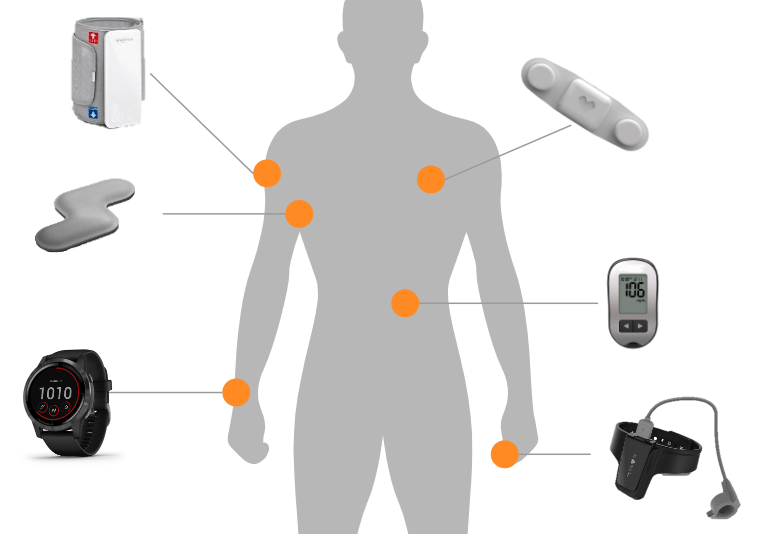
- Smartwatches: Track heart rate, steps, and sleep.
- Fitness Bands: Monitor physical activity and calories burned.
- Smart Glasses: Use eye movement and facial recognition.
- Wearable Rings: Measure pulse and oxygen levels.
- Patch Sensors: Stick on skin to track vital signs.
Key Biometric Sensors Used
- Optical Sensors: Measure blood flow for heart rate.
- Accelerometers: Detect movement and activity levels.
- Electrocardiogram (ECG): Records electrical heart signals.
- Galvanic Skin Response: Measures sweat for stress levels.
- Temperature Sensors: Track body heat changes.
Credit: www.idtechex.com
Health Benefits
Wearable technology biometrics are changing how you manage your health every day. These devices do more than just track steps—they provide ongoing insights that can improve your well-being. Understanding the health benefits of these tools can help you take control of your personal health journey.
Continuous Health Monitoring
Wearable biometric devices keep a constant watch on your vital signs like heart rate, sleep patterns, and activity levels. This nonstop tracking helps you spot changes before they become serious issues. Imagine knowing your body’s patterns so well that you can adjust your lifestyle immediately to stay healthy.
Early Disease Detection
These devices can alert you to unusual changes that might signal the start of a disease. For example, irregular heart rhythms detected early through wearables have helped many users seek medical advice faster. Would you want a tool that warns you before symptoms become obvious?
Personalized Health Insights
Your wearable gathers data unique to your body, giving you tailored advice rather than generic tips. This means you get suggestions that fit your lifestyle and health goals, making it easier to stay motivated. How much easier would it be to improve your health if the advice was designed just for you?
Impact On Fitness And Wellness
Wearable technology biometrics have changed the way you approach fitness and wellness. These devices give you real-time data that helps you understand your body better. This insight can push you to make smarter choices for your health every day.
Tracking Physical Activity
Your wearable device can track steps, distance, and calories burned with impressive accuracy. It keeps you motivated by showing progress over time, which is a powerful tool to stay consistent. I once noticed a steady decline in my daily steps, and seeing that number drop pushed me to get moving again.
Beyond basic step counts, some wearables monitor heart rate zones and even specific exercises. This means you can tailor workouts to your fitness level and goals. Have you checked if your device supports customized workout tracking?
Improving Sleep Quality
Sleep tracking features offer insights into your sleep stages and interruptions. This helps you identify patterns that might be affecting your rest without you realizing it. Once, tracking my sleep showed frequent awakenings that I hadn’t noticed, leading me to adjust my evening routine.
By understanding your sleep quality, you can experiment with habits to improve it. Small changes like adjusting screen time or caffeine intake become easier when you see their impact on your sleep data. What sleep habits could you tweak if you had clear feedback?
Stress And Mental Health Management
Many wearables now include sensors to measure stress through heart rate variability and breathing patterns. This data can alert you to high-stress moments during your day, encouraging timely breaks or relaxation exercises. I found that short breathing sessions guided by my device helped me reset during busy workdays.
Tracking stress levels over time also helps you spot triggers and develop coping strategies. It’s like having a personal wellness coach on your wrist. How often do you pause to check in with your mental state, and could your wearable assist in making that a habit?
Credit: www.enr.com
Challenges And Limitations
Wearable technology biometrics offer exciting possibilities, but they come with their own set of challenges and limitations. Understanding these hurdles can help you make smarter choices when integrating these devices into your daily life or business. Let’s break down the key issues you might face.
Data Accuracy Concerns
Biometric sensors in wearables often struggle with consistent accuracy. Factors like skin tone, movement, and environmental conditions can lead to errors in data collection.
For example, heart rate monitors may give fluctuating readings during intense workouts or in cold weather. This inconsistency can affect your trust in the device and the decisions you base on its data.
Have you ever noticed your fitness tracker showing unusual results? That’s a sign of data accuracy issues that manufacturers still need to address.
Privacy And Security Risks
Collecting sensitive biometric data raises serious privacy concerns. If these data fall into the wrong hands, it could lead to identity theft or unauthorized surveillance.
Wearable devices often connect to smartphones and cloud services, creating multiple points vulnerable to hacking. You must ask yourself: how safe is my personal biometric data?
Taking control means understanding the privacy policies of your device and using strong security measures like two-factor authentication.
User Adoption Barriers
Despite their benefits, many people hesitate to adopt wearable biometrics due to cost, complexity, or distrust. Learning to use these devices effectively can feel overwhelming.
Some users worry about wearing devices all day or sharing intimate data with tech companies. These concerns slow down widespread acceptance.
How comfortable are you with relying on a device to monitor your body? Overcoming these barriers requires better education and more user-friendly designs.
Future Trends
The future of wearable technology biometrics promises exciting changes. These devices will become smarter and more useful. They will blend with daily life and health care. New trends are shaping how biometrics will evolve.
Integration With Ai And Big Data
AI will analyze biometric data quickly and accurately. It helps in predicting health issues before symptoms appear. Big Data allows the collection of large health datasets. This improves personal and public health insights. Wearables will offer more personalized and timely feedback.
Advances In Sensor Technology
Sensors will become smaller, more sensitive, and energy-efficient. They will track more health metrics such as blood pressure and hydration. Improved sensors will enhance comfort and battery life. This makes wearables easier to use all day long.
Expanding Medical Applications
Wearables will monitor chronic diseases like diabetes and heart problems. Remote patient monitoring will reduce hospital visits and costs. These devices will help doctors make faster and better decisions. They will also support mental health through stress and sleep tracking.

Credit: www.sdmmag.com
Frequently Asked Questions
What Is Wearable Technology Biometrics?
Wearable technology biometrics use devices to measure unique body traits. These include heart rate, fingerprints, or facial recognition. They help in health tracking and security authentication. Wearables collect data continuously for real-time insights.
How Do Wearables Use Biometric Data?
Wearables capture biometric data through sensors like optical or electrical. They analyze patterns such as pulse or skin temperature. This data monitors health or confirms identity. It enhances user experience by personalizing device functions.
Are Wearable Biometrics Secure And Private?
Security depends on encryption and data storage methods. Many wearables use strong encryption to protect biometric data. However, privacy risks exist if data is shared improperly. Users should review device privacy policies carefully.
Can Wearables Replace Traditional Biometric Systems?
Wearables complement but don’t fully replace traditional systems. They offer convenience and continuous monitoring. Yet, traditional biometrics often provide higher accuracy for critical security. Wearables are ideal for everyday health and light authentication.
Conclusion
Wearable technology and biometrics work closely to track health and identity. These devices collect data to help users stay safe and informed. Privacy remains a key concern for many people. Users should understand how their information is used and stored.
As technology advances, wearables will become more common in daily life. Choosing the right device depends on your needs and comfort. Biometrics in wearables offer convenience but require cautious use. The future holds many possibilities for this growing technology field.


