
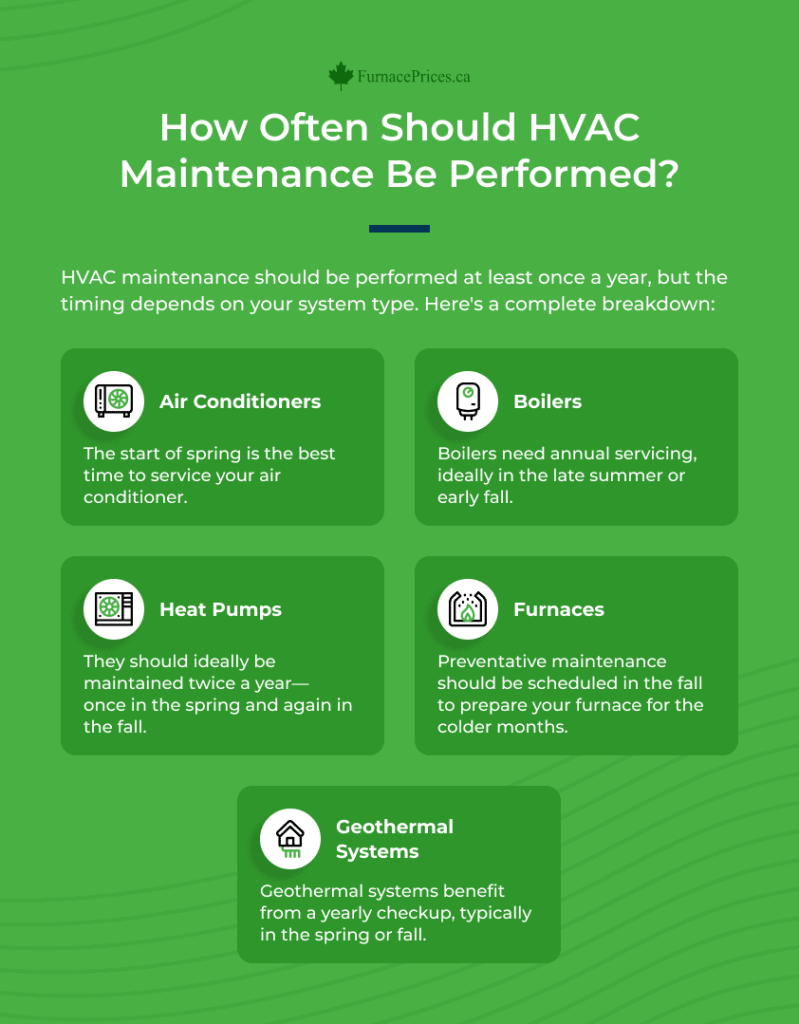
Are you sure your gas hot water heating system is running safely and efficiently? You might not realize it, but skipping annual maintenance could cost you more than just money—it can affect your comfort and safety too.
Regular check-ups keep your system working smoothly, prevent unexpected breakdowns, and even save you from high energy bills. Wondering if your gas hot water heater really needs that yearly tune-up? Keep reading to find out why this simple step is crucial for your home and peace of mind.
Importance Of Annual Checkups
Annual checkups for your gas hot water heating system are not just a routine task—they are a crucial step in keeping your home safe, efficient, and comfortable. Skipping these inspections can lead to unexpected breakdowns or costly repairs, but regular maintenance helps you stay ahead of potential problems. Have you ever wondered how a simple yearly visit from a technician could make such a big difference?
Safety Concerns
Gas hot water systems involve combustible fuel, which means safety is always a top priority. Annual checkups help identify leaks, faulty valves, or carbon monoxide risks before they become dangerous. You don’t want to wait until you notice a strange smell or feel dizzy to take action.
Technicians check the ventilation and burner operation to ensure everything is working safely. This reduces the risk of fires and harmful gas exposure in your home. Can you afford to ignore these invisible threats?
Efficiency And Performance
Over time, dust buildup and worn components can cause your system to use more gas and deliver less heat. Annual maintenance cleans and tunes the system, helping it run at peak efficiency.
This means your water heats faster and stays hot longer, saving you money on energy bills. Imagine the difference in comfort and cost when your system is running smoothly versus struggling to keep up.
Extending Equipment Lifespan
Regular inspections catch small issues before they turn into major breakdowns. This proactive approach reduces wear and tear, giving your gas hot water heater a longer life.
Think about how much you invested in your heating system. Taking care of it with yearly checkups protects that investment and delays the need for expensive replacements. Wouldn’t you prefer to avoid sudden failures in the coldest months?

Credit: www.angi.com
Key Components To Inspect
Annual maintenance of a gas hot water heating system ensures safety and efficiency. Certain parts need regular checks to avoid breakdowns and costly repairs. Inspecting key components helps keep the system running smoothly and extends its lifespan.
Burner And Heat Exchanger
The burner lights the gas to heat the water. It must be clean and free from dirt. A dirty burner lowers heating efficiency and wastes fuel. The heat exchanger moves heat from the burner to the water. Cracks or corrosion here can cause leaks or carbon monoxide leaks. Inspect both parts carefully for damage and dirt buildup.
Thermostat And Controls
The thermostat controls water temperature. It must work correctly to keep water safe and comfortable. Faulty controls can lead to overheating or no heat at all. Check settings and wiring for damage. Properly working controls save energy and prevent hazards.
Vents And Flue
Vents remove harmful gases like carbon monoxide from your home. The flue guides these gases safely outside. Blocked vents or flues cause dangerous gas buildup indoors. Inspect for blockages, rust, or damage. Clear and intact vents ensure safe operation.
Water Pressure And Temperature
Water pressure affects how well hot water flows. Too high or low pressure can damage the system. Temperature settings must match manufacturer recommendations. High temperature wastes energy and risks burns. Check pressure gauges and adjust temperature controls regularly.
Signs Your System Needs Service
Knowing when your gas hot water heating system needs service saves you money and stress. Early signs show your system is not running well. Catching these signs helps prevent bigger problems. Pay close attention to unusual changes in your system’s behavior. Here are some common signs that mean service is needed.
Unusual Noises
Strange sounds come from your heater? Rattling, banging, or hissing noises are warnings. These sounds mean parts may be loose or damaged. Ignoring noises can cause costly breakdowns. A smooth-running system should be quiet or hum softly.
Inconsistent Heat
Is the water sometimes hot and other times cold? Uneven heat means your system is struggling. This could come from a failing thermostat or blocked pipes. Consistent warmth is key for comfort and efficiency.
Increased Energy Bills
Sudden spikes in energy costs point to an inefficient system. Your heater may be working harder than usual. Dirt build-up or worn parts reduce efficiency. Regular maintenance keeps bills steady and saves energy.
Water Leaks Or Rust
Leaks or rust spots around your heater need attention now. Water damage can ruin your system and home. Rust means metal parts are corroding and weakening. Early repairs protect your investment and keep water safe.
Credit: reimerhvac.com
Risks Of Skipping Maintenance
Skipping annual maintenance on your gas hot water heating system might seem like an easy way to save time and money. But the risks involved can quickly turn minor issues into major headaches. Understanding these risks helps you make better choices about caring for your system and protecting your home.
Carbon Monoxide Hazards
Gas heating systems produce carbon monoxide, a colorless and odorless gas that is extremely dangerous. Without regular maintenance, cracks or blockages in the system can lead to leaks. Have you considered how a small unnoticed leak could put your family’s health at risk?
Regular inspections catch these problems early, preventing carbon monoxide buildup. Installing a carbon monoxide detector is smart, but it’s no replacement for proper system care. Your safety depends on a well-maintained heater.
System Breakdowns
Neglecting maintenance increases the chances of sudden system failures. Parts like burners, valves, and thermostats can wear out or malfunction without warning. Imagine waking up on a cold morning to find no hot water because your system broke down overnight.
Annual check-ups allow technicians to spot weak spots and fix them before they cause a shutdown. Keeping your system in good shape means fewer emergencies and more comfort.
Higher Repair Costs
Ignoring small issues often leads to bigger, more expensive repairs later on. A minor leak or clogged filter might seem harmless, but over time these problems escalate. Have you ever faced a repair bill that was much higher than expected?
Routine maintenance helps catch these issues early, saving you money by avoiding major repairs or full system replacements. Investing in yearly service is a smart way to protect your wallet and keep your system running smoothly.
What To Expect During A Checkup
Scheduling an annual checkup for your gas hot water heating system can save you from unexpected breakdowns and costly repairs. Knowing what happens during this service helps you understand its value and prepares you for any necessary maintenance. Here’s what you can expect when a professional technician inspects your system.
Inspection Process
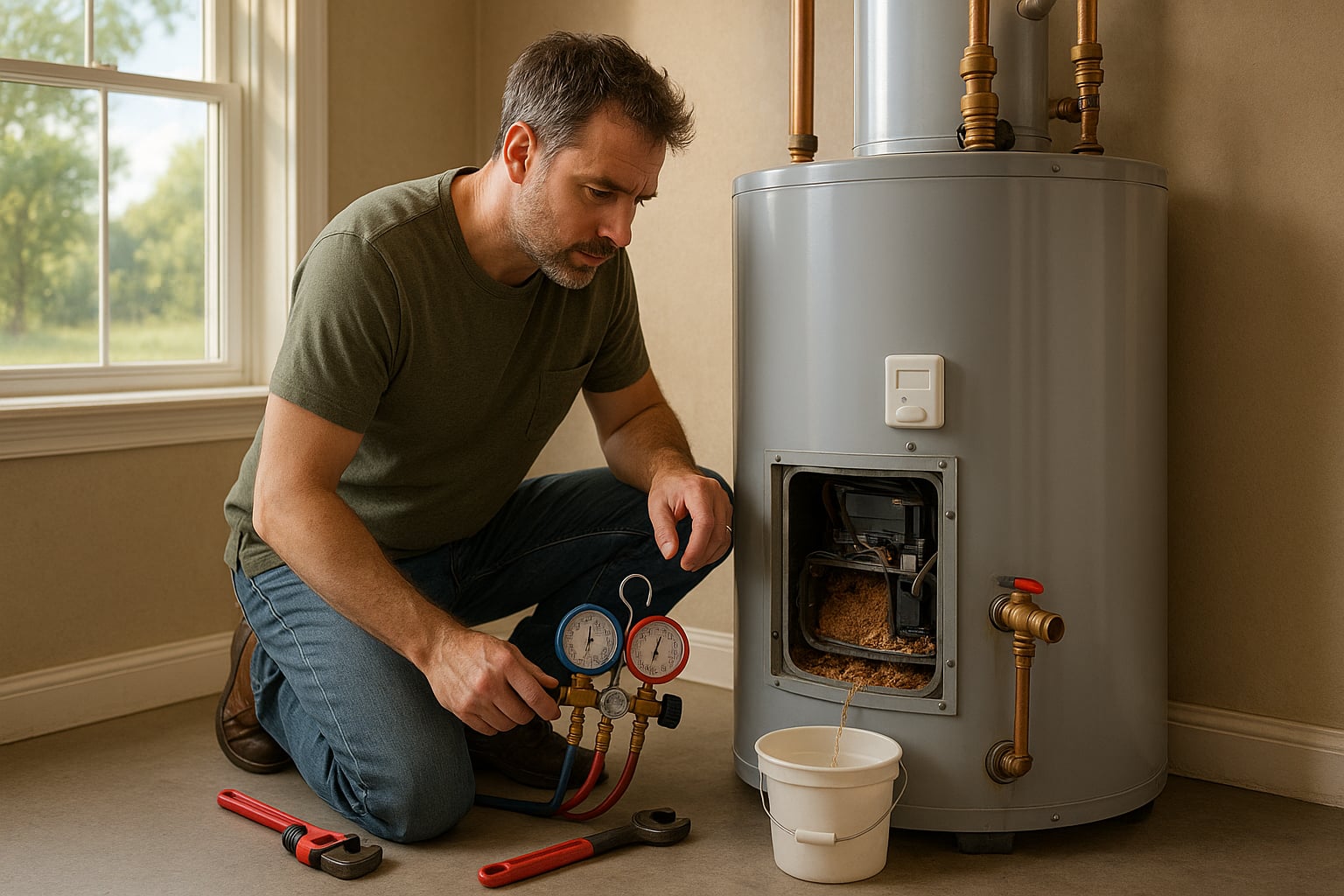
The technician will start by visually examining the entire heating system. They look for signs of wear, leaks, or corrosion that could affect performance.
They also check the thermostat settings to ensure your system is heating water at the right temperature. This step prevents energy waste and keeps your bills manageable.
Have you ever noticed unusual noises or smells from your heater? The inspection helps identify these issues before they become serious.
Cleaning And Tune-up
Cleaning is crucial for keeping your system efficient. The technician will remove dust, dirt, and debris from key components like burners and vents.
This process not only improves heating efficiency but also extends the system’s lifespan. Imagine saving money over time just by keeping parts clean!
During the tune-up, adjustments are made to optimize fuel use and combustion. This step ensures your system runs smoothly and safely.
Testing Safety Features
Safety is a top priority when dealing with gas appliances. The technician tests features like the carbon monoxide detector and gas pressure to prevent hazards.
They also check the venting system to ensure harmful gases are properly expelled from your home. This gives you peace of mind knowing your family is safe.
Could skipping these safety checks put you at risk? Regular testing helps catch problems early, protecting your home and health.
Diy Tips Between Professional Visits
Maintaining a gas hot water heating system between professional visits is simple. Small checks can keep it running smoothly. These DIY tips help spot issues early. They also improve safety and efficiency. Spending a few minutes each month protects your investment and comfort.
Regular Visual Checks
Look for leaks around pipes and valves. Check for rust or corrosion on the tank. Notice any unusual noises or smells near the heater. Inspect the pilot light; it should burn blue, not yellow or orange. Clear signs of damage or wear need prompt attention.
Maintaining Clear Vents
Keep vents and flues free from dust and debris. Blocked vents can cause dangerous gas buildup. Use a soft brush or vacuum to clean vent covers. Ensure no plants or objects block outdoor vents. Proper airflow helps your system work efficiently and safely.
Monitoring System Performance
Track how quickly your water heats up. Notice any drops in water temperature or pressure. Watch for longer heating cycles or frequent shutdowns. These signs may indicate a problem inside the system. Early detection allows timely repairs and avoids costly damage.
Choosing A Qualified Technician
Choosing the right technician to maintain your gas hot water heating system can make a huge difference in its performance and safety. You want someone who understands the system inside and out, and who treats your home with respect. A qualified technician not only fixes problems but also prevents them, saving you time and money down the road.
Certifications And Experience
Start by checking the technician’s certifications. These prove they have passed specific training and know the latest safety standards. Experience counts too; a technician who has worked on various gas hot water systems will spot issues others might miss.
Ask if they have experience with your particular brand or model. This knowledge ensures they can handle your system efficiently without guesswork.
Reputation And Reviews
Reputation tells you a lot about a technician’s reliability. Look for online reviews or ask friends and neighbors for recommendations. Pay attention to how they handle complaints or follow-up services.
Positive feedback often reflects punctuality, professionalism, and quality work. Would you trust someone with your family’s comfort based on what others say?
Service Agreements And Warranties
Service agreements can offer peace of mind by outlining the maintenance schedule and costs upfront. They often include priority visits and discounted rates for repairs. Check if the technician provides warranties on parts and labor.
A good warranty shows confidence in their work and protects you from unexpected expenses. Have you ever faced surprise repair bills that could have been avoided with a solid agreement?
Credit: homeguide.com
Frequently Asked Questions
Does A Gas Hot Water Heating System Need Yearly Checkups?
Yes, annual maintenance is essential. It ensures efficiency, safety, and prevents costly repairs. Regular checks extend the system’s lifespan.
What Are Signs A Gas Hot Water Heater Needs Maintenance?
Look for strange noises, inconsistent water temperature, and leaks. Poor heating or a yellow pilot light also indicates maintenance is needed.
How Does Annual Maintenance Improve Gas Water Heater Efficiency?
Maintenance removes sediment buildup and checks burner function. This improves heat transfer, reduces fuel consumption, and lowers energy bills.
Can Skipping Maintenance Cause Safety Risks?
Yes, neglect can lead to gas leaks, carbon monoxide buildup, or even explosions. Annual inspections ensure all safety components work properly.
Conclusion
Annual maintenance keeps gas hot water heating systems safe and efficient. It helps prevent breakdowns and costly repairs later. Regular check-ups ensure your system works well all year. Clean parts and fix small problems early. This saves energy and lowers bills.
Skilled technicians know what to look for and how to fix issues. Skipping maintenance risks damage and unsafe conditions. Stay comfortable and worry-free with yearly service. Simple steps make a big difference in system life and performance. Don’t wait until problems arise—maintain your system now.


