How Much is Annual Maintenance for HVAC System: Cost Guide 2025
Are you wondering how much you should expect to spend on annual maintenance for your HVAC system? Knowing the right amount can save you from unexpected repair costs and keep your home comfortable all year round.
You’ll discover what goes into the cost, why regular upkeep matters, and how to get the best value for your money. Keep reading to make smart decisions for your HVAC system and avoid costly surprises down the road.
Importance Of Hvac Maintenance
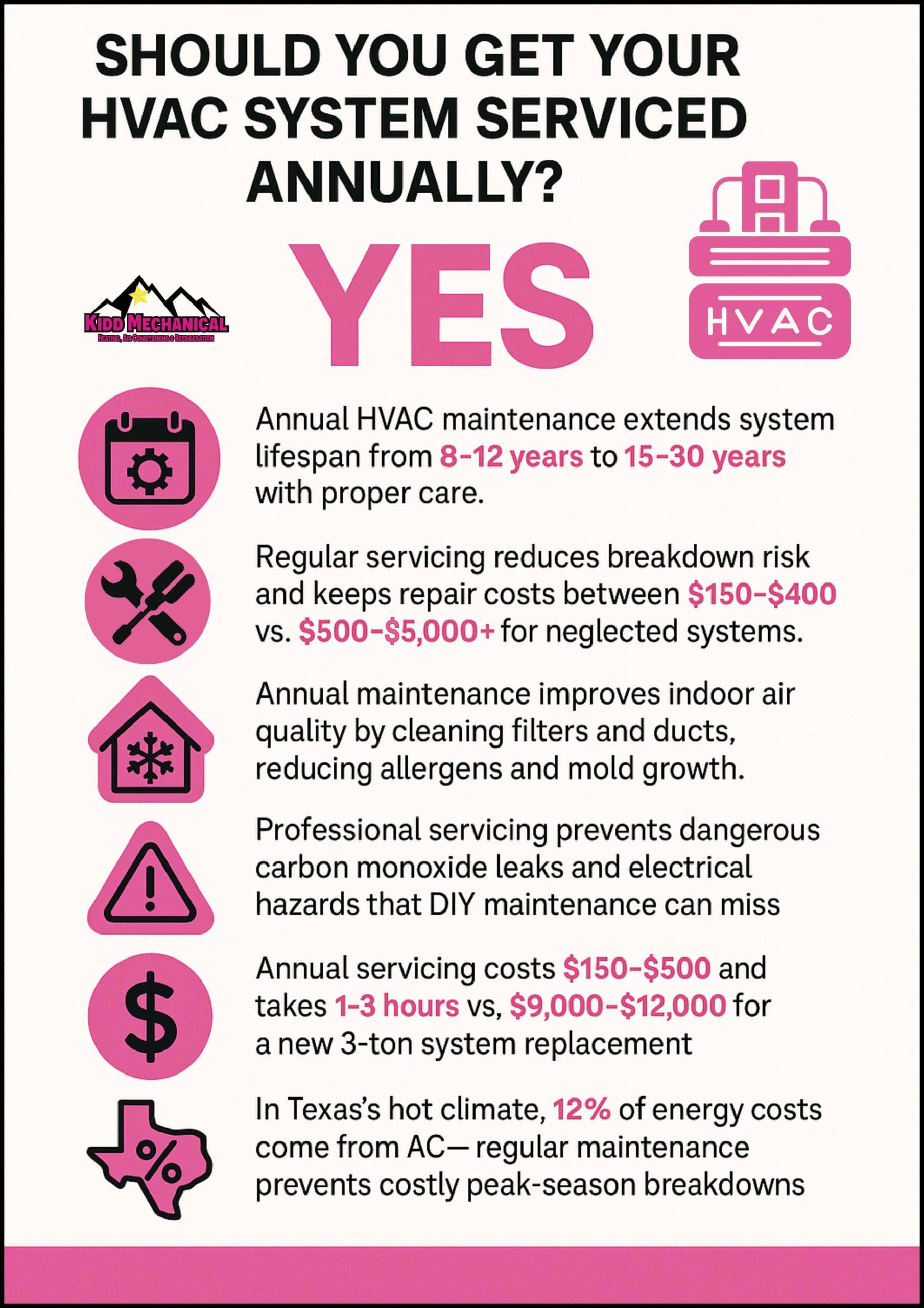
Keeping your HVAC system in good shape is more than just a routine task—it’s a key to comfort and savings. Regular maintenance helps your system run smoothly, saves energy, and extends its life. Have you ever noticed how a clean, well-tuned system cools or heats your space faster and with less noise?
Preventing Costly Breakdowns
Ignoring small HVAC issues can lead to expensive repairs later. Simple things like changing filters or checking refrigerant levels prevent major malfunctions. Think about how a minor leak left unchecked can cause your entire system to fail during a heatwave or cold snap.
Improving Energy Efficiency
An efficient HVAC system uses less electricity or gas, lowering your utility bills. Dusty coils and dirty filters force the system to work harder, wasting energy. Have you ever checked your energy bill right after a maintenance visit and noticed a drop?
Enhancing Indoor Air Quality
Regular maintenance keeps dust, allergens, and mold out of your air ducts. This means healthier air for you and your family, especially if someone has allergies or asthma. Clean filters and ducts make a big difference in breathing comfort.
Extending Equipment Lifespan
Regular check-ups reduce wear and tear on your HVAC system. This helps avoid early replacements and saves money in the long run. Would you rather spend a little now or pay thousands to replace your system prematurely?
Maintaining Warranty Validity
Many HVAC warranties require proof of routine maintenance. Skipping service might void your warranty, leaving you with full repair costs. Keeping up with maintenance protects your investment and peace of mind.

Credit: www.angi.com
Factors Affecting Maintenance Costs
Several factors influence the annual maintenance cost of an HVAC system. Understanding these factors helps set clear expectations for budgeting. Costs vary widely based on the system’s specifics and service details.
System Type
The type of HVAC system affects maintenance costs significantly. Central air systems may need different care than ductless mini-splits or heat pumps. Complex systems with more parts often require more time and expertise. Basic units tend to cost less for upkeep.
Age And Condition
Older HVAC systems usually cost more to maintain. Parts wear out and may need replacement more often. Newer models often have warranties covering some repairs. Regular check-ups can extend the life of any system.
Location And Climate
Where you live plays a big role in maintenance costs. Hot, humid climates can strain air conditioners more. Cold areas may need extra heating system checks. Dusty or coastal regions can cause faster wear on equipment.
Service Provider
The choice of service provider impacts the price. Experienced and certified technicians may charge more but offer quality work. Some companies offer maintenance plans that reduce overall costs. Always compare quotes and reviews before hiring.
Average Cost Breakdown
Understanding the average cost breakdown of annual HVAC maintenance helps you budget effectively and avoid surprises. Knowing where your money goes gives you better control over your system’s health. Let’s examine the typical expenses involved so you can make smart decisions for your home or business.
Inspection Fees
Inspection fees usually cover a professional technician’s time to evaluate your HVAC system thoroughly. This checkup identifies potential problems before they turn costly. Typical inspection costs range from $75 to $150, depending on your location and system size.
Think about how much you’d spend fixing a major breakdown compared to a simple inspection. Regular checks can save you hundreds in emergency repairs.
Cleaning Services
Cleaning is crucial to keep your HVAC running efficiently. This service often includes cleaning coils, filters, and vents to improve air quality and system performance. Expect to pay between $100 and $200 for comprehensive cleaning.
Have you noticed dust buildup or uneven cooling? Regular cleaning prevents these issues and extends your system’s lifespan.
Parts Replacement
Parts replacement costs vary widely based on what needs fixing. Common parts like filters, belts, or capacitors may cost $20 to $150 each, while major components like compressors or motors can run several hundred dollars. Labor charges add to the total expense.
Replacing worn parts during maintenance can prevent sudden breakdowns. What’s the cost of ignoring a small issue until it becomes a big one?
Credit: kiddmechanicalsa.com
Cost-saving Tips
Saving money on annual HVAC maintenance helps keep your system running longer. Small efforts can reduce big expenses later. Smart habits and timely upgrades boost efficiency and cut costs.
Regular Diy Checks
Perform simple checks monthly to spot problems early. Clean or replace filters to improve airflow. Clear debris around outdoor units to prevent blockages. Listen for unusual noises that signal issues. Tighten loose screws and inspect electrical connections. These small tasks keep your system healthy and reduce repair bills.
Energy-efficient Upgrades
Upgrade parts to save energy and lower bills. Install a programmable thermostat to control temperatures easily. Replace old filters with high-efficiency versions for better air quality. Seal duct leaks to avoid energy loss. Choose ENERGY STAR® rated equipment for improved performance. These upgrades pay off by reducing energy use and maintenance needs.
Seasonal Discounts
Schedule maintenance during off-peak seasons for lower prices. Many companies offer discounts in spring or fall. Book early to secure deals and avoid rush fees. Check local utility programs for rebates on upgrades. Take advantage of package deals combining service and repairs. Timing your maintenance saves money without sacrificing quality.
Choosing A Maintenance Plan
Choosing the right maintenance plan for your HVAC system helps protect your investment. Regular care keeps it running smoothly and extends its life. Different plans offer varied services and frequencies. Understanding these options lets you pick what fits your needs and budget best.
Annual Vs. Bi-annual Plans
Annual plans provide one thorough inspection and tune-up each year. This helps catch issues early before the heating or cooling season starts. Bi-annual plans include two visits, usually before summer and winter. They offer more frequent checks, which can prevent breakdowns during extreme weather.
Choosing between these depends on system age, usage, and climate. Older units or homes in harsh climates benefit from bi-annual plans. Newer systems might do well with just annual maintenance.
Inclusions And Exclusions
Maintenance plans list specific services covered. Common inclusions are:
- Cleaning or replacing filters
- Checking refrigerant levels
- Inspecting electrical components
- Lubricating moving parts
- Testing thermostat accuracy
Some plans exclude repairs or parts replacement. Extra fees may apply for fixing breakdowns. Always read the fine print to understand what is covered. Knowing exclusions helps avoid surprise costs later.
Assessing Long-term Benefits
Regular maintenance improves efficiency and lowers energy bills. It reduces the risk of expensive repairs. A well-maintained system lasts longer, saving money over time. Maintenance plans also often come with priority service and discounts on repairs.
Consider how much you use your HVAC and your budget. Investing in a plan can pay off by preventing costly failures. Think beyond upfront costs and focus on lasting value.
Future Trends In Hvac Maintenance
The future of HVAC maintenance is changing fast. New technologies and ideas are making systems easier to care for. These advances help save money and energy. They also keep homes and offices comfortable all year.
Understanding future trends helps homeowners plan their maintenance budget better. It also shows how HVAC systems will become smarter and greener. Here are key trends to watch for in HVAC maintenance.
Smart Technology Integration
Smart HVAC systems use sensors and automation. They adjust settings based on weather and occupancy. This reduces energy waste and improves comfort. Maintenance becomes easier with alerts for needed repairs. Smart thermostats and apps let users control systems remotely. This technology helps prevent breakdowns before they happen.
Sustainability Focus
Energy efficiency is a major goal for HVAC systems. New equipment uses less power and eco-friendly refrigerants. Regular maintenance checks focus on reducing environmental impact. Technicians recommend upgrades that lower carbon footprints. Sustainable HVAC practices can also lower annual maintenance costs. Green solutions are becoming standard in HVAC care.
Remote Monitoring
Remote monitoring allows real-time system tracking from anywhere. Sensors send data to technicians who spot issues early. This service reduces emergency repairs and downtime. Customers receive reports and maintenance reminders automatically. Remote monitoring ensures systems run smoothly and last longer. It is a growing trend in HVAC maintenance services.

Credit: bobsrepair.com
Frequently Asked Questions
What Is The Average Annual Hvac Maintenance Cost?
Annual HVAC maintenance typically costs between $150 and $350. This covers inspection, cleaning, and minor repairs. Prices vary by system type and location. Regular maintenance helps avoid costly breakdowns and extends equipment life.
Why Is Annual Hvac Maintenance Important?
Annual HVAC maintenance ensures efficient system performance and energy savings. It prevents unexpected breakdowns and costly repairs. Regular servicing also improves indoor air quality and prolongs equipment lifespan, saving money in the long run.
What Does Hvac Annual Maintenance Include?
Maintenance usually includes cleaning filters, inspecting components, lubricating parts, and checking refrigerant levels. Technicians also test system controls and safety features. This thorough check helps detect issues early and keeps your HVAC running smoothly.
How Often Should Hvac Maintenance Be Done?
HVAC systems should be maintained at least once a year. Ideally, schedule maintenance before extreme weather seasons like summer or winter. Regular check-ups ensure optimal performance and prevent emergency repairs.
Conclusion
Regular HVAC maintenance keeps your system running smoothly. It helps avoid costly repairs and extends equipment life. Annual maintenance costs vary but usually fit most budgets. Spending a little each year saves money and stress later. A well-maintained HVAC system improves comfort and air quality in your home.
Simple steps can prevent big problems. Think of maintenance as a small price for peace of mind. Keep your system checked yearly to stay safe and efficient. Small effort, big benefits.