How Fast is Wearable Technology Growing: Unstoppable Market Surge
Have you ever stopped to think just how quickly wearable technology is changing your daily life? From smartwatches tracking your fitness to earbuds that translate languages in real-time, these devices are becoming a part of you faster than you might realize.
But how fast is this growth, really? Understanding the speed at which wearable tech is evolving can help you stay ahead, make smarter choices, and fully enjoy the benefits these gadgets offer. Keep reading to discover the surprising pace of this technology and what it means for your future.
Credit: market.us
Market Growth Trends
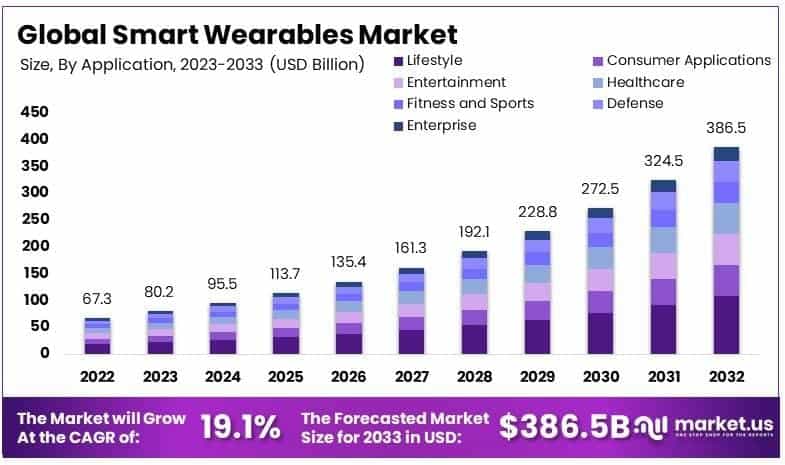
The wearable technology market shows strong growth patterns. It is evolving fast with new devices and features. Consumers and businesses both drive this rise. Understanding market trends helps predict future changes. The technology’s impact spreads across health, fitness, and communication.
Current Market Size
The global wearable technology market is worth billions of dollars. Sales reached over $60 billion recently. Smartwatches and fitness trackers lead in popularity. Demand grows with more affordable and advanced devices. Many users adopt wearables for health monitoring and convenience.
Yearly Growth Rates
The market grows at an average rate of 15% per year. This steady increase shows strong consumer interest. New product launches boost sales each season. Technology improvements encourage more people to buy wearables. Growth rates vary slightly depending on the product category.
Regional Market Expansion
North America holds the largest share of the market. Europe and Asia-Pacific show fast growth rates. Asia-Pacific benefits from a large population and tech adoption. Emerging markets in Latin America and Africa are expanding too. Regional focus shapes product design and marketing strategies.
Key Drivers Behind Growth
Wearable technology has grown rapidly in recent years. Many factors push this growth forward. These key drivers help explain why more people use wearables every day. Each driver plays a vital role in making these devices more useful and popular.
Advances In Sensor Technology
Sensors have become smaller, cheaper, and more accurate. They can track heart rate, steps, sleep, and more. These improvements make wearables more reliable. Users trust the data and use devices for health and fitness goals.
Increasing Health Awareness
People care more about their health now. They want to monitor daily activity and prevent illnesses. Wearables offer easy ways to check health stats anytime. This growing awareness pushes demand for health-focused devices.
Integration With Smartphones
Wearables connect easily with smartphones and apps. This link allows users to see detailed data and get alerts. It makes the devices more practical for everyday use. Seamless integration keeps users engaged and informed.
Rising Fitness Culture
Fitness has become a common lifestyle choice. Many join gyms or do outdoor activities. Wearables help track workouts, calories burned, and progress. They motivate users to stay active and improve fitness levels.
Popular Wearable Devices
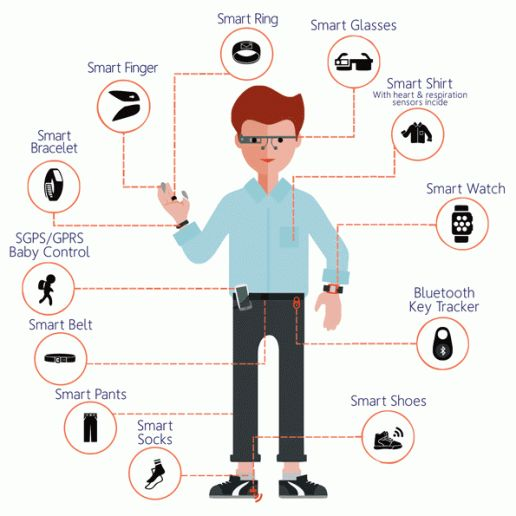
Popular wearable devices have become a major part of daily life. These devices help people track health, stay connected, and improve productivity. The variety of wearables continues to grow fast. Many users enjoy the convenience and technology they offer. Here are some of the most popular types of wearable devices.
Smartwatches
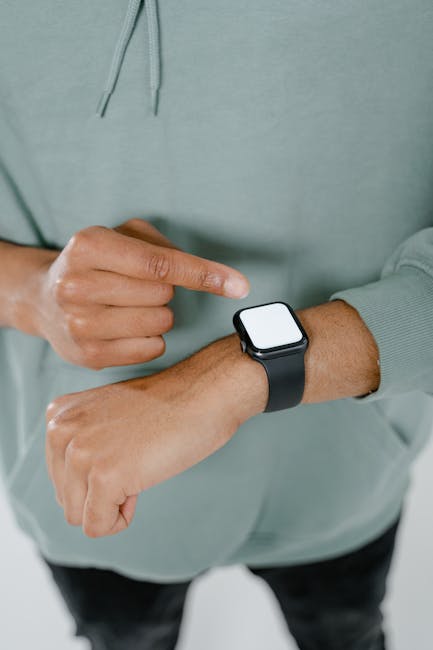
Smartwatches are the most common wearable devices today. They show time and notifications from phones. Users can track steps, heart rate, and sleep patterns. Some models even allow calls and music control. Smartwatches often come with apps for fitness and health. Their ease of use makes them popular worldwide.
Fitness Trackers
Fitness trackers focus mainly on health and exercise. They monitor activities like walking, running, and cycling. Many track calories burned and distance traveled. Fitness trackers are usually lightweight and have long battery life. They appeal to people who want to stay active and healthy.
Smart Glasses
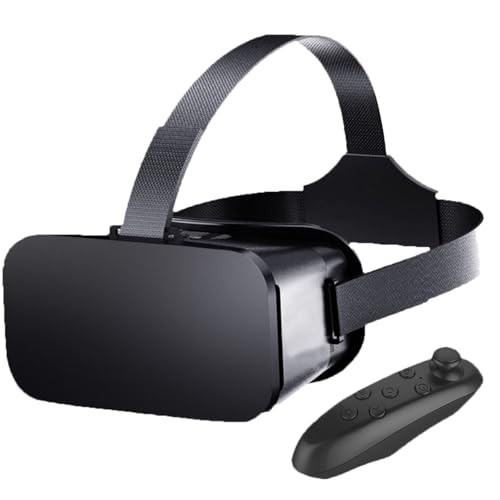
Smart glasses offer hands-free access to information. They display messages, maps, and other data in the user’s view. Some models include cameras and voice control. Smart glasses are useful for work and entertainment. Their growth is slower but steady as technology improves.
Wearable Medical Devices
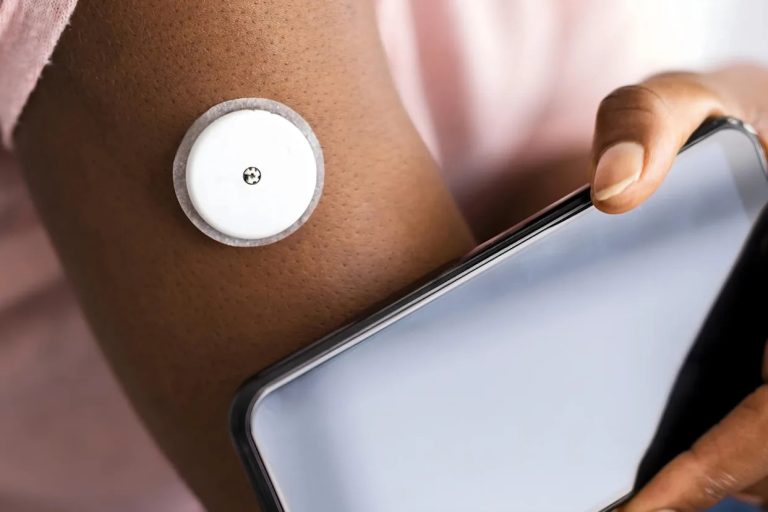
Wearable medical devices help monitor health conditions closely. Devices like glucose monitors and heart rate sensors provide real-time data. These wearables assist in managing chronic diseases. They improve patient care outside of hospitals. Medical wearables are growing quickly due to rising health awareness.

Credit: straitsresearch.com
Consumer Adoption Patterns
Understanding how consumers adopt wearable technology reveals a lot about the market’s rapid expansion. Different groups show unique patterns in how they embrace these gadgets. Knowing these patterns can help you decide which device fits your lifestyle best.
Age Group Preferences
Young adults, especially those between 18 and 34, are the biggest fans of wearable tech. They use smartwatches and fitness trackers to stay connected and monitor health effortlessly. Older adults, 55 and above, tend to prefer devices with health-related features like fall detection and heart rate monitoring.
Have you noticed how your parents or grandparents react to wearable devices? Their preferences often focus more on safety and ease of use than flashy features.
Gender Differences
Men and women show distinct preferences when choosing wearables. Men often lean towards devices with advanced fitness tracking and sports functionality. Women, on the other hand, frequently choose wearables that combine health tracking with style and comfort.
Consider your own choices—do you prioritize performance or design? Recognizing these differences helps manufacturers tailor products that truly fit your needs.
Usage Frequency
Daily users tend to rely on wearables for continuous health monitoring, notifications, and fitness tracking. Casual users might only wear their devices during workouts or specific activities. This split affects how much users engage with the features and apps tied to their gadgets.
Ask yourself: how often do you want to check your health stats or get alerts? Your answer can guide you toward a device that fits your daily routine.
Motivations For Purchase
People buy wearables for various reasons, including fitness goals, health monitoring, and staying connected without pulling out their phones. Some want to boost productivity by managing notifications on the go. Others seek peace of mind through health alerts or emergency features.
- Improving physical activity
- Tracking sleep quality
- Receiving instant notifications
- Monitoring chronic conditions
What drives your interest in wearable tech? Identifying your motivation helps you pick the right device and get the most from it.
Challenges Slowing Growth
Wearable technology grows quickly but faces real challenges. These issues slow down its wider use and acceptance. Users and companies face problems that need fixes to boost growth.
Privacy Concerns
Wearables collect personal data like health and location. Many users worry about who sees this data. Fear of hacking or misuse stops some from buying. Strong privacy rules and clear policies are needed.
Battery Life Limitations
Most devices need frequent charging. Short battery life frustrates users who want all-day use. Improving battery power and energy-saving tech is critical. Longer-lasting batteries would increase user satisfaction.
High Device Costs
Wearables can be expensive for many buyers. High prices limit who can afford the latest models. Lowering costs or offering budget options could help. More affordable devices would grow the user base.
Data Accuracy Issues
Some wearables give wrong or inconsistent data. This reduces trust in their health and fitness tracking. Better sensors and testing can improve accuracy. Reliable data helps users make better health choices.
Future Market Projections
The future of wearable technology looks promising with steady growth and innovation. Market experts expect new devices and uses to expand rapidly. Consumers and industries will both benefit from smarter, faster wearables. Understanding future trends helps businesses and users prepare for changes ahead.
Emerging Technologies
Several new technologies will shape wearable devices soon. Flexible displays will make gadgets lighter and easier to wear. Advanced sensors will track more health data accurately. Artificial intelligence will improve device responses and personalization. Energy-efficient chips will extend battery life significantly. These innovations will create better user experiences and new product types.
Potential New Applications
Wearable tech will move beyond fitness and health tracking. Smart clothing may monitor posture and muscle activity. Augmented reality glasses could assist in education and work. Wearables will support mental health through mood detection. Safety devices will alert users to hazards in real-time. The range of uses will widen across daily life and industries.
Market Forecast To 2030
| Year | Market Size (Billion USD) | Growth Rate (%) |
|---|---|---|
| 2024 | 45 | 12 |
| 2026 | 60 | 15 |
| 2028 | 85 | 18 |
| 2030 | 120 | 20 |
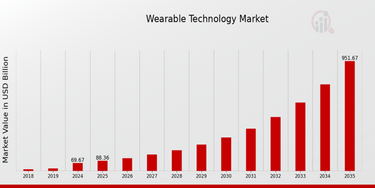
The wearable market is set to grow steadily until 2030. Increasing demand and tech advances drive this rise. Companies will invest more in research and development. Users will enjoy more affordable and diverse products. The future market will be larger and more competitive.
Impact On Healthcare And Fitness
Wearable technology has changed healthcare and fitness a lot. It helps people track health in real time. Wearables give data that doctors and trainers can use. This technology makes health care more active and personal. People can manage their health better with these tools.
Remote Patient Monitoring
Wearables allow doctors to monitor patients remotely. Devices track heart rate, blood pressure, and oxygen levels. This data helps doctors spot problems early. Patients get care without visiting clinics often. It saves time and reduces hospital visits.
Personalized Fitness Plans
Wearables collect data on activity, sleep, and calories burned. Trainers use this data to create custom plans. Plans fit individual fitness levels and goals. Users get feedback to improve workouts. This keeps fitness routines effective and safe.
Chronic Disease Management
Wearable devices help manage chronic diseases like diabetes and asthma. They track symptoms and medication use daily. Alerts remind patients to take medicine on time. Data helps doctors adjust treatments quickly. Patients stay healthier with better disease control.
Role Of Ai And Big Data
AI and Big Data play a crucial role in accelerating the growth of wearable technology. They enable devices to collect, process, and analyze vast amounts of information quickly and accurately. This results in smarter wearables that adapt to your needs and provide meaningful insights.
Enhanced Data Analysis
Wearables generate massive amounts of data every second. AI helps sort through this information to find patterns that matter. This means you get precise feedback instead of overwhelming numbers.
Imagine your fitness tracker recognizing subtle changes in your heart rate and alerting you before a problem arises. This level of analysis was impossible without AI and Big Data working together behind the scenes.
Predictive Health Insights
AI doesn’t just analyze data—it predicts future health events. Wearables can now forecast potential issues like irregular heartbeats or sleep disorders based on your historical data.
This predictive ability transforms your device from a passive tool into an active health partner. It prompts you to take action early, potentially preventing serious conditions.
Improved User Experience
AI personalizes your wearable’s functions based on your habits and preferences. It learns from how you move, rest, and perform daily activities to offer tailored suggestions.
This makes your device feel more intuitive and less like a gadget. For example, your smartwatch might adjust notifications or workout plans automatically, saving you time and effort.
Are you ready to let your wearable become smarter and more helpful every day? Your health and convenience could depend on it.
Credit: www.marketresearchfuture.com
Frequently Asked Questions
How Fast Is The Wearable Technology Market Growing?
The wearable technology market is expanding rapidly with an annual growth rate of over 15%. Increased consumer demand and tech advancements drive this surge globally.
What Factors Contribute To Wearable Tech Growth?
Factors include rising health awareness, improved device functionality, and integration with smartphones. Affordable prices also boost consumer adoption worldwide.
Which Regions Lead Wearable Technology Adoption?
North America and Asia-Pacific lead wearable tech adoption due to strong tech infrastructure and consumer interest in health and fitness gadgets.
How Is Wearable Technology Impacting Healthcare?
Wearables enable real-time health monitoring, early disease detection, and personalized treatments, transforming patient care and improving health outcomes.
Conclusion
Wearable technology is growing at an impressive speed. Devices are getting smarter. They help track health, fitness, and more. More people are using them daily. Companies keep introducing new features. Prices are becoming more affordable. This trend makes wearables more popular.
The future looks exciting for wearable tech. It will continue to evolve rapidly. Watch this space for more developments. Stay informed to make the best choices. Wearable technology is here to stay.